








How should you brew drip bag coffee without ruining the cup?
Drip bag coffee is not instant coffee or a tea bag, so the grounds should never be left sitting in the water. The filter bag is designed to hang from the rim of the cup while hot water is poured through it, mimicking a simplified pour-over. Steeping it instead yields grounds in the mouth and a bitter, astringent, woody cup.
Four points decide the result: pick a suitable container, control water temperature, pour in stages rather than all at once, and keep the coffee-to-water ratio steady. Any single-origin bean can be packed as a drip bag, so beginners can start with a seasonal blend, then move to Yirgacheffe for fruity acidity or Costa Rica Tarrazu for a cleaner, less bitter cup.
Drip bag coffee is the entry-level choice for many coffee novices to encounter single-origin coffee. It requires no complicated equipment—just one drip bag, a kettle of hot water, and a cup for easy enjoyment. However, many people brew it directly like instant coffee or a tea bag, resulting in either coffee grounds in their mouth or a cup of bitter, astringent, woody coffee water. This article provides a detailed analysis of the design principles of drip bag coffee, points out four common brewing mistakes, and offers four correct operational points, including container selection, water temperature control, pouring technique, and coffee-to-water ratio. It also retains recommendations for Front Street brand drip bag coffees from various regions, helping coffee enthusiasts avoid pitfalls and brew single-origin coffee with excellent aroma and taste.
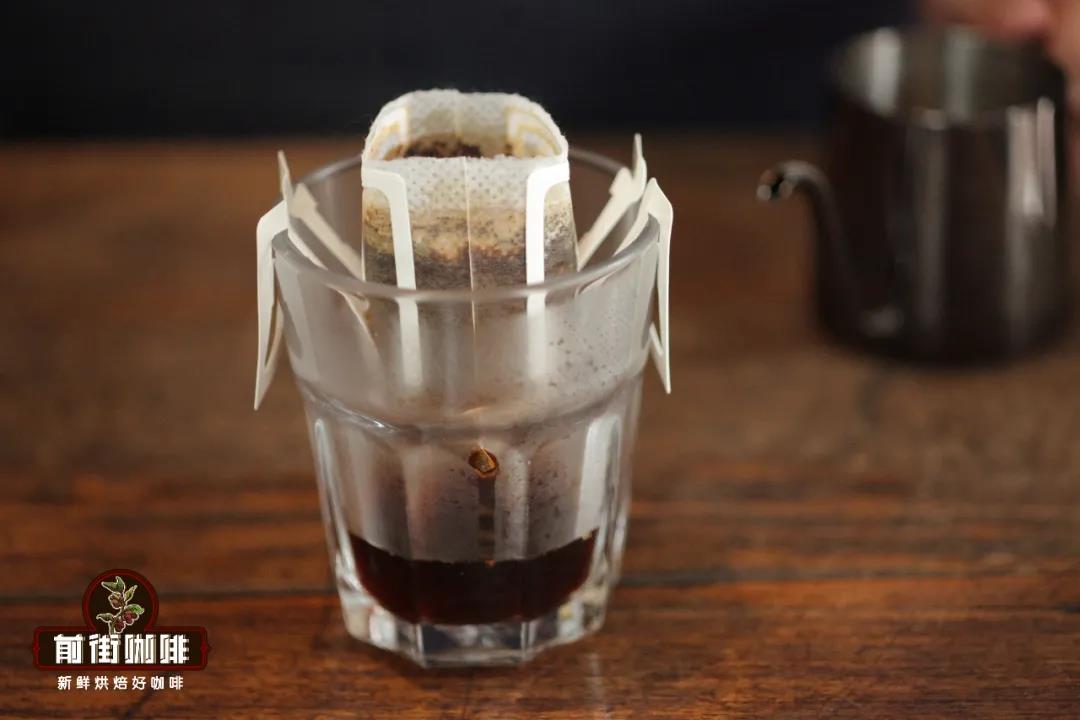
Drip bag coffee is the first step for many coffee novices into the world of single-origin coffee! With no complicated tools and no need to be as "cautious" as with pour-over during brewing, one drip bag, a kettle of hot water, and a cup allow you to easily get a cup of single-origin coffee with a floating aroma and a mellow taste.
What is a drip bag coffee pack?
The design concept of the drip bag coffee pack comes from the string tea bag, originally named "one-cup extraction coffee." But coffee grounds cannot be directly soaked in water like a tea bag, so the inventor tried every means to simulate filter-cup drip coffee, suspending a non-woven filter bag filled with coffee grounds in the center of the cup.
After continuous research, two extendable paper pieces were finally added to both sides of the filter bag. When pulled open, they suspend the filter bag in the center of the cup. Because they hook onto both sides of the cup like little ears, people also affectionately call it "drip bag coffee."
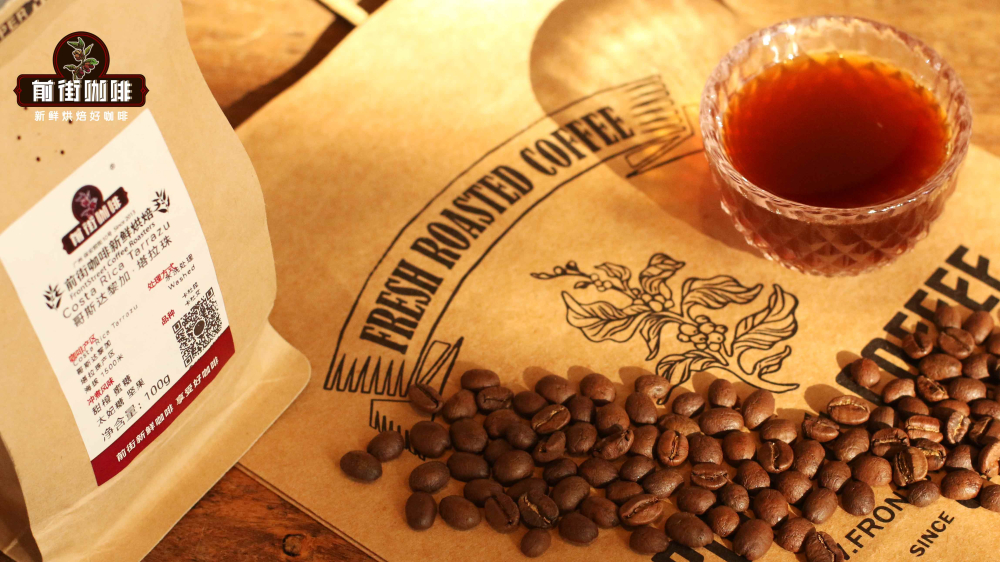
Drip bag coffee can be understood as a simplified version of pour-over, so all single-origin beans can be used to make drip bags. Front Street believes that novices are not yet familiar with regional flavors, so they can start with the basic Front Street seasonal drip bag series. Friends who can accept fruity acidity should buy Front Street Yirgacheffe drip bags; those who want a refreshing, non-bitter coffee should buy Front Street Costa Rica Tarrazu drip bags; friends who prefer a richer mouthfeel can try Front Street Brazil seasonal drip bags, Front Street Colombia seasonal drip bags, and Front Street Mandheling seasonal drip bags.
Those wrong ways to brew drip bag coffee
Mistake 1: Brewing it like instant coffee
Drip bag coffee is not instant coffee, drip bag coffee is not instant coffee, drip bag coffee is not instant coffee! Instant coffee is made by drying extracted coffee liquid into powder, which is why pouring hot water into it can restore a cup of coffee.
When Front Street makes drip bag coffee packs, fresh coffee beans are directly ground into medium-fine coffee grounds, and only 30% of the flavor substances in these grounds are soluble in water. The remaining 70% are water-insoluble woody fibers (that is, coffee grounds). So if you open the drip bag and pour the coffee grounds into a cup to brew, you will not only get a cup of black coffee, but also a mouthful of coffee grounds~
Mistake 2: Direct soaking
Drip bag coffee is not a tea bag—it does not produce coffee liquid just by being soaked directly in water! This is because the coffee grounds used to make drip bag coffee packs are ground relatively fine, with each pack containing about 10 grams. When the drip bag is hung in the cup, the coffee grounds pile up in the center of the filter bag, forming a thicker bed of grounds.
At this time, if you do not tear open the seal and pour water into the center of the coffee bed, but instead pour water directly onto the surface of the filter bag to soak it, the center of the coffee bed cannot be wetted/or requires a very long soak to become wet. Then the coffee grounds close to the filter bag will release a woody taste after their flavors have been released. Since not all the coffee grounds participate in the entire extraction process, in the end we only get coffee water that is both tasteless and has a woody, papery taste (the hot water also soaks the drip bag's paper support).
Mistake 3: Pouring too much water at once
Many friends directly use a kettle to pour water when brewing drip bag coffee packs. Because the spout diameter of the kettle is relatively large, it is easy to fill the coffee filter bag all at once, and the coffee grounds leak out along the surface of the liquid, greatly reducing the taste when drinking the coffee.
Mistake 4: The container for brewing drip bag coffee is too small/too short
For a 10g pack of Front Street drip bag coffee, it is recommended to pour 150g of hot water, which can extract about 140-145g of coffee liquid. At this time, if the container is too small/too short, while the coffee is brewing, the liquid surface soaks the bottom of the drip bag, and the coffee grounds at the bottom are continuously extracted for coffee flavor, which easily leads to a bitter taste in the coffee.
The correct way to brew drip bag coffee
Correct 1: Choose a taller brewing container
Try to choose a taller cup/pot for brewing, ensuring there is a certain distance between the drip bag coffee pack and the extracted coffee liquid surface.
Correct 2: The water temperature for brewing drip bag coffee should not exceed 92°C, and should not be lower than 88°C
The soluble flavor molecules in medium-fine ground coffee need a suitable temperature to be better released. Front Street recommends using 90°C-92°C water to brew medium-light roast (with floral/berry/citrus notes) drip bag coffee packs; using 89°C-90°C water to brew medium roast (with nut/cocoa notes) drip bag coffee; and using 88°C-89°C water to brew medium-dark roast (with herbal/spice/dark chocolate notes) drip bag coffee.
Correct 3: Pour hot water in small amounts multiple times
At this time, if you have a small coffee pouring kettle, that is best, because it can control the water flow poured onto the coffee grounds, ensuring the coffee grounds are evenly wetted and extracted. If you do not have one, that is fine too—pour water in small amounts multiple times, and do not fill the filter bag all at once.
Correct 4: The brewing ratio for drip bag coffee is 1:15
Front Street recommends a brewing ratio of 1:15 for drip bag coffee packs. For example, if one pack of Front Street drip bag coffee is 10g, then when brewing at a 1:15 ratio, 150g of hot water should be poured.
The above content is compiled by CoffeeHunters, a coffee news website.


