







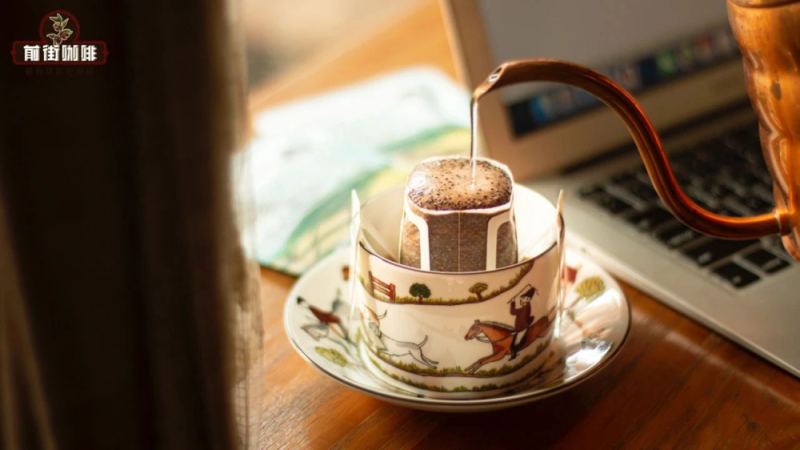
Can you steep drip coffee bags directly in a cup?
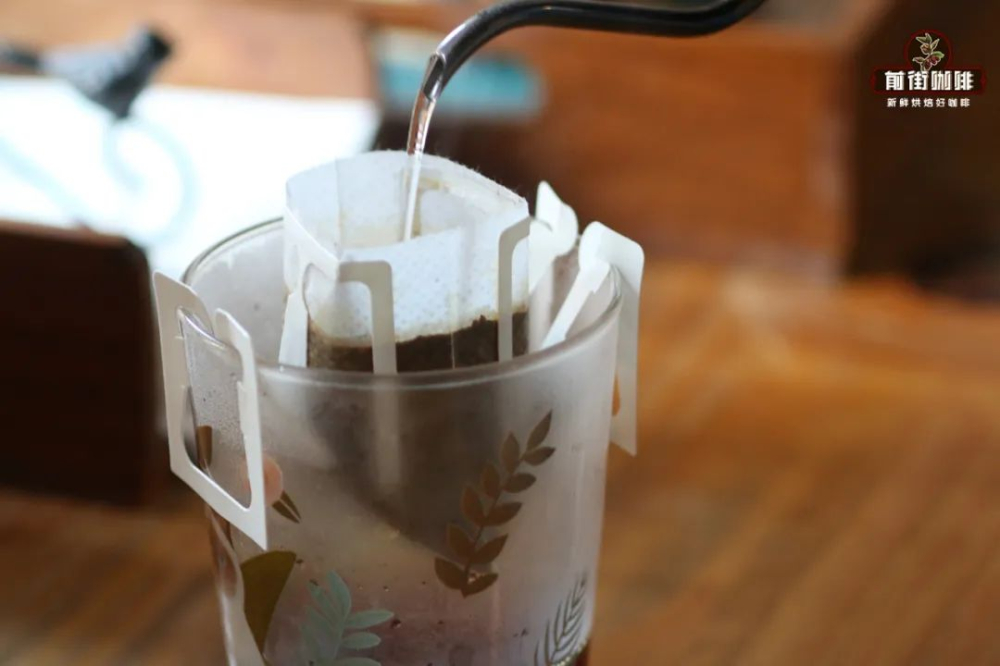
Drip bag coffee should not be left steeping in the cup, and the grounds should not be poured out loose. Instead, tear open the outer wrapper, tear the non-woven bag along the dotted line, fold out the two paper ears and hang the bag on the rim of the cup. Pour a little hot water to wet all the grounds, let it bloom for 10 to 20 seconds, then pour in stages.
Each drip bag holds about 10 grams and brews roughly 120 to 130 ml, with a total pouring amount near 150 grams. Wait until the liquid finishes dripping, swirl the cup to even it out, and drink it as black coffee or add sugar and milk. The grounds come from freshly roasted beans, and sample flavors include washed Yirgacheffe Gidding, Brazil Queen Estate and Sidamo Huakui.
Can drip bag coffee be directly steeped in the cup? Many friends are used to pouring out the coffee grounds to brew, or leaving the bag steeping the whole time, but these actually deviate from the optimal brewing method. Front Street will demonstrate the correct drip bag brewing steps for you, and introduce three multi-origin fresh ground specialty drip bags: Washed Yirgacheffe Gidding, Brazil Queen Estate, and Sidamo Huakui. From blooming to staged pouring, mastering the details is the only way to fully release the coffee's aroma and layers.
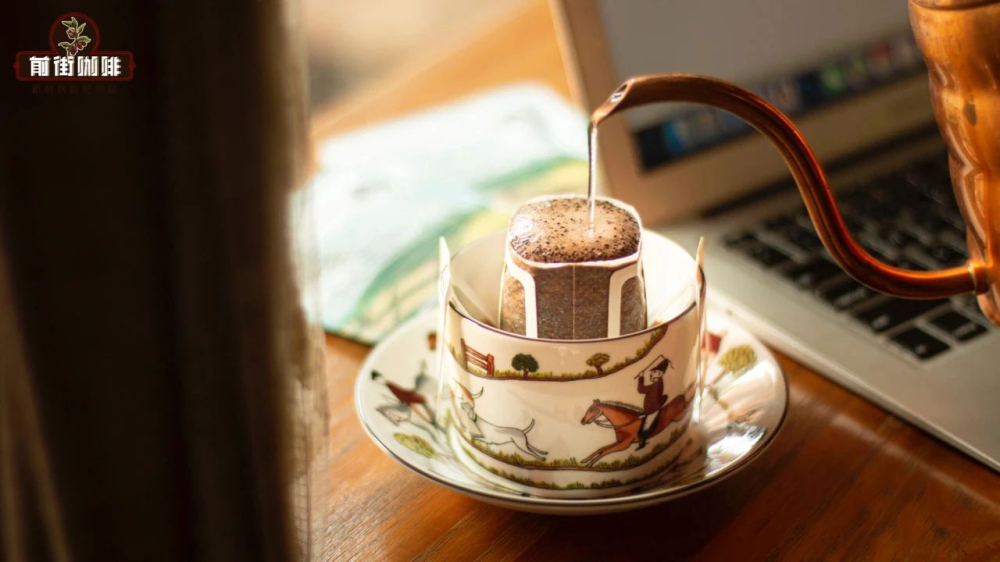
Regarding drip bag coffee, some people tear open the bag and pour the coffee grounds into the cup, add water, stir, and then filter; others do not tear it open and directly hang it in the cup to steep for a long time. In fact, neither of these practices can be considered the optimal brewing method for drip bag coffee. The correct drip bag brewing is not complicated. Here is a demonstration:
Before starting, Front Street will first boil water and prepare a pouring kettle, a coffee cup, and a pack of drip bag coffee. Front Street drip bags are made at 10 grams per pack, which can brew a cup of about 120–130 ml of coffee.
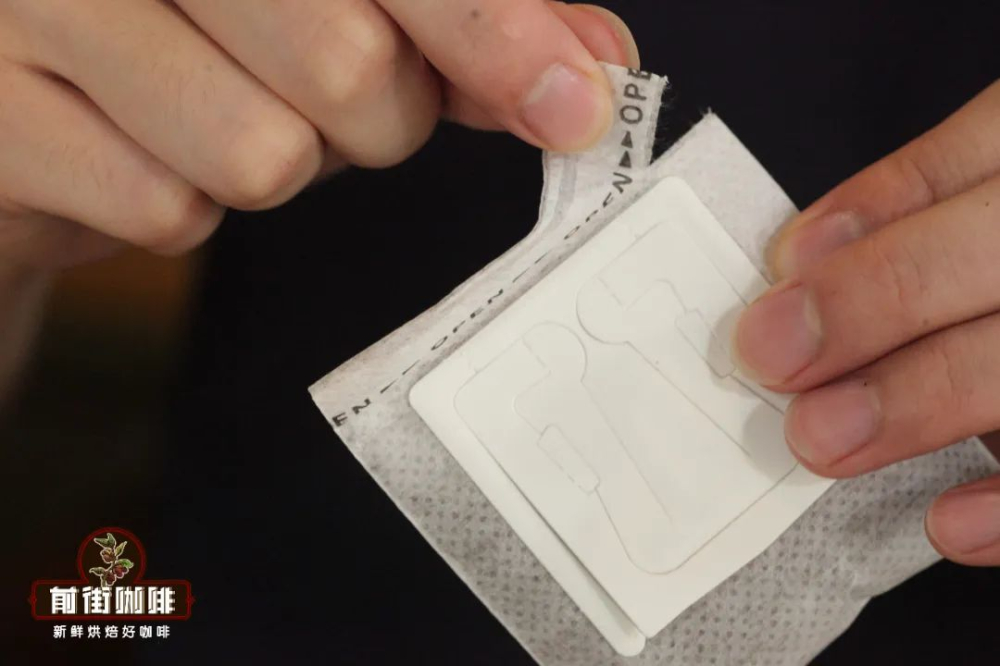
Tear open the sealed outer packaging, take out the drip bag, and tear open the non-woven bag along the dotted line. Then pull open the "ears" on both sides, unfold the entire drip bag, and hang it on the rim of the cup or sharing pot.
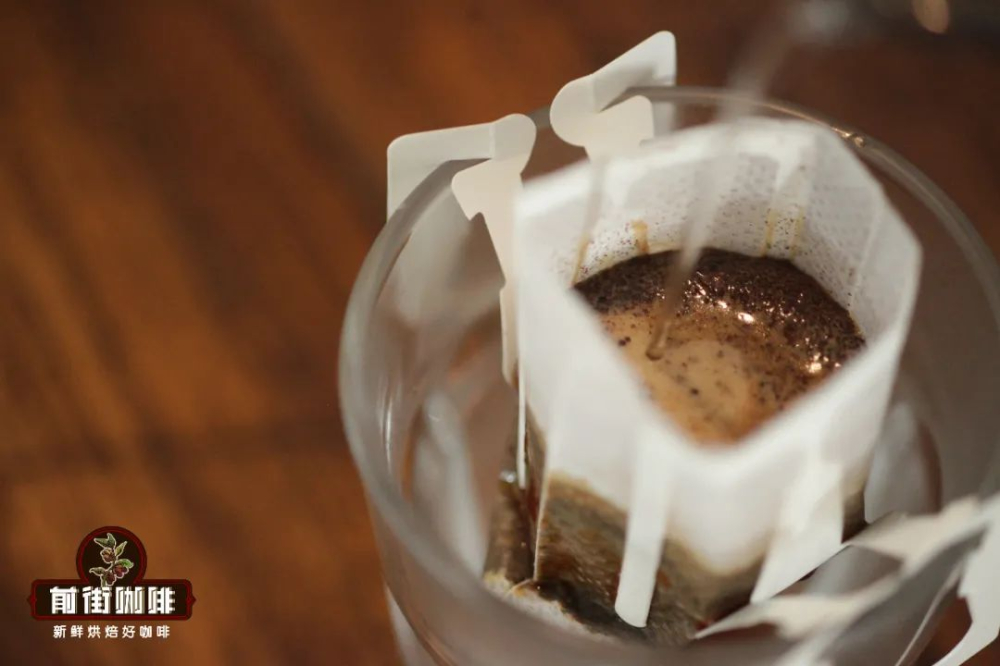
For the first stage, pour in a small amount of hot water to moisten all the coffee grounds, and let it bloom for about 10–20 seconds to help release the gases in the coffee grounds and make the subsequent extraction more stable. For the second stage, pour in a steady small stream until the liquid level is nearly full, wait for the coffee liquid to drop, until it finishes flowing. Finally, pour water again until full, with a total pouring amount of about 150 grams. Wait for all the coffee liquid to drip through, and the extraction is complete.
Before drinking, Front Street will gently swirl the coffee liquid to make it even, then directly taste the pure flavor of black coffee. You can also add an appropriate amount of sugar or milk according to personal preference.
In order to preserve the original flavor of the coffee beans as much as possible, the coffee grounds used in Front Street drip bags are all ground from freshly roasted coffee beans. The coffee beans shipped by Front Street are all freshly roasted within 5 days. After being made into drip bag coffee, by the time you receive it, it is usually 3–5 days after roasting, just entering the stage suitable for brewing and tasting. Front Street recommends drinking it as soon as possible after receipt, as storing it too long can easily cause the coffee aroma to be lost.
1. Front Street Washed Yirgacheffe Gidding Cooperative Drip Bag Coffee
Front Street Gidding Cooperative coffee beans come from the well-known Yirgacheffe region of Ethiopia. After harvesting, they are washed, which makes Yirgacheffe's jasmine aroma and bright citrus-lemon acidity clearer and more transparent, thus placing it among the representatives of the world's specialty coffee.
Front Street. Yirgacheffe Gidding Cooperative Coffee Region: Yirgacheffe Gedeo Zone Producer: Gidding Cooperative Altitude: 1900-2300m Variety: Local heirloom Processing Method: Washed
Grade: G1
Flavor: Citrus, berries, lemon, cane sugar, green tea
2. Front Street Brazil Queen Estate Coffee Beans
Queen Estate is located in the Mogiana region of São Paulo State, Brazil. Unlike many large-scale regions in Brazil that win by yield, this place has a higher altitude, creating a relatively unique microclimate. In addition, the estate insists on hand-picking coffee cherries at suitable ripeness, and each batch is completed with small-batch, refined processing methods. Most of the coffee beans produced are specialty grade. Front Street Queen Estate coffee beans use a medium-dark roast, which both highlights the classic rich aroma of Brazilian coffee and shows the sweetness of the Bourbon variety itself. On the palate, you can feel the rich coffee aroma, with a clear sweet aftertaste in the mouthfeel.
Front Street. Brazil Queen Estate Coffee Beans
Region: Brazil Mogiana Region
Estate: Queen Estate
Altitude: 1400–1950m
Variety: Yellow Bourbon
Processing Method: Natural
Flavor: Dark chocolate, cream, peanut, sugarcane, nuts
3. Front Street. Sidamo Huakui Drip Bag Coffee
Front Street Huakui coffee made its debut with a unique strawberry cream flavor and was stunning as soon as it was released. This Ethiopian bean stood out especially among many Geisha competition beans, hence the name "Huakui." The coffee beans use a fine natural processing method, presenting a full sweet-and-acidic mouthfeel of nuts, honey, berries, passion fruit, cream, and strawberry.
Front Street. Sidamo Hambela Huakui Coffee Beans
Country: Ethiopia
Region: Sidamo
Altitude: 2250-2350m
Variety: Local heirloom
Processing Method: Natural
Flavor: Berries, floral tea, honey, lemon, black tea
The above content is compiled by CoffeeHunters, a coffee news website.


