







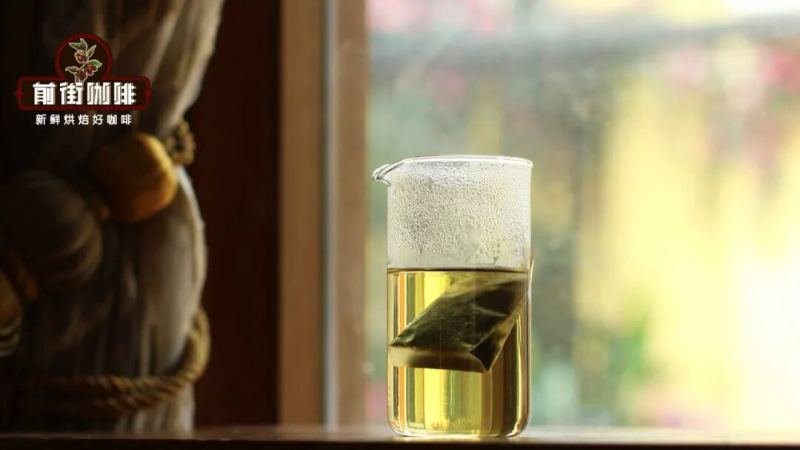
As the scorching summer heat intensifies, people's demand for refreshing coffee continues to soar, and within the community, many "new ideas" have been sparked. For instance, last week, a reader sent Front Street a question: can coffee be extracted in a teabag form like tea? She felt that drip bags require multiple pours and careful control of water volume, which seems cumbersome, whereas direct teabag steeping could save many steps.
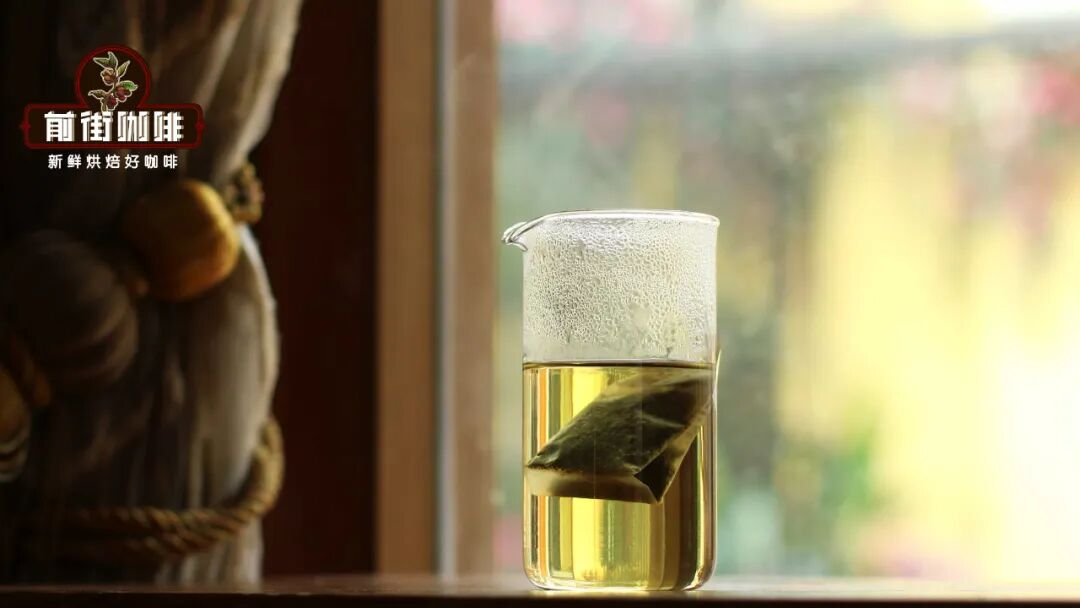
Main features of teabag coffee and drip bag coffee
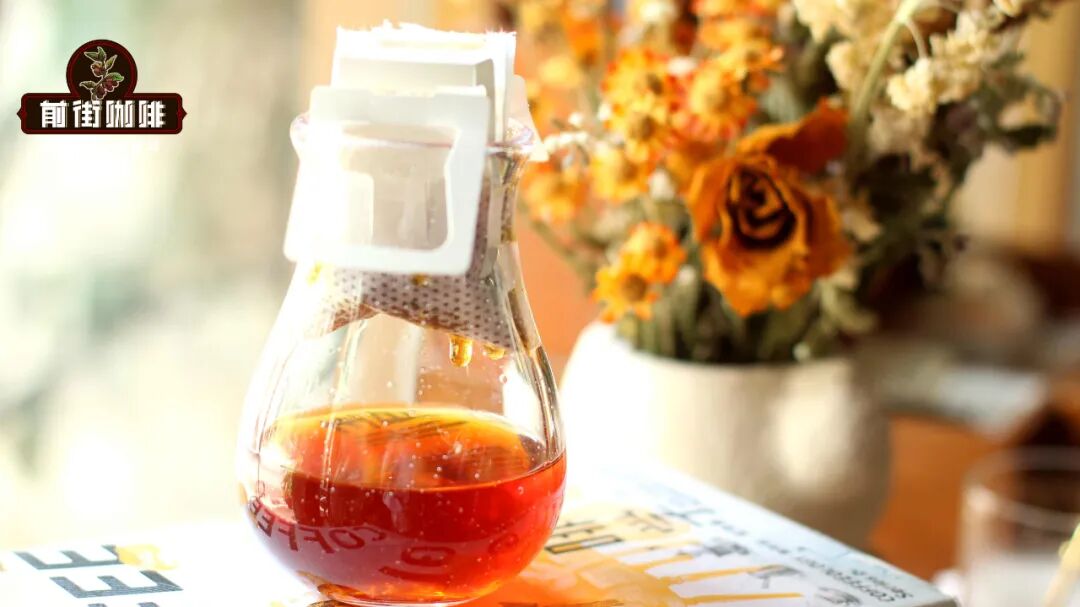
Let's first briefly review the more familiar drip bag coffee. The drip bags sold on the market have coffee beans pre-ground and placed into non-woven filter bags. When brewing, theThe filter bag has paper tabs on both sides to hang on the cup rim, allowing the coffee packet to suspend right in the center, creating a convenient product that mimics pour-over coffee. Whenever you want coffee, just pour in an appropriate amount of hot water, and after it fully filters through, you get a cup of ready-to-drink black coffee.

As a type of drip coffee, aside from variations due to different coffee bean types, the taste of drip bag coffee is mainly determined by grind size, coffee-to-water ratio, water temperature, and flow rate.
While teabag coffee is also a convenient product, butFrom the name, it's easy to see that it's a typical immersion extraction. Because it uses a "tea bag-style" sealed pouch, when brewing, you need to put it directly into water and let the soluble substances come out through the gaps on their own.
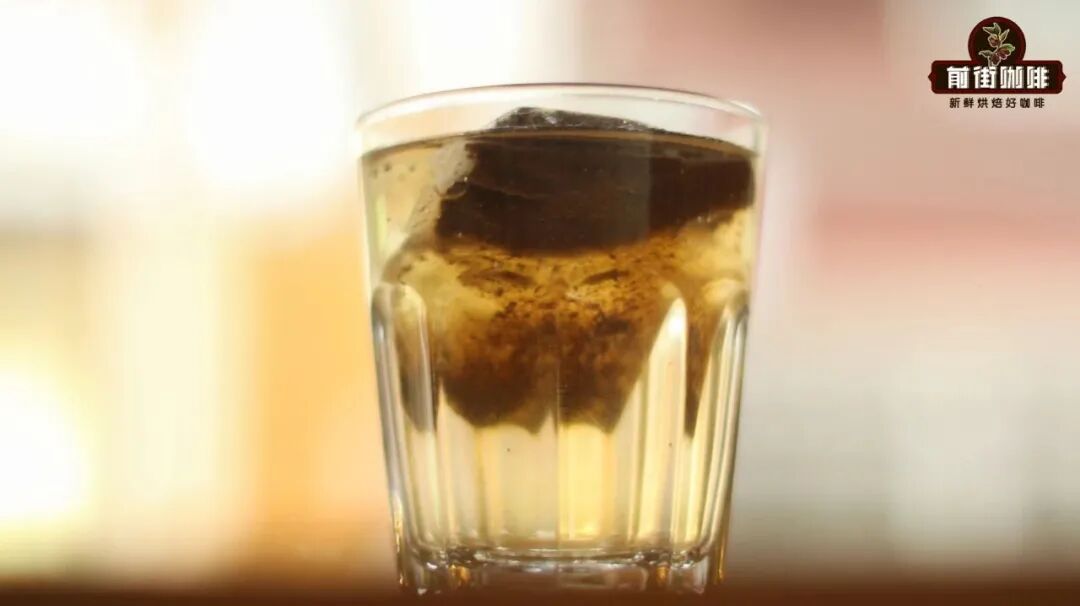
It's said that as early as 18th-century France, people first put coffee grounds into a large cloth bag, tied it tightly, and threw it into hot water to "boil" until the coffee reached a certain concentration, then removed the bag. The teabag coffee Front Street is discussing today evolved from this.
Teabag Coffee VS Drip Bag Coffee
To give an objective answer to the friend who raised the question, in this comparative experiment between teabag coffee and drip bag coffee, Front Street plans to make two different types of coffee at once, including regular hot brew and cold brew, and then find out the differences between the two through tasting, to see who ultimately wins.
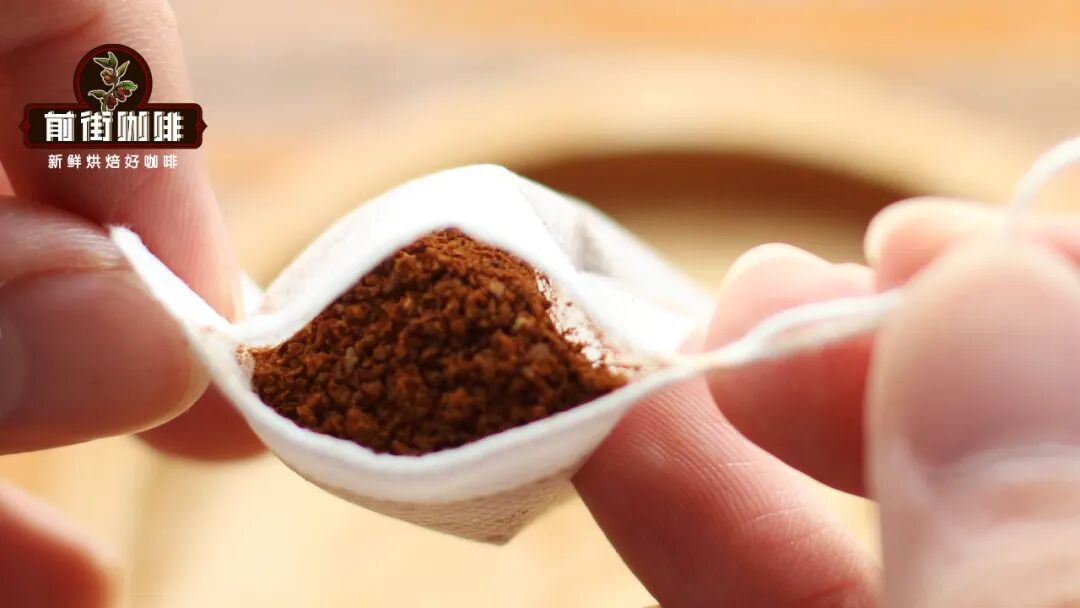
For the size of the non-woven filter bags, Front Street purchased a mini version of 5.5 * 7cm online, which can just hold 10g of medium-light roasted coffee grounds, while the drip bags sold daily in the store consist of a layer of coarse mesh non-woven fabric and a layer of fine non-woven fabric, measuring 7.5 * 9cm as a rectangle before unfolding, with each bag also holding 10g of grounds.
This round of comparison will use Front Street Duncan Estate · Caturra throughout. The unique geographical conditions of the Panama producing region, combined with the sun-dried processing method, give this coffee a diverse and delicate floral and fruity charm, accompanied by a honey-like sweetness. However, due to the limited quantity of this batch, it is currently only available for brewing and sale at Front Street stores.
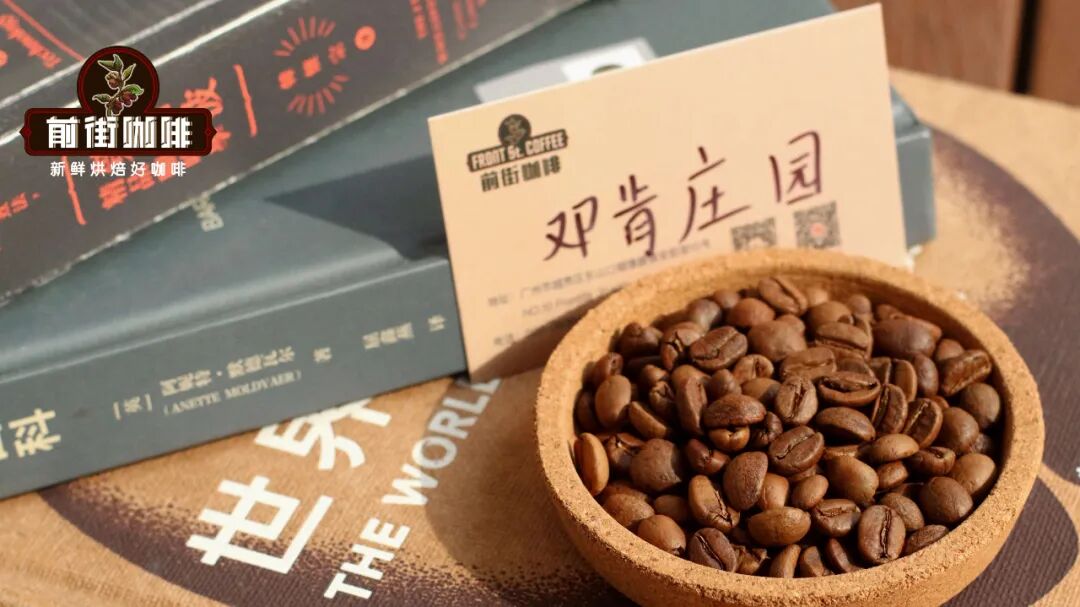
The grind size is consistent with pour-over, both at EK43s grinder setting 9.5 (hand grinder C40 setting 24).
Making hot coffee with teabag and drip bag
Hot brew parameters for drip bag coffee: 10g coffee grounds, coffee-to-water ratio 1:15, water temperature 93℃, pour in three stages with a small stream150hot water. For the first stage, Front Street will use20ghot water to wet all the coffee grounds, wait a while, then pour the second stage65g, and by the end, it just reaches the filter bag's8full mark, wait for all the coffee liquid to drip through, then use the same method to pour the final stage65g.

Hot brew parameters for teabag coffee: 10g coffee grounds, coffee-to-water ratio 1:15, water temperature 93℃. Front Street first puts the coffee packet into the cup and pours in all at once150ghot water. Since the fineness of the filter bag is unknown, the steeping time depends on the situation.
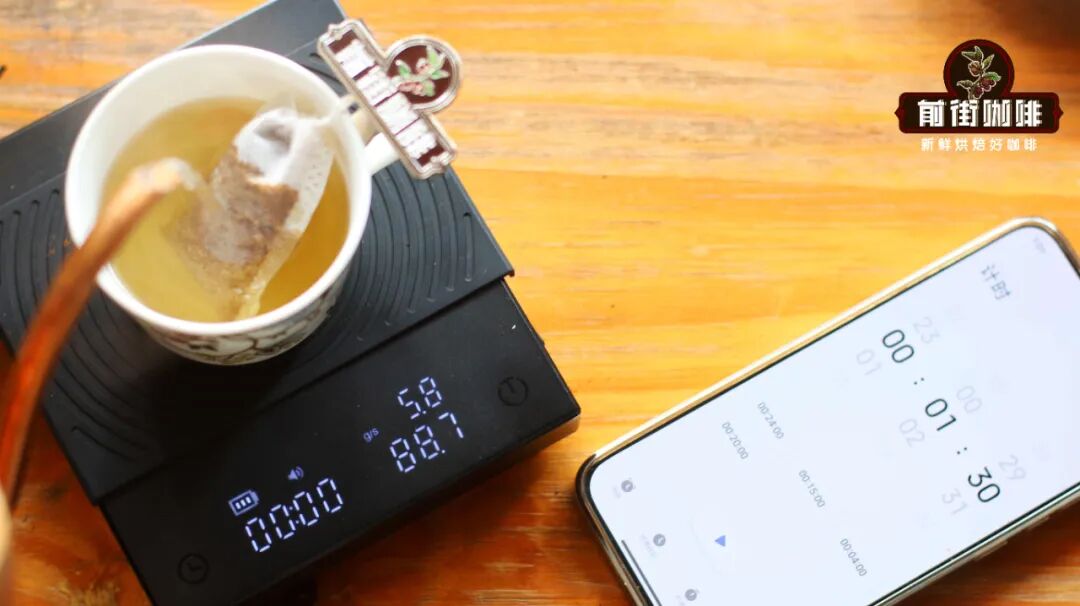
The result showed that under the "obstruction" of the non-woven fabric, the coffee grounds and hot water are isolated from each other, making it hard to release too many soluble substances in a short time, so the time needs to be extended to bring back the concentration and extraction yield. After waiting bitterly for20minutes, Front Street found that the coffee temperature was already far below50℃, but the concentration was still far from the expected effect, so Front Street chose to give up.
Sure enough, tasting revealed obvious differences between the two: the Duncan Caturra brewed with the drip bag has a clear tropical fruit aroma, with strawberry, dried mango, and pineapple sour-sweetness on the palate, the preserved fruit aroma is particularly full, and after swallowing, a clear grape note lingers in the mouth; while the coffee "steeped" in the teabag version tastes noticeably weak, with a slight preserved fruit and faint floral note on the palate, low acidity, and then nothing else...

Making cold brew with teabag and drip bag
Considering that the coffee grounds themselves absorb water, Front Street uses 20g of grounds for cold brew here. The specific parameters are: drip bag coffee/teabag coffee 20g, coffee-to-water ratio 1:11, room temperature water 220g, steeping time 8 hours.
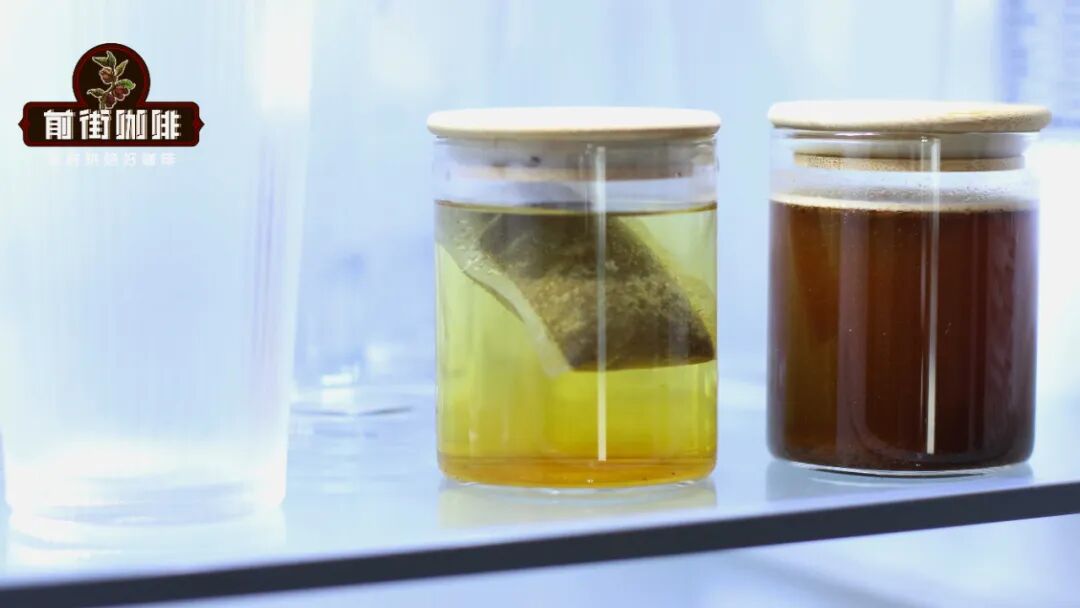
Operation method for drip bag cold brew: prepare a sealable container, tear open the drip bag and pour in all the coffee grounds, then add 220g of room temperature water and stir well, seal it and put it directly into the refrigerator. During this time, you can stir the grounds layer appropriately to make the extraction more complete. After refrigerating for 8 hours, use a filter bag/filter paper to strain out the grounds and it's ready to enjoy.
The cold brew method for teabag coffee is relatively simpler. Directly throw the two prepared coffee packets into a clean container, pour in 220g of room temperature water, seal it and also put it directly into the refrigerator, remembering to turn them appropriately during the process. Since the coffee grounds are already "packaged" in advance, the coffee liquid after extraction doesn't need filtering—just take out the coffee packets and discard them.

The above content is compiled by CoffeeHunters, a coffee news website.


