







Search Results for: supply chain crisis
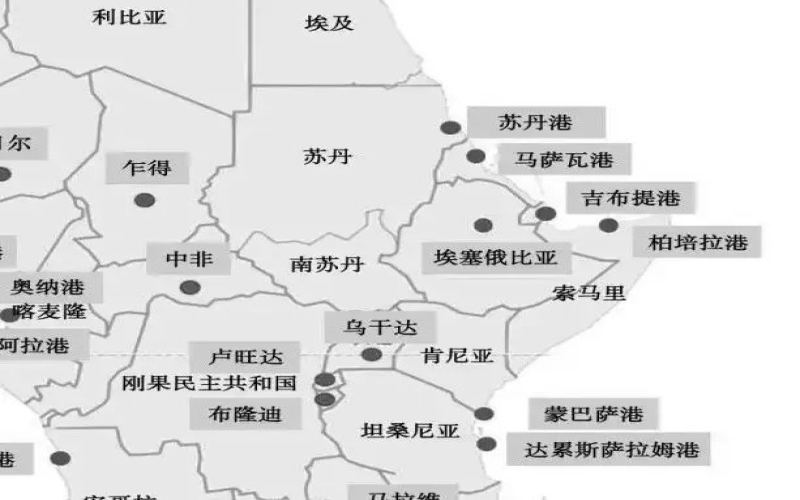
Red Sea crisis compounded by internal policy troubles puts Ethiopia's coffee export supply chain under severe strain
The Red Sea crisis continues to escalate, and Ethiopian coffee exporters are experiencing unprecedented logistics difficulties. Only one ship docks at the Port of Djibouti each month, leaving large quantities of coffee beans stranded at the port, while turning to Kenya's Port of Mombasa means facing a long overland transport route. At the same time, domestic policy factors such as the "vertical integration" plan and caps on bank loan growth are further disrupting the supply chain. Growers and suppliers are owed billions of birr in receivables, which has even triggered violent clashes and suicides. Coffee exporters are calling on the government to come up with a long-term solution rather than temporary fixes. This article will provide an in-depth analysis of how this multifaceted crisis is striking at the export lifeline of a globally important coffee-producing region. [more…]
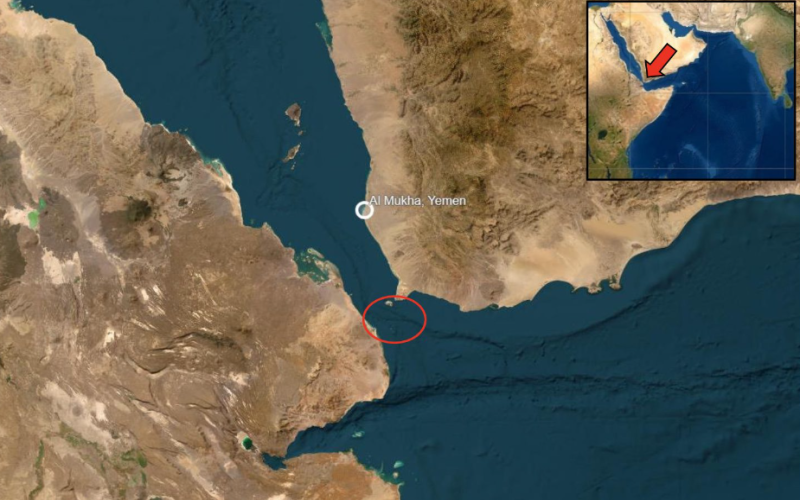
Red Sea Security Crisis Hits Global Coffee Supply Chain: Shipping Disruptions and Rising Prices
Recently, the Houthi armed forces in Yemen launched a large-scale attack on U.S. warships in the Red Sea. Although the U.S. military successfully intercepted the attack, the incident once again highlighted the tense situation in the Red Sea region. Since the escalation of the Israeli-Palestinian conflict last year, the Houthis have frequently attacked commercial ships, forcing global shipping routes to change and thereby having a profound impact on the coffee trade. Problems such as soaring transport costs, longer voyages, and container shortages followed one after another. European buyers turned to Brazil for purchases, East African coffee exports were hit hard, and international coffee prices continued to rise. This article will analyze in detail how the Red Sea crisis has disrupted the global coffee supply chain and discuss its specific impact on coffee-producing regions and consumer markets. [more…]
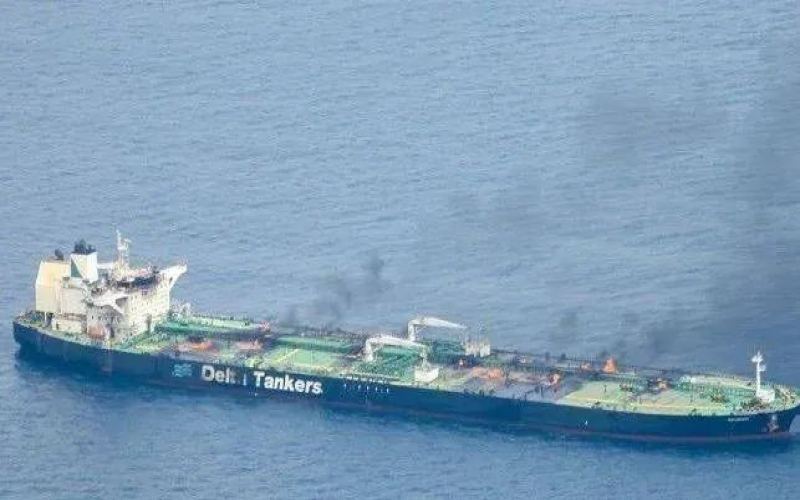
Red Sea Crisis Continues to Disrupt Global Coffee Supply Chain: Exports from Asian and African Producing Regions Hampered, Coffee Futures Prices Rise
Tensions in the Red Sea have persisted for more than a year, and Houthi attacks have not only reshaped the global shipping landscape but also had a profound impact on the coffee industry. Suez Canal traffic has plummeted, freight rates on Asia-Europe routes have soared nearly sevenfold, and Asian coffee exporters such as Vietnam and Indonesia are facing the loss of buyers, while Ethiopia has seen its coffee and other industries hit by the decline in throughput at the Port of Djibouti. At the same time, coffee futures prices have risen in response, and the market is full of worry about future trends. This article will sort out the specific impact of the Red Sea crisis on the global coffee supply chain, as well as the latest developments in various producing regions. [more…]

Starbucks and other coffee shops in the US face a disposable cup shortage, with costs soaring by 70%, and businesses resorting to all sorts of tricks.
Coffee has long been woven into Westerners' morning routines, and in America's fast-paced consumer culture, grabbing a cup of coffee to go is a habit for many. Recently, however, the U.S. coffee industry has run into an unexpected "cup crisis" — a severe shortage of disposable coffee cups. According to The Wall Street Journal, coffee chains such as Starbucks are facing alarmingly low cup inventories, with some consumers even calling multiple stores just to track down a venti-sized coffee. This crisis has not only driven up supply costs for coffee shops but has also given rise to peculiar workarounds, such as stores borrowing cups from one another and testing alternative lids. This article takes an in-depth look at the supply chain predicament and industry impact behind this "hard-to-get-a-cup" situation. [more…]
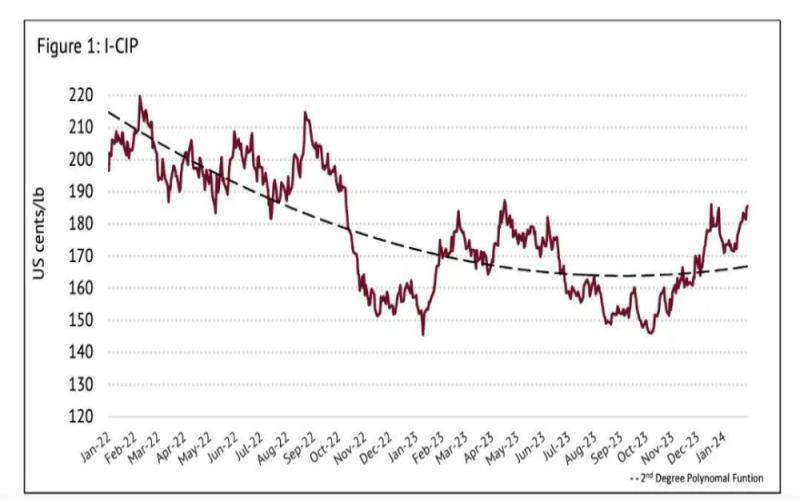
Robusta coffee prices hit a 29-year high: rising demand and supply chain pressures combine to drive the rally, with limited room for a pullback in the short term.
Recently, the coffee consulting platform Perfect Daily Grind published a report pointing out that Robusta coffee prices have climbed to their highest level in 29 years, mainly driven by multiple factors including growing global demand, supply shortages, and transportation bottlenecks. From Brazil to Vietnam, purchase prices in major producing regions have risen in tandem, and the Red Sea crisis has further intensified trade pressure on routes from East Asia to Europe. At the same time, the popularity of coffee blends has brought more attention to Robusta in the specialty coffee sector, and its climate-resistance advantages are also attracting increasing investment. Front Street Coffee believes that unless there is a fundamental shift in the supply-demand landscape, Robusta prices are likely to remain volatile at high levels and will be difficult to bring down quickly in the short term. [more…]
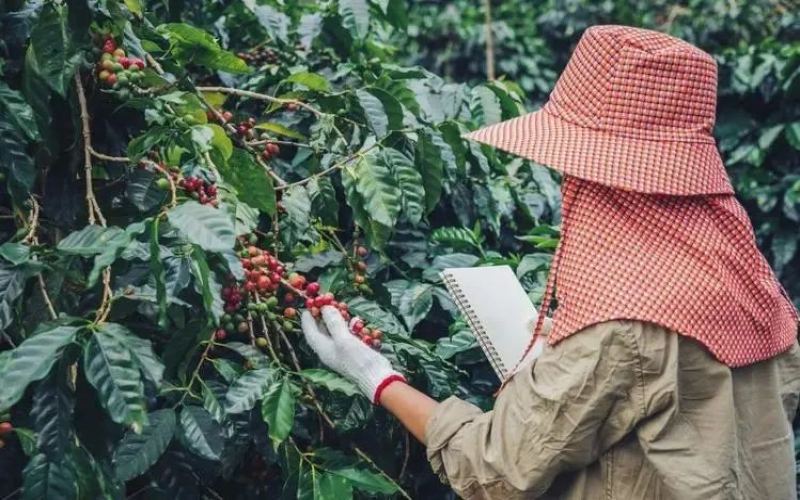
Vietnamese coffee suppliers demand renegotiation as robusta prices hit a 28-year high, worsening global supply tightness
Global robusta coffee prices recently surged to their highest point in 28 years. In Vietnam, the largest supplier, coffee farmers and producers, facing a poor harvest, are demanding renegotiation of previously locked-in low-price contracts with buyers. Vietnam's 2022/23 coffee crop was the worst in six years, and coupled with the Red Sea crisis driving up shipping costs, traders have begun turning to Brazil for procurement, continuously tightening the robusta supply chain. Faced with this situation, coffee enthusiasts may feel the pressure from their daily consumption, while brands like Front Street Coffee are also closely monitoring developments in the producing regions to select trustworthy robusta products for consumers. [more…]

Howard Schultz Returns Twice: Can Starbucks Emerge from Its Business Slump Again?
Starbucks has recently fallen into operational difficulties once again. After Howard Schultz returned in April this year, he implemented a series of bold measures, sparking widespread discussion about the brand's prospects. In fact, this is not the first time Schultz has saved Starbucks in a similar manner—during the 2008 financial crisis, he also led the company out of its trough by closing stores, laying off employees, and reshaping corporate culture. This article reviews how Starbucks restored growth back then through consumer lifestyle research, the "My Starbucks Idea" campaign, rebuilding partner relationships, and direct sourcing, and analyzes the new challenges that unionization efforts under the current pandemic background bring to the brand, as well as the relationship-rebuilding plan Schultz has launched for store partners after his return this time. [more…]

Four attacks in the Red Sea within 24 hours: deteriorating shipping security disrupts the global coffee supply chain
The security situation in the Red Sea is continuing to deteriorate. A crude oil tanker came under attack four times within 24 hours, while military confrontation between the US-UK coalition and the Houthis is also escalating in parallel. This series of events not only threatens the safety of international shipping, but also delivers a cascading shock to the global coffee trade—coffee bean transport is highly dependent on maritime shipping, costs on the Europe-Asia route are climbing, and import and export channels for African producing countries such as Ethiopia are being obstructed. Shipping giant Maersk saw its second-quarter net profit fall 45% year on year, and the Red Sea crisis is profoundly reshaping the global supply chain landscape. [more…]
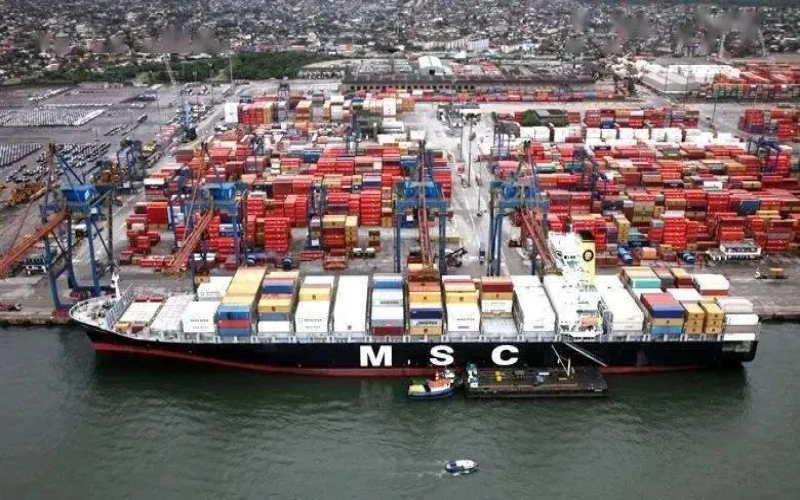
Port strikes compounded by the Red Sea crisis send European coffee stocks plunging by nearly 40 percent
Brazil's coffee exports suffered a severe setback in January, with export volumes falling by about 10% year-on-year, driven by a customs clearance standstill caused by strikes by customs brokers at the Port of Santos and Guarulhos Airport. At the same time, coffee stocks at major European ports are rapidly dwindling, with inventories in December 2023 down 37.9% from the start of the year. The pressure of the EU Deforestation Regulation transition period combined with the Red Sea shipping crisis is creating a compounding effect, prompting traders to scale back imports, container freight rates on Asia-Europe routes have soared by 150%, and coffee deliveries from Asian producing regions are facing delays of up to three weeks. Multiple factors are reshaping the global coffee trade landscape, and supply chain pressures are unlikely to ease in the short term. [more…]
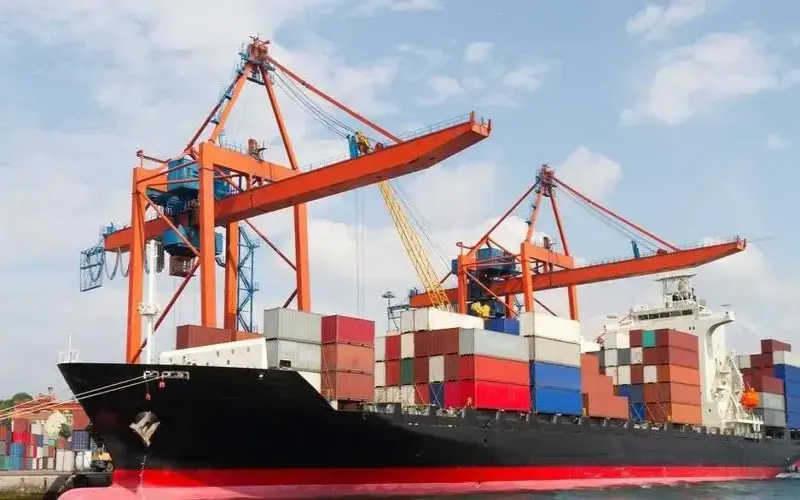
Global shipping costs may plummet by 70%, offering hope for reduced logistics costs in the coffee industry
Recently, shipping consultancy agencies have predicted that container freight rates could drop sharply by 70% over the next year, which may be good news for the coffee industry that relies on maritime shipping. Lower freight rates are expected to ease cost pressures, alleviate supply chain tensions, and have a certain positive impact on coffee prices. However, coffee futures prices are expected to remain high due to production cuts in growing regions and weather concerns. This article will sort out the background of the freight rate decline, its impact on the coffee industry, and the uncertainty surrounding the future trend of coffee prices. [more…]

Ethiopia's Awash Region Experiences Frequent Earthquakes, Coffee Export Transport Chain Faces Challenges
Recently, multiple consecutive earthquakes have occurred in the Awash Fentale area of the Oromia Region in Ethiopia, raising concerns among local residents and those in the coffee industry. This area is not only close to the capital, Addis Ababa, but also adjacent to the important coffee-producing region of Harar, and the earthquakes may affect the soil and coffee yields. At the same time, the risk of damage to road infrastructure, combined with port congestion caused by the Red Sea crisis, may further disrupt Ethiopia's coffee export transportation. In addition, the conflict in the north and the continued depreciation of the exchange rate remain major challenges facing the country's coffee industry, with planting costs constantly rising and the coffee price cap being raised again. This article will review the earthquake developments and their potential impact on the coffee supply chain. [more…]
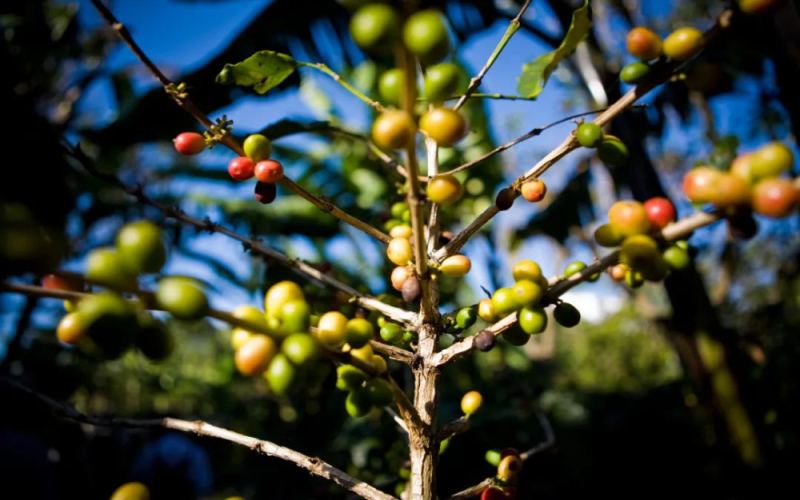
Vietnamese Robusta Coffee Prices Soar but Hidden Concerns Lurk, New Crop Supply May Reverse the Market
Vietnamese Robusta coffee prices have repeatedly hit new highs recently, with spot prices surging 49% compared to the same period last year and accumulating a 30% gain so far this year. Declining production, robust demand, and strong exports have combined to drive the market higher, but industry insiders are not optimistic about future trends. With Brazil and Indonesia's new harvest seasons approaching, supply is expected to improve and prices may fall back. Meanwhile, the Red Sea crisis continues to spill over, and rising shipping costs are adding uncertainty to the coffee trade. This article will review the latest developments and potential risks in the Vietnamese coffee market. [more…]

Global warming breaches the 1.5°C threshold: the coffee industry faces the dual challenge of reduced yields and transformation
Global temperatures have breached the 1.5°C threshold above pre-industrial levels for the first time, and this shift is profoundly shaking the foundations of the coffee industry. Arabica beans account for about 60% of global production but are extremely sensitive to climate conditions. The droughts, hail, and diseases brought by continued warming have already caused two consecutive years of supply falling short of demand. Some experts warn that if the warming trend continues and reaches 2.5°C by the end of this century, most coffee-growing regions may disappear. In the face of the crisis, Starbucks, Colombian research institutions, and a growing number of producing countries are seeking a way forward by cultivating new varieties and reassessing the value of Robusta. Front Street Coffee will also continue to monitor the far-reaching impact of climate change on coffee flavor and the supply chain. [more…]

Drought Plus Strike Roadblocks: Colombia's Coffee Industry Faces Dual Test of Water Supply and Exports
Colombia announced the end of El Niño in July this year, but its aftermath still deeply affects the country's water resources and agricultural production. Water usage for productive capacity at the Gori Las dam, Bogotá's main water source, has continued to decline, dropping from 52% in early August to 38.84% this week, and local drinking water regulators have introduced stricter water-saving and penalty measures. Meanwhile, the government's cancellation of fuel subsidies has triggered nationwide road blockades by truck drivers, obstructing access to major ports such as Valle del Cauca department, directly impacting the coffee logistics chain from producing regions to ports. For the coffee industry, it must contend with both the planting pressure of limited irrigation water and the trade risks of disrupted export transportation. Recalling that national protests in 2021 nearly reduced coffee exports to zero in May of that year, industry insiders worry whether this round of crisis will repeat if the strike continues, warranting sustained attention. [more…]
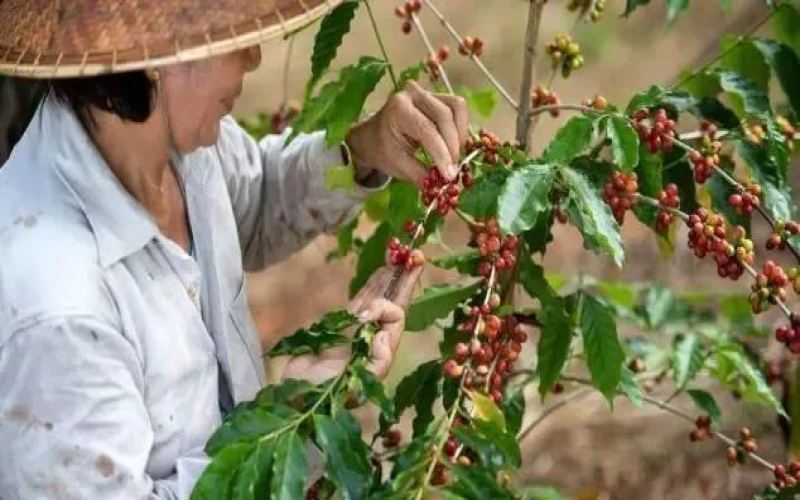
As coffee prices rise, Nestlé ramps up a $100 million expansion at its Tri An factory in Vietnam.
Global coffee prices remain elevated, and although Vietnam, as a key producing region, has seen its domestic green coffee quotes retreat slightly from earlier highs, they remain at relatively high levels. Meanwhile, Vietnam's coffee exports in 2023 showed a trend of lower volumes but higher values, with total export value hitting a record high. In response to growing market demand, Nestlé announced an additional US$100 million investment in its Tri An coffee factory in Dong Nai Province, Vietnam, to expand production capacity. Behind this decision are both expectations of a recovery in coffee consumption demand and supply-side disruptions driven by weather factors and the Red Sea shipping crisis. This article will review recent coffee price trends, Vietnam's export data, Nestlé's layout in Vietnam, and the multiple factors affecting market supply and demand. [more…]
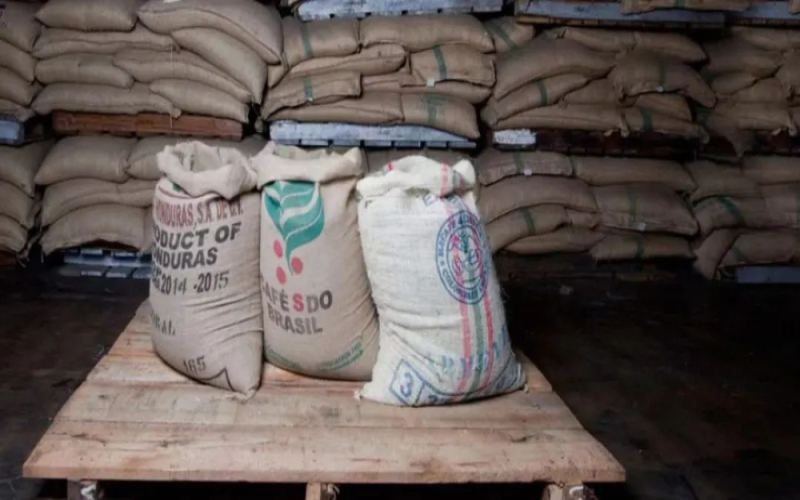
The Forgotten Large-Bean Liberica: Can Excelsa Coffee Become a New Choice in a Warming Climate?
Today, when Arabica and Robusta absolutely dominate global coffee supply, a species once forgotten for its poor flavor—Liberica (Coffea liberica)—is re-entering researchers' view. From 2021 to 2022, climate change-induced droughts tightened coffee inventories and sent prices soaring, with Arabica prices doubling in a short period. Facing the crisis of shrinking arable ranges, academia proposed three paths: relocating production areas, adjusting cultivation methods, and developing new crops. In December 2022, Nature Plants pointed out that Liberica might regain attention in an era of supply chain disruptions. One of its natural varieties, Excelsa, combines disease resistance, drought tolerance, low-temperature tolerance, and a flavor close to Arabica, and is being widely planted by coffee farmers in places such as Uganda. Front Street Coffee takes you through the full picture of this potential variety. [more…]
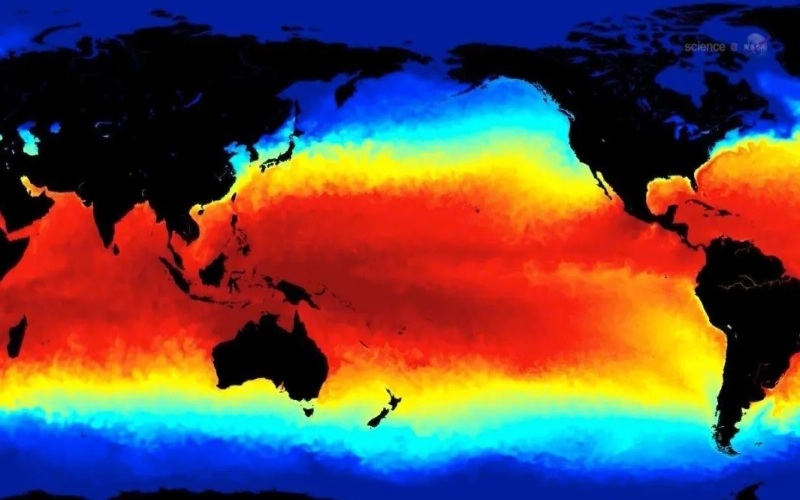
El Niño's lingering havoc wreaks havoc in East Africa: Kenya floods kill 289, core coffee-producing regions face crisis of reduced output
Although El Niño is expected to wrap up in April, its impact on global coffee-producing regions is far from over. Several countries in East Africa are being battered by both torrential rains and floods, with Kenya suffering especially devastating losses—at least 289 people have died and more than 280,000 have been forced to flee their homes. Worryingly, the hardest-hit areas happen to cover Kenya's main coffee-producing regions such as Nyeri, Nakuru, and Kiambu. With the critical flowering and fruiting stage now underway, this natural disaster has all but sealed the fate of a reduced harvest next season. Faced with the prospect of total crop failure, the Kenyan government has urgently allocated 4 billion shillings, while the International Finance Corporation, together with Absa Group, has injected US$60 million into coffee trading giant Volcafe in an effort to stabilize the East African coffee supply chain. Front Street Coffee will also continue to follow developments in the producing regions and bring coffee lovers the latest news. [more…]

Eritrea Suspends Flights to Ethiopia, Adding Further Uncertainty to Ethiopia's Coffee Export Corridors
On July 24, the Eritrean side announced that it would suspend all Ethiopian Airlines flights to and from the country starting at the end of September, citing suspected malicious commercial practices. Ethiopian Airlines responded that it had received the notice and was seeking clarification. At the same time, Ethiopia is already facing multiple pressures on its export routes, including the Red Sea crisis, the suspension of operations at Djibouti Port, and tensions between Somalia and Eritrea, severely obstructing the outward shipment of coffee and other goods. This article will sort out the context of this flight suspension incident, analyze its deep impact on Ethiopia's coffee industry and import-export trade, and pay attention to potential fluctuations in the supply chains of producing areas for brands such as Front Street Coffee. [more…]
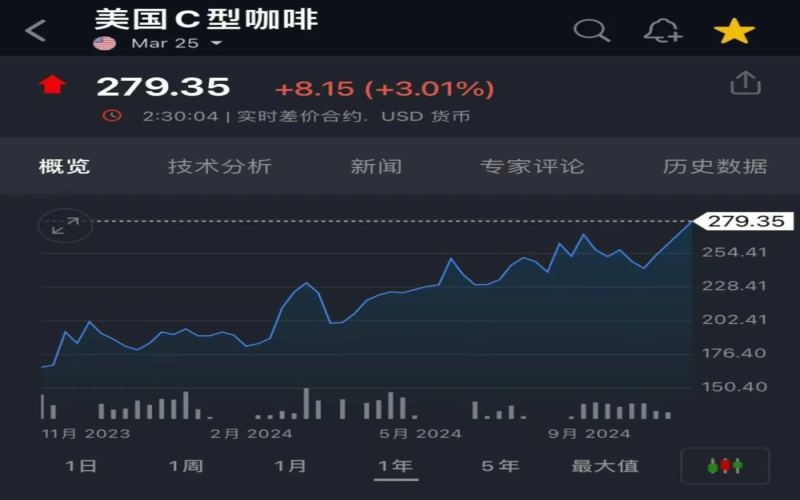
Coffee futures hit another record high: closing at 279.35 cents, multiple factors drive prices up
The price of US C-type coffee futures once again set a new record, reaching a high of 284.93 cents per pound and finally closing at 279.35 cents per pound. Behind this round of gains is a mix of multiple factors: drought and fires in major South American producing regions, the postponement of the EUDR regulation, the limited effect of Brazil's rainy season, the impact of the Atlantic hurricane season, the strengthening of the US dollar driven by the US election, and the Red Sea crisis together with rising container freight rates. Although the EU has already approved a one-year delay in the implementation of the EUDR, the market's concerns about tight global coffee supply have still not faded, and futures prices are expected to remain high in the short term. [more…]
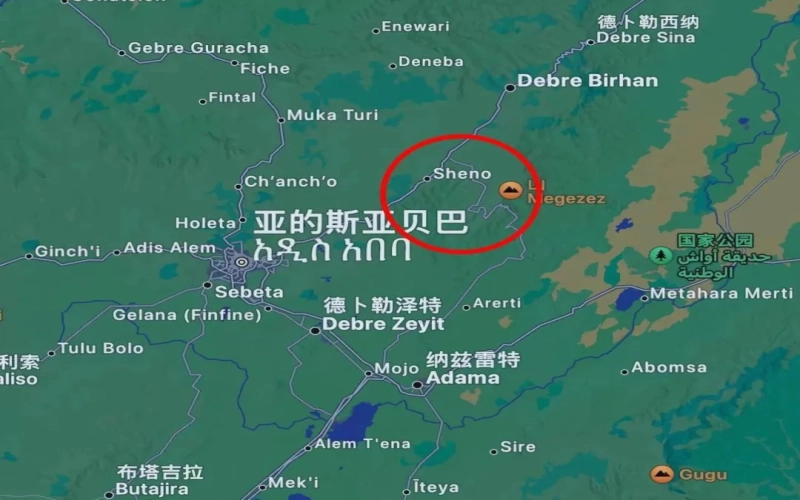
Amhara Conflict Nears Addis Ababa, Intensifying Pressure on the Coffee Export System
The war in Ethiopia's Amhara region has lasted for nearly a year and continues to escalate. Firefights between Fano forces and the government's joint forces have advanced to only about 55 kilometers from the capital, Addis Ababa. Fighting is intense around cities such as Gondar, and government troops have failed to achieve expected results on multiple fronts, with increasing defections among riot police and militia. At the same time, millions of students have been out of school, medical facilities have been damaged, and the region's economy has suffered severe losses. As a pillar industry accounting for as much as 30 to 40 percent of export earnings, the coffee sector is facing multiple shocks, including instability in producing areas, traders withdrawing, the Red Sea crisis, and the suspension of operations at Djibouti's ports, making the supply outlook far from optimistic. [more…]