







Why does the Amhara conflict threaten the coffee industry?
Fighting in Ethiopia's Amhara region between Fano forces and joint government forces has moved to roughly 55 kilometers from Addis Ababa, with clashes around Gondar and reports that riot police and militia members are defecting. Coffee accounts for an estimated 30 to 40 percent of Ethiopia's export earnings, and the war is disrupting that.
Traders are withdrawing from production areas, and the Red Sea crisis combined with suspended operations at Djibouti ports has added shipping problems. Millions of students are out of school and medical facilities are damaged, so the supply outlook for Ethiopian coffee remains uncertain as the conflict continues.
The war in Ethiopia's Amhara region has lasted for nearly a year and continues to escalate. The clashes between Fano forces and the joint government forces have advanced to only about 55 kilometers from the capital, Addis Ababa. Fighting is intense around cities such as Gondar, and the government army has failed to achieve expected results on multiple fronts, with increasing defections among riot police and militia. Meanwhile, millions of students are out of school, medical facilities have been damaged, and the region's economy has suffered severe losses. As a pillar industry accounting for as much as 30% to 40% of export earnings, the coffee industry is facing multiple shocks, including instability in production areas, traders withdrawing, the Red Sea crisis combined with the suspension of operations at Djibouti ports, and the supply outlook is not optimistic.
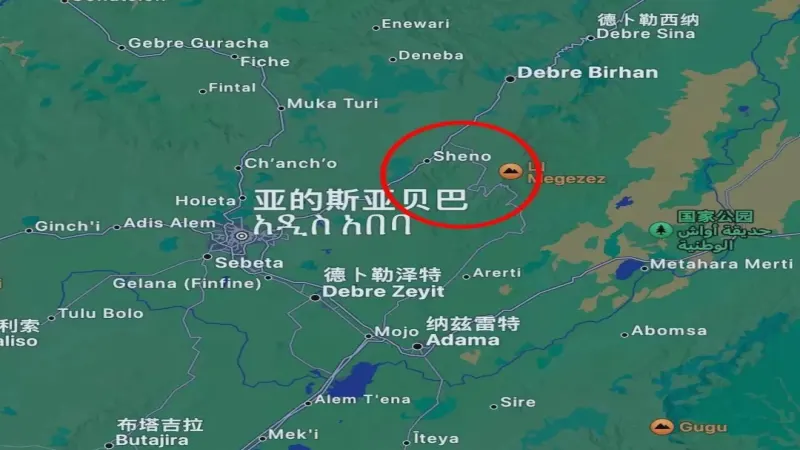
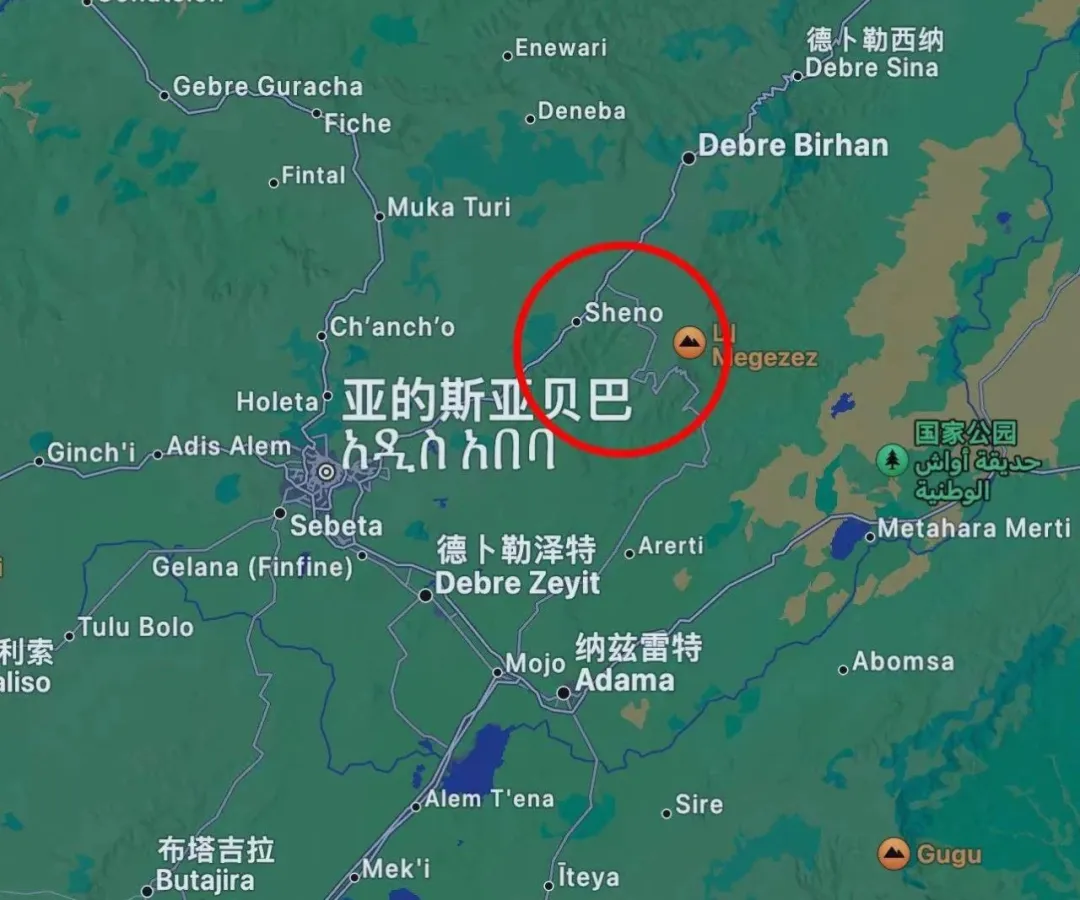
According to local Ethiopian media reports, fierce clashes broke out between Fano forces and the joint government forces composed of the Ethiopian National Defense Force and militia, and the location of this conflict is only 55 kilometers from the country's capital, Addis Ababa.
Since the Ethiopian government declared a state of emergency, the war in Amhara region has continued for nearly a year. Currently, there is not only no sign of subsiding, but it is showing a trend of further expansion. The security situation is worrying and has caused civilian casualties and other losses.
The report also pointed out that Fano forces and government forces began fighting on July 12 in Kormash town in Minjar district. According to the deputy head of public relations of the Fano Shewa Command, they exchanged fire with the joint government forces, but the joint government forces carried out indiscriminate shelling of the town, so Fano forces chose to retreat to avoid civilian casualties.
At the same time, in the Gondar city area of Amhara region, fierce fighting has been ongoing in recent days. Reports say Fano forces are close to controlling the city's airport. In addition, the guerrilla tactics used by Fano forces locally have caused obvious damage to the government army.
Although the federal government has tried to mobilize local militia and riot police to resist Fano forces, the effect has been minimal, and reports indicate that more and more riot police members and militia are choosing to defect and join Fano forces.
The federal government and the National Defense Force have always claimed victory over "extremist forces" in the Amhara region. However, according to local media reports, even if the government army launched large-scale offensives in these areas, it failed to achieve the expected results. Instead, Fano forces dealt a serious blow to the government side.
Therefore, reports point out that the government leadership in Amhara region is adjusting its position and believes that the war cannot continue. This is because currently millions of students in the Amhara region are out of school, and some medical facilities have been severely affected, resulting in serious economic losses and civilian casualties in the region.
Given the current situation, a civil war may break out again in the future, which will seriously affect the country's economy. Once a civil war breaks out, it may cause damage to the country's infrastructure, production capacity, and supply chains, restricting production and business activities, including damage to multiple industries such as coffee and tourism.
For the coffee industry, it is one of Ethiopia's important industries. Coffee accounts for 30%-35% of the country's export earnings. Therefore, the government needs to earn foreign exchange through coffee exports to buy weapons, and may increase coffee exports. However, the outbreak of civil war may damage some infrastructure or road facilities, and the war may affect some coffee-producing areas, leading to reduced production and quality decline. In addition, with the outbreak of civil war, incidents such as kidnapping often occur locally, and the security situation is severe. Coffee traders are reducing their trips to the area, which also hinders the development of Ethiopia's coffee industry.
In addition, exports are currently a major problem, all because of the Red Sea crisis, which has blocked Djibouti port, Ethiopia's only export outlet. Earlier, MSC, the company responsible for 80% of the port's imports and exports, announced the suspension of its Djibouti port operations, which will seriously affect Ethiopia's coffee supply.
The above content is compiled by CoffeeHunters, a coffee news website.


