







Search Results for: steam wand position
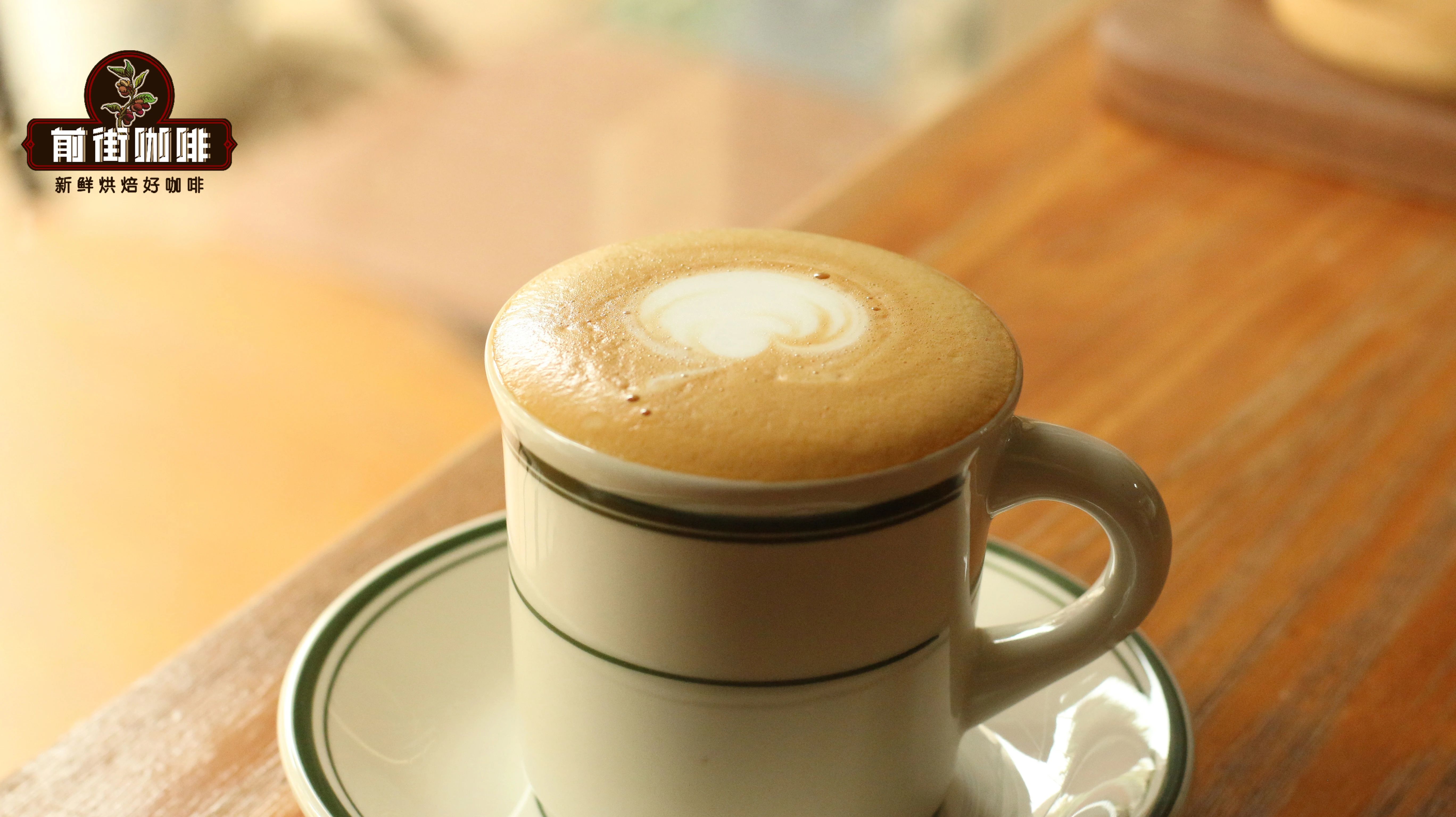
Latte Art Milk Foam Steaming Time and Texture Analysis: Pitcher Angle, Swirl Technique, and Espresso Pairing Recommendations
To create beautiful latte art, both the quality of the steamed milk foam and the quality of the espresso are indispensable. This article focuses on the most common problems beginners encounter when steaming milk, explaining in detail the insertion depth of the steam wand, the principles of aeration and texturing, how to create a vortex by controlling angle and position, and the advanced technique of aeration and texturing simultaneously. At the same time, Front Street also recommends classic blends and dark cocoa blends suitable for beginners and for café use, helping you easily extract espresso with golden crema at home and laying a solid foundation for latte art. [more…]
The Complete Guide to Steaming Milk for Espresso Machines: From Beginner Steps to Milk Froth Texture Assessment and Latte Art Techniques
Want to make a latte at home with an espresso machine? Steaming silky, smooth milk foam is a key step. Many people think steaming milk is as simple as sticking the steam wand into the milk, but in practice they often run into problems like splashing milk, coarse foam, and overheated milk. This article starts with how to use the steam wand correctly and then breaks down the complete milk-steaming process step by step, including how to purge condensate from the wand, how to find the right air-intake position, when to bury the nozzle deeper, and what temperature range is most suitable. It also shares tips for judging foam quality and things to watch out for in the daily cleaning of the steam wand. The equipment-selection advice and operating details mentioned in the article are useful reference for both beginners and advanced enthusiasts. [more…]

What should you do if your latte milk foam isn't fine and smooth enough? A detailed explanation of steam frothing vortex techniques
Many coffee enthusiasts, when making latte art, most often encounter the problem of coarse milk foam that is not fine and smooth enough. In fact, the key to producing ideal dense milk foam lies in understanding how the steam wand works and how to create a stable vortex. This article will start with the principles of steam heating and foaming, gradually break down the core steps of air intake and texturing, and share practical tips for completing steaming and texturing at the same time. Front Street Coffee will also combine everyday operating experience to walk you through key points such as the angle of the milk pitcher, the position of the steam holes, and liquid surface control, so that you can easily recreate silky latte art foam at home. [more…]
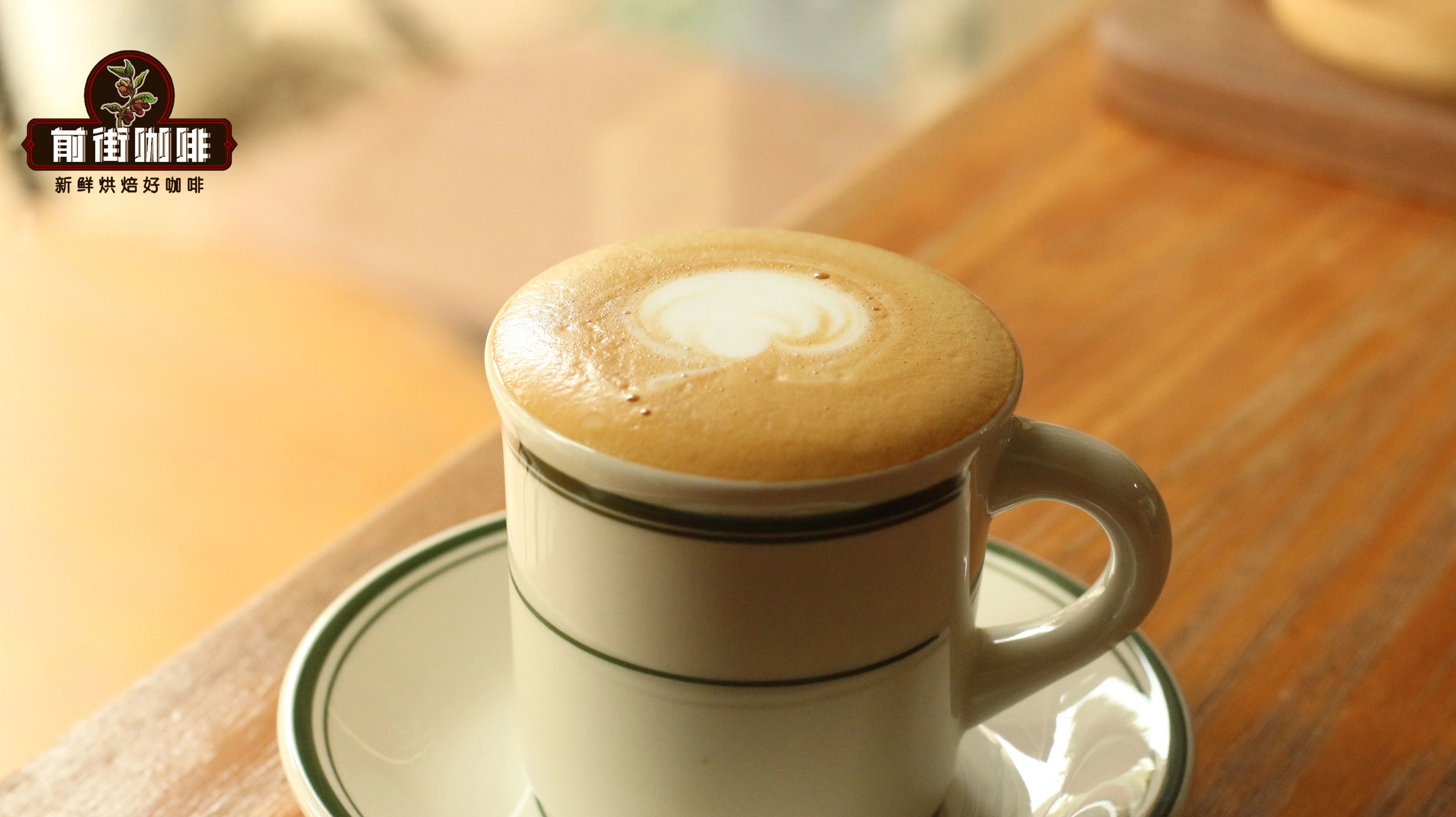
How to Steam Milk Foam for Latte | Latte Milk Foam Beginner Tutorial: How do you steam milk foam suitable for latte art?
Front Street Coffee has previously shared detailed knowledge about steaming milk foam. However, recently a friend sent some videos of steaming milk foam and asked Front Street Coffee for some advice. These problems happen to be quite common among beginners steaming milk foam, so we'll specifically discuss a few points to pay attention to when steaming milk foam. First category, after steaming. [more…]
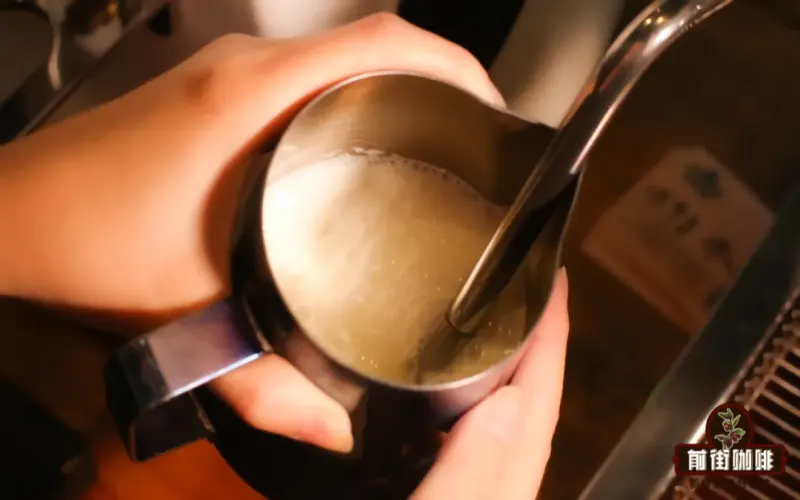
The Complete Guide to Steaming Milk Foam for Espresso Lattes: Thickness Control and Beginner-Friendly Practical Techniques Explained
Want to make dense, smooth latte milk foam but keep struggling with coarse large bubbles and uncontrollable temperature? This article starts with the historical origins of milk foam, systematically breaks down the thickness control principles of espresso milk foam, and guides you through understanding the two key stages: "aeration" and "texturing." Front Street Coffee will demonstrate step by step the practical details of steam wand angle, air intake point selection, and temperature control, and share money-saving tips for practicing with ice water. Whether you are a complete beginner or an enthusiast looking to refine your latte art skills, this tutorial can help you avoid common pitfalls and consistently create fine, delicate milk foam suitable for latte art. [more…]

From Milk Frothing to Heart Patterns: A Complete Beginner's Guide to Latte Art and Practical Tips
Many people who are just getting into coffee are drawn in by latte art, thinking that a casual pour will produce a heart or a tulip, but once they actually try it, they discover the milk always floats on the surface in clumps. In reality, latte art isn't as mysterious as it seems—the key lies in whether the milk foam's condition, the pouring technique, and the pitcher-holding posture are all on point. Today, Front Street Coffee will start with milk steaming and break down the entire latte art process step by step, including the steam wand's position and depth, the appropriate steaming temperature, methods for practicing pouring, the details of holding the pitcher and the cup, and finally a discussion on how to practice efficiently. Whether you're a complete beginner or someone who just can't seem to pour a pattern, this article will help you find where the problem lies. [more…]
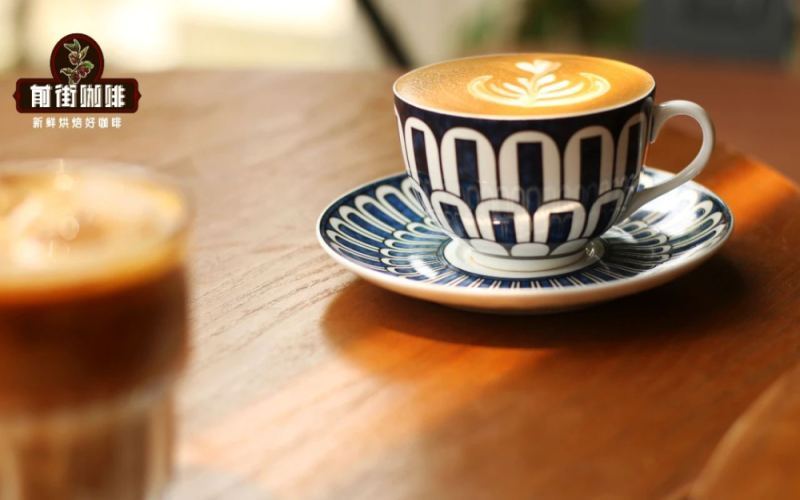
Why Can't You Pull Lines in Latte Art Etching? Mastering Milk Foam Thickness and Steaming Technique Is Key
Many coffee enthusiasts try latte art themselves after watching videos, only to find that they just can't get the rippled lines to come out. In fact, the problem usually lies in the milk foam—ripple patterns place extremely high demands on the thickness and denseness of the milk foam. Drawing on the hands-on experience of Front Street Coffee, this article explains in detail how to steam thin yet dense milk foam suitable for ripple patterns by controlling the position of the steam wand, the steaming angle, and the amount of air intake, and summarizes four common problems—over-blending, foam that is too thin, the pitcher spout touching the cup, and uneven swirling—to help you find the real reason your latte art is failing. [more…]

Six commonly overlooked key details and pouring techniques for steaming latte milk foam
An outstanding latte art design relies on the support of fine, smooth milk foam. Many coffee enthusiasts, when practicing milk frothing, tend to focus only on the position of the steam wand and the aeration technique, while overlooking some details that determine success or failure. Today, Front Street Coffee will break down, one by one, the key points to pay attention to when frothing milk, covering six aspects: temperature control, milk refrigeration, purging the steam wand, angle adjustment, the number of times to tap the pitcher, and the practice of transferring the milk. Mastering these easily overlooked steps can help you reduce the chances of failure and take the density and fluidity of your milk foam to the next level. [more…]
Full Process Tutorial for Italian Coffee Latte Art Heart Pattern: Detailed Explanation of Milk Foam Steaming, Blending Techniques, and Pitcher Holding Posture
Want to make café-level heart latte art at home, but it always turns into a blob the moment you pour? The key actually lies in three elements: milk foam texture, integration technique, and pitcher grip. Front Street Coffee has systematically put together everything from steam wand positioning and milk frothing temperature control, to integration flow practice, latte art pitcher grip, and then to efficient daily practice methods, to help you conquer the heart pattern step by step. There is no mysticism in this article—it is all hands-on details you can practice, suitable for beginner coffee enthusiasts to follow along. [more…]

What milk to use for coffee | What milk to use for latte art with zero basics Italian latte art steps, techniques, pictures, video tutorial
Whether coffee is good or not can only be known once you taste it; but black coffee is at most just a cup of dark, unidentified liquid, so how can it entice people who don't drink coffee to want to try it? Let's not consider anything else, and focus only on what can be done with the coffee itself. Among milk coffees with added milk, latte art may be the first thing in all coffee drinks to capture [more…]
A Detailed Guide to Milk Frothing Techniques and Principles for Latte Art: Illustrated Video Tutorial and Analysis of Two Methods
Making milk foam is a crucial step in latte art, and the quality of the milk foam directly determines whether the latte art will succeed. This article, through diagrams and a video tutorial, explains in detail the principles of latte art and the specific techniques for making milk foam. It covers how to choose the position of the steam wand, how to judge the timing for introducing air and texturing the milk, and how to use the temperature of the milk pitcher and the sound as auxiliary indicators. It also provides two practical workflows for making milk foam—steaming first and then texturing, and steaming and texturing at the same time. In addition, the article recommends practicing alternately with dish soap and milk to help coffee enthusiasts quickly master the skill of consistently producing high-quality milk foam. Whether you are a beginner or an enthusiast hoping to refine your skills, you will find practical guidance here. [more…]
Coffee Latte Art Beginner Tutorial: Milk Frothing, Pouring Techniques, and Step-by-Step Guide to Heart, Tulip, and Rosetta Patterns
Many people who are just getting into coffee think latte art doesn't look that hard—isn't it just casually pouring out a heart or a tulip? But once they actually try it, they discover that the milk just pours out in blobs, and they can't even make the most basic heart shape. In fact, latte art isn't as mysterious as it seems. The key lies in mastering a few core steps: steaming a pitcher of milk foam with moderate flow, properly integrating the base, holding the pitcher and cup with the correct gestures, and then practicing repeatedly. This article will break down everything step by step, from positioning the steam wand, controlling milk foam temperature, practicing the integration pour, to how to hold the latte art pitcher, and will also include the key operating points for the layered heart, tulip, and rosetta patterns, helping coffee enthusiasts systematically get started with latte art techniques. [more…]
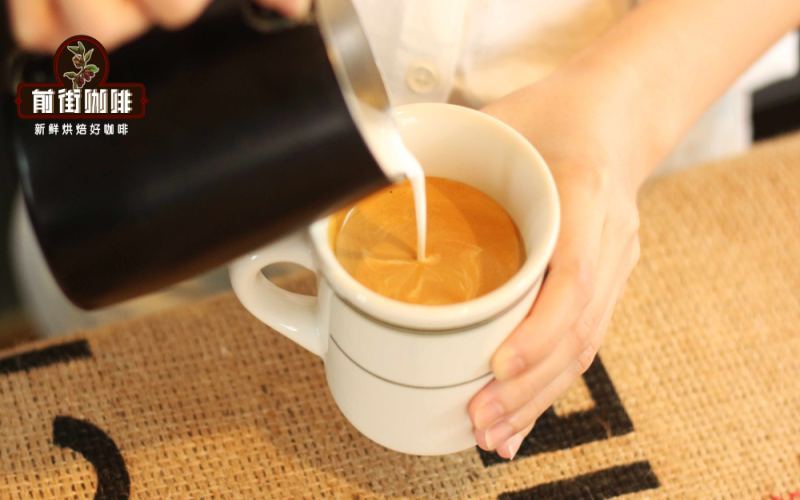
Learning Coffee Latte Art from Scratch: A Detailed Guide to Practical Techniques for Steaming Milk with a Steam Wand and Integrating Latte Art
Those new to coffee latte art often run into the same confusion: they watch others casually pour a beautiful heart or tulip, but when they try it themselves, the milk turns into clumps, and they can't even make the most basic pattern. In fact, latte art isn't as mysterious as it seems—the key lies in mastering a few core elements: milk frothing, the pouring technique, and the pitcher-holding posture. From the perspective of Front Street, this article systematically explains how to use a coffee machine's steam wand to create dense, well-balanced microfoam, how to choose espresso beans suitable for latte art, and the details to pay attention to during pouring and practice. It will also recommend Front Street Classic Blend, a bean suitable for beginners and for use in cafés, to help everyone take fewer detours on the road to practicing latte art. [more…]
Illustrated Latte Art Tutorial: Key Points on Milk Foam Thickness and a Full Analysis of Milk Selection
Many friends who are just getting into coffee think latte art looks simple—just pour casually and you'll get a heart or a tulip. But when they actually try it, they discover the milk always floats on the surface in clumps. In fact, the key to latte art lies in the condition of the milk foam, the pouring technique, and the way you hold the pitcher and the cup. This time, Front Street Coffee focuses on latte art, breaking down the operational details of each step—from the required foam thickness, steam wand positioning, and steaming temperature, to pouring practice and how to hold the milk pitcher—to help everyone avoid detours and pour a decent-looking pattern as quickly as possible. [more…]

Latte Recipe | How to Make a Coffee Shop-Style Latte? What's the Right Espresso-to-Milk Ratio for a Latte? Which Coffee Beans Make a Delicious Latte?
For more specialty coffee knowledge, please follow the WeChat official account: Front Street Coffee (FrontStreet Coffee). Latte coffee is one of our most common coffee drinks. At Front Street Coffee (FrontStreet Coffee), latte coffee is also the most popular espresso [more…]
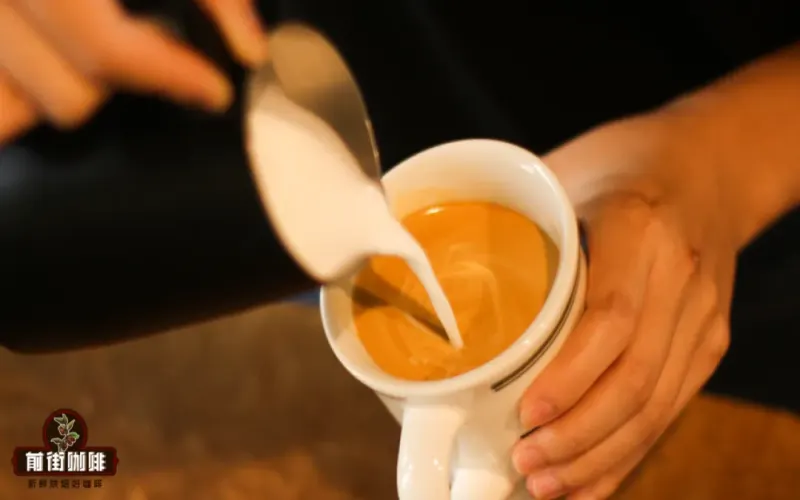
The Complete Guide to Steaming Milk for Lattes: How to Nail Temperature, Thickness, and Timing
To make a latte with dense, silky microfoam and a surface as smooth as a mirror for latte art, the quality of the milk foam is key. Starting from the working principle of the steam wand, this article explains in detail how to produce fine, glossy, free-flowing microfoam by adjusting the position of the steam tip, the frothing angle, and the immersion depth. It also explains the temperature standard for judging when frothing is complete (55-65°C), as well as how to fix the foam once large bubbles appear. Front Street Coffee also offers bean selection suggestions suitable for home practice based on the characteristics of its own espresso blend, and includes a complete six-step operating procedure to help beginners get started quickly. [more…]
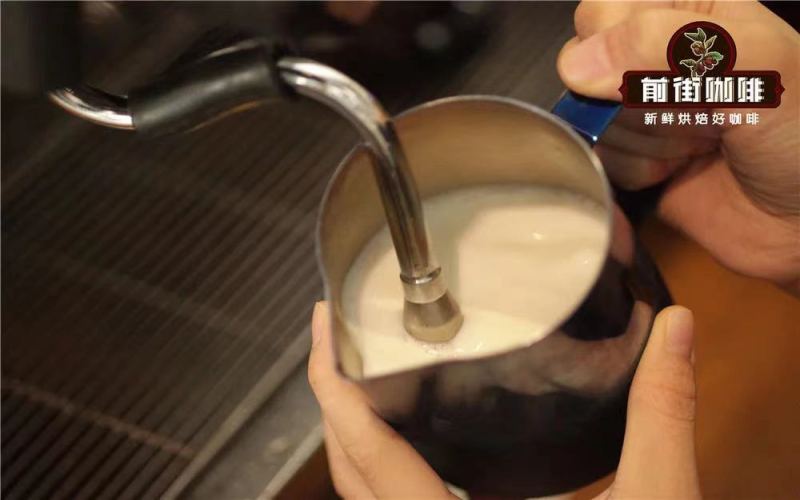
Milk Frothing Tutorial for Beginners | Why Does Milk Foam? How to Froth Milk for a Latte? What Are the Steps and Techniques for Latte Art Pouring and Integration?
At FrontStreet Coffee, steaming milk can be said to be a basic and core skill for every barista. Whether one can steam perfect milk is one of the factors used to judge whether a barista's level is up to standard. For example, the milk foam in a latte is on the thinner side, making it smooth and delicate to drink. The [more…]
A Complete Guide to Steaming Milk for Coffee Beginners: Principles, Tools, Steps, and Blending Techniques
To make a velvety, smooth latte or cappuccino at home, steaming milk is an unavoidable fundamental skill. This article starts with the principles of milk foam, first explaining the roles of the two stages—"aeration" and "texturing"—then compares the pros and cons of tools such as electric handheld frothers, manual frothing pitchers, hot/cold electric milk frothers, and espresso machine steam wands, with a key breakdown of the complete steam frothing process. The content covers the effects of milk fat and temperature, the choice of steam wand hole count and dryness, the considerations for pitcher size and shape, as well as practical tips on insertion angle, judging by sound, controlling aeration volume, and testing integration. The article also incorporates recommendations from Front Street Coffee, offering practice suggestions suitable for beginners. [more…]
Latte art tutorial | Why does milk foam? How can coffee beginners make latte art? What are the techniques for steaming milk for a latte?
Guide to Getting the Best Milk Foam, Why Does Milk Foam? Front Street Coffee (FrontStreet Coffee) - it can be said that steaming milk is a fundamental and core skill for every barista; whether one can steam perfect milk is a factor in judging whether the barista's skill level is up to standard. [more…]
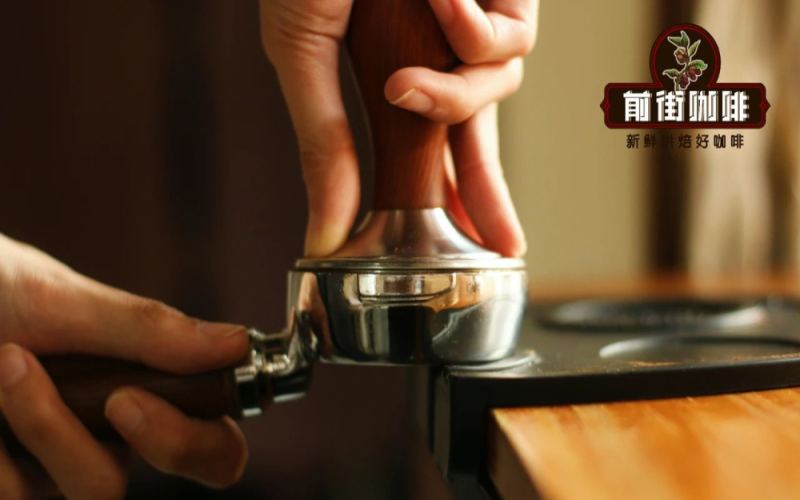
Coffee Shop-Style Latte Tutorial | Is Making Beautiful Latte Art Difficult? Recommended Medium-Dark Roast Specialty Espresso Beans for Lattes
Every coffee shop has slight differences in the milk-to-coffee ratio, beans used, and extraction parameters for their lattes. But in general, a latte is a coffee drink made by mixing a large amount of milk into espresso. Many friends have messaged Front Street Coffee (FrontStreet Coffee) asking. [more…]