







Search Results for: delicate
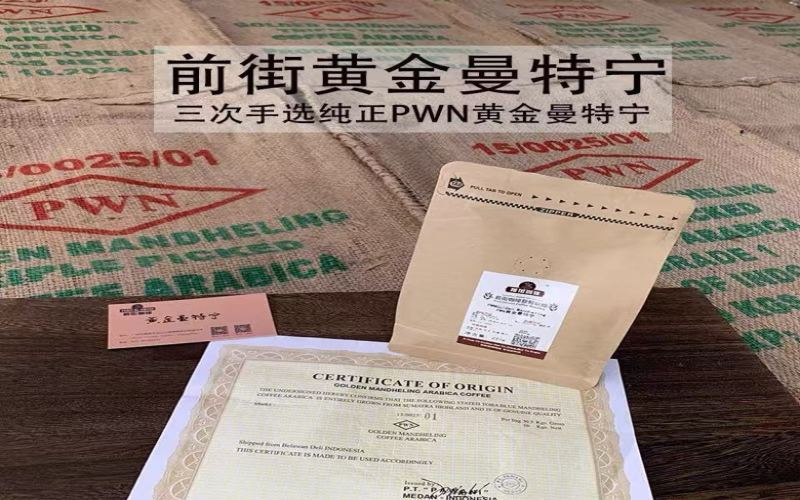
Region Selection for Rich Crema Beans: Crema Performance of Mandheling, Brazil, and Blue Mountain
The crema performance of espresso differs noticeably across growing regions. Mandheling, Brazil, and Blue Mountain are three representative origins, each with its own crema characteristics, suited to drinkers with different taste preferences. Mandheling is the choice for crema thickness. The Mandheling region uses wet-hulling processing, during which more pectin layer remains on the surface of the beans, add [more…]
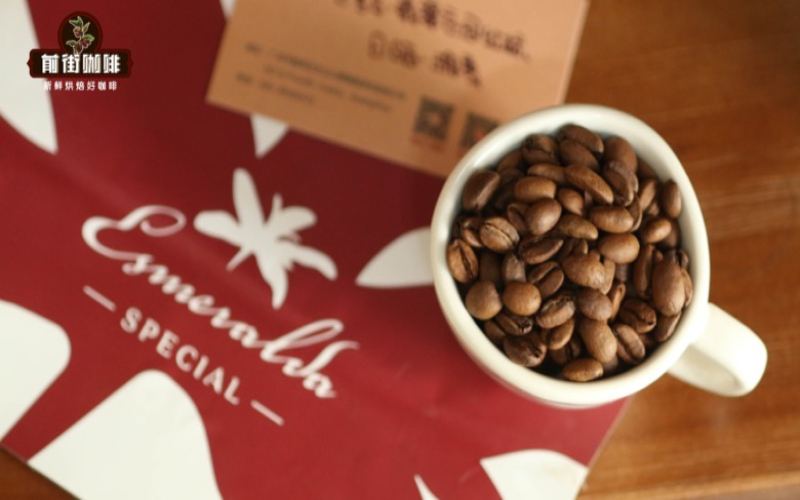
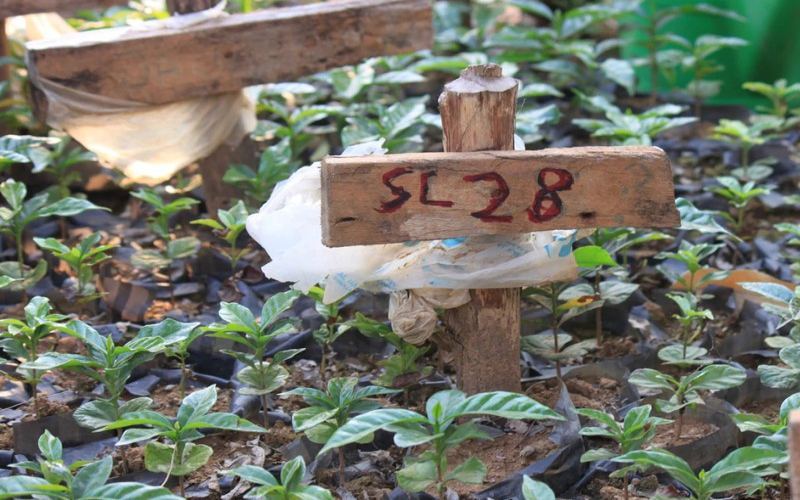
The Arabica Variety Map: Espresso Performance of Typica, SL28, and Geisha
Arabica is not a single variety, but a vast family. Different varieties perform noticeably differently in espresso, and understanding a few representative varieties makes drinking SOE more interesting. Typica is one of the oldest varieties within Arabica, with a clean, bright flavor and delicate sweetness, and is the flagship variety of many classic producing regions. [more…]
Yirgacheffe Coffee Bean Guide: Origin Characteristics, Roast Level Selection, and Pour-Over Parameters Explained
Yirgacheffe is one of Ethiopia's most representative specialty coffee regions, known for its fresh lemon and citrus acidity and delicate floral aromas. This article analyzes the core characteristics of this bean layer by layer, from its origin background, green bean grading, and roast level selection to pour-over parameters. Yirgacheffe green beans are small in shape and emerald green in color. Washed G2 is the traditional highest grade, and G1 is now also available on the market. In terms of roasting, cinnamon roast or medium roast best preserves its citrus acidity and floral aroma, while a darker roast masks its fresh character. For pour-over, it is recommended to use a high temperature above 90°C and extend the bloom to 20–30 seconds to fully release the flavors. Front Street Coffee recommends interpreting Yirgacheffe through pour-over. Compared with competition-style brewing or a French press, the clarity brought by pour-over better showcases its delicate layers. [more…]

Beginner's Guide to Buying Geisha Coffee | Which Brewing Methods Suit Panama Geisha Coffee Beans? Beginner-Friendly, High-End, Premium Geisha Coffee Beans
Geisha is a coffee variety known for its delicate floral aroma and sweet fruit flavors. In the 2004 Best of Panama green bean competition, it overturned the perceptions of many judges and has since become an important variety leading flavor trends in the coffee world. Its rise to fame also drove the development direction of specialty coffee for nearly 20 years. In Geisha coffee [more…]
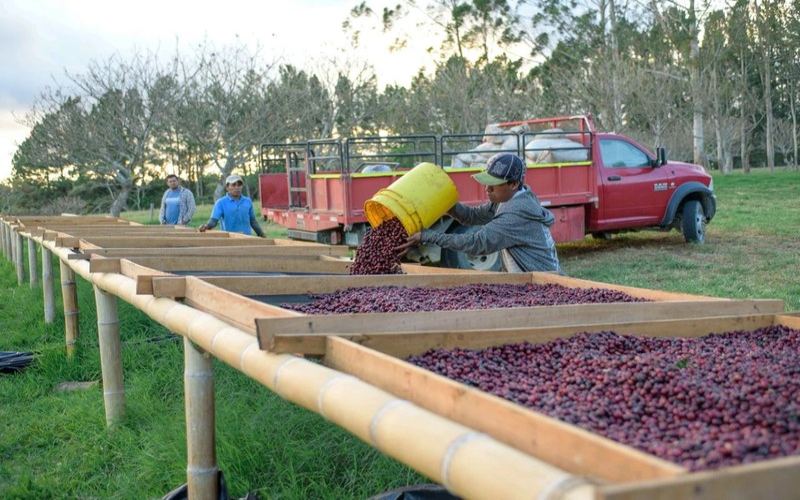
Recommendations for Light-to-Medium Roast Yirgacheffe Beans: Roast Level Determines How to Brew
Medium-light roasted Yirgacheffe is often prized for its floral, citrus, and berry aromas, but even when a coffee is labeled "medium-light roast," the brightness in the cup can still vary. Toward the lighter end, the aroma is more delicate and the acidity more lively; toward the medium side, sweetness, body, and smoothness gradually increase. When choosing beans, first see which end it falls on, then [more…]
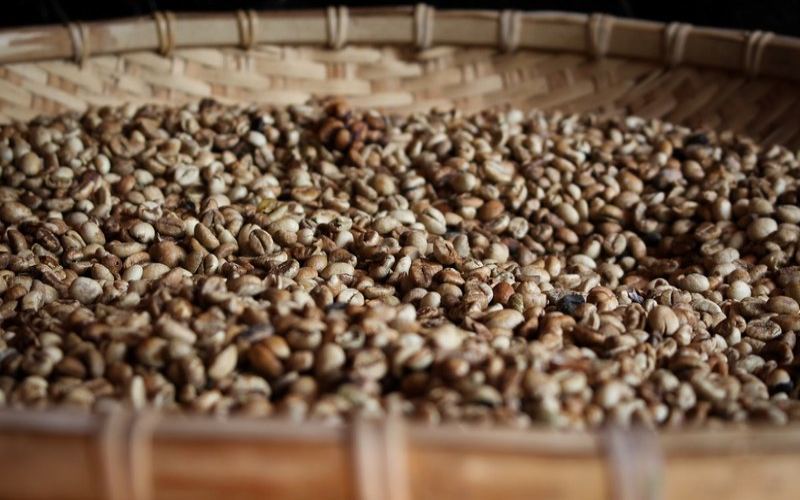
How Many Days After Roasting Do Coffee Beans Taste Best? From Resting Cycles to Sealed Storage—The Rhythm of Peak Flavor
Freshly roasted coffee beans enter a degassing phase in the early stage, during which the carbon dioxide trapped inside is slowly released over time. If brewed immediately at this point, the water flow tends to be blocked by the bubbles, preventing the flavor compounds from dissolving out evenly. Letting the beans rest in a bag with a degassing valve for a period of time allows the internal pressure to stabilize. This process [more…]

Coffee Flavor Tasting | Can drinking ice water before drinking pour-over coffee help you taste more flavors? What role does ice water play in the coffee tasting process?
"By rinsing our mouths with ice water, we can better appreciate a cup of coffee and more easily capture its delicate flavors." This is a saying that has long circulated in the community. That's why we often see customers in cafés, after ordering their coffee, ask the barista for a cup of ice water, and their main purpose is precisely this. [more…]
Arabica Varieties and Espresso: The Espresso Performance of Typica, SL28, and Geisha
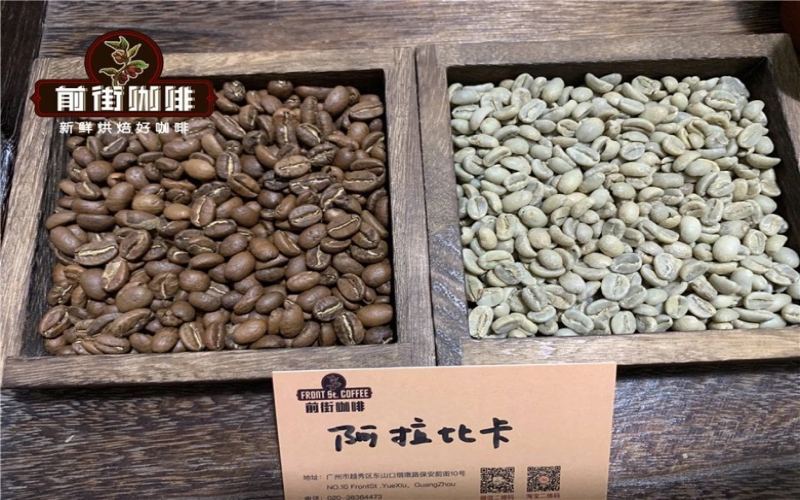
Arabica is a large family with many varieties under its umbrella—Typica, SL28, Geisha, Caturra, and others, each with its own temperament. When making espresso, variety differences are directly reflected in the cup. Understanding how a few representative varieties perform in espresso gives you one more dimension when choosing beans. Typica is one of the ancient [more…]
Estate Stories of Signature Pour-Over Beans: From Blue Mountain to Golden Mandheling
Behind every distinctive pour-over bean lies the story of its origin estate; understanding these stories adds a layer of meaning beyond flavor when drinking pour-over. From Jamaican Blue Mountain to Indonesian Golden Mandheling, the estate backgrounds of these distinctive beans are themselves important chapters in the world of specialty coffee. The story of Jamaican Blue Mountain is about high-altitude mist and clouds. [more…]
The Standard Method for Making a Flat White and the Coffee-to-Milk Ratio | What Is the Difference Between a Flat White and a Latte? Does the Texture of the Milk Foam Affect the Taste of Coffee?
Whether we go to Luckin Coffee or Starbucks, or an independent café, we always see coffee with the word "white" on the espresso menu. Everyone calls this coffee differently: Luckin calls it Aoruibai, Starbucks calls it Furuibai, and independent cafés call it Australian White Coffee. These are actually all the same espresso- [more…]
Coffee Beans with Prominent Sweetness: Where Does the Sweetness Come from Without Adding Sugar?
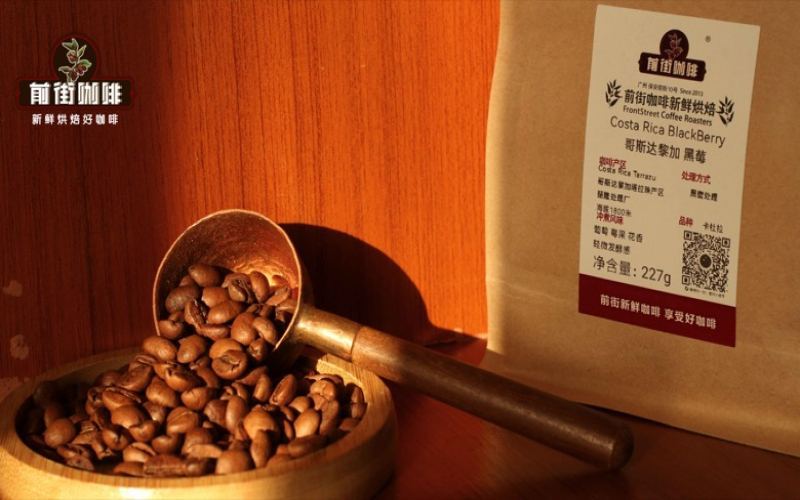
The sweetness in coffee isn't from added sugar, but from the sugars inherent in the beans expressing themselves through roasting and extraction: washed and medium-dark roasts show the most pronounced sweetness. Front Street Coffee's Colombia Higuito has a sweetness with juicy characteristics, balancing the sweet-tart notes of passion fruit and grape; while the Panama Emerald Estate Red Label's sweetness is delicate and lingering, hiding within the black tea's returning sweetness [more…]
The Tasting Window for Single-Origin Espresso Beans: The Opening Rhythm from the Degassing Period to Peak Flavor
Freshly roasted single-origin espresso beans trap a large amount of carbon dioxide gas inside. This gas builds up intense internal pressure in the early stages after roasting. If the beans are ground and brewed straight out of the roaster, the gas hinders full contact between the hot water and the coffee particles, producing a sharp, harsh acidity in the cup, or causing the espresso crema [more…]
Roast date and the optimal tasting window: helping floral and fruity coffee beans lock in fresh aromas
Freshly roasted floral and fruity coffee beans accumulate a large amount of carbon dioxide gas inside. When this gas meets water, it expands rapidly and can easily prevent hot water from coming into even contact with the coffee grounds. Let the beans rest for a few days in packaging with a one-way degassing valve, allowing the internal pressure to gradually stabilize. The delicate floral and [more…]
Choosing Fruity Coffee Beans by Roast Level: How to Choose Between Light, Medium, and Dark Roasts
Fruity coffee beans are not just "sour like fruit"—they can also present floral notes, a jam-like quality, a juicy fullness, or a delicate sweetness close to black tea. The roast level determines where these aromas sit in the cup: roasted light, the fruit notes come forward; roasted dark, the fruity character melds into caramel, cocoa, and roasted notes, and the mouthfeel becomes more [more…]
The Authentic Blue Mountain Flavor Window: Buy Beans by Roast Date
The aroma of Blue Mountain coffee is very delicate, commonly featuring notes of nuts, cocoa, floral, and soft fruit acidity, with sweetness gradually emerging as the temperature drops. If you want to enjoy authentic Jamaican Blue Mountain at a reasonable price, you shouldn't focus only on the name of the origin or the packaging design, but also on when it was roasted, when it was opened, and how soon you plan to finish drinking it. First, distinguish " [more…]
Understanding the Degassing Cycle of Espresso Beans: Daily Drinking Rhythm and Flavor Preservation Methods for Home Machines
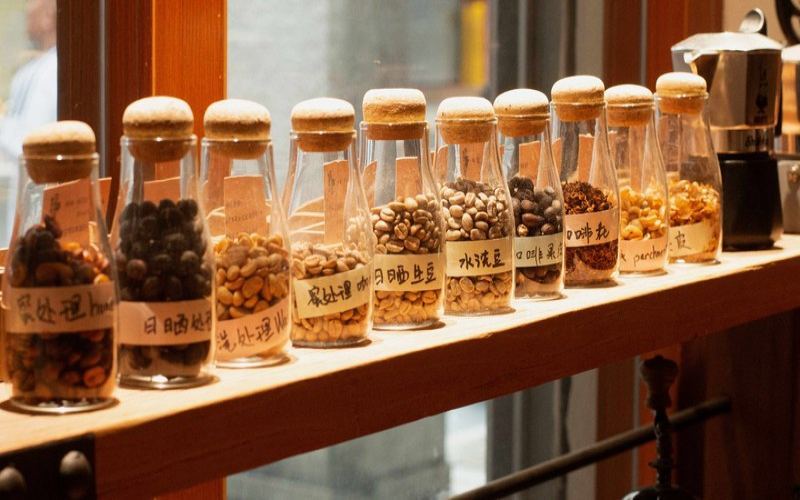
Roasted coffee beans contain abundant carbon dioxide internally, and these gases can participate in forming a golden, delicate crema during extraction. However, during the stage of extremely vigorous degassing, excessive bubbles tend to hinder uniform contact between water flow and coffee particles, making the flavor in the cup appear unsettled. Understanding how coffee beans evolve in condition across different time periods, [more…]

From Roast Date to Opening and Tasting: The Flavor Cycle and Storage Tips of Pour-Over Coffee Beans
Freshly roasted coffee beans accumulate a large amount of carbon dioxide gas within their bodies, making them unsuitable for immediate grinding and brewing in the first few days after roasting. When hot water is poured in, the gas is released violently, forming a dense barrier layer that hinders full contact between the water flow and the coffee grounds. Through a resting and degassing period ranging from several days to more than ten days, the internal aroma molecules [more…]

Understanding the Pour-Over Coffee Flavor Window: Taste Bright Fruit Notes During Stable Degassing and the Opening Period
Freshly roasted coffee beans continue to release carbon dioxide accumulated inside them during the first few days, and this natural degassing process directly affects the extraction efficiency of hot water. If the beans are too full of internal gas, the hot water poured in is easily blocked by bubbles, making it difficult for aromatic compounds to dissolve fully and evenly into the water. Therefore, al [more…]
What's so good about Arabica espresso blend beans?
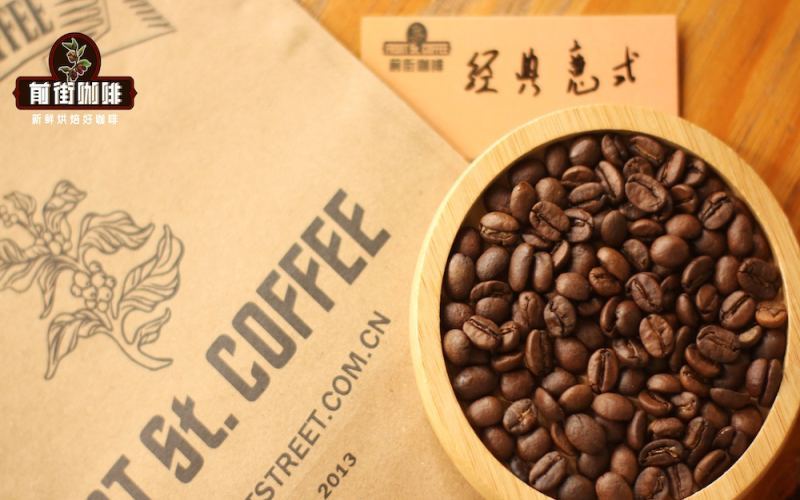
When buying espresso beans, you often see the label "100% Arabica." Why do merchants make a special point of emphasizing this? What exactly makes Arabica espresso blends so good? The difference between Arabica and Robusta Coffee is mainly divided into two major varieties: Arabica and Robusta. Arabica grows at higher altitudes [more…]
A Detailed Guide to Ethiopia's Native Coffee Varieties and a Comprehensive Review of Flavor Characteristics by Region
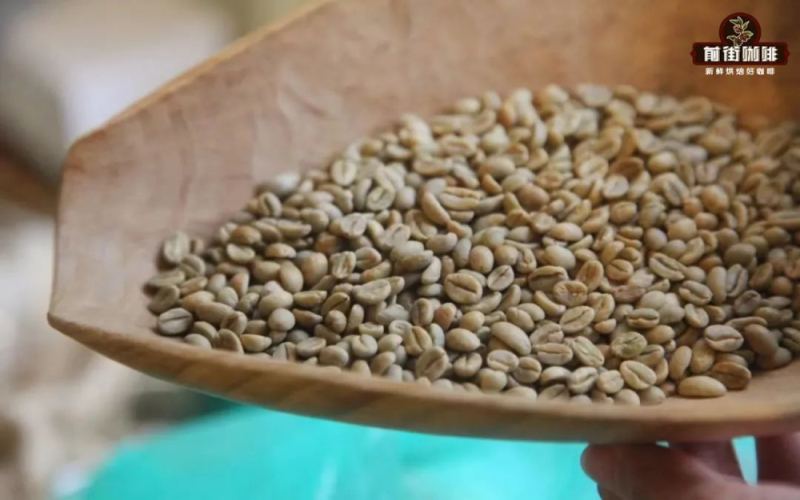
Ethiopia is the birthplace of Arabica coffee and, with its bold floral and fruity aromas, occupies a pivotal position in the specialty coffee world. This article focuses on the country's distinctive Heirloom native varieties, outlining their definition, cultivation system, and flavor expression, and introduces representative producing regions one by one, including Yirgacheffe, Sidamo, Guji, Harrar, and Limu. At the same time, drawing on Front Street Coffee's experience in bean selection and brewing, it explains the differences between the washed and natural processing methods, and how to extract the bright acidity and delicate floral notes of Yirgacheffe through reasonable parameters and techniques, providing coffee enthusiasts with a complete reference on Ethiopian coffee knowledge. [more…]