







Search Results for: specialty coffee competition

A Complete Guide to the Cup of Excellence (COE): Competition Format, Scoring, Auction Value, and Its Significance as a Benchmark for Specialty Coffee
COE (Cup of Excellence) is the most authoritative competition in the global specialty coffee field. Since its founding by ACE in Brazil in 1999, it has always represented the highest standard of coffee quality evaluation. This article systematically reviews CoE's origins and background, competition format and process, scoring system, and its profound impact on the coffee industry, while also explaining the score grading standards from commercial beans to competition level. For enthusiasts who follow specialty coffee development and auction trends, this is a complete guide not to be missed. Front Street Coffee will also continue to bring you competition news and bean selection references. [more…]
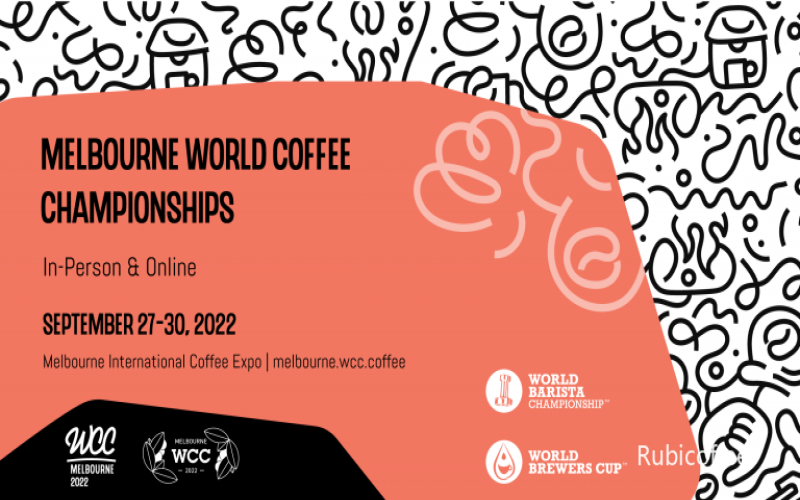
With the 2022 WBC and WBrC about to kick off in Melbourne, past competitors are calling for transparent and inclusive reforms to the competitions.
The 2022 World Barista Championship (WBC) and World Brewers Cup (WBrC) will be held concurrently in Melbourne, Australia, from September 27 to 30. As top-tier events in the coffee world, WBC and WBrC have for years driven the development of the specialty coffee industry and the professionalization of baristas. However, in recent years, multiple past champions and competitors have pointed out shortcomings in the events regarding scoring transparency, judge selection, theme setting, and gender inclusiveness, calling for reform. This article will walk you through the latest developments of the events and take an in-depth look at competitors' views and suggestions for the future development of WBC. [more…]

What Is the WBC? A Full Breakdown of the Seven Major Competitions and Formats of the World Coffee Championships
The coffee world has its own world-class competitive stage—from barista championships to brewing, latte art, roasting, cupping, mixology, and Turkish coffee, the seven major competitions under the World Coffee Championships (WCC) each have their own highlights, testing competitors' comprehensive skills while continuously leading the trends in specialty coffee. Today, Front Street Coffee takes you through these international competitions one by one to understand their content and rules, and to see what exactly the world's top coffee professionals compete in and how they compete. [more…]
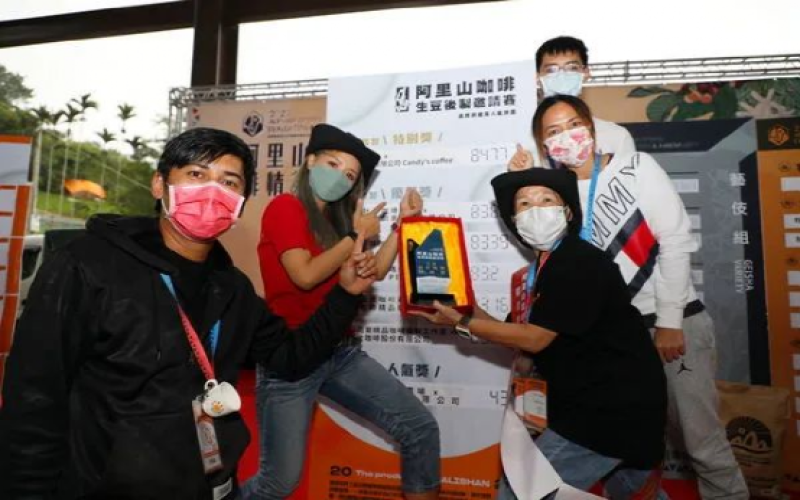
Taiwan Specialty Coffee Evaluation Ranking Disrupted by Coding Errors; Organizer Admits System Failure and Compensates the Difference
Every year, global coffee production is enormous, and different regions and processing methods give coffee beans an endless variety of flavors. Rather than trying blindly, many enthusiasts choose to buy award-winning beans from competitions directly, which ensures quality and lets them experience the award-winning flavors. Coffee farmers also hope to achieve good rankings through competitions to increase the selling price and reputation of their green beans. However, a specialty coffee evaluation in Yunlin County, Taiwan, for self-produced beans was disrupted by a computer system failure that scrambled the codes linking entrants to coffee beans, causing errors in the previously announced rankings: a Grand Prize winner became a Gold Award winner, drawing attention. The organizers urgently corrected the list and promised to pay the bonus difference, but the credibility of the competition still faces a test. [more…]
What exactly is the COE Cup of Excellence competition? A complete breakdown from the scoring criteria to Ethiopia's first auction beans
In the specialty coffee world, the Cup of Excellence (COE) is regarded as the most prestigious green coffee competition, and the top-ranked beans on its annual list often become the focal point of auctions. This competition, launched by ACE in Brazil in 1999, now covers more than a dozen producing countries, selecting the top 30 with cupping scores above 87 for a global auction. This article will outline the origins and scoring system of the COE, and focus on reviewing the story of the 22nd-place natural Typica that Front Street Coffee won at auction when Ethiopia first joined the COE in 2020—from West Arsi, grower Adem Banta Sute—as well as the processing, roasting, and brewing details of this bean. [more…]
What Are COE Auction Coffee Beans? A Complete Guide from the Competition Mechanism to Front Street Coffee's Ethiopia COE22
In the world of specialty coffee, COE (Cup Of Excellence) has long been regarded as one of the most credible competitions. It not only determines whether a lot of coffee beans can be sold through auction, but also directly affects a estate's reputation and the income of coffee farmers. This article will walk you through the COE competition format and process, the advantages of auction coffees, and why it has maintained its authoritative status among numerous competitions. At the same time, we will also talk about a coffee on Front Street Coffee's bean list—an auction lot from Ethiopia's first COE competition in 2020, COE22—and look at the origin story and flavor performance behind it, as well as how to bring out its best state in daily brewing. [more…]
From Origin to Variety, to Competitions and Estates: A Complete Guide to How Specialty Coffee Beans Are Named
Walking into Front Street Coffee (FrontStreet Coffee) and facing the names of dozens of coffee beans on the menu, many people wonder: Aren't Bach and Mozart musicians? How did they become coffee beans? In fact, there is a complete logic behind the naming of coffee beans. In the early days, coffee beans were mostly named after countries, regions, or ports. After entering the specialty coffee era, traceability information has become increasingly detailed. Estate names, green bean competition rankings, barista competition beans, variety names, processing methods, and even brand classifications can all become the name of a bean. This article will systematically sort out the various rules for naming coffee beans to help you no longer feel confused when ordering. [more…]
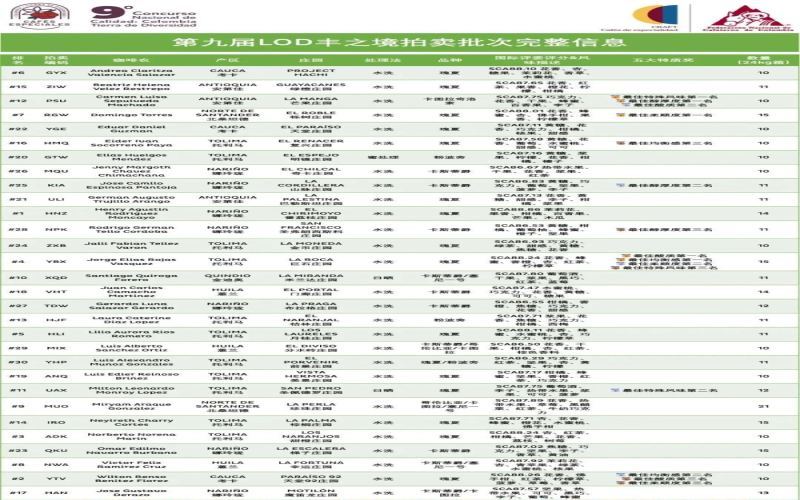
Colombia Land of Diversity (LOD) Competition: Highlights of the Ninth Edition, Unique Format, and 2025 Outlook
The Colombia Land of Diversity (LOD) competition is a national-level coffee quality competition in the country, ranking alongside COE and BOP. The ninth edition brought together 1,018 growers from 13 producing regions; after two rounds of screening, 30 coffees made it to the finals, and the top lot at auction was a washed Geisha from Nariño, fetching as much as $66.50 per pound. This article walks you through the origins of LOD, its competition format, how it differs from COE, and a preview of the tenth edition in 2025, along with recommendations from Front Street Coffee. [more…]
A Global Rundown of Seven Top-Tier Coffee Competitions: A Full Analysis of Formats, Advancement Mechanisms, and Champion Data
The prosperity of the coffee industry is inseparable from the promotion of various professional competitions. These competitions not only promote coffee culture but also make the profession of barista more standardized and professional. Every year, many contestants from different countries around the world participate in the competition. Among them, the seven most influential world-class competitions cover multiple fields such as barista, brewing, latte art, roasting, cupping, coffee and spirits, and Turkish coffee. This article will introduce the positioning and competition systems of these events one by one, and focus on sorting out the development history, advancement rules, and past champion data of the World Barista Championship (WBC), helping coffee enthusiasts fully understand the landscape and charm of international coffee competition. [more…]
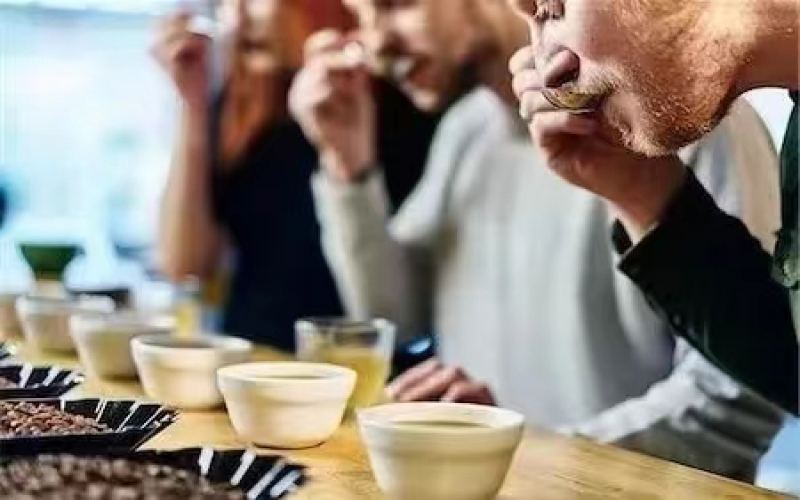
COE Cup of Excellence vs. SOE Single-Origin Espresso: A Coffee Guide from Green Bean Competitions to Espresso Extraction
In the world of specialty coffee, the two English abbreviations COE and SOE often confuse enthusiasts—they appear similar but actually point to completely different domains. COE stands for Cup of Excellence, the world's most authoritative specialty green coffee competition, first held by the Alliance for Coffee Excellence in Brazil in 1999 and since expanded to Colombia, Guatemala, Panama, and many other producing countries. SOE, on the other hand, is short for Single Origin Espresso, referring to espresso made from single-origin coffee beans. This article will systematically sort out the essential differences between the two from the perspectives of competition systems, judging procedures, and extraction characteristics, and explore the common question of whether SOE is necessarily superior to blended espresso. [more…]

Oat milk brand Oatly blasts SCA competition rules as outdated, but netizens push back en masse: milk is king
Oatly, the oat milk brand, has once again taken aim at the Specialty Coffee Association (SCA), publicly questioning that the World Barista Championship (WBC) rule allowing only cow's milk is outdated. Oatly published an open letter on its official website, emphasizing that oat milk is more environmentally friendly and more favored by consumers, and demanding that the SCA immediately revise the rules. However, this move did not win support from netizens; instead, it triggered a large number of rebuttals. This article will walk you through the ins and outs of the incident, along with Front Street Coffee's professional perspective. Whether you are a coffee professional or an enthusiast, this debate about plant milk versus cow's milk is worth paying attention to. [more…]
2024 Mexico COE Competition Results Announced: An In-Depth Analysis of the Three Major Winning Varieties—Obata, Marsellesa, and Oro Azteca
As one of the most influential competitions in the global specialty coffee field, the Cup of Excellence (CoE) attracts top estates from producing countries to compete every year. The results of the 2024 Mexico COE competition have recently been officially announced. This edition of the competition, for the first time, adopted a grouping mechanism with three major categories: traditional washed, traditional natural and honey process, and experimental process. The list of winners includes both classic varieties well known to the public, such as Geisha and Bourbon, as well as relatively rare disease-resistant and high-yield varieties such as Obata, Marcelexa, and Oro Azteca. This article will guide you through an in-depth understanding of the breeding background, botanical characteristics, and cultivation performance of these three distinctive varieties, while also providing an overview of this edition's judging and auction mechanisms. [more…]
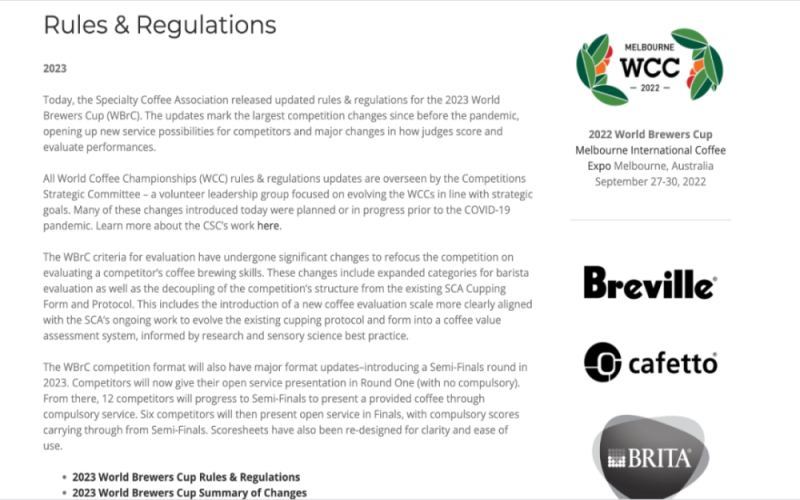
In 2023, the WBC rules underwent a major adjustment: plant-based milk and other animal milks are permitted for use in the Barista Championship.
The Specialty Coffee Association announced on December 22 the new rules for the 2023 World Barista Championship (WBC), World Brewers Cup (WBrC), World Cup Tasters Championship, and Cezve/Ibrik Championship. Among them, the most notable change in the WBC is allowing competitors to use plant-based milk or other animal milks to make milk coffee, breaking the long-standing restriction of using only cow's milk. The WBrC adjusted its evaluation criteria, refocusing on competitors' brewing skills and introducing a new coffee evaluation scale and a semifinal format. This series of changes has sparked widespread discussion in the industry, with some supporting the increased inclusivity and others worried about scoring fairness. This article will outline the specific contents of each rule update and the reactions from all parties. [more…]
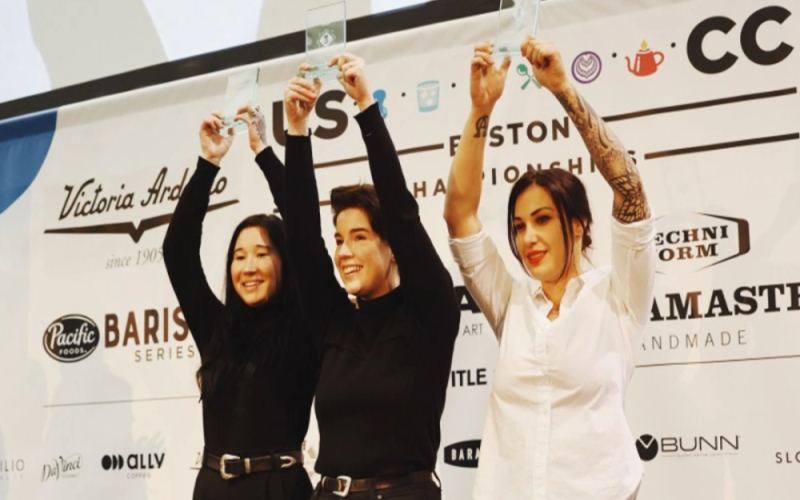
From a 7-Million-Follower Blogger to US Barista Champion: How Morgan Eckroth Redefines the Meaning of Competition
At the recently concluded United States Barista Championship, Morgan Eckroth from Portland, Oregon, took the crown. Unlike most competitors, she was already a coffee influencer with over 7 million followers before the competition, and she made her entire preparation and competition process public through vlogs and livestreams. Taking the home coffee community that emerged after the pandemic as her theme, she shared her recipes and approach in advance, advocating that coffee should be delicious, replicable, transformative, and easy to make at home. This article will walk you through her competition journey, bean selection strategy, and creative recipes, and use them to explore the bottlenecks facing the Barista Championship and the shift in coffee consumption patterns in the post-pandemic era. [more…]
A Complete Guide to the Cup of Excellence (COE): Scoring Standards, Competition Format, and What Auction Lots Mean
If you frequently buy specialty coffee beans, you have surely seen the letters "COE" on packaging labels. What exactly do they stand for? Why are beans bearing the COE mark often more expensive? This article will give you a comprehensive understanding of COE—from its origins and founding organization, to its specific differences from the SCA cupping scoring system, and then to the three-stage competition format of the Ethiopia COE, breaking it all down one by one. It will also explain the difference between COE auction lots and national winner lots, as well as the difference between "same-lot" beans on the market and true auction lots, helping you more accurately understand and select coffee beans. [more…]
From Ethiopian Valleys to Panama Auction Tables: Tracing Geisha Coffee's Rise to Fame and the Reasons Behind Its High Price
Geisha coffee is now regarded as the crown jewel of specialty coffee, but its rise was not achieved overnight. From 1936, when the Englishman Richard Whalley collected seeds in the Geisha Mountains of Ethiopia, Geisha's footprint successively reached Kenya, Tanzania, and Costa Rica, and was finally brought to Panama in 1960 by Don Pachi Serracin. Before 2004, Geisha was long interplanted with other varieties, grown at low altitudes, and had never displayed its own flavor as a single variety. It was not until Daniel Peterson of Hacienda La Esmeralda presented an unblended Geisha in the Best of Panama green bean competition that this bean won first place in one stroke, with a bid price of only $21 per pound at the time. After that, the market crisis triggered by the collapse of the International Coffee Agreement in 1989, together with the push of the specialty coffee wave after the founding of the SCAA, jointly propelled Geisha onto the legendary stage. This article will sort out this historical thread and explain why Geisha prices remain persistently high. [more…]
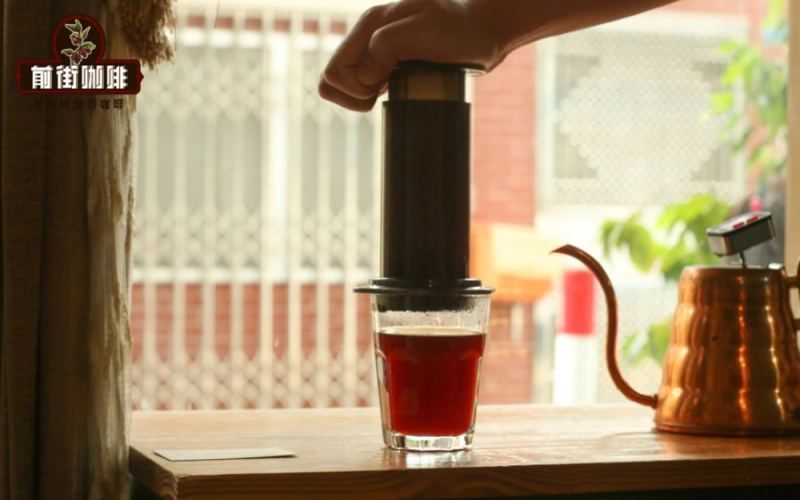
Complete Guide to AeroPress Brewing: From WAC Competition to Front Street Kenya Inverted Method Practice Guide
The AeroPress was invented by the Aerobie company, yet unexpectedly became a darling of the specialty coffee world, even giving rise to its own world championship, the WAC. It uses manual pressure to quickly produce a full-bodied cup, and combines portability, easy cleaning, and high playability. This article walks you through the AeroPress's origins, how it differs from the French press, the growth of the WAC competition, and shares a complete inverted brewing method using Front Street Coffee's Kenya Little Tomato beans, including dose, grind size, water temperature, and timing parameters, so you too can easily recreate a cup full of juicy fruitiness at home. [more…]
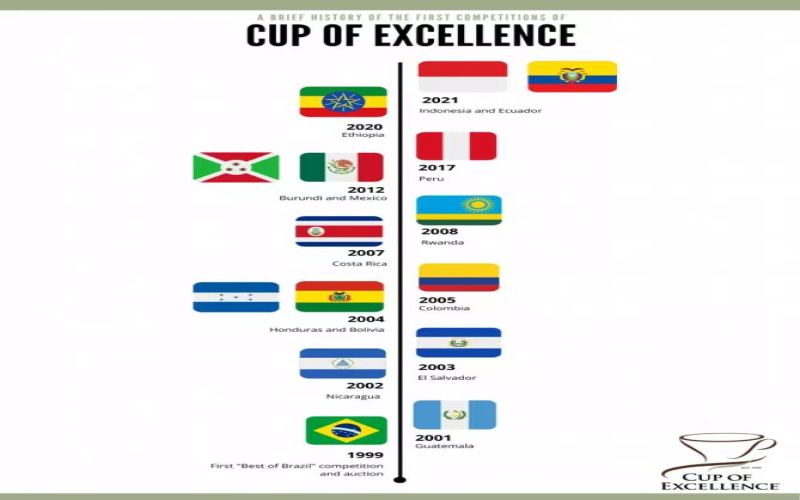
An Analysis of the SCAA and COE Coffee Certification Systems: Differences in Scoring Standards and Their Essential Distinction from SOE
In the world of specialty coffee, the SCAA and COE are two authoritative systems that cannot be overlooked. The former established industry standards and cupping protocols, while the latter selects top-tier green beans through rigorous competitions. How do their scoring logics differ? And why are COE and SOE often confused? This article will trace the development and operational mechanisms of the SCAA, CQI, and COE, explain in detail the differences in cupping score sheets, and use the example of the 22nd-place sun-dried Typica that Front Street Coffee bid for at Ethiopia's first COE competition in 2020 to present the complete story from origin to cup. [more…]
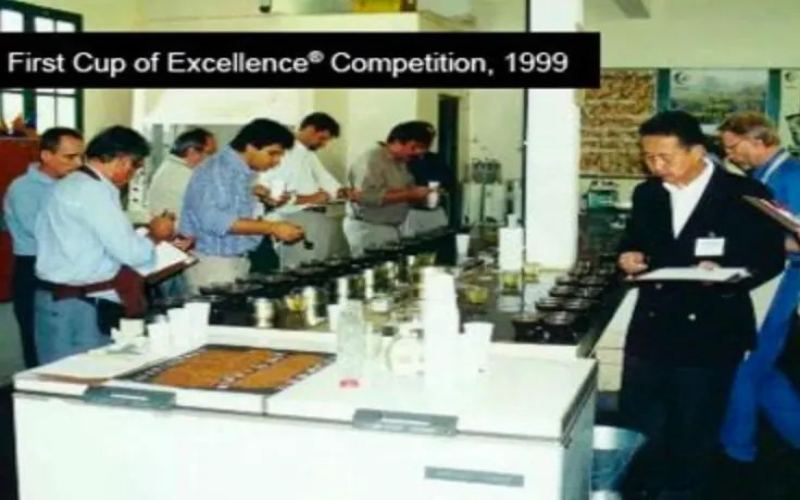
2024 Brazil Cup of Excellence Results Announced: A Comprehensive Analysis of the Rare Varieties Arará and Topázio
The Cup of Excellence (COE), one of the most authoritative specialty coffee competitions in the world, was founded in 1999 by the Alliance for Coffee Excellence (ACE), with the aim of providing a showcase platform for high-quality coffee from coffee-producing countries and helping coffee farmers earn higher incomes. The 2024 Brazil COE competition coincides with the 25th anniversary of the event's founding in Brazil, and the results have now been officially announced. This year's competition was once again divided into three categories: natural, washed and honey, and experimental processing. Among the winning varieties, rare varieties such as Arará and Topázio emerged, attracting widespread attention. This article will take you through an in-depth look at the origins and characteristics of these two varieties and their performance in the COE competition, while also highlighting related product information recommended by the Front Street Coffee brand. [more…]
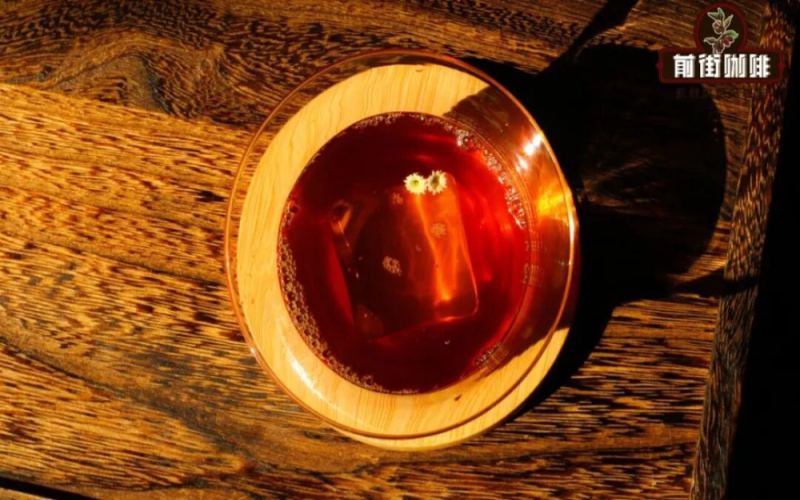
The Logic Behind the High Prices of Specialty Coffee Drinks, an Analysis of Creative Beverage Categories, and the Content of WBC Competitions
Specialty coffee drinks are becoming increasingly common in specialty cafés, and their high prices and rich flavors attract many consumers. Yet many people, after drinking them, can't taste the coffee at all and even call them "sweet water," which raises the question: why are these specialty drinks so expensive? This article starts from the definition of a specialty drink, sorts out its two main types originating from the WBC creative beverage, analyzes the reasons for the high price, discusses whether a specialty drink is worth it, and shares how to choose Front Street Coffee beans and extraction methods based on flavor pairings when recreating it at home. [more…]