







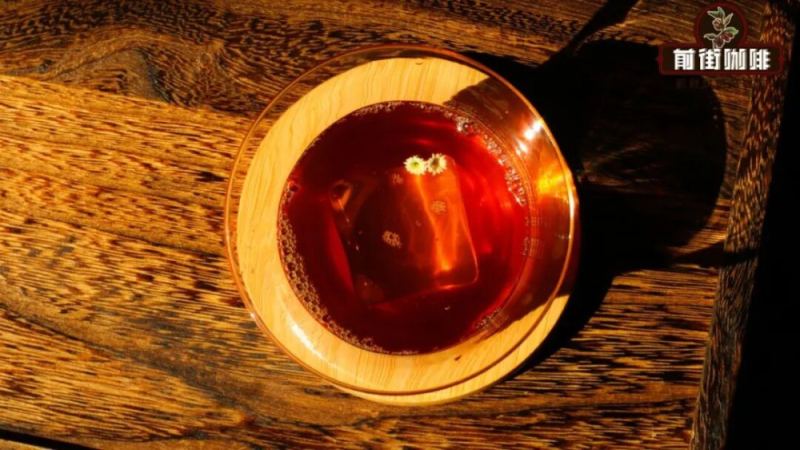
Why Specialty Coffee Drinks Are Priced High
Specialty coffee drinks, often called creative beverages, have become a staple in many cafes. They cost more because they are built like cocktails, with espresso as a base and added ingredients such as fruit, milk, spices, or alcohol. The barista's skill, the quality of the beans, and the effort to balance flavors all contribute to the higher price. These drinks are not just coffee with syrup; they are designed to offer a unique experience.
When you pay for a specialty coffee drink, you are also paying for the creativity and precision behind it. Competitions like the World Barista Championship push baristas to innovate, and those ideas filter into cafes. While some may find the coffee flavor subtle, the goal is to highlight how coffee can blend with other tastes. If you want to recreate these drinks at home, choose beans that match your flavor pairings and adjust your extraction method accordingly.
Specialty coffee drinks are becoming increasingly common in specialty coffee shops. Their high prices and rich flavors attract many consumers, yet many people cannot taste the coffee after drinking them and even call them "sweet water." This raises the question: why are specialty coffee drinks so expensive? Starting from the definition of specialty coffee drinks, this article sorts out the two major types derived from WBC creative beverages, analyzes the reasons for their high prices, discusses whether a cup of specialty coffee is worth it, and shares how to choose Front Street Coffee beans and extraction methods based on flavor pairings when recreating them at home.
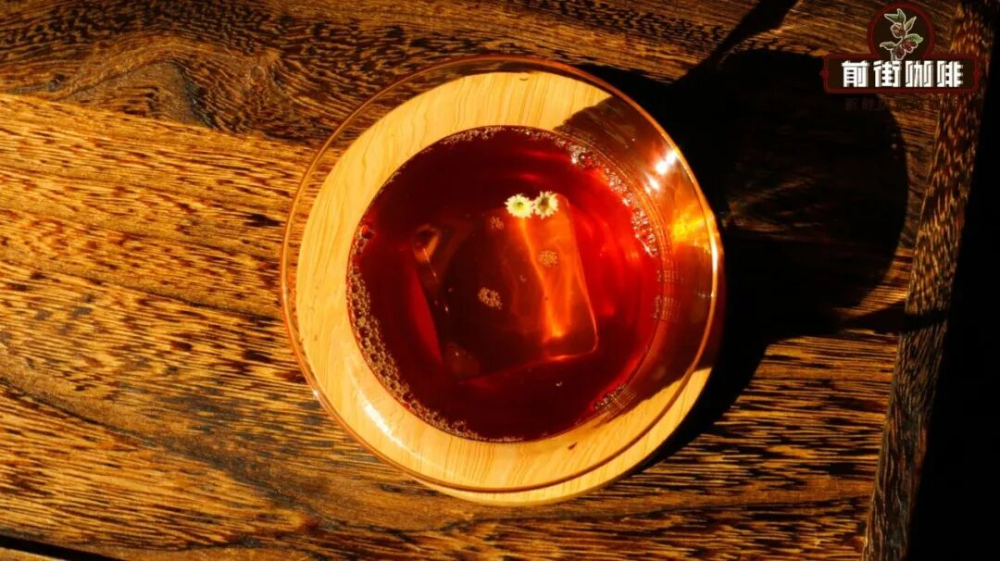
Nowadays, in many specialty coffee shops, specialty coffee drinks are appearing more and more frequently. They are often priced high, beautifully presented, and rich in layered flavors, thus attracting many customers. However, when some people actually take a sip, they find they can hardly taste the coffee, and even directly call it "sweet water." At this point, a question inevitably arises: Is it that my tasting ability is not good enough? Why exactly are specialty coffee drinks sold so expensively?
Specialty coffee drinks—what exactly is "special" about them?
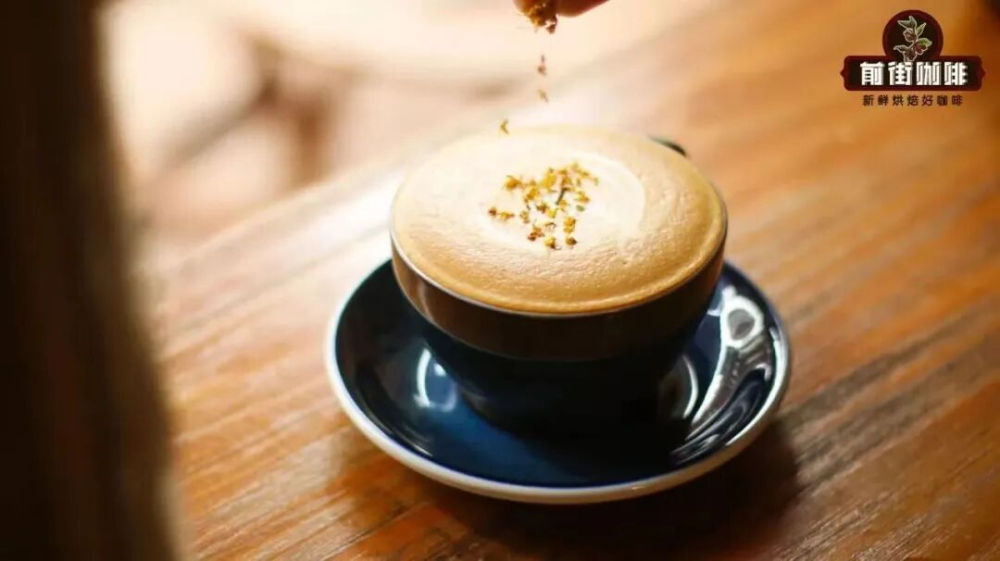
Specialty coffee drinks are also called creative coffee beverages and can usually be grouped into two major categories. One is simply mixing coffee with other flavorings, such as the osmanthus latte, mocha coffee, and fruit cold brew that Front Street Coffee has introduced before. These drinks are generally not too expensive, and their taste and presentation tend to be one-dimensional.
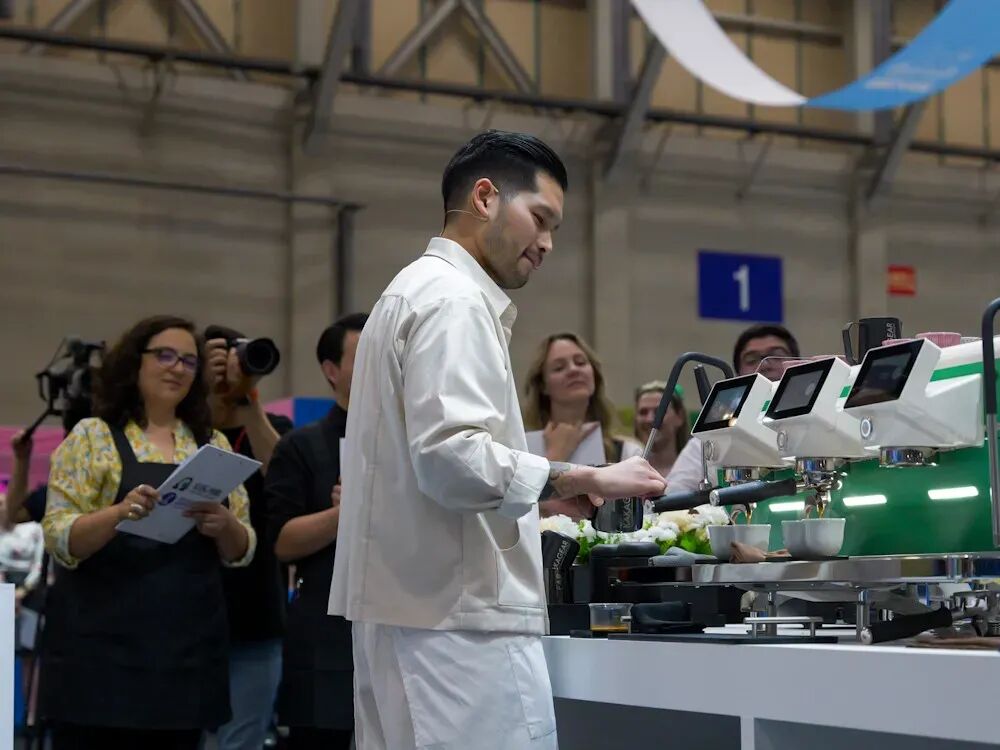
Different from the basic versions above, the specialty coffee drinks discussed nowadays more often refer to creative beverages originating from the World Barista Championship (WBC). In WBC competitions, each contestant must bring their own coffee beans and prepare an espresso, a milk coffee, and a coffee-based "Signature Drink," translated into Chinese as "coffee with distinctive characteristics."
In terms of preparation, specialty coffee drinks are similar to cocktails. Baristas use espresso as the base and add elements such as fruit juice, alcohol, milk foam, spices, and sugar to create a themed drink that is "remembered in one sip." A richly layered specialty drink not only leaves a deep impression on the judges but also conveys the idea of cleverly combining coffee with various ingredients. Friends interested in world-class coffee competitions can refer to this Front Street Coffee article, "What Are the World-Class Coffee Competitions? What Do They Compete In?"
For example, Mikael Jasin, the 2024 WBC World Barista Champion, used four materials in the signature drink segment: Aji coffee liquid, which provided a fruity base note; transparent clarified milk; flavored syrup that brought sweet aroma; and Indonesian cacao responsible for the finish. After a series of complex operations, he ultimately created a drink with multiple flavors such as cantaloupe, watermelon, sandalwood, and chocolate cake, and won the championship with it.
Why are specialty coffee drinks always so expensive?
Specialty coffee drinks did not go from the World Barista Championship to coffee shops overnight. At first, contestants merely shared the combinations from the competition with acquaintances or friends in limited quantities. It was an exclusive experience. At that time, specialty coffee drinks had not really spread, so few coffee shops offered them. Later, more and more contestants put richly flavored specialty drinks on their menus and gave them attractive names, and only then did this small beverage gradually become the "signature" of major specialty coffee shops.
From the perspective of preparation, some specialty drinks with outstanding creativity and three-dimensional flavor indeed have recipes more particular than ordinary flavored coffee. Whether it is the quality of the coffee beans themselves, the ingredients used, or the creative presentation, all are built on the concept of specialty coffee, pursuing aroma, layering, and finish. Add to that cumbersome preparation links and steps, and such a cup of specialty coffee is often not cheap.
In addition, some coffee shops also imitate WBC by offering them in sets. Such a Combo set includes espresso/Americano, milk coffee, and specialty drink, so the price naturally rises accordingly.
Is a coffee specialty drink costing dozens of yuan worth it?
Front Street Coffee believes this is a very subjective question. First, everyone's preferences are different. If you insist on buying a fruity, acidic specialty drink for a friend who likes dark-roasted beans, no matter the price, they will feel it is not worth it.
Second, whether a coffee specialty drink has "coffee flavor" is very important. Unlike pure coffee such as pour-over and ice drip that requires careful tasting, the world of coffee specialty drinks is very broad: for the main part, you can choose espresso, cold brew, or pour-over; for the supporting parts, you can add fruit juice, syrup, petals, alcohol, spices... If there are too many elements, it is easy to cover up the presence of the coffee itself, and it will taste like a cup of "sweet water." Even if the ingredients are excellent, people who like coffee will probably not drink it a second time.
Also, whether the coffee and other ingredients are harmonious. The flavor of coffee is affected by multiple factors, such as origin, variety, processing method, roast level, brewing method, and extraction parameters. Different approaches directly affect the final taste. Front Street Coffee believes that a good cup of specialty coffee should achieve a result where the coffee neither conflicts with certain ingredients nor fails to create fresh taste and aroma through contrast, forming a complementary and enhancing effect, and the price should be in a moderate range.
At present, as the coffee market becomes increasingly competitive, specialty drinks on the internet can be said to emerge endlessly, including ones that Front Street Coffee often recreates. As long as the ingredients and coffee beans are chosen correctly and the amounts are controlled well, you can actually make the same specialty coffee drinks at home as in shops.
When making specialty drinks at home, what coffee beans should you choose?
When designing a specialty drink, the first step is to choose suitable coffee beans, and then consider which brewing method to use. Below, Front Street Coffee organizes how to choose beans and extraction methods based on drinks recreated in the past.
If you are making a relatively refreshing specialty drink with bright ingredients such as lychee, jasmine, and lemon, it is generally recommended to pair it with medium-light roast or medium roast coffee beans. For espresso, you can try Front Street Coffee Huakui SOE and Front Street Coffee Granja Geisha SOE; for cold brew or pour-over, you can buy Front Street Coffee Strawberry Candy and Front Street Coffee Little Tomato. This way, they will not "steal the flavor" and will also add sweet-and-sour characteristics to the coffee.
If pairing with strongly flavored foods with a more exaggerated taste, such as alcohol and spices, it is recommended to use medium-roast coffee beans with high sweetness. First choices are Front Street Coffee Blackberry and Front Street Coffee Sidra. Both have highly recognizable rich fruity aromas, low bitterness, and high sweetness, so their flavors are not easily masked.
If you want to make a full-bodied coffee specialty drink or a winter hot drink, with ingredients including osmanthus, cinnamon, pistachio, chocolate powder, butter, etc., because the aim is to highlight milky and nutty aromas, coffee beans with roasted-type flavors are most suitable, with espresso as the base. First choices are Front Street Coffee Black Cocoa Basic Blend, Front Street Coffee Classic Blend, Front Street Coffee PWN Golden Mandheling, and Front Street Coffee Queen's Estate.
The above content is compiled by CoffeeHunters, a coffee news website.


