








How are specialty coffee beans named after origin and variety?
Specialty coffee beans are named in layers that go far beyond country of origin. Early beans took the name of a country, region, or shipping port, which is why Blue Mountain and Java still carry geographic labels. In the specialty era, traceability expanded to estate names, competition rankings, variety names, and processing methods, so a single bag can now combine several naming rules at once.
The shift became visible in regions like Yirgacheffe and with varieties such as geisha coffee, where names travel down to specific villages, cooperatives, and processing stations. On a cafe menu, a bean label may therefore blend a country, a region, a variety, and a processing method, and each part tells the drinker something about how the coffee was produced.
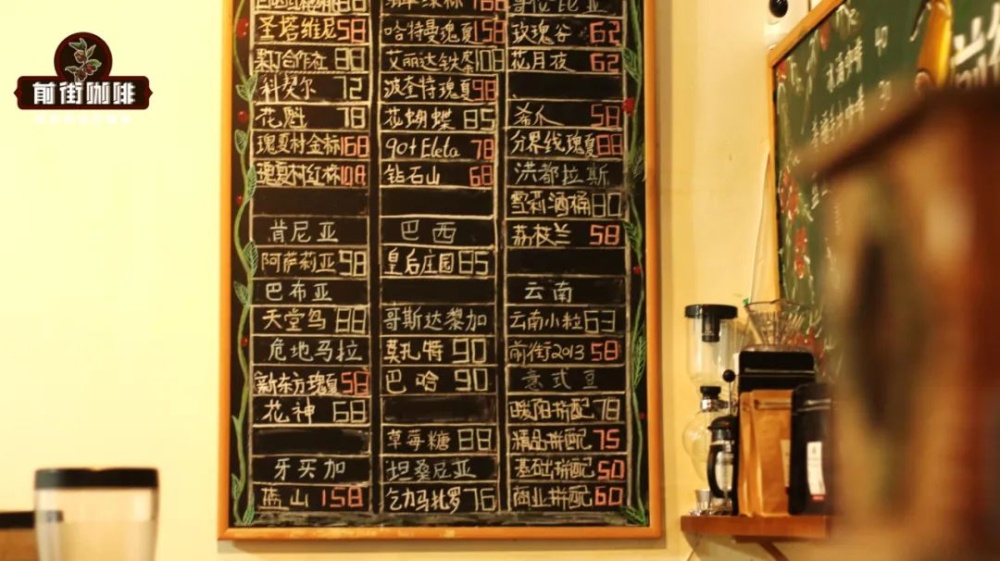
Walking into Front Street Coffee, many people are puzzled when faced with the names of dozens of coffee beans on the menu: Bach and Mozart are musicians, right? How did they become coffee beans? In fact, there is a complete logic behind the naming of coffee beans. In the early days, coffee beans were mostly named after countries, regions, or ports. After entering the specialty coffee era, traceability information has become increasingly detailed, and estate names, green bean competition rankings, barista competition beans, variety names, processing methods, and even brand classifications can all become the name of a bean. This article will systematically sort out the various rules for naming coffee beans to help you no longer feel confused when ordering.

Many friends who visit Front Street Coffee for the first time, when faced with the densely packed list of nearly fifty coffee beans on the small blackboard, will more or less fall into choice difficulty, and guests who do not often drink coffee also ask Front Street: "These are beans, right? Aren't Bach and Mozart musicians?" So today, Front Street will explain to everyone the matter of how coffee beans are named~
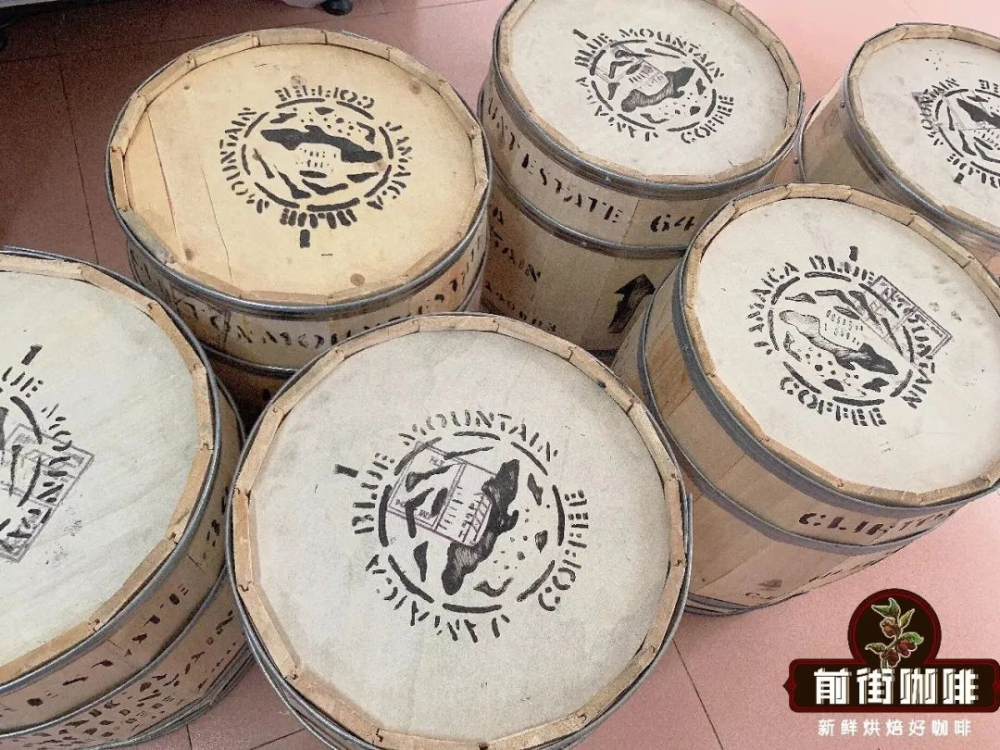
In the era before the concept of specialty coffee had taken shape, coffee beans did not place much emphasis on detailed traceability information, and were usually simply named according to the region where the producer was located, then sold in large quantities to consumer markets. For example, Colombian coffee named after the country, Indonesian Java coffee named after the region, Mocha coffee named after the shipping port, and Blue Mountain coffee named after the mountain range, and so on.
"Blue Mountain coffee green beans in wooden barrels"
This production and sales method changed as the coffee consumer market continued to expand. After entering the new era of specialty coffee, the unique "terroir" of each producing region was continuously discovered, and the traceability information of coffee beans gradually gained attention from practitioners and consumers. The Yirgacheffe region is the most typical example, even further refined to specific growing villages and processing stations, such as Yirgacheffe's Gedeb cooperative, Konga cooperative, and so on.
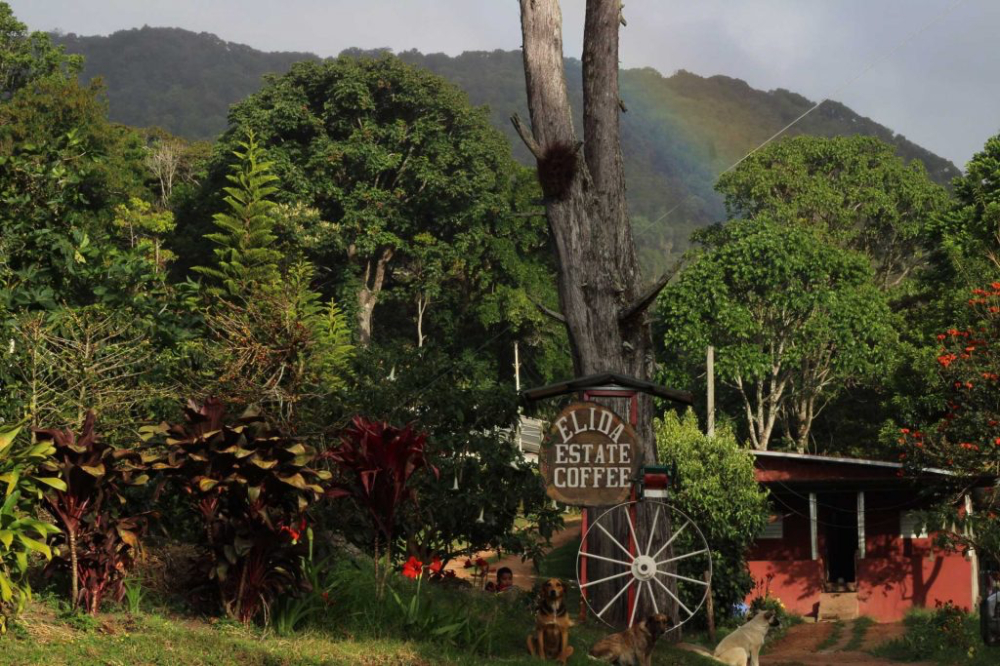
As people paid more and more attention to the source growing regions of coffee, many merchants also began to devote themselves to this link and establish their own coffee estates, taking responsibility for a series of issues from production and sales to materials themselves, so they used their own estate names to promote coffee beans, and the names came from this. For example, Panama's Hacienda La Esmeralda, Elida Estate, and so on.
In order to promote the quality improvement of their country's coffee beans and stimulate producers' enthusiasm for cultivation, coffee-producing countries often hold green bean competitions, using a set of objective evaluation standards to rank and award high-quality green beans. Therefore, many coffee beans are named after the rankings they receive. Several common major green bean competitions include Panama's BOP (Best of Panama), the Americas' COE (Cup Of Excellence), and Africa's TOH (Taste of Harvest). For example, the TOH that Front Street once offered was the champion of the washed group in the 2020 TOH green bean competition.
In addition to green bean competitions, the beans used in more spectator-friendly barista professional competitions also become objects of attention. In order to find unique coffee flavors, competing baristas cooperate with different coffee estates, bring the beans to the competition stage, and through different brewing methods and presentation styles introducing their characteristics, allow people to understand a bean more intuitively. The beans selected by the winners are also understood by more people.
For example, "Huakui." In 2017, Li Jianfei, runner-up in the China region of the World Brewers Cup, used the Hambela coffee beans that were the champion of that year's TOH natural group to defeat the then "ever-victorious general" Geisha. As a type of agricultural product, coffee beans' flavor expression is also affected by annual climate changes. Therefore, the green bean merchant DW company continued to use the name "Huakui" from the natural beans of the Buku Abel processing station, naming them the Huakui X.0 series year by year. It should be noted that the name "Huakui" is mostly popular in China. If you want to try this bean from overseas roasters, you still need to search back to the Buku Abel processing station.
Some coffee beans are named after their variety in order to emphasize the uniqueness of that variety. For example, the Geisha we are familiar with, and the recently popular Sidra, and so on. There are also names derived from the output of a specific action or project, such as Front Street's Yirgacheffe Natural Red Cherry, which comes from the natural batch of the Ethiopian Red Cherry project.
In addition to these naming rules, there is also Indonesian Mandheling coffee, which is neither a place name nor a variety, but came from a misunderstanding. Because there are too many types, different Mandhelings are named after origin, green bean characteristics, or brand, such as PWN company's Golden Mandheling, Aged Mandheling, and so on.
When coffee beans adopt unique processing methods that form certain uniquely vivid flavors, merchants will also give them a name that is easy to associate with, such as Honduras Sherry Barrel coffee fermented in whisky barrels, and Dorothy coffee with a rich white peach oolong aroma.
Some high-quality and rare coffee beans have the green bean processing method or the country's rating added to their names, such as Jamaica Blue Mountain No. 1 and Kenya Washed AA coffee. There is also the now relatively common naming method based on the producer's own brand classification. Hacienda La Esmeralda's Geisha coffee is divided into multiple levels such as auction, red label, and green label.
Returning to the original customer's question, "Bach" and "Mozart" coffee beans are two beans in the Musician series from Costa Rica's Carnet estate. This series also includes two beans, "Beethoven" and "Chopin."
- END - Front Street Coffee
No. 10 Baoqian Street, Yandun Road, Dongshankou, Yuexiu District, Guangzhou, Guangdong Province
The above content is compiled by CoffeeHunters, a coffee news website.


