







How Does the Cup of Excellence Judge Coffee Quality?
The Cup of Excellence is a green bean competition run by the Alliance for Coffee Excellence, launched in Brazil in 1999 and now held in more than a dozen producing countries. Professional cuppers score each entry and the top 30 lots above 87 points go to a global auction, with proceeds returning to growers.
Ethiopia joined the competition for the first time in 2020, and a sun-dried Typica from West Arsi, grown by Adem Banta Sute, placed 22nd and went to auction. Much attention goes to lots like Panama Geisha, yet the rankings show how coffee quality varies by region.
In the specialty coffee world, the COE Cup of Excellence is arguably the most prestigious green bean competition, and the top-ranked beans on its annual list often become the focus of auctions. Launched by ACE in Brazil in 1999, this competition now covers more than a dozen producing countries, selecting the top 30 with scores above 87 through rigorous cupping for global auction. This article will sort out the origins and scoring system of COE, and focus on revisiting 2020, when Ethiopia first joined COE, the 22nd-place sun-dried Typica that Front Street Coffee won at auction—from West Arsi, the story of grower Adem Banta Sute, as well as the processing, roasting, and brewing details of this bean.
When it comes to the world's top coffee beans, Panama Geisha is certainly a hot topic, but the beans on the COE coffee ranking list also attract much attention. It is precisely because of the existence of COE coffee beans that people can quickly identify the strength of a producing region. Every year, the highest-ranked COE coffee beans in the COE coffee ranking become the top auction lot among that year's COE auction beans, and the transaction prices often rise year after year.
Anyone who has come into contact with specialty coffee has more or less heard of the COE competition. COE is the abbreviation of Cup of Excellence, called Excellence Cup in Chinese. This competition occupies the leading position among global specialty coffee green bean competitions, and its fame and authority are second to none.
The Alliance for Coffee Excellence (ACE) held the first competition in Brazil in 1999. Over the following more than 20 years, more than a dozen countries successively joined the ranks of the Cup of Excellence. Every year, the COE competitions held in various countries present the best-quality coffee beans of that producing country that year to enthusiasts around the world. The judges of the Cup of Excellence are professional cuppers from various places. They cup and score each entry one by one, and ultimately select the top 30 with scores above 87 to enter the global auction. The auction proceeds also return to the growers, thereby promoting the improvement of coffee quality in each producing country.
Interestingly, Indonesian coffee is regarded by many enthusiasts as good coffee from an older era, and its appeal is not particularly great, but Indonesia also held its first COE competition in 2021. Those who have visited a Front Street Coffee store and tried Indonesian coffee on Front Street's bean list will find that the terroir of Indonesian coffee is usually described as herbal, spicy, full-bodied, nutty, cocoa-like, and so on. However, in the first Indonesian COE competition, the top-winning beans showed more fruity notes, quite different from the Indonesian coffee encountered in daily life, and also brought a different kind of surprise to coffee connoisseurs.
The quality of the winning beans in the COE competition is evident to all, and this is due to the strict standards used in the competition's judging. A total score of 69 or below belongs to slightly poor commercial beans or industrial-use beans; between 70 and 74 belongs to ordinary commercial beans; between 75 and 79 belongs to premium commercial beans; between 80 and 84 belongs to specialty coffee; above 85 belongs to the COE competition grade, which is currently recognized by the international coffee community as the highest level.
When Front Street cups a coffee bean, it also refers to the COE cupping criteria to determine whether to put it on the shelf. Front Street Coffee conducts cupping within 8 to 24 hours after the sample beans are roasted. The cupping bowl used by Front Street has a capacity of 200 ml, with 11 grams of coffee, the grind size controlled at a 70%–75% pass rate through the Chinese standard No. 20 sieve, a water temperature of 94°C, and a steeping time of 4 minutes.

As the recognized birthplace of coffee, Ethiopia was originally a member of the TOH competition, and also joined the Cup of Excellence family in 2020, holding the first Cup of Excellence COE competition in the country's history. Front Street also participated in this COE coffee bean auction and won the 22nd-place auction bean.
This bean comes from a sun-dried Typica in the West Arsi area of Sidamo, and the grower is Adem Banta Sute, with a cupping score of 87.64. Adem Banta Sute was already over 60 at the time, had grown coffee all his life, and was also the father of 28 children. The family lives in Refisa Village, Nensebo District, West Arsi, Oromia State. Adem Banta Sute grew 4,500 kilograms of coffee beans on his mere 6 hectares of land. Before winning an award in the first Ethiopia COE competition, he had never set foot in the export market and had no relevant channels, and could only sell the output of this land to local merchants. Taking advantage of the opportunity of the 2020 Ethiopia COE competition, Adem Banta Sute seized the chance to enter the global market, which was tremendous hope for him and his family. It was also this opportunity that allowed more coffee enthusiasts to learn about the coffee beans he grows.
Now let's take a look with Front Street at the basic information of this coffee bean:
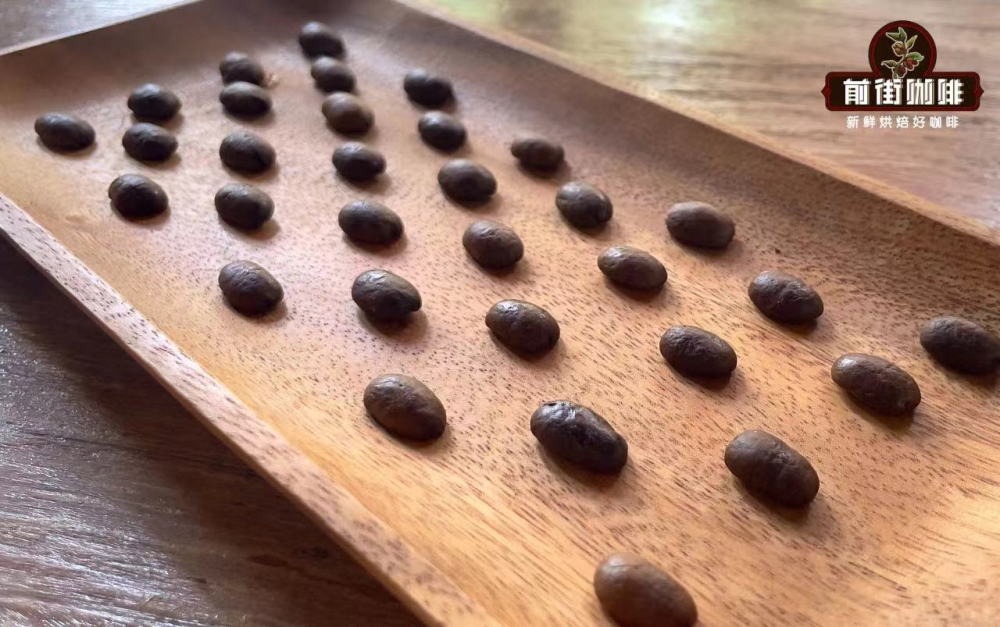
Front Street Coffee Ethiopia COE22
Region: West Arsi
Grower: Adem Banta Sute
Altitude: 2,000 meters
Variety: Typica
Processing method: Sun-dried processing
This bean, which Front Street won at Ethiopia's first COE auction, uses sun-dried processing. After the grower Adem Banta Sute harvested and sorted the coffee cherries, he evenly spread the whole cherries with the skin and pulp fully retained on raised beds to sun-dry. Before the moisture content drops to 25%, manual turning is required, once every half an hour to an hour, to avoid unpleasant over-fermentation flavors. This labor-intensive raised-bed drying method keeps the coffee cherries from touching the ground, prevents earthy and other off-flavors during sun drying, and also creates an exceptionally clean and rich fruity flavor. After more than two weeks of sun-drying, the shriveled, dark brown coffee cherries are stored, waiting for the flavor to mature. The green coffee beans are only taken out before shipment, and one can imagine how rich and full the sweetness is.
This bean was the 22nd place in the 2020 Ethiopia COE, so Front Street's bean list also concisely marks it with "COE22."
When Front Street Coffee's roaster handles this sun-dried Typica, in order to preserve the rich fruity sweetness and sourness and juicy mouthfeel, a medium-light roast is used. When Front Street's barista brews this bean, a Hario V60 dripper, 91°C water temperature, and a medium-fine grind size are used.
Dripper: Hario V60
Water temperature: 91°C
Coffee dose: 15 grams
Coffee-to-water ratio: 1:15
Grind size: 80% pass rate through the Chinese standard No. 20 sieve
Friends who often read Front Street articles should know that when Front Street brews a coffee bean, it mostly uses a three-stage pouring method, which can give the coffee a richer sense of layering.
First pour 30 grams of hot water for a 30-second bloom, then pour from the center point in a small stream while slowly circling to 125 grams for the stage, and when the water level in the dripper drops to the point where the coffee bed is about to be exposed, continue circling and pouring to 225 grams. When the water in the dripper has completely dripped into the server below, the dripper can be removed. The total extraction time is about 2 minutes.
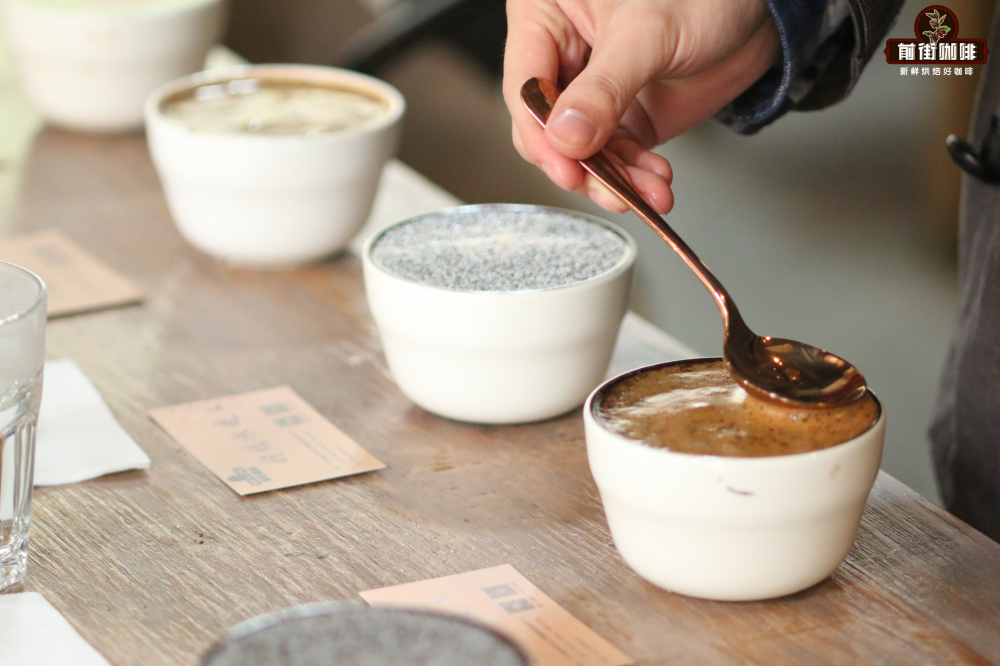
After brewing, Front Street's COE22 has the sweet-and-sour notes of lychee and strawberry, with a hint of fermented wine aroma, a creamy silky mouthfeel, and a honey-like sweet aftertaste.
For more coffee bean information, please follow Coffee Workshop (WeChat public account cafe_style) For professional coffee knowledge exchange, please add WeChat ID kaixinguoguo0925
The above content is compiled by CoffeeHunters, a coffee news website.


