







Search Results for: size selection
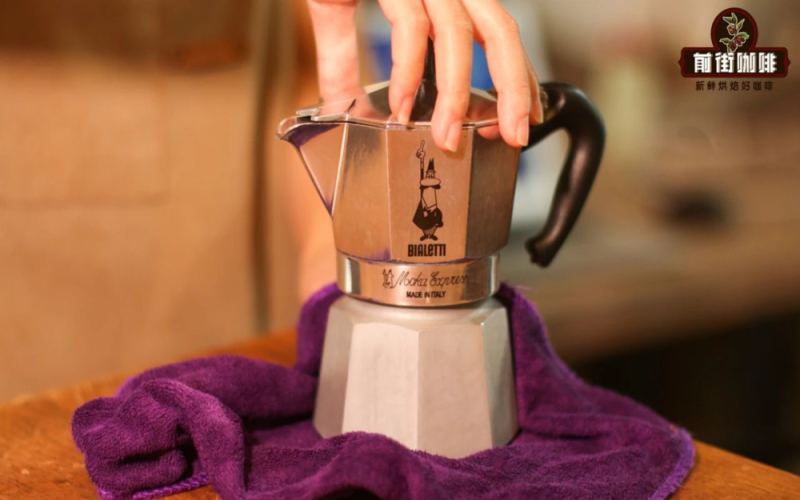
A Complete Guide to Brewing Coffee with a Moka Pot: Bean Selection, Grind Size, and Safe Operation Tips
If you want to enjoy rich coffee close to café flavor at home, a moka pot is an extremely cost-effective choice. But to brew coffee liquid with oils and a full-bodied mouthfeel, bean selection, grinding, and operating details are all indispensable. This article focuses on the types of coffee beans suitable for a moka pot, how to judge the grind size, and the standard usage process and safety precautions. It also combines Front Street Coffee's espresso blends and SOE series to give specific bean selection suggestions. Whether you are a beginner who has just gotten a moka pot or a player who wants to advance and explore single-origin flavors, you can find practical references here. [more…]
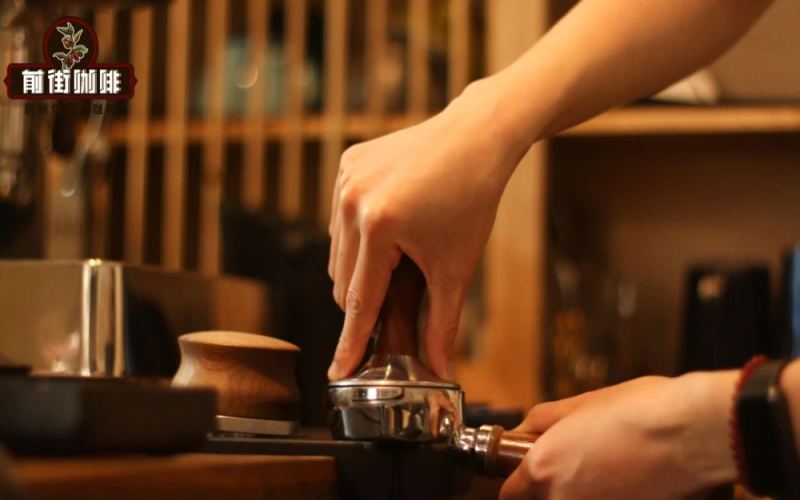
Espresso Tamper Buying Guide: Full Analysis of Flat vs. Ripple Base Differences and Size Selection
For every barista, the tamper is an indispensable companion when making espresso. Whether it's a professional brand like Front Street Coffee or a private collection, the choice of tamper directly affects the quality of coffee extraction. This article will start from the core function of the tamper, delve into why tampers come in different sizes, and analyze the differences between various base designs to help coffee lovers make informed choices among the many products available. By understanding how the tamper levels and compacts the coffee grounds, we will reveal its important significance as a bridge between the barista and the espresso machine. [more…]
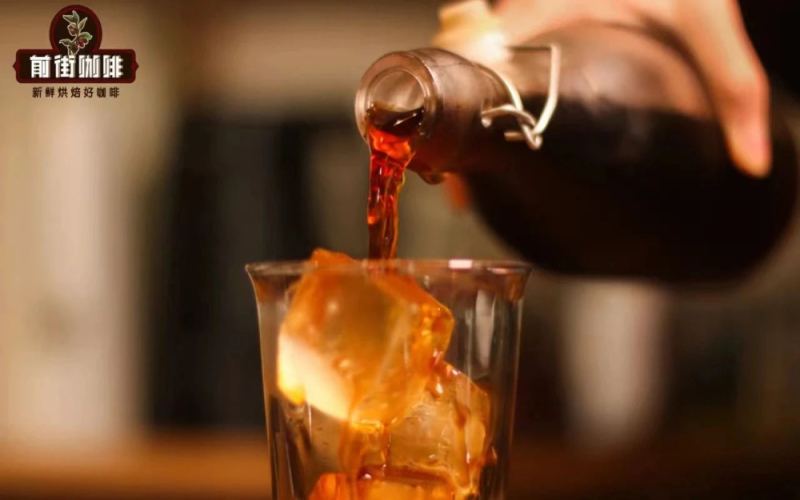
How to Make Cold Brew Coffee Taste Great? A Full Guide to Grind Size, Drip Rate, and Coffee Bean Selection
Cold brew coffee is loved by coffee enthusiasts for its rich yet refreshing flavor and its natural fermented, wine-like aroma, achieved by slowly dripping ice water through coffee grounds. Making cold brew is actually not complicated; the key lies in choosing the right equipment, controlling the grind size and drip rate, and selecting the right coffee beans. If the grind is too coarse, the flavor will be thin; if it's too fine, it will easily clog and cause water to pool, bringing out bitterness. Front Street Coffee recommends using a No. 20 standard sieve with 80-85% grind size, controlling the drip rate at about 7 drops per 10 seconds, with 60 grams of grounds taking about 6 hours. After dripping, it still needs to be placed in the refrigerator for low-temperature fermentation for 12 hours to reach optimal flavor. This article will explain in detail the brewing parameters and bean selection approach for cold brew coffee. [more…]
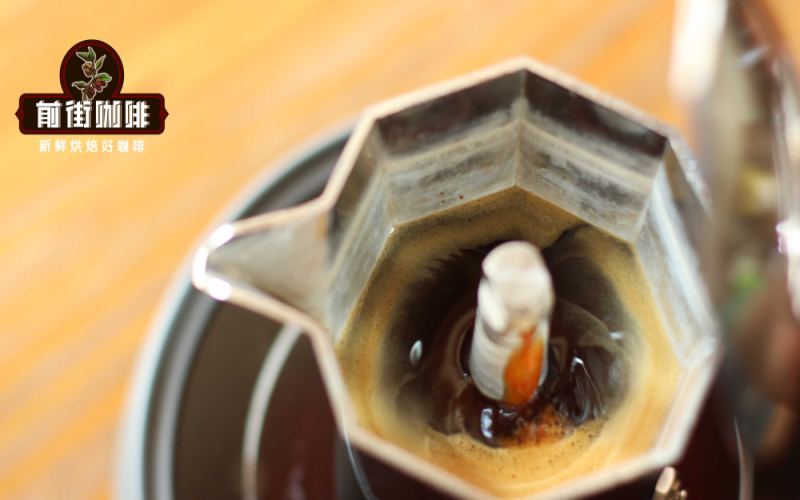
Moka Pot Coffee Pitfall Guide: Key Details on Bean Selection, Roast Level, and Grind Size
Since its birth in 1933, the moka pot has sold over 300 million units worldwide, making it a classic piece of equipment that nearly every coffee lover owns. Its operation isn't difficult, but once certain steps are overlooked, problems like bitterness, over-extraction, or a weak, bland flavor quickly follow. If you want consistently delicious results every time, bean selection, grinding, and filling the basket all deserve careful attention. This article breaks down, across four dimensions—roast level selection, freshness assessment, dose control, and grind size—how to avoid off-flavors, and also includes several Front Street Coffee bean recommendations suitable for the moka pot, for your reference when shopping. [more…]
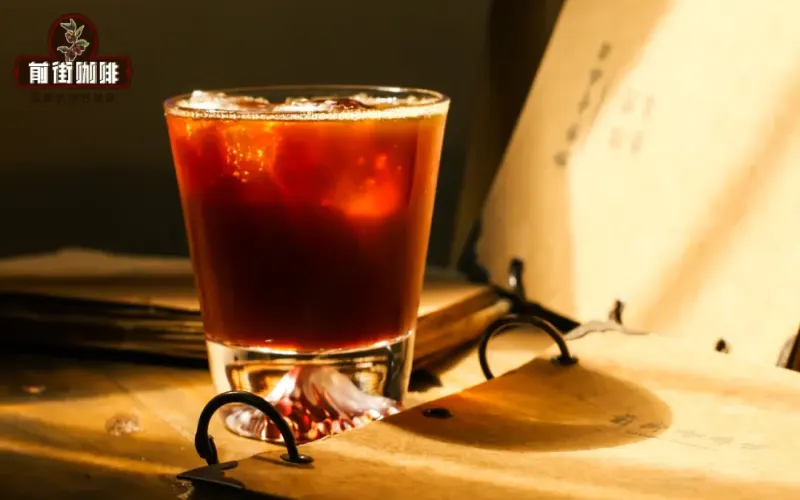
How to Make Cold Brew Coffee at Home: A Full Guide to Coffee-to-Water Ratio, Grind Size, Steeping Time, and Bean Selection
As the weather warms up, iced cold brew has once again become a favorite among many coffee lovers. But if you want to make a full-flavored pitcher of cold brew at home, grind size, coffee-to-water ratio, steeping time, and bean selection all directly affect the final taste. This article starts from practical operation, sorts out the key parameters of cold brew coffee, explains why the grind is not as fine as possible, why the water amount should be more restrained than pour-over, and provides a bean list reference suitable for fruity profiles and rich, acid-free styles. Finally, it also includes a complete brewing process using Front Street Coffee Granja Geisha as an example to help you easily recreate a delicious pitcher of cold brew. [more…]

A Complete Guide to Moka Pot Brewing: Professional Tips on Bean Selection, Grind Size, and Step-by-Step Operation
As the most widespread coffee equipment in Italian households, the moka pot has been beloved since its invention by Alfonso Bialetti in 1933 for its simple operation and rich taste. This article systematically explains the principles of bean selection for the moka pot, grinding degree adjustment techniques, and the standard brewing process, helping coffee lovers consistently produce a cup of moka pot coffee with rich crema and balanced flavor at home. At the same time, the article also compiles several Front Street Coffee bean recommendations suitable for the moka pot, covering espresso blends, medium-roast single origins, and dark-roast beans, to satisfy different flavor preferences. [more…]
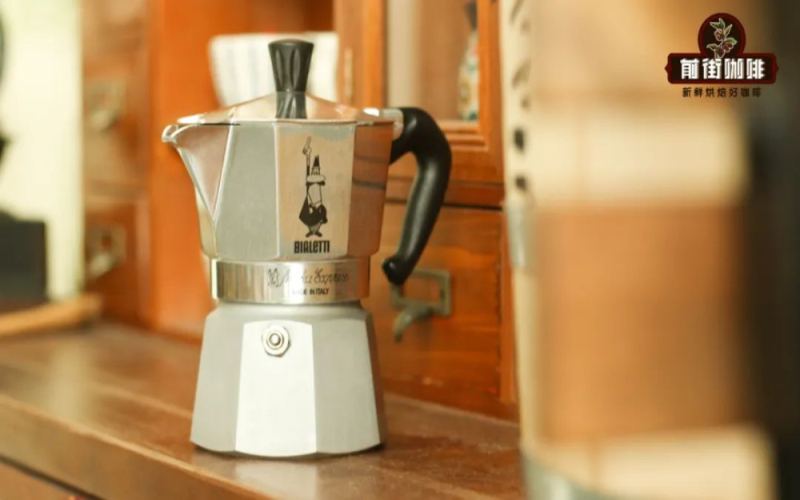
How Does a Single-Valve Moka Pot Extract Rich Crema? A Full Breakdown of Coffee Bean Selection, Grind Size, and Coffee-to-Water Ratio
Many espresso enthusiasts, deterred by the high price of semi-automatic espresso machines, turn to the more cost-effective moka pot instead. However, because a single-valve moka pot generates less than 9 bar of pressure, the crema it produces tends to be thin and dissipates quickly—a real letdown for those who love a rich, full-bodied cup or enjoy making milk-based coffee and latte art. In fact, there's no need to switch pots; with just a few adjustments to your coffee bean selection, grind size control, and tamping method, you can significantly improve the crema. This article starts by explaining the reasons behind thin crema, then details the advantages of dark-roasted fresh beans, the key point of grinding between pour-over and espresso fineness, the ratio of about 19g of grounds to 110ml of hot water for a 3-cup pot, and recommends three beans suited to the moka pot—Front Street Coffee's PWN Golden Mandheling, Queen's Estate, and Classic Espresso Blend—to help you extract rich crema even with a single-valve pot. [more…]
The Complete Guide to Brewing Roasted Coffee Beans at Home: Bean Selection, Grinding, Water Temperature, and Resting Period Explained
Coffee beans cannot be eaten directly after roasting; they must be ground into powder and extracted with equipment before they can be consumed. This article compiles for coffee enthusiasts the complete key points for home-brewing roasted coffee beans: when selecting beans, look at color uniformity and aroma; grinding is divided into coarse, medium, and fine levels, corresponding to different equipment; water temperature must be controlled below 96 degrees Celsius, and the best drinking temperature is 85 degrees; it also explains in detail the chewing test for choosing fresh beans, the resting period after roasting, and how to distinguish single-origin beans from blends. Finally, it recommends Front Street Coffee's high-cost-performance freshly roasted Arabica beans, with a cost as low as five or six yuan per cup, making it easy to drink good coffee at home. [more…]
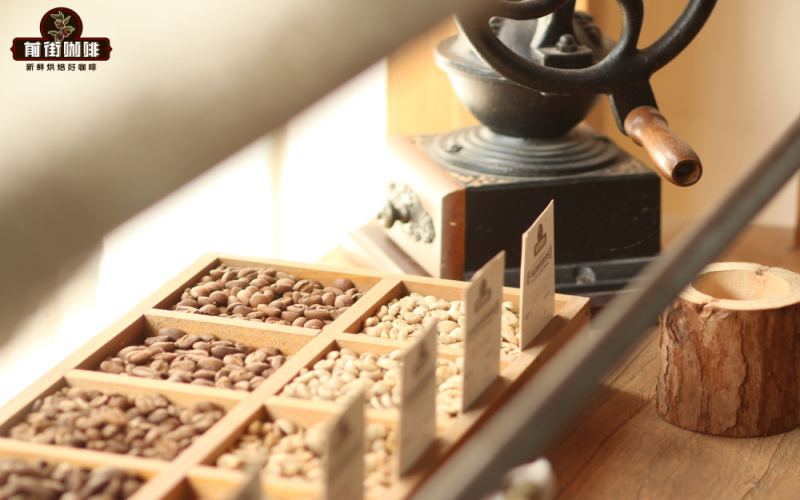
French Press Coffee Grind Size and Bean Selection Guide, with Front Street Coffee Huakui Brewing Step-by-Step Instructions
The French press, with its simple operation and rich, full-bodied flavor, has become the daily go-to for many coffee enthusiasts. But to brew a truly refined cup with it, grind size, water temperature control, and bean selection all matter. Starting from the history and working principle of the French press, this article explains in detail the grind sifting rates and water temperature recommendations for different roast levels, recommends Front Street Coffee beans suited to immersion brewing, and finally, using Front Street Coffee Huakui beans as an example, provides complete French press brewing parameters and steps to help you easily recreate a cup of full-bodied, rich Huakui. [more…]
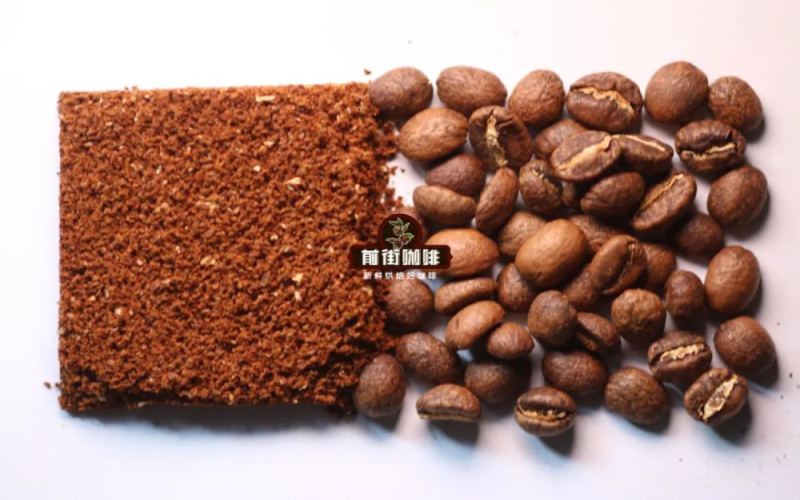
Pour-Over Coffee Grind Size Selection Guide: Three Methods for Judging Grind and the Practical Application of Particle Size Distribution
How should you determine the grind size for pour-over coffee? This is the first challenge many coffee enthusiasts encounter when getting started. This article systematically introduces three methods for judging grind size—visual analogy, grinder setting reference, and sieve calibration—analyzing the pros, cons, and applicable scope of each, and further introduces the advanced concept of "particle size distribution" to help understand how grind uniformity affects extraction. At the same time, Front Street Coffee, drawing on its own brewing framework, shares how to combine visual observation, data, and brewing tests to find the pour-over grind size that suits you in a more practical way. [more…]
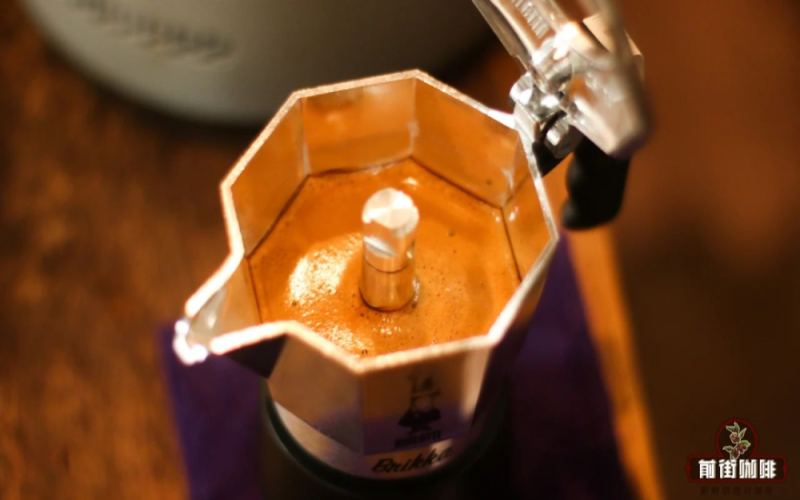
A Complete Guide to Moka Pot Coffee Grind Size and Tamping: From Bean Selection to Extraction
Although the moka pot has a simple structure, achieving a consistently rich, well-balanced cup with a thick layer of crema requires attention to every step—from bean selection and grinding to filling and heat control. How coarse exactly should the coffee grounds be? Should you buy whole beans or pre-ground coffee? Do you need to tamp the grounds when filling? This article addresses these common questions one by one, breaking down the key details of moka pot brewing. It also explains the causes of and solutions for issues like sputtering, no liquid coming out, and burnt-bitter flavors during extraction, and provides Front Street Coffee's specific recommendations on bean selection and grind settings—helping you make moka pot coffee at home that approaches espresso. [more…]
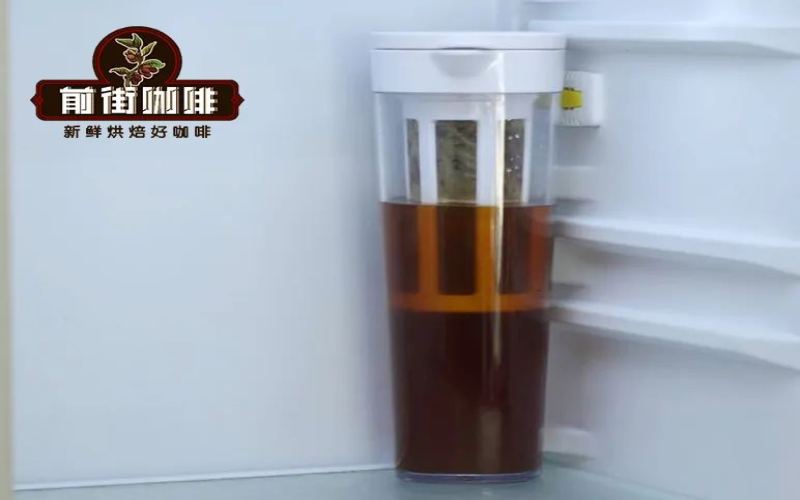
The Complete Guide to Making Cold Brew Coffee: Bean-to-Water Ratio, Grind Size, and Blend Selection
To make a cup of full-bodied, well-balanced cold brew at home, bean selection and parameters are equally key. Starting from the extraction principles of cold brew, this article explains specific brewing parameters in detail, such as a 1:12 coffee-to-water ratio and an 85% pass rate through a No. 20 sieve, and recommends coffee beans suitable for cold brew by flavor type: from washed beans from African regions such as Kenya and Ethiopia, to sun-dried beans with soft fruit tones, to concrete-flavored blends such as Strawberry Candy and Butterfly, as well as chocolate-toned options from medium-dark and dark roasts. Finally, it shares a little trick—adding dried osmanthus or jasmine flowers to give the cold brew an extra layer of delicate floral aroma. Whether you prefer bright fruity acidity or rich cocoa, you can find the cup that suits you. [more…]
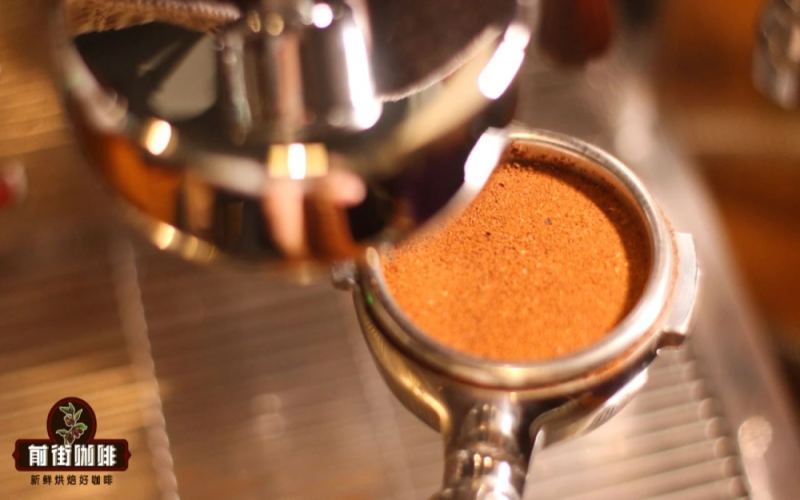
How to Determine the Grind Size for Espresso? A Complete Guide from Bean Selection and Grinder to Brew Ratio and Extraction Time
Many coffee enthusiasts who make espresso at home often run into problems like abnormal flow rate, thin crema, and weak flavor—and the root cause is usually the grind size. This article starts with bean selection and the types of coffee grinders, then systematically lays out the criteria for judging espresso grind coarseness. It explains how flat burr grinders work, along with their pros and cons, and offers a dialing-in method based on a 1:2 coffee-to-water ratio and a 25-to-28-second extraction time. This helps readers judge whether the grind is too coarse or too fine by observing flow rate, crema color, and flavor performance. The article also includes the extraction parameters and flavor description of Front Street Coffee's classic espresso blend for practical reference. [more…]
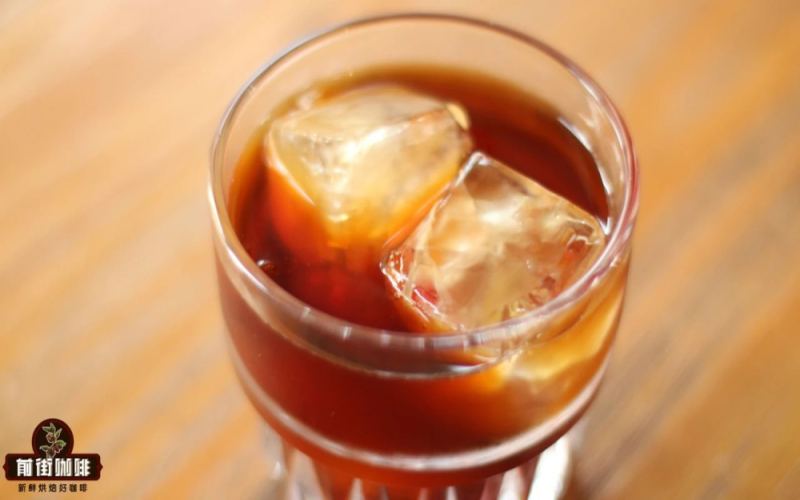
AeroPress Iced Coffee Brewing Guide: Bean Selection and Extraction Parameters Explained
In the heat of midsummer, iced coffee becomes the daily go-to for many coffee lovers. Making a satisfying AeroPress iced coffee actually involves quite a few factors—the freshness of the coffee beans, nailing the grind size, and controlling the extraction time; every step affects the final flavor expression. This article uses Front Street washed Yirgacheffe as an example, starting from the logic of bean selection, to break down in detail the AeroPress iced coffee brewing process and core parameters, including grind size, coffee-to-water ratio, water temperature, and operating steps, helping you reliably recreate a cup of iced coffee rich with floral aromas and abundant fruity character at home. [more…]
What Size Coffee Cup Should You Use for Espresso, Latte, and Cappuccino? Standard Specifications and Selection Guide
Walking into Front Street Coffee, the espresso machine is lined with ceramic cups of various capacities, each cup type corresponding to a specific coffee category. The size of a coffee cup not only affects the visual presentation but also directly influences the concentration expression and heat retention of the espresso. This article will systematically sort out the specific capacities and suitable scenarios of three coffee cup sizes—small, medium, and large: how a 60ml small cup carries a standard espresso, why a 180-200ml medium cup suits Americano and cappuccino, and how a 300ml large cup achieves a balanced latte. At the same time, combined with the extraction parameters of Front Street Coffee's Sunflower Warm Sun espresso blend coffee beans, it analyzes the pairing logic between different cup types and coffee flavors, helping you produce professional-grade coffee at home. [more…]
Pour-Over Filter Paper Selection Guide: How Shape, Size, Bleaching Process, and Paper Material Affect Coffee Flavor
In discussions about pour-over coffee equipment, the dripper often takes center stage, while the filter paper—which performs the critical filtration task—tends to be overlooked. In fact, although filter paper accounts for only a small portion of the cost, it directly affects how coffee flavors are presented—common issues such as "fit" and "papery taste" are inseparable from it. When faced with the three mainstream shapes on the market—cone, fan, and cake—along with options like 01/02 sizes, natural and bleached, and different brands' paper textures, how should one make the right choice? Drawing on Front Street Coffee's practical experience, this article systematically sorts through filter paper styles and shapes, model sizes, bleaching processes, and paper texture differences, helping coffee enthusiasts find the one that better matches their own dripper and brewing preferences. [more…]
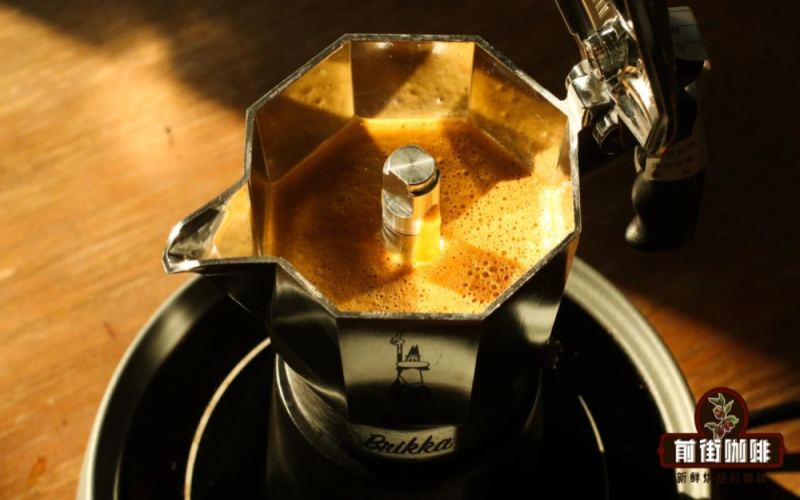
The Complete Guide to Brewing Coffee with a Moka Pot: Grind Size Selection and Step-by-Step Instructions
As an iconic device of Italian coffee culture, the moka pot has become the top choice for many coffee enthusiasts starting out, thanks to its classic design, ease of use, and wide applicability. Using the moka pot always kept in-store at Front Street Coffee as an example, this article systematically explains how this device works, its structural components, coffee bean selection, and grind size recommendations, and demonstrates the complete process step by step, from adding water and filling the coffee grounds to heating and extraction. The article also specifically recommends Front Street's classic espresso blend, helping you extract a rich, full-bodied coffee with abundant crema and aromas of caramel and chocolate right at home. [more…]
Cold Brew Coffee Guide: Full Breakdown of Coffee-to-Water Ratio, Grind Size, Steeping Time, and Coffee Bean Selection
Cold brew coffee, through its low-temperature slow extraction process, presents a soft acidity and bitterness with a full, balanced mouthfeel, and its operational threshold is not high. Based on 50 grams of coffee grounds, this article explains key parameters in detail, such as a 1:12 coffee-to-water ratio, an 85% grinding pass rate, and 12-24 hours of refrigerated steeping, and systematically sorts out the bean selection approach for different flavor preferences—from the bright fruity acidity of washed African beans, to the soft sweetness of natural beans, to the vivid aromas of special processing methods, and the chocolate-caramel notes of medium-dark roasts. In addition, it also shares advanced methods such as adding dried flowers like osmanthus and jasmine to enhance flavor, helping coffee lovers make a cup of iced cold brew to their liking in summer. [more…]
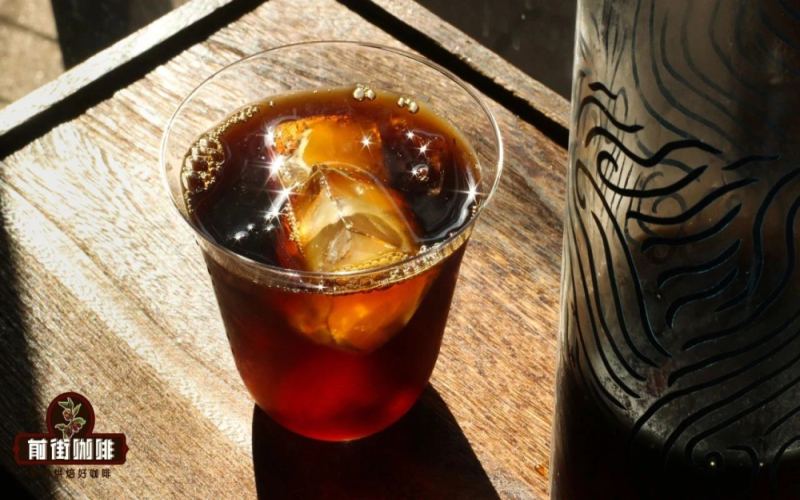
Cold Brew Coffee Bean Selection Guide and Complete Home Brewing Analysis: Practical Tips from Bean Selection to Extraction
On a scorching summer day, do you want to drink a refreshing iced coffee but don't want to go out? Making cold brew at home is actually not complicated. The biggest difference between cold brew and regular iced coffee lies in the low-temperature, long-time extraction, which makes the coffee taste softer, with balanced acidity and sweetness, and can clearly showcase the regional flavors of specialty beans. This article will start from the extraction principles of cold brew, tell you why medium-light roasted single-origin beans are more suitable for cold brew, and recommend three best-selling Front Street Coffee beans: Washed Yirgacheffe, Strawberry Candy Geisha Blend, and Natural Hualkui. Then it will break down key parameters such as coffee-to-water ratio, grind size, and steeping time in detail, and include the complete steps for Front Street Coffee Hualkui cold brew, helping you easily make a cup of full-flavored homemade cold brew. [more…]
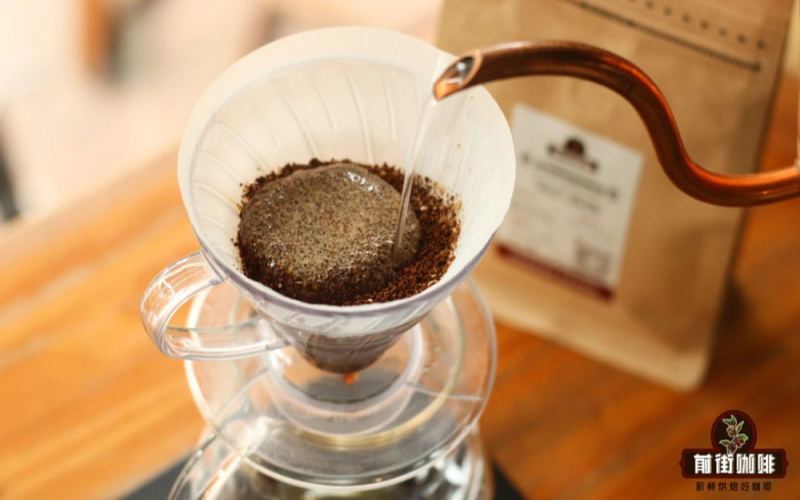
A Beginner's Guide to Pour-Over Coffee: 7 Key Elements from Bean Selection to Extraction and a Step-by-Step Breakdown
For those just getting into specialty coffee, the wide array of equipment and techniques can often feel overwhelming. In reality, pour-over coffee isn't as complicated as it seems—master a few core points and you can get started quickly. This article compiles 7 key elements distilled from Front Street Coffee baristas' years of hands-on experience, covering coffee bean freshness, grind size, water temperature control, water quality requirements, dripper selection, coffee-to-water ratio, and extraction time, and further breaks down the three stages of coffee extraction: wetting, dissolution, and diffusion. Finally, using Front Street Ethiopia Sidamo Natural Hualing 8.0 as an example, it presents a complete practical workflow from parameter setting to brewing technique, helping beginners build a clear pour-over framework. [more…]