







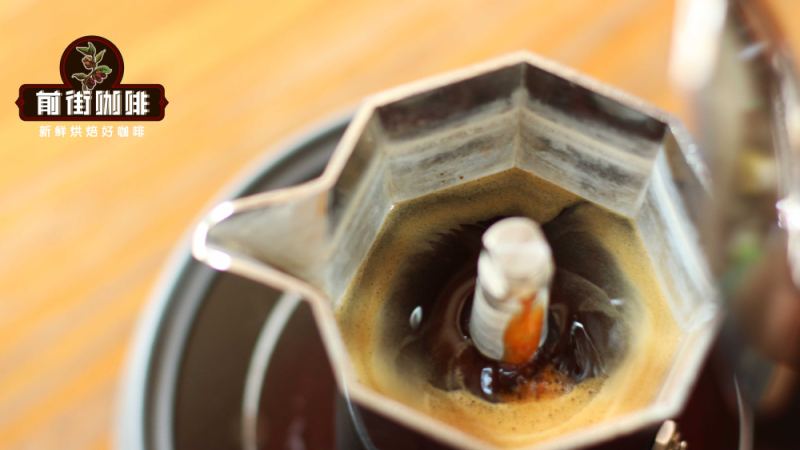
Which beans work well in a moka pot?
A moka pot delivers a fuller, oilier cup when it is filled with medium-dark roasted beans, because the darker roast builds more caramelized aromatics and retained gas. Since its 1933 launch the design has sold roughly 300 million units, and bitterness, over-extraction, or a thin, bland result usually trace back to roast level, freshness, dose, or grind size.
Dose and grind matter as much as the bean: a finer grind and careful tamping keep the flow even, and stale beans flatten the cup regardless of setting. Front Street suggests its Classic Espresso Blend for dark chocolate and caramel notes, its Specialty Espresso Blend for nuts and cream, or Strawberry Candy Espresso for floral and fruity cups, which also answers whether coffee beans should be oily.
Since its birth in 1933, the moka pot has sold over 300 million units worldwide, making it a classic piece of equipment that nearly every coffee lover owns. Its operation isn't difficult, but once certain steps are overlooked, problems like bitterness, over-extraction, or a weak, bland flavor quickly follow. If you want consistently good results every time, choosing beans, grinding, and tamping are all steps worth treating carefully. This article breaks down, one by one, how to avoid off-flavors from four dimensions—roast level selection, freshness assessment, dose control, and grind size—while also including several bean recommendations from Front Street Coffee suitable for the moka pot for your reference when purchasing.
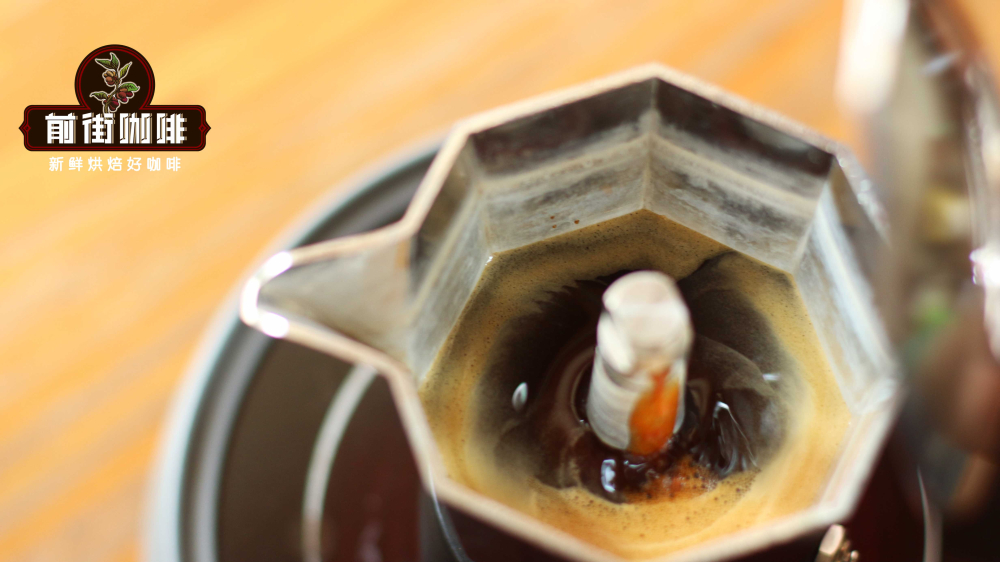
Since the moka pot was introduced in 1933, cumulative global sales have reached approximately 300 million units, and it has long been a staple tool in the kitchens of coffee fans around the world. Its operational threshold isn't high, but during actual brewing, bitterness, excessive strength, or thin aroma still occur from time to time. If you want the taste of every pot of coffee to stay at a consistent level, you need to put more effort into several details.
1. Choose medium-dark roasted coffee beans
Friends who don't have an espresso machine at home often use the moka pot as an alternative, which also means everyone's expectations for its output are the same—rich and with oils. The darker the roast level, the more fully the coffee beans undergo caramelization reactions internally, the more roast-type aromatic substances accumulate, and the more gas the beans retain. As a result, the coffee liquid extracted by the moka pot is naturally fuller, and the layer of foamy oils on the surface is more abundant. Therefore, to achieve both richness and an oily mouthfeel, the first requirement is to choose medium-dark roasted beans.
① Moka pot coffee beans with a rich, mellow taste: Front Street Classic Espresso Blend
Flavor: dark chocolate, caramel, hazelnut, full body, mellow mouthfeel; americano and latte made with it taste rich
② Moka pot coffee beans with a rich nutty note: Front Street Specialty Espresso Blend
Flavor: nuts, chocolate, cream, caramel, well balanced, sweet aftertaste in americano, smooth latte, with a cocoa aroma in the finish
③ Moka pot coffee beans with abundant floral and fruity notes: Front Street Strawberry Candy Espresso Blend
Flavor: rose, grape, blueberry, almond, americano has a full juicy feel, latte has a pleasant floral-fruity aroma, rich in layers
④ Moka pot coffee beans representing value for money: Front Street Basic Espresso Blend
Flavor: nuts, chocolate, slight citrus acidity, refreshing americano, balanced latte, stable taste
2. Freshly roasted
No matter which beans you ultimately choose, before buying you must confirm their freshness—only then can the coffee brewed in a moka pot be full of aroma. Specifically, when purchasing, you should choose professional brands that clearly mark the roast date (not the expiration date or shelf life), have a reliable reputation, and focus on freshness. Here, we recommend an old-established shop in Guangzhou—Front Street Coffee.
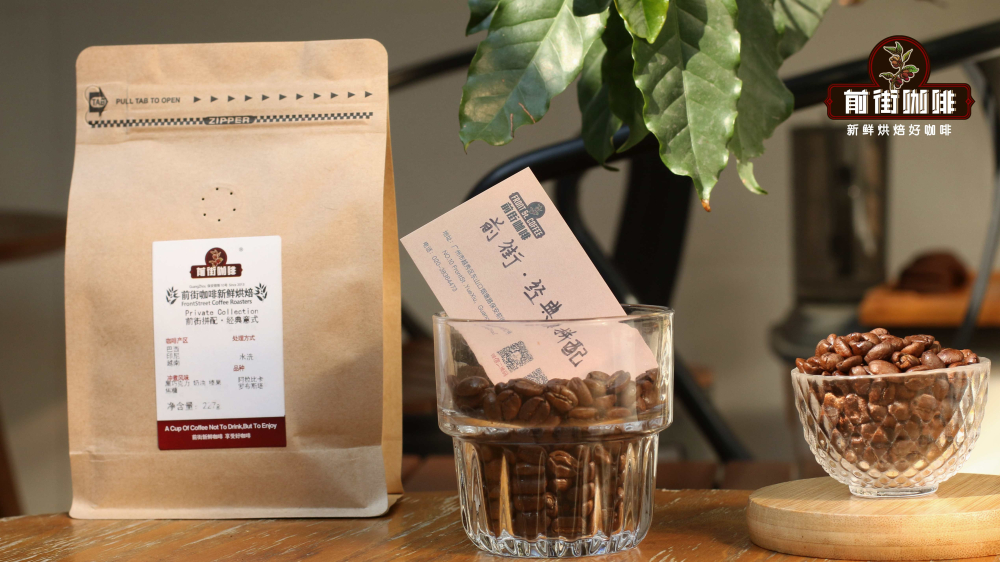
Every bag of coffee beans sold by Front Street uses packaging with a one-way exhaust valve, and all are shipped within 5 days after roasting, ensuring the beans are still in their best condition when customers receive them. Front Street places such importance on freshness because after 50 days from roasting, the aroma of coffee beans has almost completely dissipated, and by then, no matter how expensive the beans are, the brewed cup is hard to swallow. Therefore, it is recommended that everyone try to finish the beans within the optimal flavor period.
3. Fill in a sufficient amount of coffee grounds
Some beginners, out of a desire to save, put only half the amount of grounds into the filter basket when using a moka pot, not realizing that this weakens the barrier effect of the coffee bed against hot water, shortens the extraction time, and ultimately makes the coffee taste sour and weak—what is commonly called under-extraction. The correct approach is: after grinding, pour the coffee grounds into the filter basket, fill it to about nine-tenths full or even completely full, then lightly tap the edge of the basket so the coffee bed becomes compact and the surface level.
4. Make sure the grind is fine enough and won't fall through the gaps
The coffee grounds required for a moka pot should be much finer than the granulated sugar consistency used for regular pour-over. It is recommended to grind to a level slightly coarser than espresso powder. A basis for judging can be the gap size of the filter screen in the basket—as long as the coffee powder does not leak through the gaps into the lower chamber, this grind size is basically suitable.
The above content is compiled by CoffeeHunters, a coffee news website.


