








What coffee specifications matter when choosing pour-over filter paper?
Filter paper is a small share of pour-over costs but changes how flavors come through. Match the shape to the dripper: cone paper for cone drippers like V60 and Kono, fan-shaped paper for Melitta and Kalita, and cake paper for flat-bottom drippers. Special drippers such as Origami accept both cone and cake paper, so fit matters more than brand.
Model numbers are part of the coffee specifications worth checking: 01 fits one to two servings, 02 fits three to four. Beyond size, choose natural wood or bleached paper and compare paper texture across brands. A poor fit or a strong papery taste usually traces back to these choices, so align paper with your dripper and brewing preferences.
In discussions about pour-over coffee equipment, the dripper often takes center stage, while the filter paper—which performs the critical filtration task—tends to be overlooked. In fact, although filter paper accounts for only a small portion of the cost, it directly affects how coffee flavors are presented—common issues like "fit" and "papery taste" are inseparable from it. Faced with three mainstream shapes on the market—cone, fan, and cake—along with options like 01/02 sizes, natural wood vs. bleached, and different brands' paper textures, how should one make the right choice? Drawing on Front Street Coffee's practical experience, this article systematically sorts through filter paper styles and shapes, model sizes, bleaching processes, and paper texture differences, helping coffee enthusiasts find the one that better matches their own dripper and brewing preferences.

Dripper designs can be described as endlessly varied, and precisely because their shapes differ so much, people love to compare different drippers against one another. In doing so, an easily overlooked role comes to the surface—the "filter paper" that bears the heavy responsibility of filtration.
Filter paper accounts for only a very small part of the total cost of pour-over coffee, but whether it matches the dripper has a fairly noticeable impact on the direction of the final flavor. The terms we often toss around casually, like "fit" and "papery taste," are actually directly related to filter paper. So today, Front Street Coffee will talk about how exactly to choose filter paper.
Filter Paper Styles and Shapes
Currently, the most common filter papers on the market fall into three main categories: cone-shaped, fan-shaped, and cake-shaped.
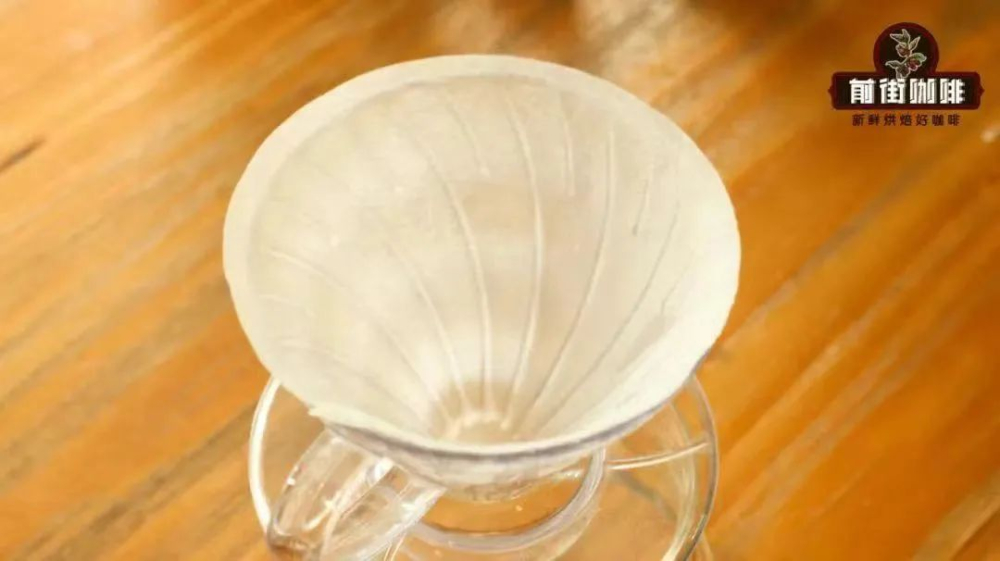
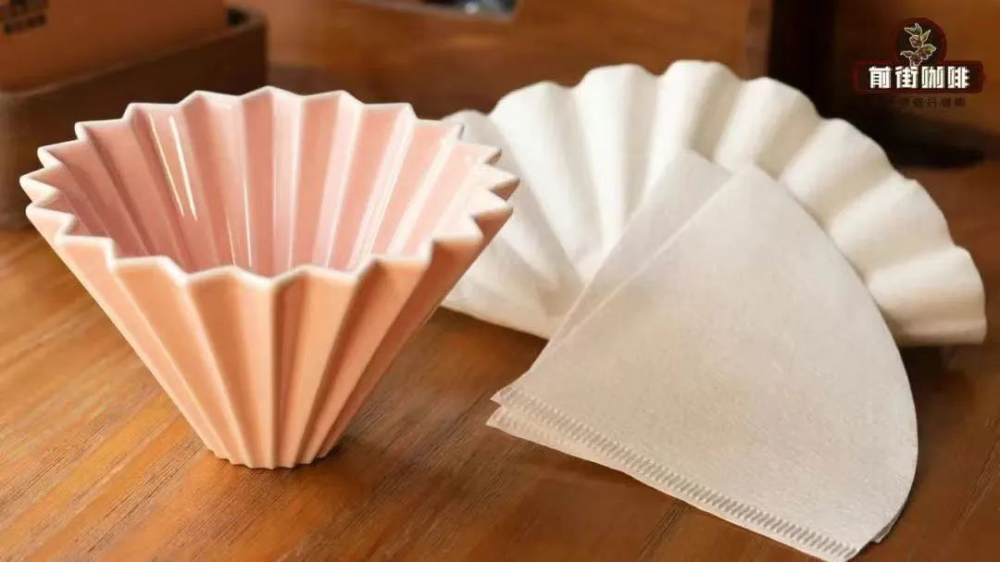
When choosing, you can directly match them to the dripper you have on hand: cone-shaped drippers like V60 and Kono use cone-shaped filter paper; fan-shaped drippers like Melitta and Kalita use fan-shaped filter paper; flat-bottom drippers correspond to cake filter paper; and for rather special drippers like Origami, both cone-shaped and cake-shaped filter papers are compatible.
Filter Paper Model Sizes
When buying drippers and filter paper, you often see numbers like 01 and 02, which represent the size of the equipment. 01 refers to small drippers or filter papers for 1–2 servings, while 02 refers to large ones for 3–4 servings.
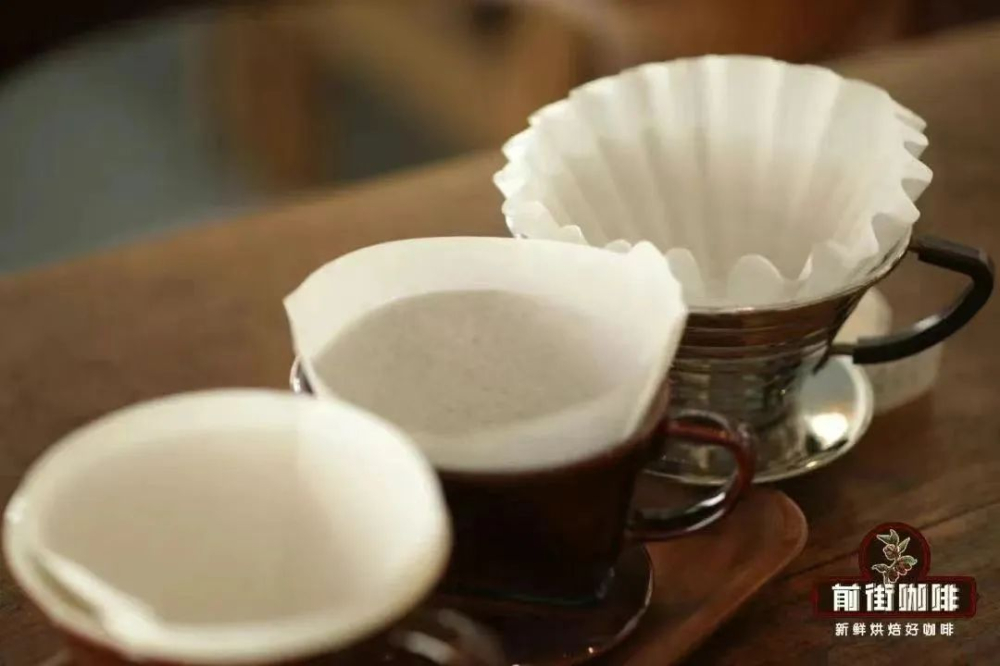
If you put small filter paper into a large dripper, it's easy to pour too much water during brewing, and the coffee liquid and grounds will overflow from the edges of the filter paper and drip directly into the server; conversely, large filter paper with a small dripper will interfere with the pouring motion, making it very awkward to operate. So when buying filter paper, you must determine it by referencing the dripper's specifications.
Natural Wood vs. Bleached
The debate between these two is the most intense in filter paper selection. The difference is clear from the names: both use wood pulp as the raw material, and the difference lies in whether one has been bleached and the other has not.
Natural wood filter paper is simply filter paper produced directly without bleaching. There's no need to worry about health issues when using it, but it has a major shortcoming—an overly strong papery taste. If you don't rinse it thoroughly with plenty of hot water, the papery taste will mix into the coffee and bring an unpleasant flavor. So in order to preserve the coffee's original flavor, most people don't choose natural wood filter paper.
As mentioned earlier, bleached filter paper also uses wood pulp as its raw material, but its papery taste is very faint, or even almost nonexistent, and it can relatively well restore the coffee's own flavor.
However, because it has been bleached, many people worry about whether it is toxic. In reality, with technological advances, many major brands have switched to enzyme bleaching, which uses bioactive enzymes to complete the bleaching process. This technology is widely used in the medical field, and its harm can basically be ignored.
Filter Paper Texture
Filter papers from different brands and different models do not perform the same in terms of paper texture. For example, Front Street Coffee once bought a Spanish-made filter paper, about 3 yuan per sheet, which compared with the commonly used Kono filter paper was a full ten times different in price. Their performance in softness and flow rate also differed.
Interested friends might as well buy several popular filter papers and compare them themselves to find the paper texture that suits their own brewing habits. Take Front Street Coffee as an example—we prefer types with softer paper and faster flow. Actually, just staying true to your own preferences is fine.
Front Street Coffee (FrontStreet Coffee)
No. 10 Baoqian Street, Yandun Road, Dongshankou, Yuexiu District, Guangzhou, Guangdong Province
The above content is compiled by CoffeeHunters, a coffee news website.


