








Which beans suit cold brew coffee and how are they brewed?
Cold brew works with a range of beans rather than one type. Use 50 grams of ground coffee at about 85% passing a No. 20 sieve, add 400 milliliters of room-temperature water plus 200 grams of hard ice for a 1:12 ratio, steep 12 to 24 hours in the refrigerator, filter, then chill the liquid about four hours more before drinking.
Flavor preference guides the choice: washed African beans from Kenya and Ethiopia for bright fruit acidity, sun-dried beans with soft fruit tones, blends with concrete flavors such as Strawberry Candy and Butterfly, and medium-dark or dark roast chocolatey options. Adding dried osmanthus or jasmine flowers during steeping lends a delicate floral layer. Sweetener choice is separate; types of sugar for coffee do not change extraction.
To make a full-bodied and balanced cold brew at home, bean selection and parameters are equally key. This article starts from the extraction principles of cold brew, explains specific brewing parameters such as a 1:12 coffee-to-water ratio and an 85% pass rate through a No. 20 sieve, and recommends coffee beans suitable for cold brew by flavor type: from washed beans from African origins like Kenya and Ethiopia, to sun-dried beans with soft fruit tones, to blends with concrete flavors like Strawberry Candy and Butterfly, as well as medium-dark and dark roast chocolatey options. Finally, it shares a little trick—adding dried osmanthus or jasmine flowers to give the cold brew an extra layer of delicate floral aroma. Whether you prefer bright fruit acidity or rich cocoa, you can find the cup that suits you.

Front Street previously published an article about how to make cold brew coffee, and afterward quite a few readers left messages in the backend wanting to know what kind of coffee beans to choose for cold brew. Today we will focus on this question.
Cold brew is a low-temperature immersion extraction. The longer the immersion time, the types of acidic substances gradually decrease, so the finished brew’s acidity and bitterness are both much softer. At the same time, aromas volatilize less, so the fragrance is better retained, and the body and balance on the palate are more prominent.
Cold brew is not complicated to make and is easy to get started with. Using 50 grams of ground coffee as the base, control the grind size to about an 85% pass rate through a No. 20 standard sieve. Pour the grounds into a glass container, add 400 milliliters of room-temperature water, then add 200 grams of hard ice cubes (ice and water total 600 grams), making the coffee-to-water ratio 1:12. Use a stirring stick to let the coffee grounds and water fully contact, then seal and place in the refrigerator.
After letting it sit in the refrigerator for 12 to 24 hours, filter out the coffee grounds with filter paper to obtain a clear coffee liquid. Put the filtered liquid into a clean sealed bottle and continue to refrigerate for about 4 hours before drinking; the flavor will be better.
What flavor of cold brew do you want to drink?
"Which type of flavor do you usually prefer?" This is the question Front Street baristas ask customers most often in the store. Then they choose suitable beans to brew according to the other person’s taste preference, for example floral, fruity, sour-leaning, high-sweetness, clean, or some specific aroma.
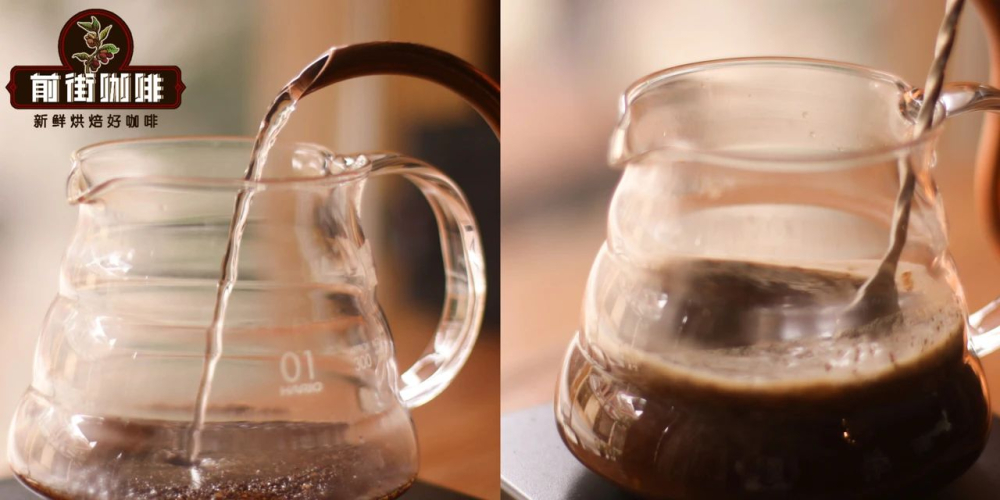
Selecting floral and fruity beans
This type of description usually corresponds to light to medium roast coffee beans, and Africa and Central America are the preferred origins for finding floral and fruity coffee.
Bright fruit acidity: If you want this direction, you can choose washed beans from Kenya, Ethiopia, and Panama. Washed processing makes the acidity more elevated, and the bright fruit flavors give the cold brew a full juicy feel. For example, Front Street Kenya Asalia, Front Street Ethiopia Yirgacheffe Gudingding Cooperative, and Front Street Panama Boquete Geisha all belong to this category.
Soft fruit tones: Sun-dried beans have higher sugar content than washed beans, so the sweetness is more prominent, the floral aroma is rich, and they carry ripe tropical fruit flavors. After long cold brew extraction, the floral and fruit tones complement each other, and the fermented quality unique to sun-dried beans is also amplified. Examples include Front Street Sun-Dried Red Cherry and Front Street Sun-Dried Huakui.
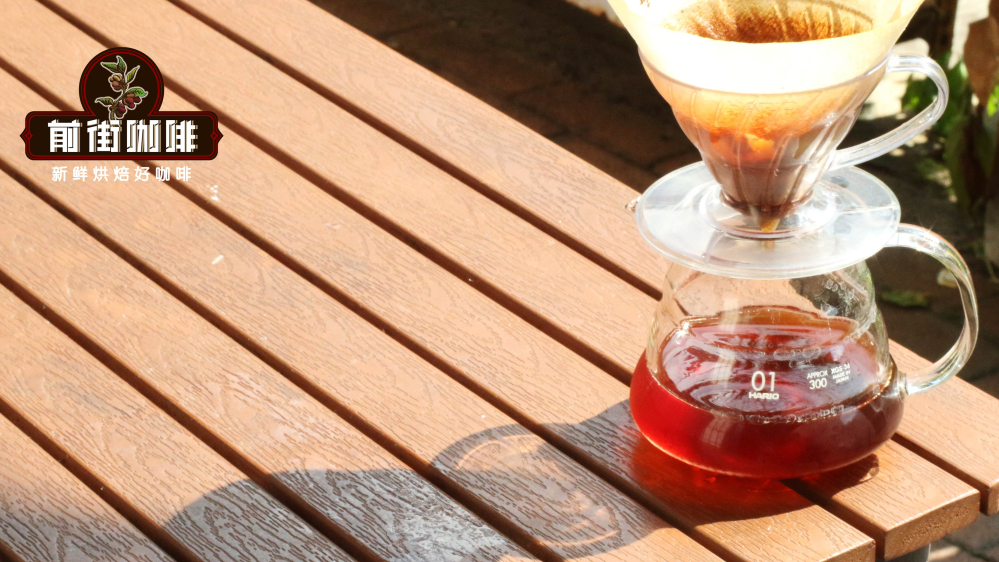
Selecting beans with concrete flavors
In addition to traditional processing methods, origins nowadays have also introduced many novel green bean processing methods, giving coffee a very specific aroma. For beginners just starting out, this type of bean is relatively friendly. When used for cold brew, as time passes, the aroma slowly merges into the coffee, ultimately becoming a glass of iced coffee with both a full body and aroma. This type of bean is widely distributed across origins; Front Street will pick a few well-known ones as examples.
Recommended cold brew beans with obvious fruit aromas include: Front Street Costa Rica Mirazu Estate Strawberry Candy Geisha Blend (strawberry, dried fruit), Front Street Costa Rica Blackberry (raisin, floral).
Those with clear floral aromas include: Front Street Panama Butterfly (white floral, citrus, grapefruit), Front Street Colombia Sidra (rose, passion fruit, grape).
Selecting medium-dark roasted beans
If you do not really like sweet-and-sour flavors, Front Street suggests choosing medium-dark or dark roasted beans. Long high-temperature roasting gradually causes the beans to lose acidity, ultimately presenting caramel, spice, and chocolate flavors.
Medium-dark roast: This type of bean does not completely erase the acidity, retaining a faint acidic sensation that makes the cold brew more balanced overall. Once made into cold brew, chocolate flavor dominates, and the soft acidity is not jarring within it. Examples include Front Street Brazil Queen Estate, Front Street Papua New Guinea Bird of Paradise, and Front Street Yunnan · Front Street 2013.
Dark roast: If you do not want to taste any acidity at all and only want to enjoy the rich, silky body brought by spice and chocolate, dark-roasted Front Street Indonesia Front Street PWN Golden Mandheling will be a good choice.
Add appropriately to make it even better
In addition to bean selection, here is a little variation to share: when making cold brew, add a small proportion of osmanthus or jasmine flowers to give the coffee a touch of delicate floral aroma.
Although there are many beans to choose from for cold brew, slow extraction with cold water ultimately makes the flavor relatively one-dimensional and less varied than hot pour-over. So creative people add other auxiliary ingredients to supplement the coffee with a unique aroma, such as dried flower petals, which are very popular among women.
Cold brew has few stages that can be adjusted, and the whole process is static immersion. If you want the fragrant scent to enter the coffee and bring a fresh feeling, it is best to choose types with prominent floral aromas, such as osmanthus, jasmine, and rose. These three dried flowers are easy to buy in daily life and blend relatively well with coffee flavors. However, although dried flowers are fragrant, their taste is rather thin, so it is best to steep them together with light-to-medium roast coffee beans whose flavor leans floral and fruity, so that the two can bring out the best in each other.
The above content is compiled by CoffeeHunters, a coffee news website.


