







How Does Coffee Extraction Work in Cold Brew?
Cold brew coffee extraction relies on a long, still steep in cold water rather than the turbulence of a pour-over, so grind size is the main control. A grind that is too fine creates more fines, which clump together during the steep and reduce the surface area available for extraction, often pushing the brew toward under-extraction instead of a stronger cup.
For light roasts, aim for a 75% to 80% passing rate on a No. 20 sieve; dark roasts sit at 70% to 75%, close to a pour-over grind. Use a 1:5 to 1:8 coffee-to-water ratio by weight and steep 12 to 18 hours in the refrigerator. Since the water stays cold, questions about how hot should water be for coffee apply mainly to hot methods.
As the weather gradually warms up, iced cold brew has once again become a favorite among many coffee lovers. But if you want to make a full-flavored pot of cold brew at home, grind size, coffee-to-water ratio, steeping time, and bean selection all directly affect the final taste. Starting from practical operation, this article sorts out the key parameters of cold brew coffee, explains why the grind is not as fine as possible, why the water amount should be more restrained than pour-over, and provides a bean list reference suitable for fruity notes and a rich, acid-free style. Finally, it also includes a complete production process using Front Street Granada Geisha as an example to help you easily replicate a delicious pot of cold brew.
Summer is almost here, and quite a few friends have again asked Front Street about the production parameters and steps for cold brew coffee, so today Front Street plans to share in detail the steps for making cold brew coffee and which parameters are needed.
Grind size: Let's talk about grind size first! Friends often think that because cold brew coffee extraction uses cold water, the extraction efficiency is low, so the grind needs to be made finer to improve extraction efficiency and thereby brew a rich and delicious cold brew coffee.
But if you often read Front Street's shares, you should know that for cold brew coffee, grinding the beans finer does not make the brewed coffee stronger. On the contrary, it may lead to under-extraction.
Because the extraction process of cold brew coffee is a long static steep, during which there is almost no disturbance to the coffee grounds. Therefore, when the grind is finer, there will be more fines. Under long static steeping, the fines tend to clump together, reducing the extraction surface area, so under-extraction may actually occur.
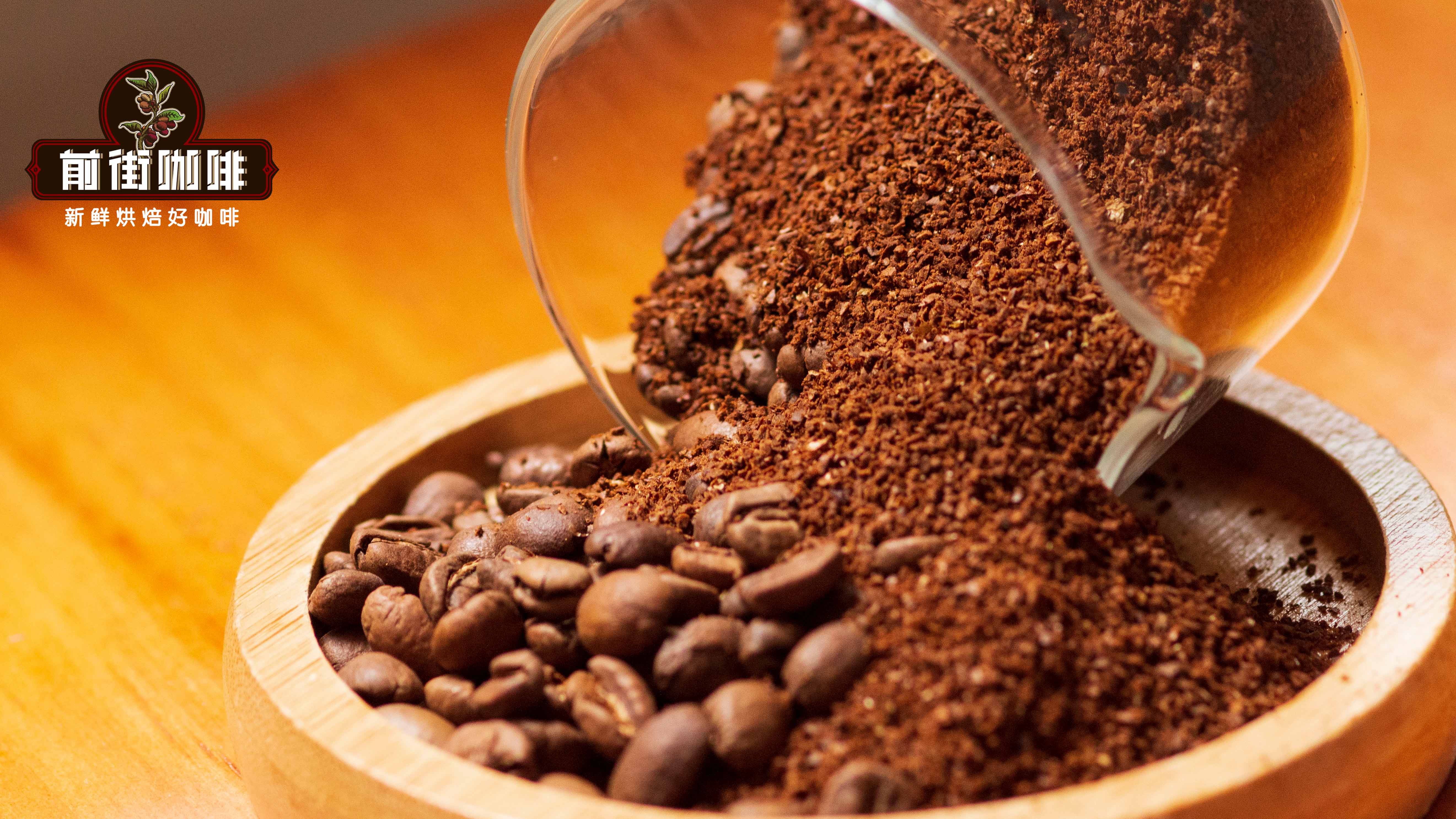
Therefore, Front Street recommends that everyone directly use the pour-over coffee grind size when making cold brew coffee. It can be slightly finer, but not by much. Although Front Street stores do not serve coffee, the cold brew coffee we have made already numbers in the thousands of pots, and this grind size is indeed enough for us to make delicious cold brew coffee. The recommended parameters are as follows: for light-roast coffee beans, use a 75%~80% passing rate on a No. 20 sieve; for dark-roast coffee beans, use a 70%~75% passing rate on a No. 20 sieve.
Ratio: The ratio parameter determines the concentration of cold brew coffee! Under the premise that the extraction rate remains unchanged, the more water we use to brew cold brew coffee, the lower the concentration and the weaker the taste; conversely, the less water used, the higher the concentration and the stronger the taste.
However, because the extraction efficiency of cold brew is generally low and it cannot dissolve a large amount of flavor substances from coffee like hot-brewed coffee can, the amount of water we use to brew cold brew coffee is best slightly less than for pour-over coffee, in order to increase the concentration of flavor. 1:10~1:12 are both fine. If you plan to add ice when drinking the cold brew later, Front Street recommends using a 1:10 coffee-to-water ratio; if drinking it straight, then it is best to use 1:12.
Time: The length of steeping time can also determine the strength of the coffee. Generally speaking, the recommended steeping time for cold brew coffee is 8~12 hours. Although the longer it steeps, the richer the coffee becomes, after a certain point the increase in flavor will drop significantly because the concentration is too high. Of course, it does not matter if you want to steep it longer. In short, just try to keep the extraction time above 8 hours.
Coffee beans: Although all coffee beans can be used to make cold brew coffee, there are always some coffee beans that are especially suitable, the type that more easily brews out flavor.
If everyone likes rich fruity flavors, then the coffee bean choice can be Front Street Boundary Line Sidra. It is a double anaerobic medium-light roast coffee bean. The cold brew coffee made with it will have rich notes of grape, apricot, passion fruit, floral aroma, and fruity wine. It is very, very good;
Or Front Street Granada Geisha. It is a sun-dried medium-light roast Ethiopian bean. Compared with Sidra, the cold brew coffee made with it will be more refreshing, with notes of citrus, berries, apricot, and oolong tea. It is refreshing and delicious;
If everyone likes coffee that is mellow and aromatic without acidity, then for coffee bean selection it is recommended to prioritize medium-dark roasts. For example, Front Street PWN Golden Mandheling or Front Street Papua Bird of Paradise from the Front Street bean list are both very good choices. The cold brew coffee made with them will have the aroma of chocolate, caramel, and creamy nuts. It is very good.
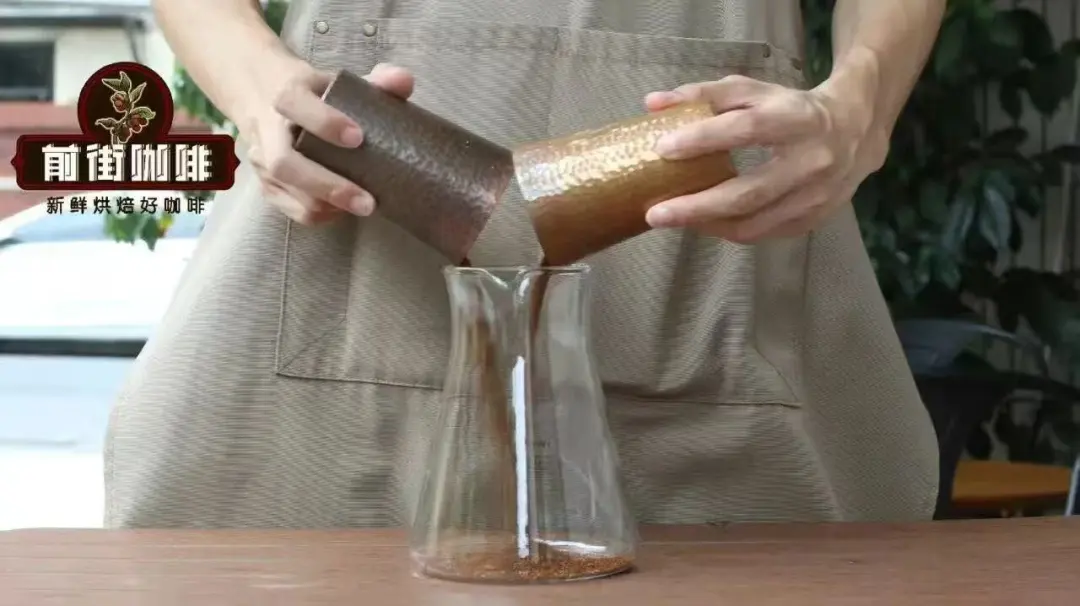
Production sharing
Now that the parameters and materials have been discussed, next Front Street will share the production steps. Here Front Street will use the previously introduced Front Street Granada Geisha, with the following parameters:
Coffee-to-water ratio: 1:10
Grind level: 75%~80% passing rate on a No. 20 sieve
Steeping time: 8h
① First, prepare a sealed bottle, then pour all the coffee grounds and water into it; ② Then stir, seal, and place it in the refrigerator to chill; ③ After 8 hours, take it out and filter; ④ After filtering is complete, put it back into the sealed bottle and place it in the refrigerator for cold fermentation, the purpose being to make the cold brew flavor richer; ⑤ After fermentation is complete, we can begin enjoying the delicious cold brew coffee~
The above content is compiled by CoffeeHunters, a coffee news website.


