







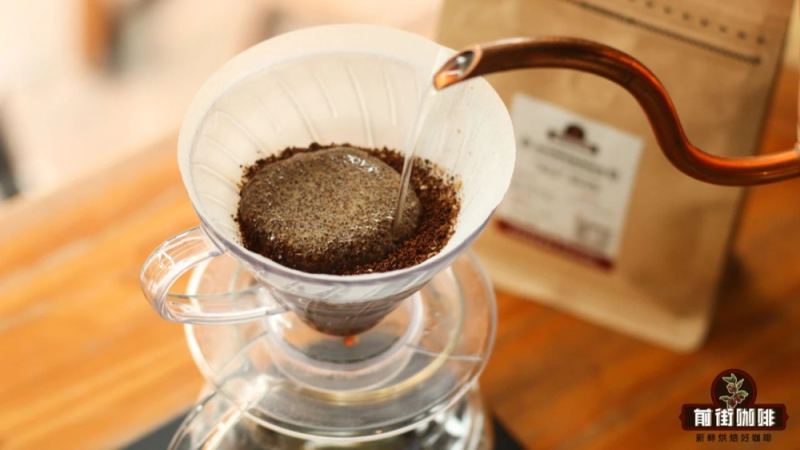
For those new to specialty coffee, the wide variety of equipment and techniques often feels overwhelming. In fact, pour-over coffee isn't as complex as it seems—master a few core points and you can get started quickly. This article compiles 7 key elements summarized from Front Street Coffee baristas' years of hands-on experience, covering coffee bean freshness, grind size, water temperature control, water quality requirements, dripper selection, coffee-to-water ratio, and extraction time, and further explains the three stages of coffee extraction: wetting, dissolution, and diffusion. Finally, using Front Street Ethiopia Sidamo Natural Florals 8.0 as an example, it presents a complete hands-on process from parameter setting to brewing technique, helping beginners build a clear pour-over framework.
For more specialty coffee knowledge, please follow: Front Street Coffee ( Frontsteet Coffee )
The specialty coffee industry has developed rapidly in recent years, and pour-over coffee has gradually entered the public eye. However, for beginners just starting out, the wide variety of equipment and brewing methods often leaves them unsure where to begin. Front Street often encounters friends who come to ask about pour-over methods for beginners, and the most common question is how to get started. In this article, Front Street will systematically sort out the 7 key points of pour-over coffee and explain the underlying principles of pour-over extraction.
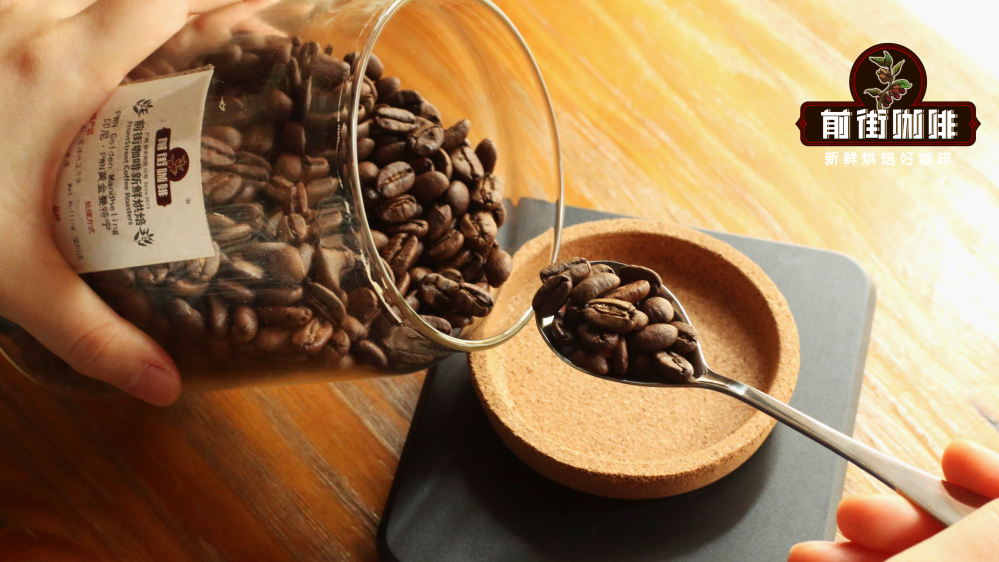
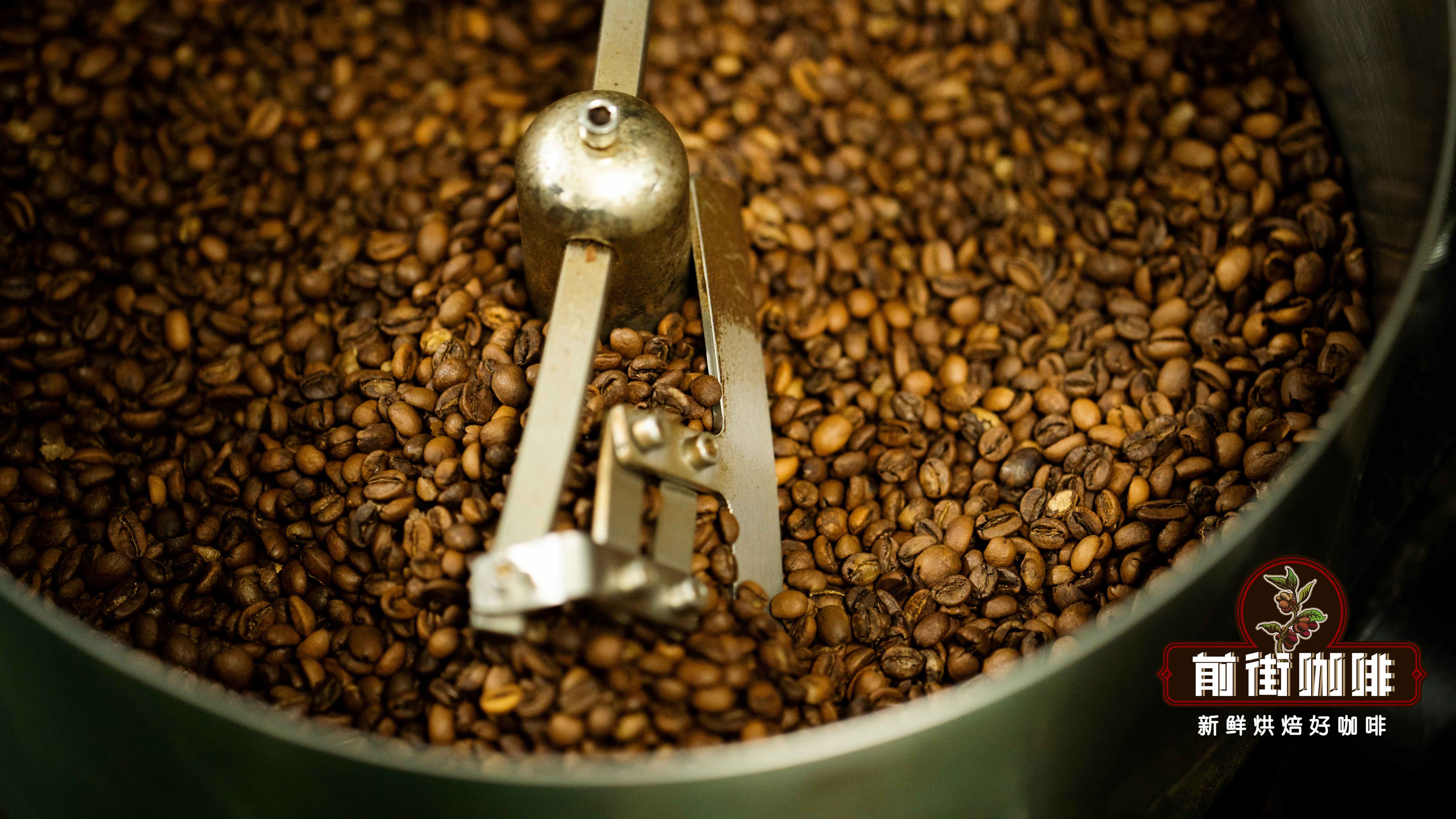
These 7 elements are concise points summarized by Front Street Coffee baristas based on long-term hands-on experience. The aim is to let those learning pour-over clearly know which aspects to pay attention to during brewing without having to read through a large amount of material. 1. Use freshly roasted coffee beans Front Street defines the optimal flavor period for coffee beans as 30 days. After this period, the aroma molecules inside the coffee beans dissipate along with carbon dioxide, and the brewed coffee often tastes flat and lacks complexity. For this reason, every time Front Street explains brewing knowledge, it repeatedly emphasizes one principle—be sure to use freshly roasted beans.
2. Control of grind size The finer the grind, the more easily coffee grounds accumulate at the bottom of the filter paper, increasing resistance as water passes through, slowing the flow rate, and lengthening extraction time. In this case, unpleasant flavors such as woody or miscellaneous notes are easily extracted. Conversely, the coarser the grind, the larger the gaps in the coffee bed, the less coffee grounds hot water can contact, the weaker the resistance, the faster the dripping speed, and the lower the extraction yield, so the final coffee flavor is also lighter.
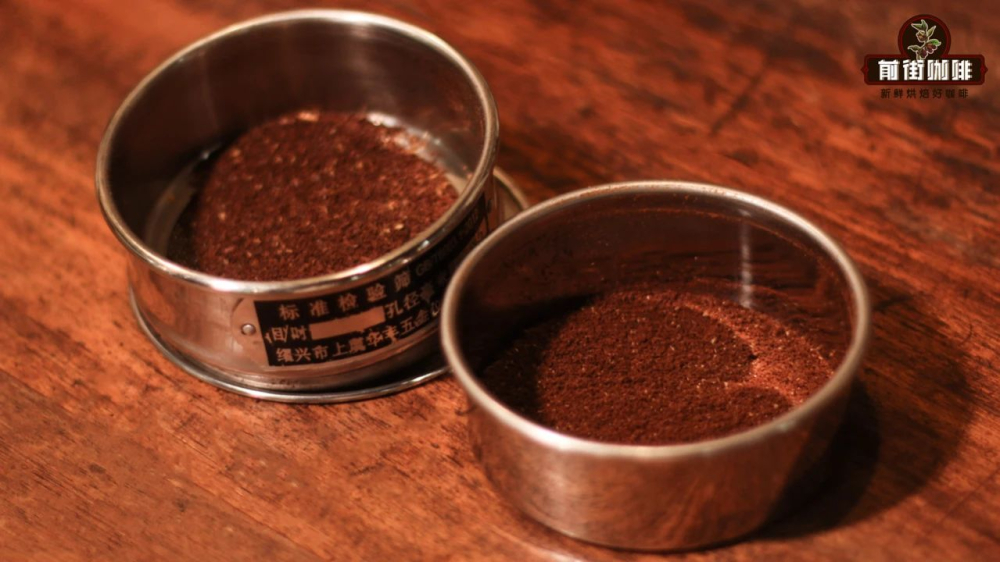
To help every bean find its most suitable grind size, Front Street recommends getting a No. 20 cupping correction sieve with an aperture of 0.85mm. The method is to take 10g of coffee beans, first adjust to a roughly suitable grind size and grind into powder, pour it into the sieve and sift, then weigh the sifted powder (you must sift until no more powder can pass through). A pass rate of 80% (that is, 8g sifted from 10g powder) is the most suitable grind size for medium-light roasted beans; a pass rate between 70%-75% (7-7.5g sifted from 10g powder) corresponds to medium-dark roast. If it exceeds the suitable pass rate, the grind size needs to be coarser; if it does not reach it, it needs to be finer. 3. Selection of brewing water temperature When brewing beans of different roast levels, Front Street Coffee uses different water temperatures. During roasting, substances inside the coffee beans are lost as the roast deepens, so dark-roasted beans need lower water temperatures to avoid extracting too many miscellaneous flavors. For medium-light roasted beans, Front Street Coffee recommends water at 90-91°C; for medium-dark roasted beans, 87-89°C is suggested.
4. The impact of water quality The mineral components contained in water, such as calcium, magnesium, sodium, and potassium ions, can change coffee's extraction capacity at the thermodynamic level, thereby affecting the final flavor. Front Street Coffee does not recommend directly heating tap water for brewing, because tap water contains many impurities and can easily give coffee an unpleasant taste.
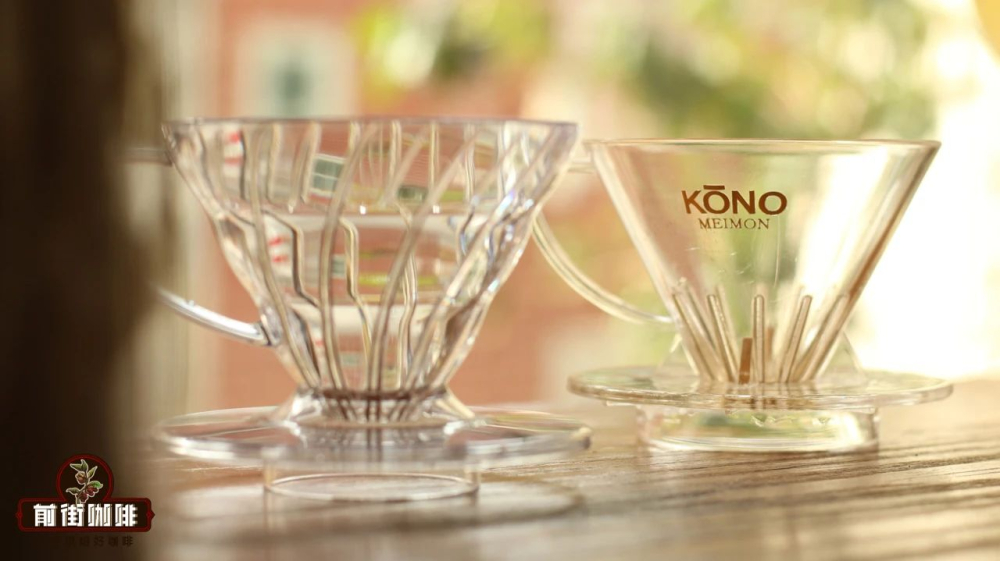
5. Selection of dripper Front Street recommends beginners start with the V60 01 dripper. The V60 conical dripper has a wider opening, and together with its unique spiral curved ribs, air can escape more smoothly, thereby improving extraction quality. The coffee brewed with it may not have a thick mouthfeel, but the acidity and bright aroma brought by its high concentration are its greatest characteristics.
6. Coffee-to-water ratio for pour-over coffee The following is the correspondence between pour-over coffee water-to-coffee ratios and taste based on the SCA Golden Cup extraction theory:
【Bold taste】1:10~1:11, i.e. 1:12.5~1:13.5 under the Golden Cup standard 【Moderate taste】1:12~1:13, i.e. 1:14.5~1:15.5 under the Golden Cup standard 【Light and refreshing】1:14~1:16, i.e. 1:16.5~1:18.5 under the Golden Cup standard
When the ratio of coffee bean grams to brewing water volume is between 1:14.5 and 1:15.5, it is most likely to fall within the golden range of 18%-22% Golden Cup extraction yield and 1.15%-1.35% concentration. This is also why Front Street Coffee always recommends brewing at 1:15. 7. Extraction time of pour-over coffee During extraction, the aroma and flavor released in the early stage are rich and the concentration is high; the later it goes, the lighter the flavor and aroma become, and the amount of water poured also affects extraction time. Front Street Coffee usually uses 15g of powder, depending on the bean's characteristics, and under a coffee-to-water ratio of 1:15, controls brewing time within 2 minutes to 2 minutes 30 seconds, so over-extraction or under-extraction is less likely to occur.
Having covered the 7 elements, next let's talk about the extraction principles of pour-over coffee.
The essence of brewing coffee is the process of extracting molecules from inside coffee cells. This process consists of three steps: wetting, dissolution, and release. The three occur in sequence and influence each other, ultimately shaping the flavor of the coffee together.
【Wetting】
Literally, it means the coffee grounds are moistened after contacting water. This is the starting point for coffee cells to begin releasing molecules, which is what Front Street often calls the blooming stage.
【Dissolution】
Dissolution refers to the process in which soluble molecules in coffee cells dissolve into hot water. This is the most critical step and directly determines the extracted coffee flavor, which is what Front Street often calls the extraction process.
About 70% of a coffee bean is insoluble cellulose, and the remaining 30% is soluble aroma molecules. After contacting water, these molecules dissolve out in order according to size. The first to come out are small-molecule substances, including acidity and aroma, such as floral notes and citrus acidity; next are medium-molecule sweetness, such as juicy sweetness, honey sweetness, and brown sugar sweetness; finally are large-molecule bitter and roasted flavors. This is why coffee has rich layers of flavor. So if you prefer a sweeter and more fragrant taste, the extraction time should be shortened, because the longer hot water stays on the coffee grounds, the more bitter molecules are dissolved out.
【Diffusion】
After aroma molecules dissolve, they leave the coffee cells through osmosis, and this process is called diffusion. After aroma molecules diffuse into the hot water, the final coffee extract is formed. Front Street also mentioned earlier that the extraction order of a cup of coffee is acidity first, then sweetness, and finally bitterness. Therefore, after coffee extraction is complete, be sure to shake it a few times so the coffee liquid fully blends, and only then can you taste the most complete flavor.
Now that the principles have been explained, next Front Street Coffee will actually brew a Front Street Sidamo Natural Florals 8.0 from Ethiopia, to see how the baristas operate.
Front Street Ethiopia Sidamo Natural Florals 8.0 coffee beans Region: Guji Hambela Processing station: Buku Able Altitude: 2350 meters Variety: local heirloom varieties Processing method: natural process
Front Street Coffee pour-over parameters: Hario V60, coffee-to-water ratio 1:15, grind size BG#6S (80% pass rate on China standard No. 20 sieve), water temperature 90 degrees.
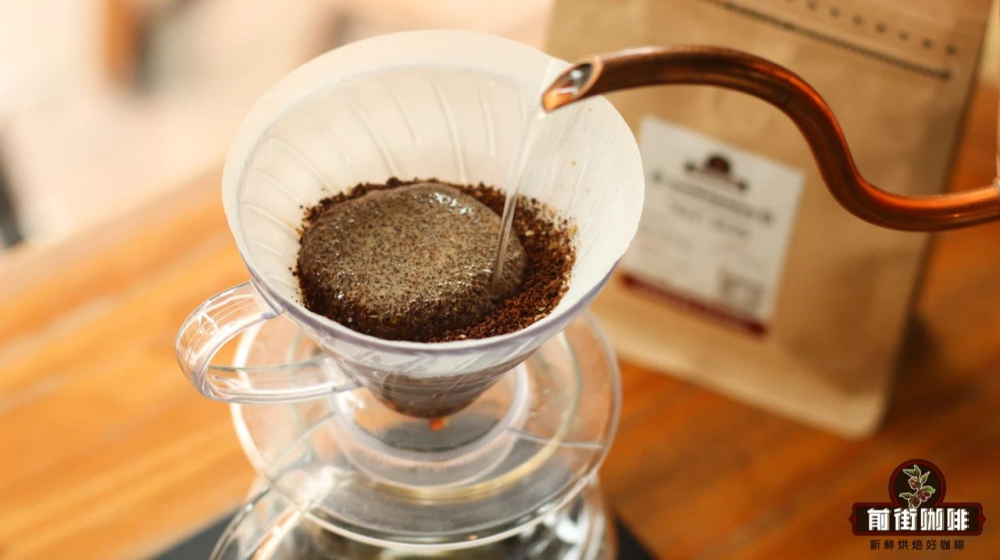
In terms of brewing technique, Front Street Coffee uses twice the coffee powder amount of water for blooming, that is, 30g of water, with a blooming time of 30 seconds. Then pour in a small stream in circles, make one pour break at 125g, and when the water level drops and is about to expose the coffee bed, continue pouring until 225g and stop. When the water level again drops to the point of almost exposing the coffee bed, remove the dripper. (Timing starts from blooming) The extraction time is 2 minutes 00 seconds.
【Front Street Ethiopia Sidamo Natural Florals 8.0】Brewing flavor: At high temperature it has almond aroma; after the temperature drops, citrus acidity emerges, the juicy berry character is full, accompanied by a lemon black tea tea-like note, and the sweetness is lasting.
The above content is compiled by CoffeeHunters, a coffee news website.


