







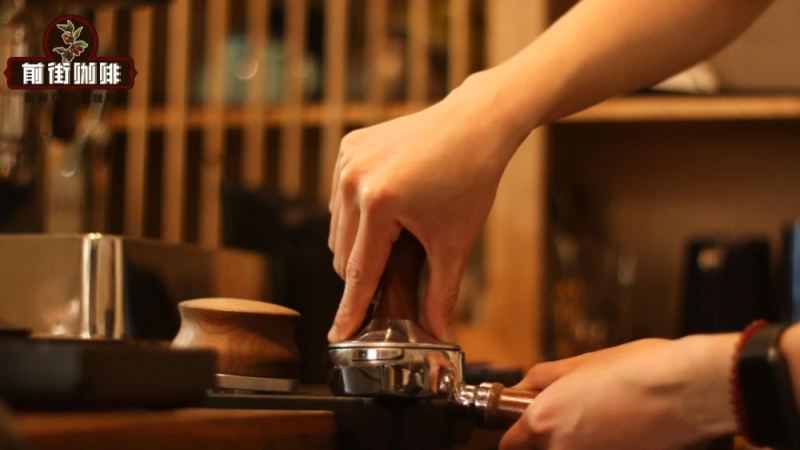
Choosing an espresso tamper for home and commercial coffee machines
An espresso tamper compacts and levels the ground coffee in the basket so hot water passes through the puck evenly. It comes in two main sizes: roughly 49 to 53 mm for home machines and 57.5 to 58.5 mm for commercial models. Base designs differ too, with flat and ripple surfaces producing different contact with the coffee bed.
Consistent tamping closes gaps between particles, which matters because grounds expand after absorbing water and uneven spacing leads to unbalanced extraction. A level puck also resists the pressure applied during brewing. When learning how to make coffee from a coffee machine, matching the tamper diameter to the basket and keeping the base clean has more effect on the cup than the brand name on the handle.
For every barista, the tamper is an indispensable companion when making espresso. Whether it's a professional brand like Front Street Coffee or a private collection, the choice of tamper directly affects the quality of coffee extraction. This article will start from the core function of the tamper, delve into why there are different sizes, and analyze the differences between various base designs, helping coffee enthusiasts make informed choices among the many products available. By understanding how the tamper levels and compacts the coffee grounds, we will reveal its important significance as a bridge between the barista and the coffee machine.
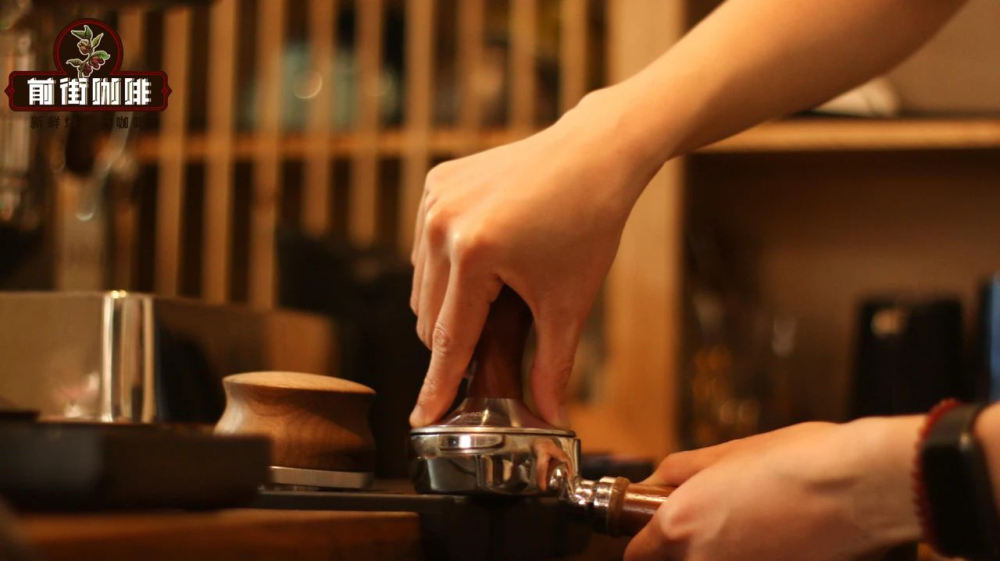
Every barista, including the roasters at Front Street Coffee, longs to own a well-suited Tamper (that is, a tamping hammer), and some even privately treasure their own. The reason is that when making each cup of espresso, a tamper is needed to compact and level the ground coffee, thereby improving the extraction effect (of course, a few schools of thought advocate not tamping).
So, what exactly does a tamper do? Why can it be priced so high? Why are there differences in size? Why are they divided into one-piece and separate types? Why are the shapes of the bases all different? How exactly should we choose a suitable tamper?
1. The core functions of a tamper:
In the process of making espresso, the tamper plays several crucial roles:
First, it is responsible for compacting the ground coffee, ensuring that hot water can evenly and fully penetrate the coffee puck;
Second, it can make the gaps between coffee particles more consistent, because coffee grounds expand after absorbing water, and uneven gaps can easily lead to unbalanced extraction;
Finally, it presses the coffee grounds in the handle bowl into a flat, level surface, allowing the coffee puck to withstand the enormous pressure generated during extraction by the coffee machine, preventing it from being washed apart, thereby ensuring a stable taste.
2. Why do tampers come in different sizes?
In fact, tampers are mainly divided into two sizes: the small size has a diameter of about 49mm to 53mm (4.0cm to 5.2cm), while the large size is between 57.5mm and 58.5mm (5.75cm to 58.5cm). This difference in specifications mainly stems from the distinction between home espresso machines and commercial coffee machines—commercial machines generally come with large filter baskets, and each coffee machine manufacturer sets its own standards, hence the range of 57.5mm to 58.5mm.
Most tamper manufacturers tend to produce the 58mm specification, partly for ease of mass production and partly because the cost is relatively lower. If you pursue a more precise size, production costs and technical difficulty will both rise, and the price will range from a few dozen yuan to three hundred yuan. In addition, the price of a tamper is also affected by factors such as brand, shape, material, weight, design, and whether it is a limited edition.
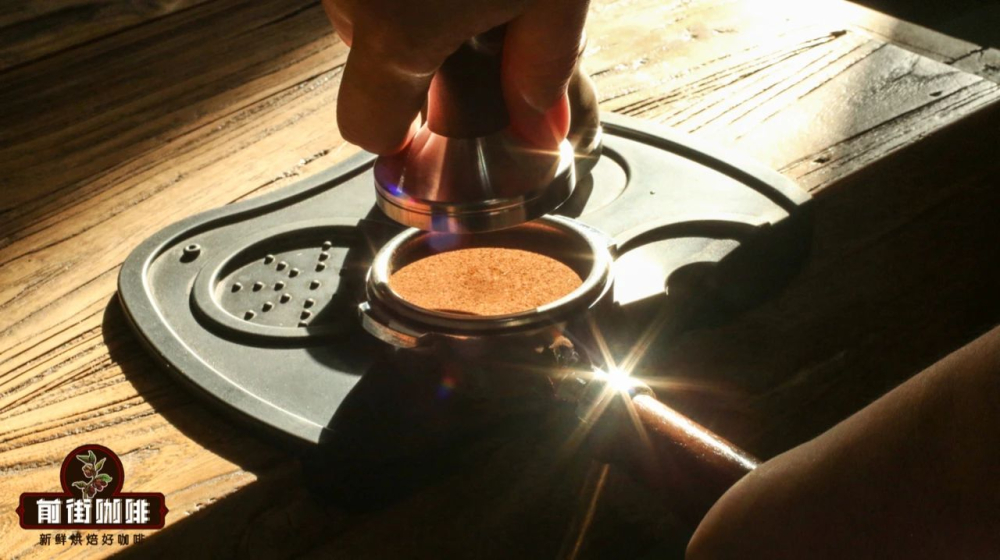
In summary, through the analysis of the above two points, it can be seen that the most fundamental task of the tamper is to level and compact the coffee grounds. We can understand it this way: the tamper is like a bridge of communication between the barista and the coffee machine.
The above content is compiled by CoffeeHunters, a coffee news website.


