







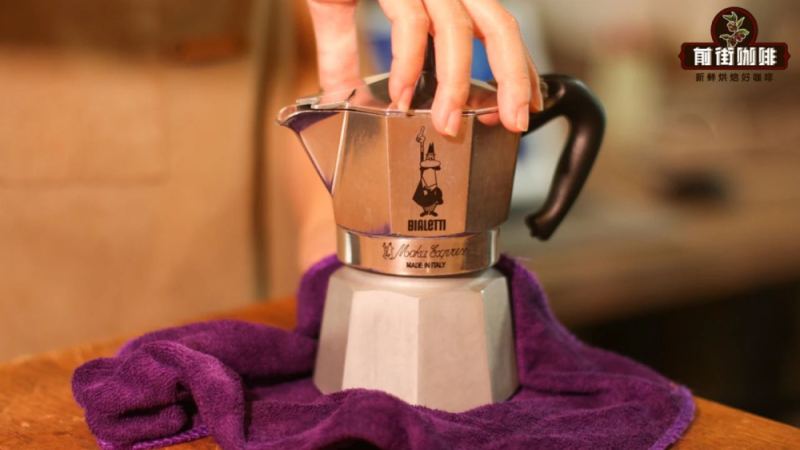
How Does a Moka Pot Turn Beans Into Crema-Rich Coffee?
A moka pot brews concentrated coffee close to espresso by pushing hot water through finely ground coffee under steam pressure, and three factors decide the result: bean freshness, roast level, and grind size. Finer grounds expose more surface area, so carbon dioxide releases faster and forms the golden crema on top. Medium-dark roasted beans work well, and freshly roasted beans rested four to seven days perform near their peak.
Commercial coffee machines are not the only route to a dense, cafe-style cup, but a moka pot demands more attention to detail. Fill the basket level and keep the grind consistent; a coarse grind yields thin, sour coffee, while too fine a grind chokes the flow. Single-origin beans highlight regional flavors, while blends such as espresso-style blends deliver nutty, chocolate notes with steady results for daily brewing.
For those who want to enjoy rich coffee close to café flavor at home, the moka pot is an extremely cost-effective choice. But to brew a coffee liquid with crema and a full-bodied taste, bean selection, grinding, and operational details are all indispensable. This article focuses on the types of coffee beans suitable for moka pots, methods for judging grind size, as well as the standard usage process and safety precautions. At the same time, it combines Front Street Coffee's espresso blends and SOE series to give specific bean selection recommendations. Whether you are a beginner who has just gotten a moka pot or a player who wants to advance and explore single-origin flavors, you can find practical references here.
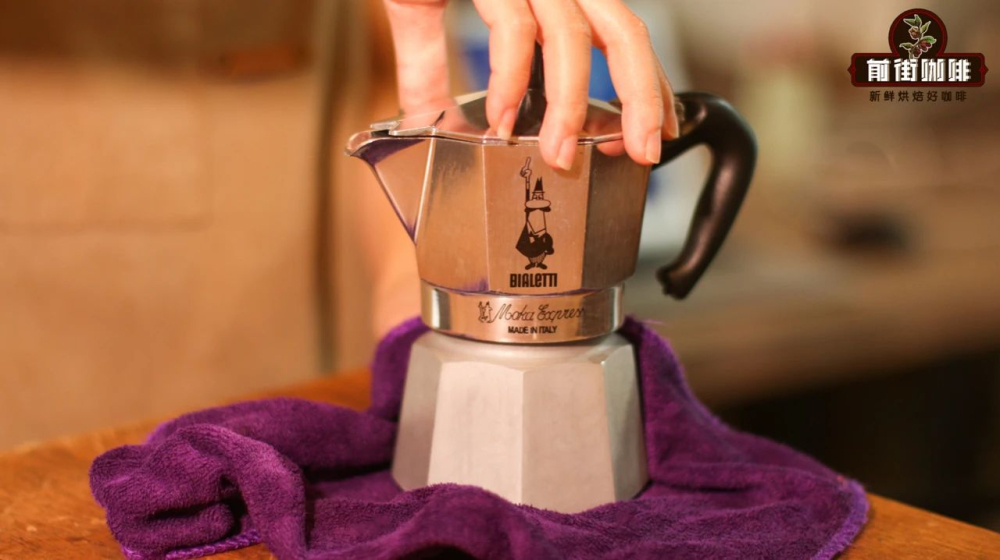
If you are used to the taste produced by commercial coffee machines, it is often not easy to reproduce that cup from the café at home. Limited by budget and kitchen space, many people choose to use a moka pot to brew a cup of coffee with higher concentration. So, how can you use the moka pot well and get a cup of coffee that is rich enough?
Most people get a moka pot with the goal of obtaining a coffee liquid with crema that is close to espresso. The layer of crema on the surface of espresso is essentially formed by the gathering of a large number of carbon dioxide bubbles. When the coffee powder is ground finer, the contact area between hot water and the surface of the particles becomes larger, and gas release becomes more intense, thus forming that fine, golden layer of coffee crema.
Therefore, if you want to brew coffee with abundant crema using a moka pot, you can start from three directions: the freshness of the coffee beans, the degree of roasting, and the grind size. The beans sent out by Front Street Coffee are all freshly roasted within 5 days. By the time they arrive, they have usually gone through a 4 to 7 day resting period, just at the stage where flavor performance is at its best.
Moka pots are usually suitable for medium-dark roasted coffee beans. Beginners may start by trying the Front Street Espresso Blend series, such as the Front Street Classic Blend, which is rich in crema and has a buttery sweetness, and the Front Street Black Cocoa Blend, an espresso bean with a balanced taste, outstanding value for money, and recommended by many baristas. Both present nutty and chocolate notes and are suitable for both espresso machines and moka pots.
If you already have some experience and want to look for moka pot beans with more unique flavors, you can consider Front Street Brazil Queen Farm SOE and Front Street Golden Mandheling SOE.
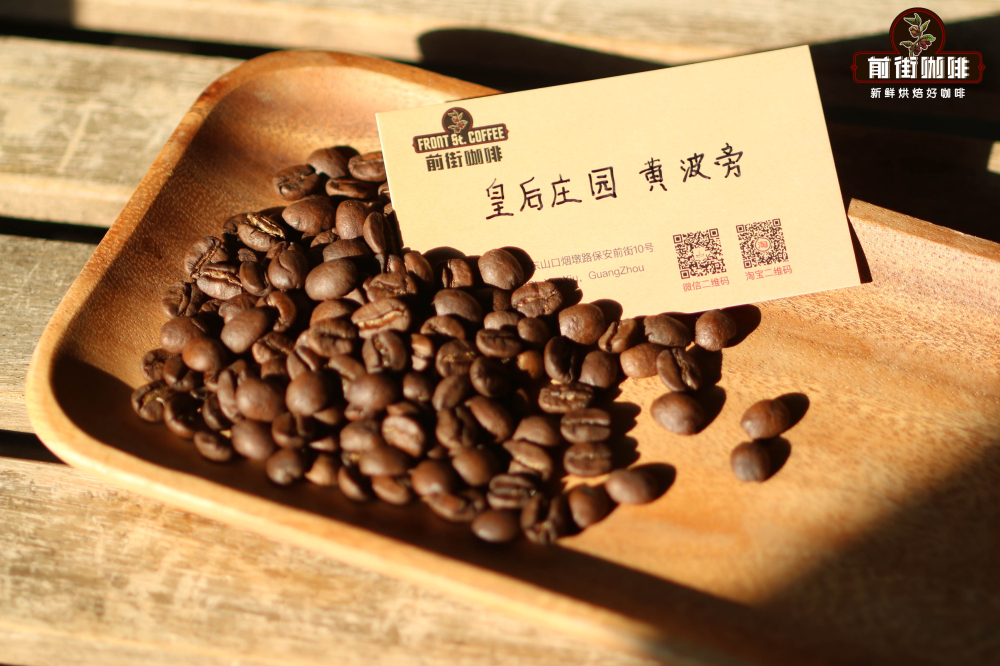
Front Street Brazil Queen Farm SOE coffee beans: If you prefer the distinctiveness brought by a single origin, this medium-dark roasted Front Street Queen Farm SOE is worth trying. The rich creamy peanut flavor is impressive, accompanied by a sugarcane-like sweetness, with cocoa aroma in the finish. It is also suitable for pour-over, moka pot, and home coffee machines.

Front Street Front Street PWN Golden Mandheling SOE coffee beans: As one of the highly recognized specialty coffees in Asia, Front Street Golden Mandheling SOE undergoes three manual selections plus one machine selection in green bean processing, and the beans are uniform and translucent. After medium-dark roasting, the beans are plump and have obvious aromas of spices, caramel, fir, and dark chocolate. The moka pot coffee extracted with it has a thick body and good crema performance, making it very suitable for friends who do not like acidic coffee.
2. Grind the coffee beans finer.
Front Street suggests that the particle size used for moka pots is about 0.3 to 0.55 millimeters, which simply means slightly coarser than what is used for espresso machines. Because the particle size is extremely small, it is difficult to judge with the naked eye. Front Street provides two ways to determine the grind setting.
The first is to buy a particle size ruler, or use moka pot-specific powder as a reference for comparison. The second is to determine it through repeated adjustment: when the coffee liquid gushes out like a fountain, it means the grind is too coarse and the water flow resistance is too small; if you hear a "woooo" sound but the coffee liquid does not rise for a long time, you should immediately remove the moka pot from the heat source and take safety precautions.
Front Street reminds that safety must come first when using a moka pot. If you observe the lower chamber carefully, you will find a raised small hole on the side wall of the lower chamber. That is the pressure relief valve of the moka pot. Its role is to prevent excessive pressure inside the pot under certain conditions (such as coffee powder being too fine) from causing an explosion. Once the water level covers the valve, the pressure relief valve loses its function, and the risk of explosion increases accordingly.
Standard steps for using a moka pot:
1. Pour hot water into the lower chamber, with the amount controlled so as not to exceed the pressure relief valve, about 50 to 60 milliliters
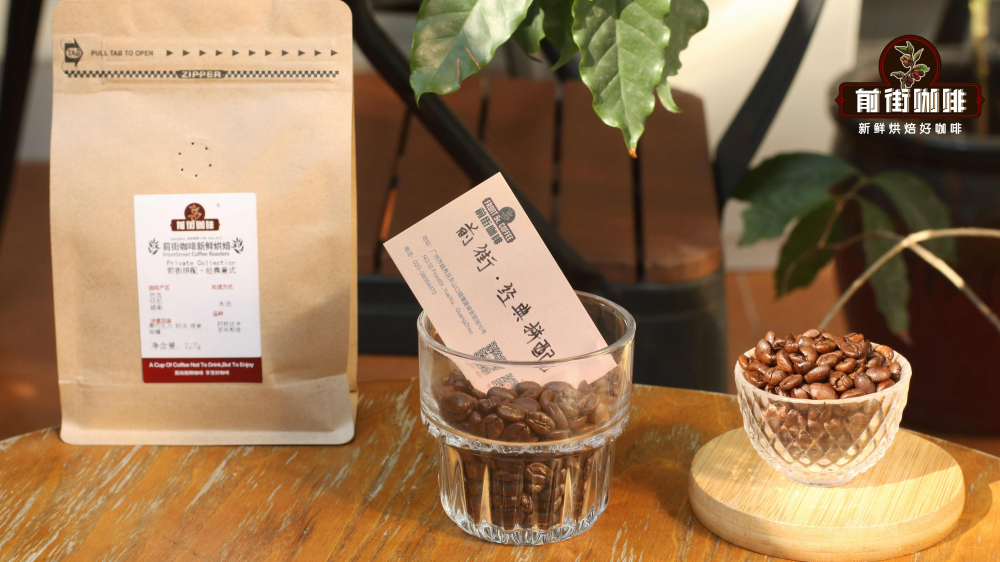
2. Put coffee powder into the filter basket, about 20 grams, grind it to a coarseness similar to salt grains, then level the surface
3. Place the filter basket into the lower chamber and assemble the upper chamber in place
4. Place it on an induction cooker or gas stove to heat
5. When the coffee liquid is extracted and begins to make a hissing sound, it means extraction is nearing the end. At this point, remove the pot from the heat source and use residual heat to push the remaining coffee liquid into the upper chamber.
The above content is compiled by CoffeeHunters, a coffee news website.


