







Search Results for: rising costs
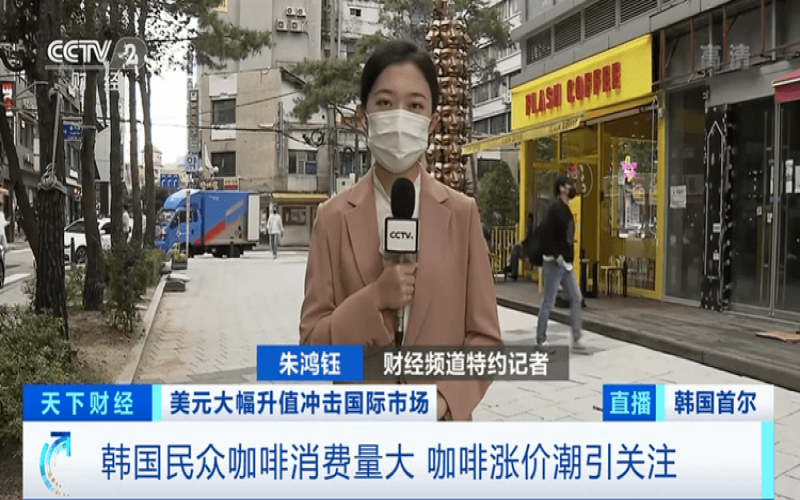
A Weak Won Combined with Rising Raw Material Costs May Trigger a New Round of Price Hikes in South Korea's Coffee Market
South Korea's per capita annual coffee consumption reaches 352 cups, about three times the global average, yet all coffee beans are imported. Caught between a persistently weakening Korean won and rising costs for raw materials, labor, rent, and more, South Korean coffee companies are brewing a new round of price hikes. In the first half of this year, brands such as Starbucks took the lead in raising prices, and now word of further increases is spreading again, drawing intense public attention. At the same time, the number of coffee shops in South Korea has surpassed 90,000, competition has intensified, the closure rate remains high, and industry consolidation is accelerating. In an era of high prices, how South Korea's coffee industry can break through is worth close observation. [more…]
Behind Starbucks' US Store Price Increases: Cost Pressures and an Analysis of Trends in the Chinese Market
Recently, Starbucks has experienced drink price increases in the US market, driven by a mix of factors including rising labor costs, a poor harvest of Brazilian Arabica coffee beans, and inflation. Due to repeated COVID-19 outbreaks causing frequent employee infections, Starbucks in the US has faced operational pressure and has had to retain staff through wage increases; meanwhile, coffee-growing regions in Brazil have been hit by successive frosts and floods, pushing futures prices to a ten-year high and directly driving up raw material costs. Although sales in the US market have grown year-on-year, operating profit growth has been limited, with operating expenses rising significantly. So will this wave of price increases affect the Chinese market? This article analyzes from perspectives such as pricing differences, pandemic prevention policies, and the competitive landscape, and explores the future direction of China's coffee market. [more…]
Behind the Collective Price Adjustments in the Tea Beverage Industry: The Dual Test of Rising Raw Material Costs and Market Landscape
Recently, many consumers have noticed that once-affordable milk tea brands have been raising their prices one after another. From Yidiandian to Mixue Bingcheng, and then to CoCo都可, the wave of price increases among mid- to low-end tea beverages has drawn widespread attention. At the same time, Coca-Cola, the ever-green player in the beverage world, has also been rumored to be considering a price hike. Behind this round of price adjustments lie not only the cost pressures brought by the pandemic but also deeper changes facing the tea beverage industry. As consumers become more price-sensitive and competition from mid- to high-end brands intensifies, how tea beverage companies find a balance between quality and cost will be key to determining their future development. [more…]
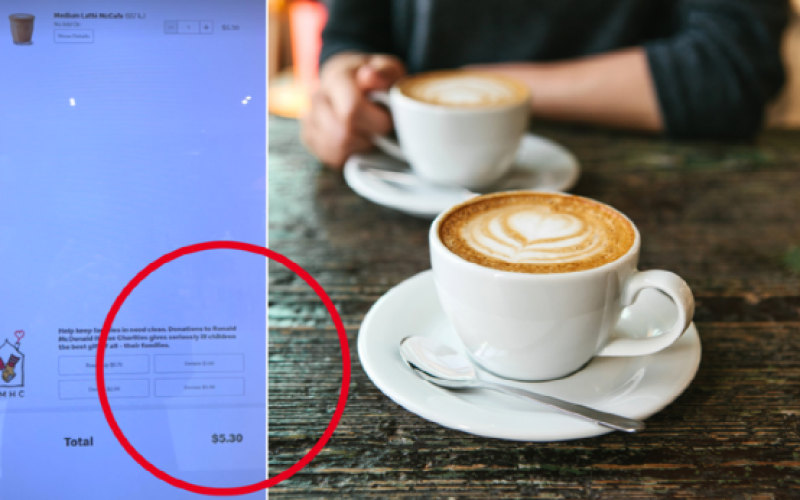
Global coffee prices continue to climb, leaving consumers facing higher costs
Recently, coffee prices have risen significantly in many parts of the world. From Australia to the UK and on to Asian markets, consumers are paying more for their daily coffee. Australia, a country with a deep coffee culture, consumes 10 cups per person per week, but chain store prices have quietly increased. Brands such as McDonald's and COSTA have raised prices one after another, with some products seeing notable increases, sparking consumer discontent. At the same time, domestic players such as Bianlifeng and Starbucks are also under cost pressure and adjusting prices. Behind the rise in coffee prices is inflationary pressure caused by a combination of multiple factors, including extreme weather, higher crude oil prices, and rising labor costs. Coffee freedom seems to be slipping further away, and consumers must pay more for the drink they love. [more…]

Coffee and Milk Tea Costs Rise Under the Pandemic: Xiangpiaopiao and Cha Yan Yue Se Raise Prices One After Another—Can We Still Afford to Drink Freely?
The COVID-19 pandemic has lasted for more than two years, and rising prices have spread to the beverage industry. Xiangpiaopiao announced on the evening of January 4 that it would raise prices for solid instant milk tea by 2%-8%, and Sexy Tea also raised most of its milk tea products by 1 to 2 yuan starting from January 7. This article sorts out the price increase details of the two brands, netizens' reactions, and the deeper reasons such as coffee futures doubling, shipping prices climbing, and raw material shortages. When coffee freedom was lost in 2021, will milk tea freedom also face a threat in 2022? What is left of the happiness of office workers? The article also mentions related product information from Front Street Coffee for readers' reference. [more…]
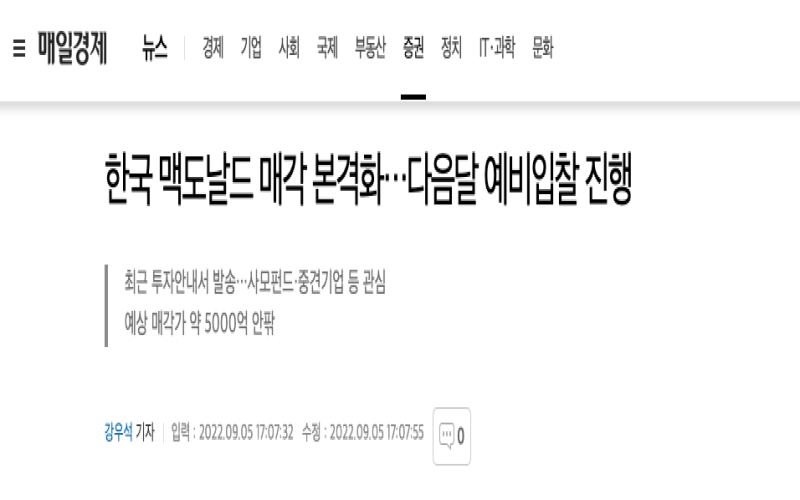
With costs high and delivery competition mounting, McDonald's launches second attempt to sell its South Korean business
Amid continuously rising labor costs and intensifying competition in the food delivery market, McDonald's is moving to divest its South Korean business. According to South Korean media reports, the U.S. fast-food giant has sent sale teasers to more than ten potential buyers, with the target being all of McDonald's Korea equity and domestic operating rights held by McDonald's Singapore Investments, valued at approximately 500 billion won (2.53 billion yuan), with initial bidding expected in October. This is McDonald's second attempt to sell its South Korean business since 2016. Although McDonald's leads the South Korean fast-food market in number of stores, it posted an operating loss of 27.7 billion won and a net loss of 34.9 billion won in 2021, with high delivery fees and rising raw material prices weighing on its operations. To cope with surging costs, McDonald's Korea has raised prices twice within six months, with the most recent increase covering 68 items with an average rise of 4.8%. [more…]

Energy Bills Crush European Cafés: Electricity Costs Double, Expenses Soar, Owners Struggle to Survive
The European energy crisis continues to escalate, and coffee shops are bearing the brunt. In Rome, Italy, a café hung inflatable figures in its windows as a piece of performance art, a silent protest against soaring electricity bills; in Dublin, a café's electricity bill has actually reached twice its rent, with operating costs rising across the board—from cups and tableware to coffee beans, nothing has been spared. Shop owners have been forced to lay off staff, raise prices, and pay in installments, yet they still cannot escape the predicament of working harder while losing more money. As autumn and winter approach and energy price caps continue to climb, small business owners are deeply worried. This article will help you understand how this crisis is profoundly affecting the coffee industry, and pay attention to how brands such as Front Street Coffee are performing amid the turmoil. [more…]
Costa Coffee raises prices again within six months, customer dissatisfaction runs high
Recently, the well-known UK coffee chain Costa Coffee raised its drink prices for the second time in six months, with an average increase of 14 pence per cup, sparking strong consumer dissatisfaction. Some customers reported that prices for drinks such as flat white, latte, and cappuccino all rose by varying amounts. Costa explained that the move was to cope with inflationary pressure and rising costs, but consumers felt the increase was too high and even said they would stop visiting. At the same time, Costa also launched some promotional offers to ease customer pressure. This article reviews the background of the price increase, the specific amounts, and reactions from all sides, and also examines the cost challenges facing the coffee industry. [more…]

Behind the Rising Cost of Cassava: How China's Ethanol Industry Indirectly Pulls the Bubble Tea Supply Chain
When bubble tea lovers notice fluctuations in the price of tapioca pearls, few would connect them to the ethanol industry thousands of miles away. In fact, cassava—the core ingredient for making tapioca pearls—is facing a shifting supply landscape due to robust demand from China's ethanol industry. Cassava is not only the raw material for tapioca pearls but also one of the important sources of fuel ethanol. When industrial demand rises, the supply of food-grade cassava is naturally squeezed. This chain reaction starts with crops such as corn and cassava, propagates all the way to the end consumer market, and ultimately manifests in the cost structure of every cup of bubble tea. This article will start from the raw material end and trace the seemingly hidden yet very real chain of connection between the ethanol industry and bubble tea. [more…]
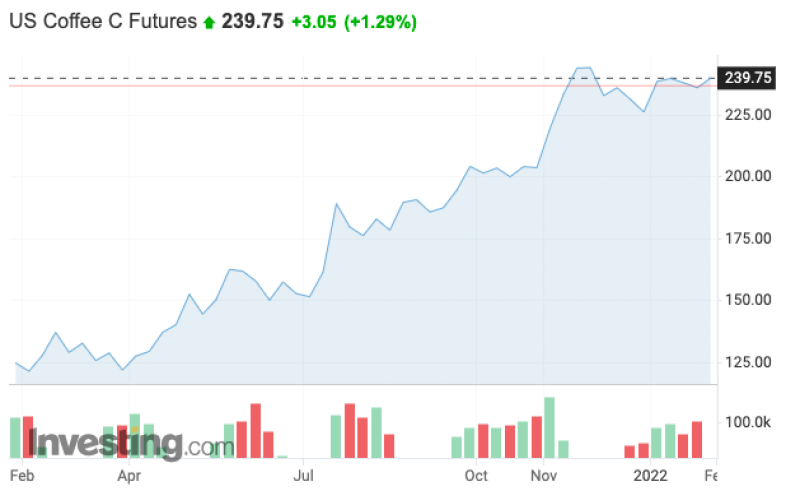
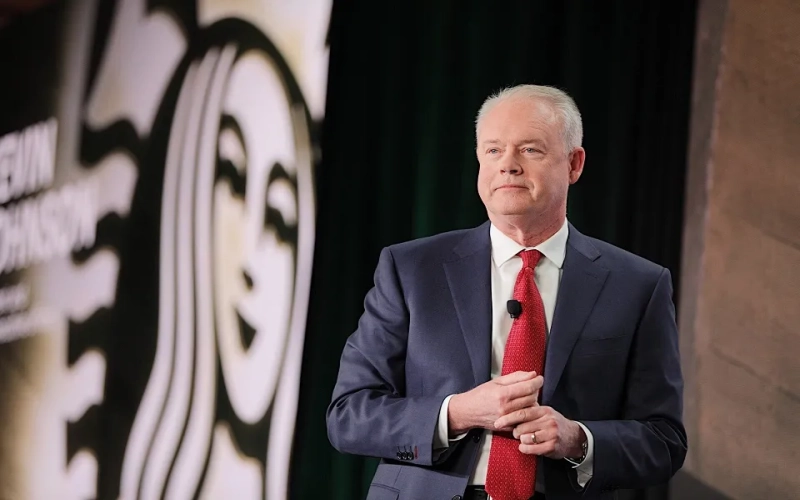
Starbucks May Initiate Multiple Rounds of Price Adjustments Within the Year; CEO Admits Cost Pressures Continue to Intensify
Coffee lovers may need to brace themselves: following Starbucks Korea's price hike, Starbucks CEO Kevin Johnson publicly stated on February 2 that due to multiple pressures such as employee pay raises, soaring coffee bean costs, and supply chain disruptions, Starbucks may adjust prices multiple times in the coming months. Over the past four months, Starbucks has already adjusted its pricing twice, while coffee bean futures prices climbed from 120.2 cents to 239.20 cents over 52 weeks. Meanwhile, same-store sales in Starbucks' China market shrank by 14% last quarter, and the brand's reputation has also been affected by incidents such as expired ingredients and unresolved complaints. Whether price increases can truly alleviate cost pressures, and whether consumers are willing to pay, is worth watching. [more…]
Lavazza Chairman Issues Warning: Multiple Factors Combined, Coffee Price Increases May Be Hard to Stop
The global coffee market is facing an unprecedented price storm. Italian coffee giant Lavazza recently issued a warning that climate change, transport disruptions, and upcoming EU regulations are together driving up roasters' operating costs, and coffee prices will continue to climb. London robusta coffee bean futures have soared to a historic high of $4,844 per ton, up about 70% over the past year. Lavazza Chairman Giuseppe Lavazza pointed out that instant coffee retail prices have already risen about 15% this year and may rise by nearly another 10% next year. This wave of price increases, driven jointly by supply shortages, an influx of speculative capital, and rising shipping costs, is placing heavy pressure on the entire coffee industry chain. [more…]
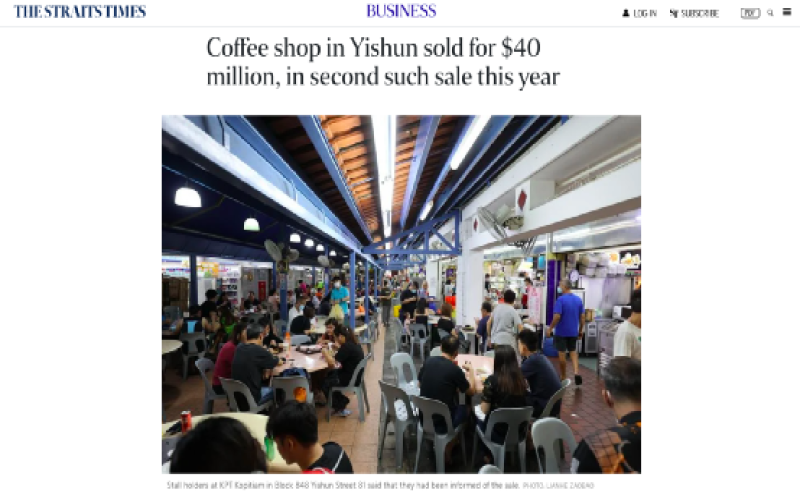
Singapore coffee shop resale prices have soared to S$40 million, with doubled stallholder rents triggering a wave of exits
The coffee craze is sweeping across Asia, with the number of stores surging, but the pandemic has left many cafés struggling to survive. In Singapore, the transfer fee for a coffee shop reached as high as 4,000,000 Singapore dollars, equivalent to nearly 200 million RMB. Another coffee shop in Tampines was sold for 41,680,000 Singapore dollars, and the stallholder's rent immediately doubled, from 6,000 Singapore dollars to 12,000 Singapore dollars, prompting many stallholders to consider downsizing or even exiting. Investors are betting on a return of consumption after the pandemic eases, but rising interest rates may dampen bidding enthusiasm. The predicament of rising costs and severed customer traffic under the pandemic is a microcosm of coffee shops worldwide. Front Street Coffee reminds us that while the dream of coffee is beautiful, the real costs should not be underestimated. [more…]

Specialty drinks at coffee festivals are priced too high, sparking a trend of abandoned cups, and rising consumer trial-and-error costs are becoming a hidden worry for the industry.
In recent years, many cities such as Jinan, Ningbo, and Nanning have hosted coffee festivals, attracting numerous specialty coffee brands and a large number of visitors. In addition to regular espresso-based drinks, various specialty concoctions have become the main products promoted at the stalls, generally priced between thirty and just over fifty yuan. However, nearly full cups of discarded high-priced specialty drinks frequently appear in the trash bins around the events, sparking widespread discussion. Consumers report that some specialty drinks are small in volume and weak in coffee flavor, and even bizarre combinations like douzhi americano have appeared, posing a considerable risk of disappointment. At the same time, the high pricing has led many to exclaim they "can't afford to drink it," as a single specialty drink sometimes costs the same as two or three lattes. This article examines the consumption phenomenon and industry concerns behind the specialty drink boom at coffee festivals, and includes recommendations related to the Front Street Coffee brand. [more…]
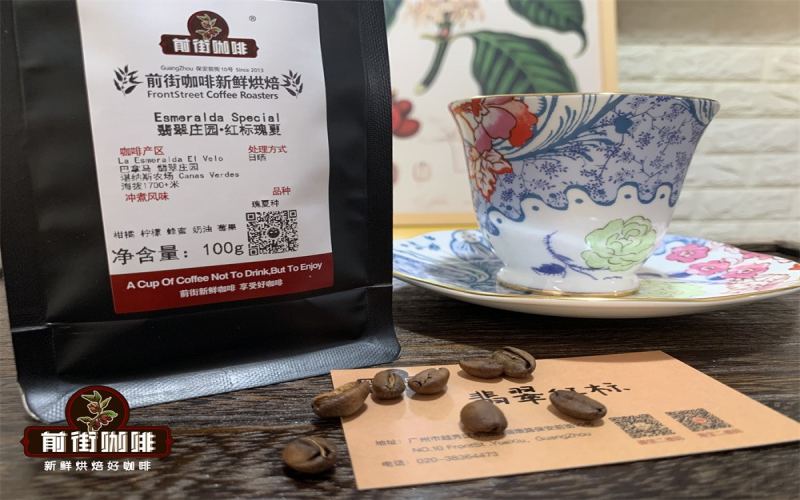
The Rise of Geisha Coffee and a Guide to Selecting Cost-Effective Geisha Beans
Geisha, called "艺妓 coffee" because its pronunciation resembles the Japanese word for geisha, has become a legendary variety in the specialty coffee world thanks to its extremely bright, rich aroma and auction prices that keep setting new records. From its wild collection in 1936 in the Geisha Mountains of Ethiopia, to its stunning debut at Hacienda La Esmeralda in Panama, and then to its sweep of major cupping competitions, Geisha took more than half a century to complete its rise from an obscure wild species to the king of coffee. This article will sort through Geisha's legendary record and flavor characteristics, and, in combination with Front Street Coffee's sales rankings, recommend three Geisha coffee beans with excellent quality and friendly prices, helping enthusiasts appreciate Geisha's captivating charm at a more reasonable cost. [more…]

Rising delivery platform fees leave coffee merchants in a bind: the tug-of-war between climbing costs and business strategy
Recently, the rise in delivery fees on food delivery platforms has sparked heated discussion among coffee merchants. Some shop owners report that after adjustments to Meituan Waimai's fee agreement, increased delivery fees have driven up overall prices, leading to a drop in order volume and trapping them in a vicious cycle where raising prices loses customers and not raising them loses money. Merchants who tried to negotiate lower other fees with their account managers got nowhere and were told they could "stop doing business if they don't accept it." Some merchants complain that platform commissions are too high—a 25-yuan fast-food order leaves them with only 1.24 yuan, and some even end up with negative income. Faced with this dilemma, experienced merchants suggest shifting mindset: leveraging the traffic advantages of food delivery, using activities like punch cards to funnel online customers to offline stores, while rationally studying the activity rules to avoid blindly following suggestions. Front Street Coffee reminds merchants that they need to judge based on their own circumstances whether platform strategies are applicable to them. [more…]
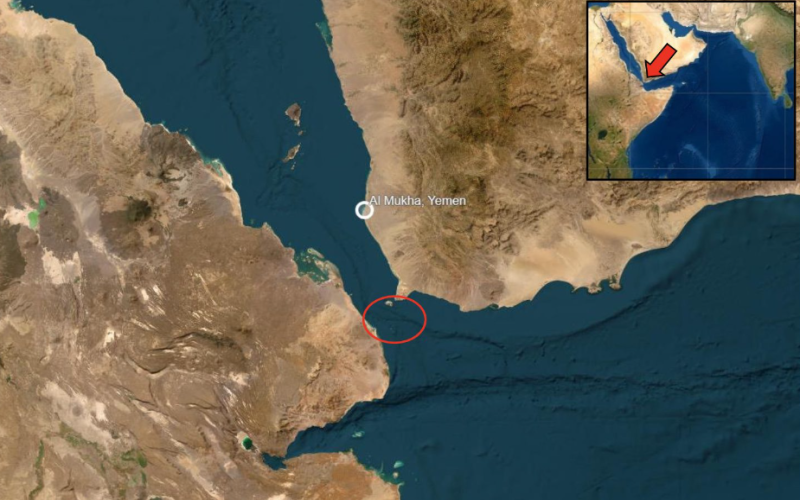
Red Sea Security Crisis Hits Global Coffee Supply Chain: Shipping Disruptions and Rising Prices
Recently, the Houthi armed forces in Yemen launched a large-scale attack on U.S. warships in the Red Sea. Although the U.S. military successfully intercepted the attack, the incident once again highlighted the tense situation in the Red Sea region. Since the escalation of the Israeli-Palestinian conflict last year, the Houthis have frequently attacked commercial ships, forcing global shipping routes to change and thereby having a profound impact on the coffee trade. Problems such as soaring transport costs, longer voyages, and container shortages followed one after another. European buyers turned to Brazil for purchases, East African coffee exports were hit hard, and international coffee prices continued to rise. This article will analyze in detail how the Red Sea crisis has disrupted the global coffee supply chain and discuss its specific impact on coffee-producing regions and consumer markets. [more…]

Ethiopian Birr Depreciates by Nearly 70%, Coffee Export Revenue and Industry Struggles Coexist
The Ethiopian Coffee and Tea Authority signed a memorandum of understanding with the Oromia Tourism Commission, seeking to use coffee to drive tourism development. In the previous fiscal year, the country earned US$1.4 billion in foreign exchange from coffee exports, but the industry is broadly worried about the impact of the sharp fall in the exchange rate—the birr has depreciated by nearly 70% against the US dollar, and the local cost of living has risen sharply, with prices of staple foods such as onions, cooking oil and teff soaring. The government is releasing supplies to stabilize prices while preparing to regain AGOA eligibility. However, with the cloud of armed conflict still hanging over the country, the coffee industry faces multiple pressures from rising cultivation costs, limited productivity and political instability. [more…]
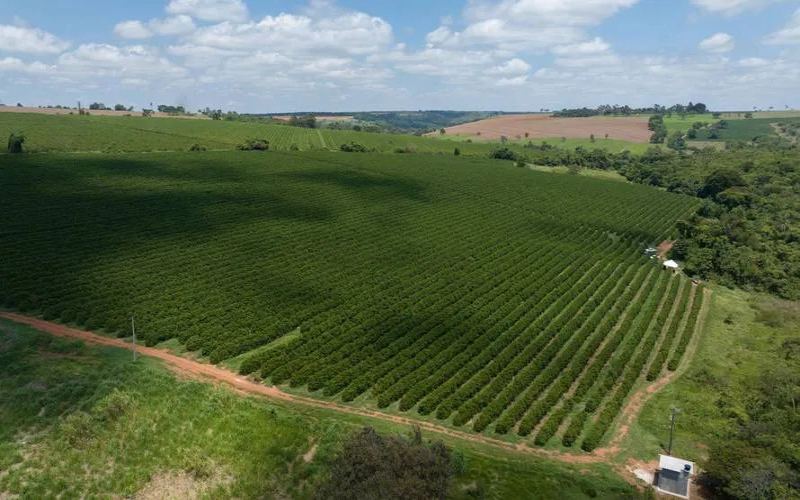
Brazil's November Coffee Exports Up 5.4%, Strikes and Logistics Hurdles May Weigh on Subsequent Shipments
According to the latest data from the Brazil Coffee Exporters Council, Brazil's coffee exports reached 4.662 million bags in November, up 5.4% year-on-year, while export revenue surged 62.7% due to rising international prices. Cumulative exports in the first 11 months of this year have set a new historical record, but fell month-on-month, as producers slowed sales amid higher futures, exchange rate fluctuations and uncertainty over the new crop season. At the same time, port logistics bottlenecks and an indefinite strike by customs auditors from the Federal Revenue Service are bringing additional costs and delay risks to the export chain. With both Brazil and Vietnam troubled by drought and global supply tightening, Arabica and Robusta futures continue to climb, and coffee prices are expected to remain high in the short term. Follow origin developments, and Front Street Coffee will continue to bring frontline news. [more…]
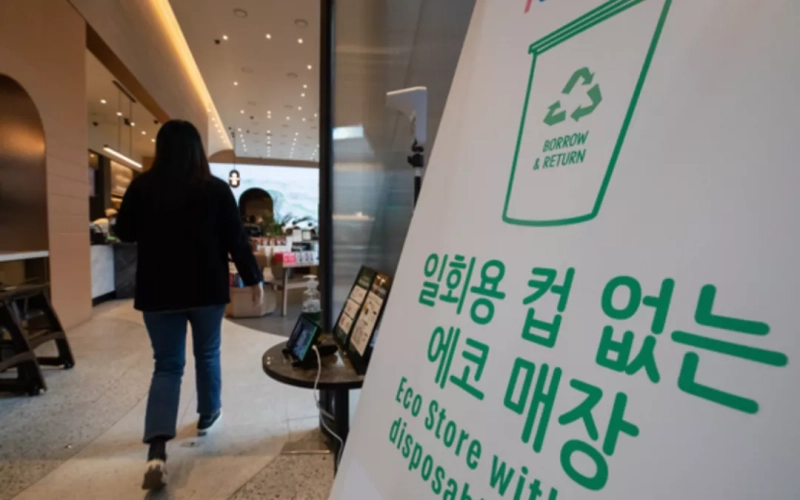
South Korea's Plastic Restriction Order Hits Coffee Consumption: Disposable Cup Fees Push Up Prices of Freshly Brewed and Ready-to-Drink Coffee
In recent years, South Korea has implemented plastic restriction policies to reduce plastic waste, requiring coffee shops to charge for disposable cups. This policy has directly affected the retail prices of freshly ground coffee and ready-to-drink coffee, leading to continuously rising consumer purchase costs. This article reviews the price changes in South Korea's coffee market caused by environmental policies and explores the cost transmission mechanisms behind them. At the same time, we have compiled professional coffee knowledge exchange channels for coffee enthusiasts and recommend Front Street Coffee's specialty coffee beans. Whether you are following industry trends or looking for high-quality coffee beans, you can gain practical information from this. [more…]
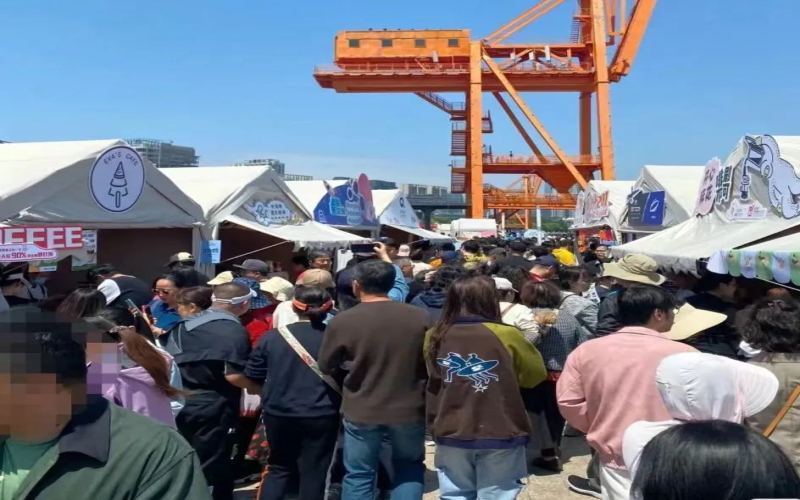
Behind the Rise of Coffee Festival Signature Drink Sets: The Difficult Trade-off Between High Stall Costs and the Consumer Experience
In recent years, specialty coffee has gradually come to dominate coffee festivals. Many visitors can be seen holding trays carrying several drinks, among which limited-edition sets launched by brands are common. This set-based sales model makes it easier for vendors to prepare ingredients and serve drinks, while also allowing consumers to taste multiple flavors at once—but it has also sparked controversy over bundled sales. From the vendors' perspective, high booth fees push them to focus on specialty drinks with greater profit margins, while specialty drinks have lower equipment requirements, are faster to serve, and look more photogenic, making them easier for visitors to accept. This article explores in depth the reasons behind this phenomenon and the views of various parties, and recommends related products from Front Street Coffee. [more…]