







Search Results for: Cassava

Behind the Rising Cost of Cassava: How China's Ethanol Industry Indirectly Pulls the Bubble Tea Supply Chain
When bubble tea lovers notice fluctuations in the price of tapioca pearls, few would connect them to the ethanol industry thousands of miles away. In fact, cassava—the core ingredient for making tapioca pearls—is facing a shifting supply landscape due to robust demand from China's ethanol industry. Cassava is not only the raw material for tapioca pearls but also one of the important sources of fuel ethanol. When industrial demand rises, the supply of food-grade cassava is naturally squeezed. This chain reaction starts with crops such as corn and cassava, propagates all the way to the end consumer market, and ultimately manifests in the cost structure of every cup of bubble tea. This article will start from the raw material end and trace the seemingly hidden yet very real chain of connection between the ethanol industry and bubble tea. [more…]
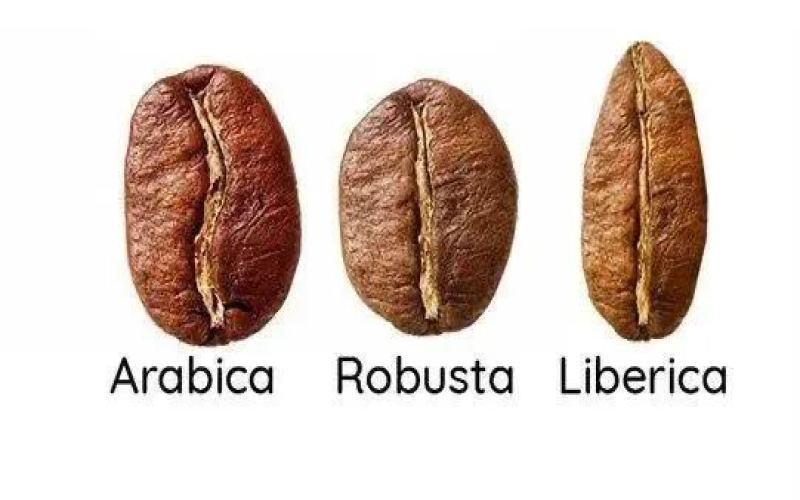
Liberia Restarts Liberica Coffee Cultivation, Pushing for Agricultural Economic Diversification and Transformation
The Liberian government recently announced that it will reintroduce the Liberica coffee variety native to the country as a key measure to revitalize the coffee industry and promote agricultural diversification. This West African nation, whose coffee industry was long stalled by civil war, is now seeking to return to the international market amid rising global coffee consumption and tightening supply, leveraging Liberica's advantages such as strong disease resistance and low caffeine content. At the same time, the incoming Minister of Agriculture pledged to review the national agricultural investment plan within 100 days to ensure that economic crops such as coffee receive substantive support. This article will outline the revival path of Liberia's coffee industry and its potential opportunities in the global coffee landscape, and, from the perspective of Front Street Coffee, present the future possibilities of this producing region. [more…]
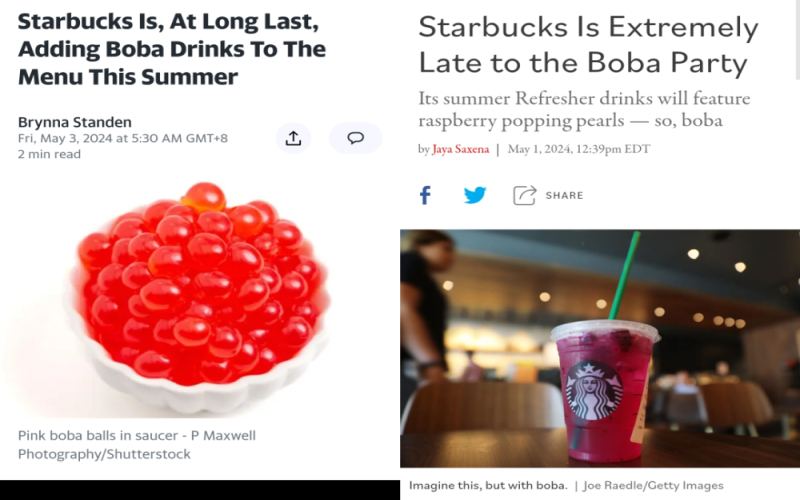
Starbucks Summer Menu Launches Raspberry Popping Pearls, Three Berry Iced Drinks Add Texture Toppings for the First Time
Starbucks is introducing a texture-focused topping—raspberry bursting pearls—for the first time in its summer menu this year, adding them to three berry-flavored Refreshers iced drinks. This attempt was personally previewed by CEO Laxman Narasimhan at an earnings conference and is positioned as the first step in texture innovation for the years to come. Unlike traditional tapioca pearls, Starbucks is using popping boba that burst when bitten, officially called Pearls. Customers can also pay to add the pearls to other drinks and snacks, at $1.25 per scoop. In fact, as early as 2021, Starbucks tested coffee popping boba in two stores, but the response was limited. This article sorts out the formula details of the new products, the pricing rules, and Starbucks' historical attempts at pearl toppings. [more…]

Paper Straws from Viral Fame to Discontinued Production: Can PLA and Edible Straws Become the New Eco-Friendly Alternatives?
Paper straws once swept through the food service industry in the name of environmental protection, yet they have been widely criticized for their poor mouthfeel and tendency to degrade in the mouth, and are now gradually exiting the market. Their replacement, PLA straws, are made from plant starch, are fully biodegradable, and withstand temperatures ranging from cold to hot drinks, but they have a short shelf life and relatively high cost. Meanwhile, research teams have developed edible bacterial cellulose-based straws that completely decompose within 60 days when buried in soil. From paper straws to PLA to coconut jelly straws, behind the iteration of eco-friendly straws lies a trade-off among cost, experience, and degradation performance. This article reviews the current state of paper straw production being discontinued, the market prospects for PLA straws, and the research progress on new edible straws, and includes Front Street Coffee's specialty bean news. [more…]
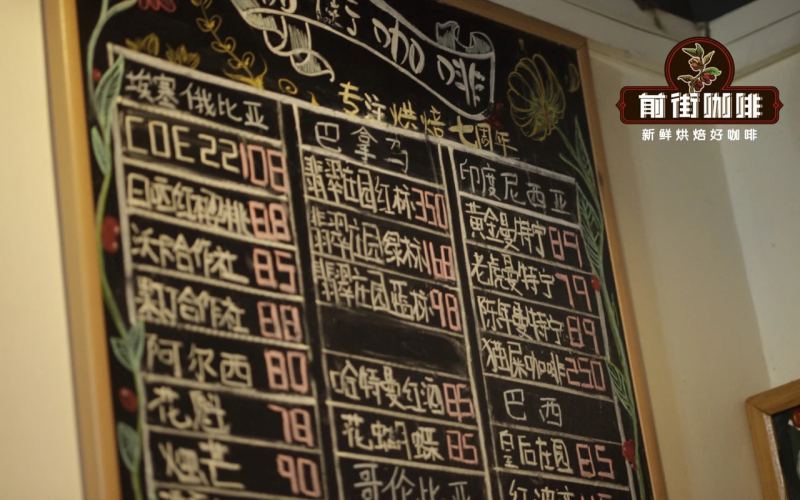
A Comprehensive Analysis of Colombian Medellín Coffee Beans: A Guide to Regional Characteristics and Specialty Estate Flavors
Colombia is a major producer of high-quality Arabica coffee worldwide, and the microclimates along its Andes Mountains give rise to a diverse range of specialty coffees. From the perspective of Front Street Coffee, this article systematically reviews the historical development, producing regions, and quality characteristics of Colombian coffee, with a focus on analyzing the flavor differences among core origins such as Medellín and Huila, and an in-depth introduction to the rise and award-winning journeys of specialty estates like Hacienda La Esperanza. Whether you prefer delicate floral notes or a rich, low-acid cup, you will find your own Colombian flavor coordinates in this article. [more…]
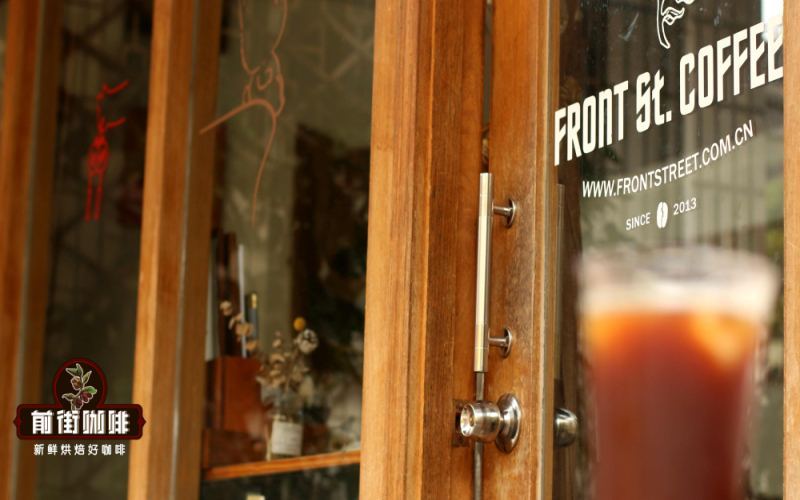
Sumatra Mandheling Iced Americano Full Guide: Origin Lineage, Flavor Characteristics, and Brewing Method
Mandheling is the calling card that brought Indonesian coffee to the world, and the island of Sumatra is the most important origin behind that card. This article will trace the cultivation history, main producing regions, and varietal differences of Sumatran coffee, introduce the geographic characteristics of Lintong, Lake Toba, Lake Tawar, and the Gayo highlands, and use Front Street Coffee's staple beans and Golden Mandheling as examples to explain how to make a full-bodied iced Americano with espresso and water. Whether you are a beginner just getting to know Indonesian coffee or an enthusiast looking to refine your extraction, you will find useful origin knowledge and brewing parameters here. [more…]
A Comprehensive Guide to Colombian Coffee: From Jesuit Introduction to Huila's Washed Flavors and Pour-Over Parameters
Colombia is the world's largest exporter of high-quality washed Arabica, and one of the few single-origin coffees named after a country. This article begins with its historical origins, the growing conditions of the Andes, the three major MAM production regions, and the distinctive characteristics of Huila single-origin coffee, then outlines the functions of the FNC association and the washed processing method, and includes Front Street Coffee's V60 brewing parameters and tasting notes. Whether you want to understand how terroir influences flavor or are looking for a well-balanced, sweet everyday bean, this article provides complete reference information. [more…]
Indonesian Coffee Varieties | How Many Sumatra Mandheling Producing Regions Are There? What Variety Is Mandheling? An Introduction to the Origins of Mandheling and the History of Coffee Cultivation
For more specialty coffee knowledge, please follow the WeChat official account: Front Street Coffee (FrontStreet Coffee). Mandheling coffee is a specialty coffee of Indonesian coffee and also synonymous with Indonesian coffee. At Front Street, Mandheling coffee, as the representative coffee of Indonesian coffee, is listed on the daily drinking bean coffee menu. [more…]
An In-Depth Look at Colombia's Huila Region: From Coffee History to the FNC System and a Full Analysis of Flavor and Taste
Colombia is a major producer of high-quality Arabica coffee worldwide, and the Huila region is one of its most highly regarded specialty representatives. This article begins with the historical origins of Colombian coffee, outlining its industry position, geographical conditions, main producing regions, and the role of the National Federation of Coffee Growers of Colombia (FNC) in quality supervision and safeguarding the rights of coffee farmers. At the same time, the article will introduce Colombia's traditional washed processing method and, combined with the roasting and brewing practices of Front Street Coffee's Huila everyday beans, present its classic flavor profile—balanced, with prominent sweetness and notes of dark chocolate and citrus. Whether you are just getting into single-origin coffee or want a deeper understanding of the terroir of the producing region, this content provides a complete and practical reference. [more…]
Sumatra Golden Mandheling Coffee Beans: Flavor Profile, Taste, and Price Guide – A Full Analysis of Varieties, Grading, and History
Mandheling is a single-origin coffee that appears with extremely high frequency in specialty coffee shops, highly praised for its full-bodied richness and low acidity. This article begins with the cultivation history of Sumatra, recounts the origin of the name Mandheling and its connection to the PWN company, explains in detail the differences between Golden Mandheling and regular Mandheling, the characteristics of the Lintong producing region, as well as the unique wet-hulling process and the Ateng variety. At the same time, Front Street Coffee shares brewing parameters and purchasing suggestions for Golden Mandheling, taking you through a comprehensive understanding of this classic coffee. [more…]
The Origins of Sumatra Coffee Cultivation and an Analysis of Mandheling Flavor: From Growing Regions and Varieties to Front Street Brewing Parameters
Mandheling is synonymous with Indonesian coffee and serves as the introductory choice for many coffee enthusiasts getting to know Indonesia's coffee-growing regions. It is neither a place name nor a variety name, but rather stems from a historical misunderstanding. This article will trace the coffee-growing history of Sumatra, its main production areas and varietal composition, explain the origins of Mandheling's unique flavor, and introduce Front Street Coffee's recommendations and pour-over methods for Lintong Mandheling and PWN Golden Mandheling, giving you a comprehensive understanding of this classic coffee known for its rich body and low acidity. [more…]
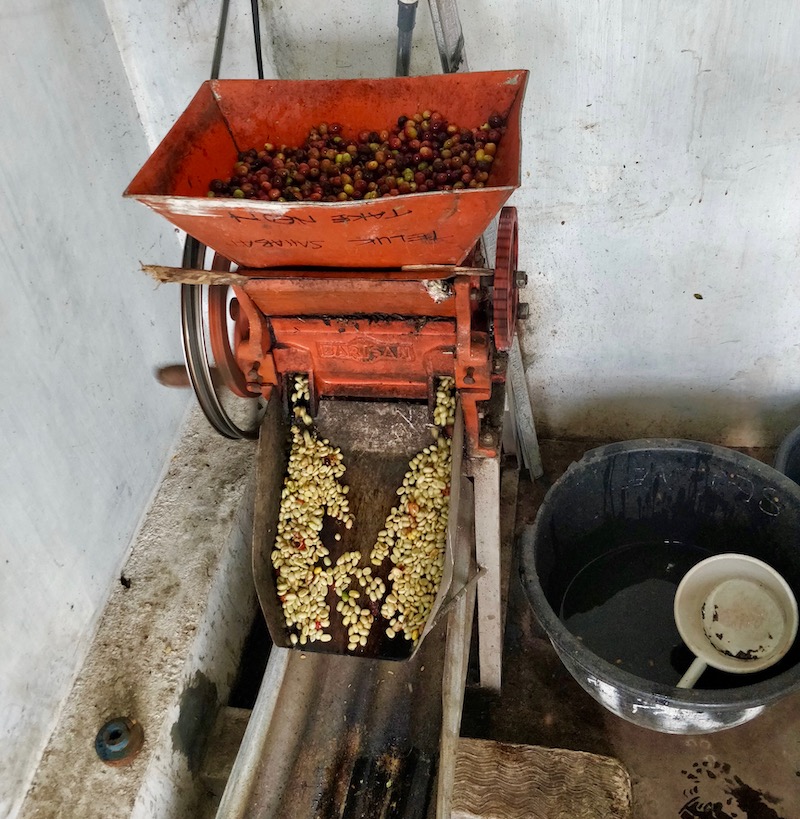
The Origin Story of Indonesian Coffee | What Is the Sumatra Mandheling Coffee Bean Variety Grading System? An Introduction to the Flavor, Taste Characteristics, and Price of Indonesia's PWN Pwani Golden Mandheling Coffee
Mandheling coffee is a single-origin coffee commonly found in specialty coffee shops. It is said that before Blue Mountain coffee was discovered, Mandheling was once regarded as the finest of coffees and swept the world for a time. Mandheling coffee is considered the most full-bodied coffee in the world; when tasting Mandheling, you can distinctly feel the tongue [more…]
Sumatra Golden Mandheling: A Complete Analysis of Indonesia's Specialty Coffee Core Regions, Varieties, and Brewing
Mandheling is synonymous with Indonesian coffee and serves as the starting point for many coffee enthusiasts to discover Indonesian coffee. This article begins with the cultivation history and geographical environment of Sumatra, outlines the characteristics of core producing regions such as Lintong and GAYO, analyzes the varietal origins of Mandheling and its unique wet-hulling process, and provides a detailed introduction to the brewing parameters and flavor profile of Front Street Coffee's PWN Golden Mandheling. Whether you are a beginner just getting to know Indonesian coffee or a seasoned enthusiast pursuing specialty quality, you will find practical references here. [more…]
What makes Sumatra coffee unique? A full analysis of the origin of the Mandheling name, plus brewing Golden Mandheling and making Americano.
Sumatran coffee is the calling card of Indonesian coffee, and Mandheling is especially well known around the world. But many people don't know that Mandheling is neither a region name nor a variety name, but rather a term left behind by a historical misunderstanding. This article will guide you through the cultivation origins of Sumatran coffee, its main producing regions, variety composition, and unique processing methods, with a focus on introducing the brewing parameters and flavor performance of Front Street Golden Mandheling. Finally, it will also explain the key points for making Mandheling Americano, making it suitable reading for enthusiasts who want to systematically understand Indonesian coffee. [more…]
The Origins of Indonesian Mandheling and Sumatra Coffee: From Naming Legends to the Wet-Hulling Process Explained
Mandheling is a classic symbol of Indonesian coffee, but it is neither a producing region name nor a variety name—it is the product of a historical misunderstanding. Sumatra, as Indonesia's largest coffee-producing region, contributes about 74.2% of the country's total output, and its unique geographical conditions, together with the wet-hulling process, jointly shape Mandheling's low-acidity, full-bodied flavor with a deep, stuffy aroma. This article systematically sorts out the full picture of this representative Indonesian cup of coffee, from the origin of the name Mandheling, the distribution of producing regions in Sumatra, the difference between Lintong and Golden Mandheling, the evolution of Typica and Ateng varieties, to Front Street Coffee's brewing parameters and Americano preparation methods. [more…]
Exploring the Origins of Indonesian Mandheling Coffee: A Full Analysis of Sumatra's Terroir, Varieties, and Processing Methods
Mandheling is synonymous with Indonesian coffee and the starting point for countless coffee lovers to get to know Indonesian coffee. But do you really understand it? Mandheling is not a place name or a variety name, but a legend left behind by a linguistic misunderstanding. Its main producing region, Sumatra, is the sixth largest island in the world, and its coffee output accounts for more than seventy percent of Indonesia's national total. From Lintong to the Gayo highlands of Aceh, from Typica to Ateng hybrid varieties, from the wet-hulling method to dark-roast brewing, Front Street Coffee takes you through a systematic overview of the origin network, variety evolution, and processing techniques of Sumatra Mandheling, along with the brewing parameters and flavor comparison of Golden Mandheling and Lintong Mandheling, so you can understand this classic coffee—mellow, rich, and aromatic—in one go. [more…]