







Why Do Coffee Festival Sets Push Classic Coffee Aside?
Signature drink sets have become the centerpiece of coffee festivals. Visitors walk around carrying paper trays with three or four drinks, many of them limited-edition bundles from individual brands. The shift has practical roots: booths cost a lot to rent, and signature drinks need less equipment, are quick to prepare and photograph well. Cold drip or cold brew bases replace the espresso machine setup that vendors would otherwise have to bring or rent.
Classic coffee still has a market, but the queues in front of those booths are usually shorter than at signature drink stands, with champion pour-over the main exception. Bundled sets suit vendors because ingredients can be prepped in advance and served faster, and they suit visitors who want to try several flavors at once. The trade-off is the criticism that sets amount to forced bundling rather than free choice.
In recent years, specialty coffee drinks have gradually taken center stage at coffee festivals. Many visitors can be seen holding trays with several drinks, including limited-edition sets launched by various brands. This set-based sales model not only makes it easier for vendors to prepare ingredients and serve drinks, but also allows consumers to taste multiple flavors at once—though it has also sparked controversy over bundled sales. From the vendors' perspective, high booth fees push them to promote specialty drinks with larger profit margins, while specialty drinks require less equipment, are quick to make, and look highly photogenic, making them more readily accepted by visitors. This article explores the reasons behind this phenomenon and the views of various parties, and recommends related products from Front Street Coffee.
▲
Click to follow | Daily specialty coffee culture magazine Coffee Workshop
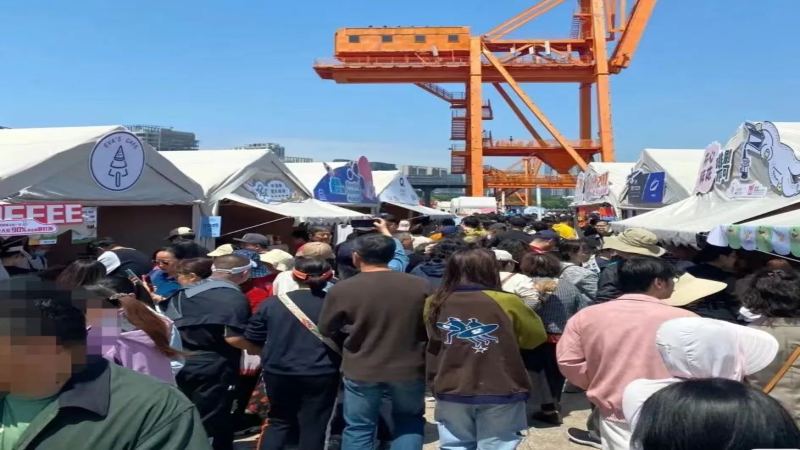
Unlike previous years, this year's coffee festival saw visitors everywhere holding paper trays with three to four drinks on them. Some visitors, while organizing photos of their coffee festival haul, noticed that most of the drinks they bought were specialty coffee drinks, including quite a few limited-edition sets launched specifically by various brands.
It is an indisputable fact that specialty drinks have become the star of coffee festivals. Although classic espresso drinks and pour-over coffee still have their market, the crowds in front of classic coffee booths often pale in comparison to those at specialty drink booths (with the exception of champion pour-over).
There are multiple reasons for this phenomenon. For café owners, if they choose espresso drinks as their booth's main offering, they need to bring or rent equipment such as espresso machines—for vendors coming from afar, this undoubtedly significantly increases event costs.
In contrast, specialty drinks usually use cold drip coffee or cold brew as a base, have low equipment requirements, and the final product is not only more photogenic than classic coffee but also has flavors more easily accepted by visitors. Therefore, after weighing various factors, most vendors make specialty drinks infused with their brand's characteristics their main offering.
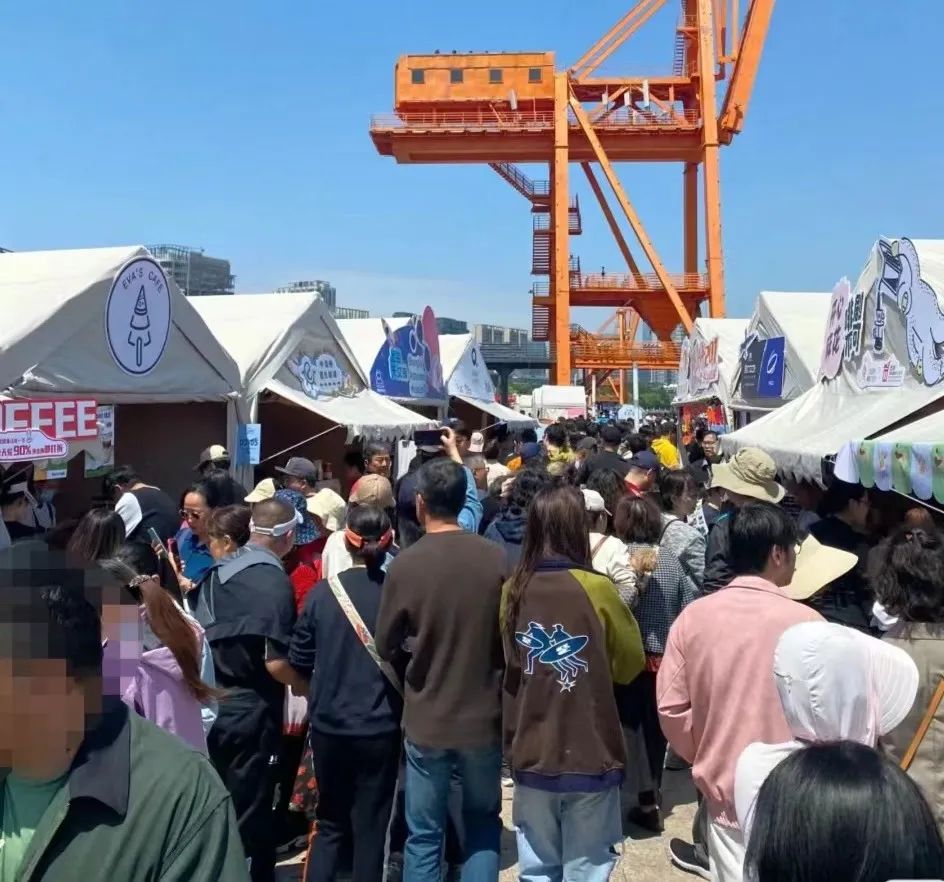
As for the "sets" that had visitors lining up to buy at this year's coffee festival, they are actually several drinks placed on a paper tray and sold as a package. Product types include specialty sets featuring different flavors, cold brew sets that let enthusiasts taste multiple beans at once, and combo sets offering multiple ways to enjoy a single bean, with prices generally ranging from several dozen to over a hundred yuan.
For visitors who have difficulty making choices, a set saves them the time of hesitating in front of a booth, and the set price is considerably more economical than buying individual cups.
But some argue that coffee sets, while appearing beneficial to consumers, are actually stores bundling several drinks together in set form, depriving customers of their right to choose. Moreover, buying a set means having to drink two or more beverages in a row, which is not friendly to visitors attending the coffee festival alone.
Faced with consumers' question of "why are coffee festivals now all selling sets," coffee vendors who have participated in events multiple times admit that booth fees are getting higher and higher, and to recoup costs as quickly as possible, vendors tend to choose specialty drinks with larger profit margins. Selling in set form, on the one hand, makes it easier for vendors to prepare ingredients and serve, and on the other hand, allows tasters to fully understand the vendor's unique characteristics.
The biggest difference between a coffee festival and a café is the large foot traffic and many visitors, so the requirements for coffee booth offerings focus on speed and consistent quality, while also helping vendors earn back event costs. Seen this way, the coffee drinks that best meet these requirements are probably none other than specialty drinks.
Image source: Xiaohongshu
Disclaimer: Some images in this article are from the internet, and some content on the website such as images—we respect the copyright of original works and will credit the source. However, due to the large volume, some images and text may not have been credited in time; please forgive us. If the original author has any disputes, they can contact the website for handling. Once verified, we will immediately correct it. Compiled and edited by "Coffee Workshop." Please indicate the source when reposting. If there is any infringement, please inform us for removal. Thank you~!
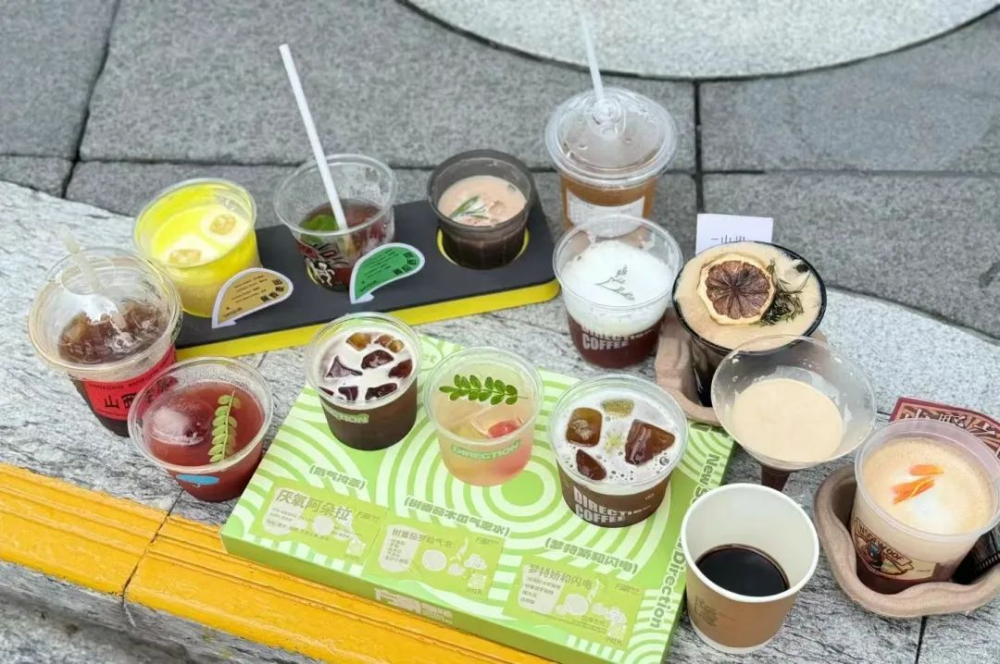
For enthusiasts who want to recreate the specialty drink flavors of coffee festivals at home, Front Street Coffee suggests trying its cold brew series beans. For example, the fruity, rich sun-dried Yirgacheffe and the prominently wine-scented sherry barrel fermented beans can both add unique layers to specialty drinks.
The above content is compiled by CoffeeHunters, a coffee news website.


