







How the energy crisis is hitting european style coffee shops
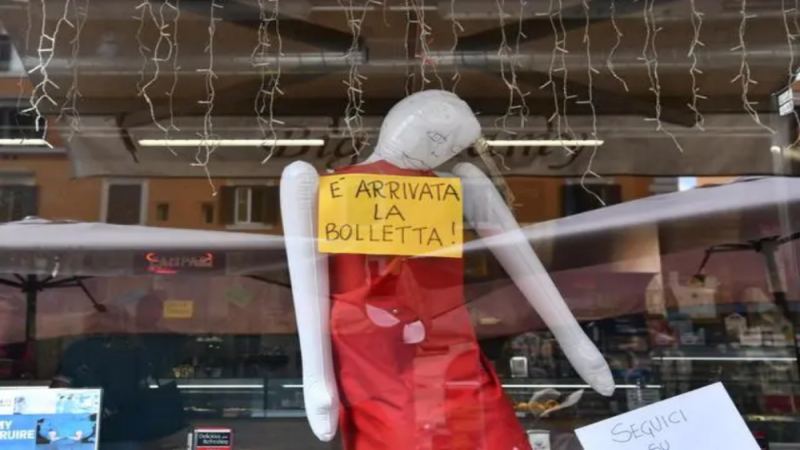
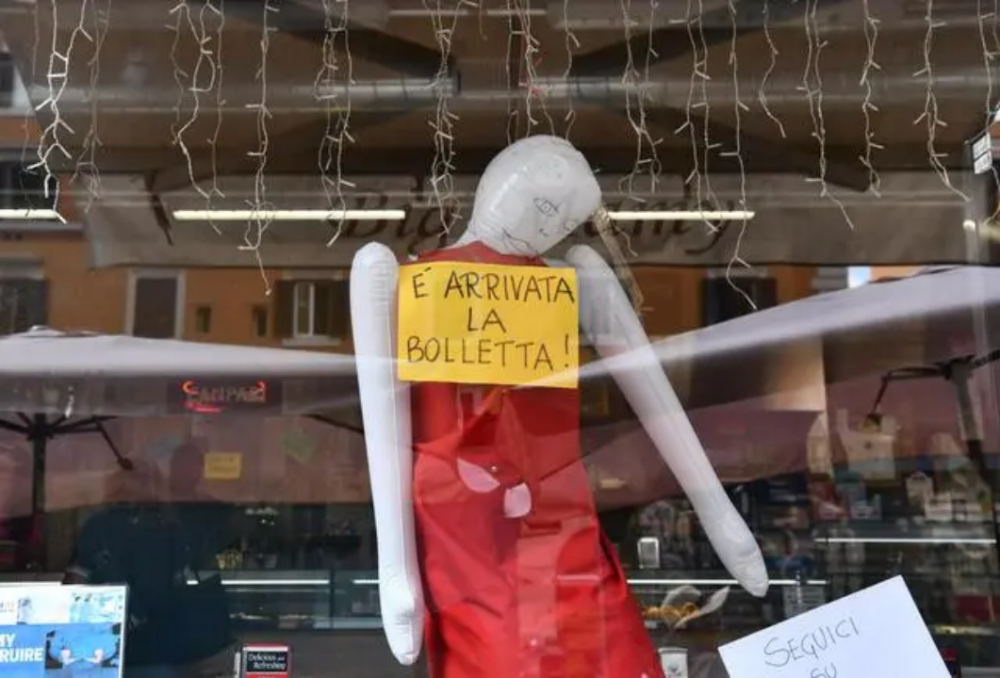
Cafés across Europe are struggling under sharply higher energy bills. In Rome, café owner Laura Lamoni hung an inflatable figure in her window with a note reading "The bill is here" as a silent protest; her June and July electricity bills totaled about 2,600 euros versus roughly 900 euros a year earlier. In Dublin, one café's electricity bill reached twice its rent.
Owners are responding by laying off staff, raising prices on some items, and applying to pay bills in installments, yet many still describe a situation where busier days mean bigger losses. As autumn and winter approach and energy price caps keep climbing, small businesses in the european style coffee sector face an uncertain season, with costs rising across cups, tableware, and coffee beans. Customer traffic is also falling as household expenses grow.
The European energy crisis continues to intensify, and coffee shops are bearing the brunt. In Rome, Italy, an art installation at a café—an inflatable figure hung in the window—serves as a silent protest against exorbitant electricity bills; in Dublin, a café's electricity bill has reached twice its rent, with operating costs rising across the board, from cups and tableware to coffee beans. Owners are forced to lay off staff, raise prices, and pay in installments, yet still find themselves trapped in a situation where the busier they are, the more they lose. As autumn and winter approach, energy price caps continue to climb, leaving small business owners deeply worried. This article will guide you through how this crisis is profoundly affecting the coffee industry and shine a light on how brands like Front Street Coffee are faring amid the turmoil.
Professional coffee knowledge exchange. For more coffee bean information, please follow Coffee Workshop (WeChat public account: cafe_style).
For more specialty coffee beans, please add our private WeChat: FrontStreet Coffee, WeChat ID: qjcoffeex
Recently, reports have emerged that in Rome, Italy, an inflatable figure was hung outside a café's glass window, wearing a red apron, its neck wrapped in clear tape, with a yellow note on its chest reading "The bill is here," drawing curious glances from passersby. This helpless act, tinged with performance art, is precisely a "silent protest" by Italian cafés under the energy crisis.
The shop's owner, Laura Lamoni, said she did this because the café had recently received a massive electricity bill. She said: "I feel like I'm hanging by a thread—I just can't take it anymore. The bills are too expensive, and the income is too low. That's how I feel, and it's how small traders like me feel." In June and July of this year, the café's electricity bills totaled about 2,600 euros, compared to only around 900 euros in the same period last year.
Laura admitted that the bills had overwhelmed her. To keep the business running, she had to lay off two employees, raise prices on some items, and apply to pay the bills in installments. Affected by the European energy crisis, energy expenses for ordinary Italians have generally increased. "Fewer customers are coming to my shop because their other expenses have also gone up," Laura said.
Against the backdrop of the energy crisis, the upcoming autumn and winter seasons add even more uncertainty to the café's prospects. The global energy crisis heralds a colder, harsher winter, especially in Europe. Despite efforts to save energy and electricity, impose windfall taxes, and restart coal and nuclear power, the massive energy crisis still cannot be halted. Since the Russia-Ukraine conflict, Europe's energy crisis has only intensified, with fossil fuel supply falling short of demand and prices soaring, leaving the electricity market almost out of control.
Not long ago, the owner of a café in the Crumlin area of Dublin, Ireland, was "terrified" after receiving an electricity bill—because it was "twice the rent" of the coffee shop. Paul McDonald, owner of Pip's Cafe and Deli, said that although the café remains busy, the bills have "skyrocketed" to the point where income can't cover expenses. The previous bill jumped from about 1,200 euros to nearly 4,000 euros in just six weeks. Another bill is expected in the coming days, and the owner is deeply worried.
Over the past few months, the café has received notices from multiple suppliers, including energy providers, informing them that prices and costs have risen, with some costs even "increasing by more than 50%." The rising costs cover almost everything, such as cups, boxes, and tableware. Even coffee beans have been "crazy" in price increases due to weather and other factors. Because of rising costs, restaurants and cafés cannot pass all the costs on to customers, and now the busier they are, the more they lose.
Owner Paul McDonald told the media that they are as busy as ever, but profits have taken a heavy hit. He also said that factoring rising energy costs into revenue is "impossible." This is very unfair, and the government needs to step in and reduce taxes on utilities and the like. Otherwise, small businesses will face a very difficult future, or even be unable to survive.
In the UK, energy regulator Ofgem said earlier in August that starting October 1, the energy price cap for ordinary households would rise by 80%. This means millions of Britons may be unable to pay their gas and electricity bills this winter. Germany will also begin levying a natural gas surcharge starting October 1.
Energy price trend chart
Perhaps saying this doesn't quite convey the severity of the energy crisis, but you'll truly understand when you walk into an ice cream shop, café, museum, or the subway and find there's no air conditioning at all. And that's not the worst of it. This winter, for some less affluent families in the UK, it may come down to choosing between spending money on food or on energy—either go hungry or go cold.
The energy transition must not be rushed; it must be based on each country's basic national conditions and proceed at an appropriate pace. Although Europe is determined to transition to green energy, whether from the perspective of ensuring supply or reducing carbon emissions, Europe's energy development still has a long road ahead. Add to that the onset of the European debt crisis—previously it was the smaller economies, but now the fire is spreading to Italy, Germany, and even the UK. It's hard to imagine what will happen next and what kind of massive crisis the world will plunge into.
Image source: Internet
The above content is compiled by CoffeeHunters, a coffee news website.


