







Coffee Prices Rise Across Australia, UK and Asia
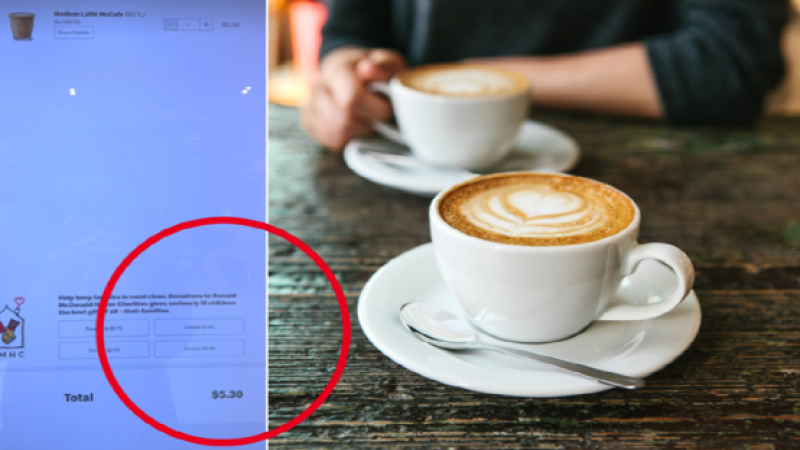
Coffee prices have risen across Australia, the UK and Asian markets, and consumers are paying more for the same drinks. In Australia, where the average person drinks 10 cups a week, chains such as McDonald's and Costa have lifted menu prices, and a medium latte at McCafe moved from AU$5.05 to AU$5.30 in a single day.
The increases trace back to inflation driven by extreme weather, higher crude oil prices and rising labor costs, factors that push up production and supply chain expenses. Industry insiders expect prices to keep climbing, with a cup potentially reaching AU$7 by the end of the year. Some customers already report paying AU$8.90 for a soy latte in Sydney.
Recently, coffee prices have risen significantly in many places around the world, from Australia to the UK and across Asian markets, with consumers paying more and more for their daily coffee. Australia, a country with a deep coffee culture, consumes 10 cups per person per week on average, but chain store prices have quietly been raised. Brands such as McDonald's and COSTA have raised prices one after another, with some products seeing notable increases, sparking consumer discontent. At the same time, domestic chains such as Bianlifeng and Starbucks are also facing cost pressures and adjusting prices. Behind the coffee price hikes is inflation pressure caused by a combination of multiple factors, including extreme weather, rising crude oil prices, and higher labor costs. Coffee freedom seems to be slipping further and further away, and consumers need to pay more for their favorite drink.
In Australia, cafes are everywhere on the streets, and coffee has long been integrated into locals' daily lives. No matter how bad the weather is, it cannot stop Australians' enthusiasm for enjoying coffee. Data shows that coffee is the most consumed beverage in Australia, with each person drinking 10 cups per week on average. However, coffee lovers now have to spend more on this beloved drink.
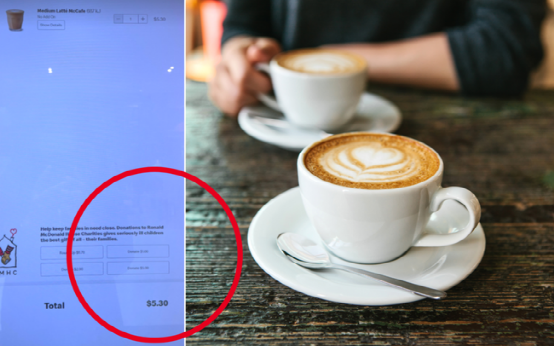
According to the Australian media outlet 7NEWS, customers who are used to buying coffee at chain stores may be facing bad news. One interviewee said that buying a medium latte at McCafe cost AU$5.30, while the same product cost only AU$5.05 the day before.
A McDonald's spokesperson told 7NEWS that, like many individual businesses, McDonald's pricing authority is delegated to each restaurant, and when evaluating menu prices it considers multiple factors, including operating costs.
Affected by multiple factors such as tension in the global production chain and supply chain, the price of a cup of freshly ground coffee has risen by about AU$1 in a short period. However, industry insiders predict that coffee prices may continue to climb, and by the end of this year, a cup of coffee may reach AU$7.
Amid the high coffee prices, more Australians have shared the outrageous coffee prices they encountered locally. On the overseas version of Douyin, a netizen bought a soy latte at a coffee shop in Sydney earlier this year for AU$8.9, and exclaimed in a video: "Oh my god, I just spent AU$8.90 on a cup of coffee," while adding a shocked expression.
This is not only happening in Australia. Far away in the UK, COSTA Coffee has also raised prices twice within six months, with the second increase averaging 14 pence, and some consumers reported that certain products rose by as much as 35 pence. Because the increases were relatively large, many consumers expressed dissatisfaction, and some said they would no longer buy COSTA products.
On July 4, the British media outlet The Sun reported that the price of a cup of COSTA coffee had soared to £6.15. The report mentioned that coffee products priced over £6 were mostly large-sized categories using plant-based milk and with added espresso or syrup.
Behind the surge in coffee prices is persistently high inflation caused by multiple factors. Brazil, as the largest coffee-producing country, has been hit by extreme weather, leading to a decline in coffee production capacity; rising crude oil prices have pushed up transportation costs; and the cost-of-living crisis and rising labor costs have further increased the burden of store operations.
In Asia, where coffee culture is prevalent, the wave of price increases is also spreading. Some Starbucks stores in South Korea have raised the price of individual items by about 2 yuan; Japan's 7-Eleven "100-yen coffee" line has increased by 1 to 2 yuan.
Domestic consumers are also affected. At the end of June, the price of self-service machine-brewed coffee in Bianlifeng stores increased. The iced americano that previously cost 6 yuan per cup is currently priced at a special offer of 8 yuan, with the original price marked at 16 yuan. Bianlifeng's official customer service responded that due to rising raw material prices, Bianlifeng coffee prices have been raised across the board. Since the beginning of this year, coffee companies such as Starbucks and Tim Hortons have also successively raised product prices due to market pressure.
Coffee freedom has become more and more distant.
Image source: Internet
For more coffee bean information, please follow Coffee Workshop (WeChat public account cafe_style) For professional coffee knowledge exchange, please add WeChat ID kaixinguoguo0925
The above content is compiled by CoffeeHunters, a coffee news website.


