







Search Results for: ratio adjustment

Pour-Over Coffee Strength Adjustment Techniques: How Coffee-to-Water Ratio and Parameter Adjustments Affect Flavor Expression
The most direct way to adjust the strength of pour-over coffee is through the coffee-to-water ratio. If you want a bolder cup, reduce the amount of water poured; if you prefer something lighter and more refreshing, simply increase the water. However, changing the coffee-to-water ratio doesn't just affect concentration—it also shifts the extraction yield. Within the parameters recommended by Front Street Coffee, 1:15 to 1:16 works for most coffee beans: 1:15 gives a solid body and full flavor, while 1:16 is lighter and more layered. If you're brewing a dark roast and want it stronger, jumping straight to 1:13 may lead to under-extraction and a missing finish—this is where grind size and water temperature come in to help. This article will systematically sort through various approaches to adjusting concentration, including coffee-to-water ratio, grind coarseness, water temperature changes, and the By Pass technique, to help you find the balance point across different roast levels. [more…]
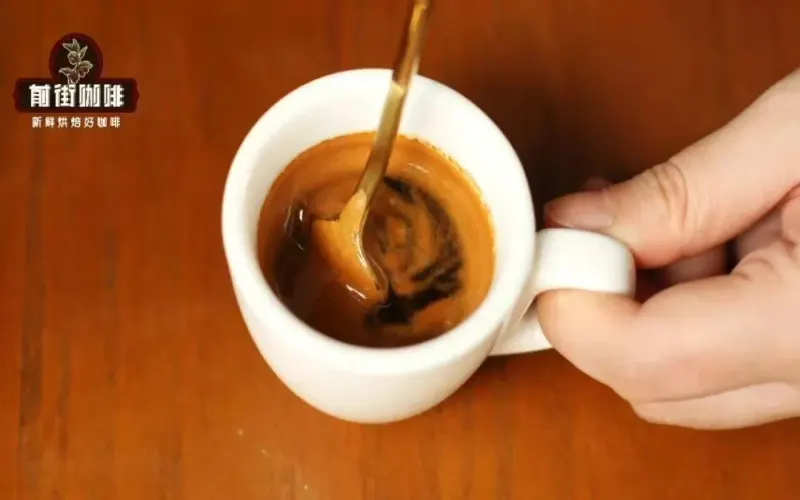
Why Is the Espresso Extraction Ratio Locked at 1:2? A Guide to Adjusting the Three Key Parameters: Dose, Grind, and Time
Many people new to espresso often run into this confusion: they follow the popular online formula of 18g of grounds yielding 36ml of liquid, yet the coffee tastes sharp and stings the tongue—clearly under-extracted—and they have no idea whether to adjust water temperature, pressure, water volume, or grind. In fact, dialing in espresso isn't complicated; you just need to focus on three core parameters: dose, brew ratio, and the interplay of time and grind. Dose and ratio usually don't change much—what really needs repeated fine-tuning is the grind setting. Drawing on Front Street's practical experience, this article explains why 1:2 is considered the golden ratio for espresso, how to use the roughly 30-second extraction window to judge whether your grind is right, and how to make precise corrections through dose and yield when the flavor goes off—helping beginners quickly build a clear, workable approach to espresso extraction. [more…]
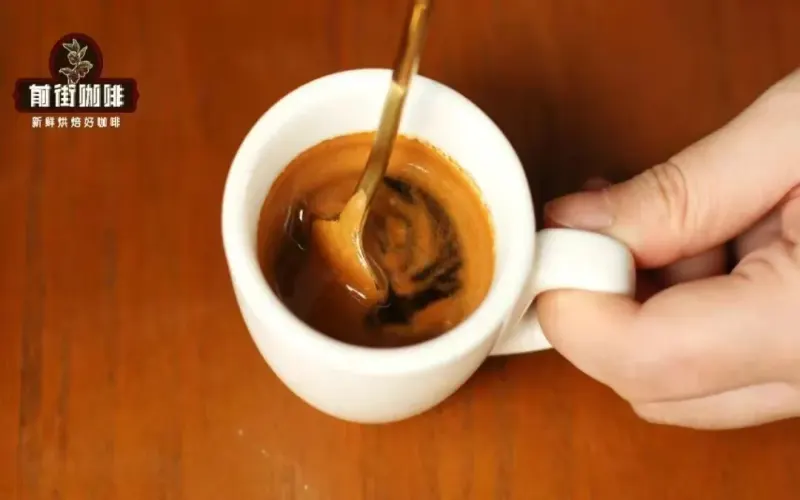
Espresso Extraction Parameters | Why Is the Espresso Brew Ratio 1:2? How Do You Adjust Extraction Time, Coffee-to-Water Ratio, and Water Temperature for Espresso?
Friends often tell Front Street Coffee that they've just bought a new coffee machine but don't know how to dial in a standard espresso. They don't know how much coffee grounds to use, how much liquid weight to extract, or how long it should take. And even if they follow popular extraction formulas like "use 18g of grounds to extract 36ml of coffee liquid," what they end up with [more…]
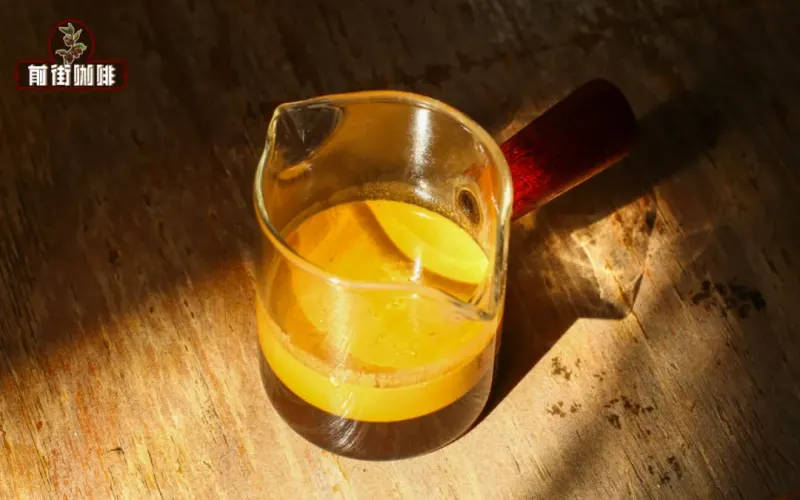
Must espresso always follow a 1:2 coffee-to-beverage ratio? Unlocking flexible adjustment ideas for the golden extraction ratio
Many coffee enthusiasts have heard of the "golden ratio" for espresso—using a dose roughly equal to the basket's capacity, and extracting twice the dose weight in liquid weight within 25 to 30 seconds. However, when everyone strictly follows the 1:2 brew ratio to dial in, they find that not only does it consume a large amount of coffee beans, but the taste is also hard to reach an ideal state. So, must espresso extraction stick firmly to the 1:2 brew ratio? The answer is no. This ratio is just a general reference standard, helping us extract a delicious espresso with appropriate concentration and a reasonable extraction yield. The truly effective dialing-in method is to remove the restrictions on dose and liquid weight, and treat them as adjustable variables as well. This article will explain this flexible adjustment approach in detail for you. [more…]
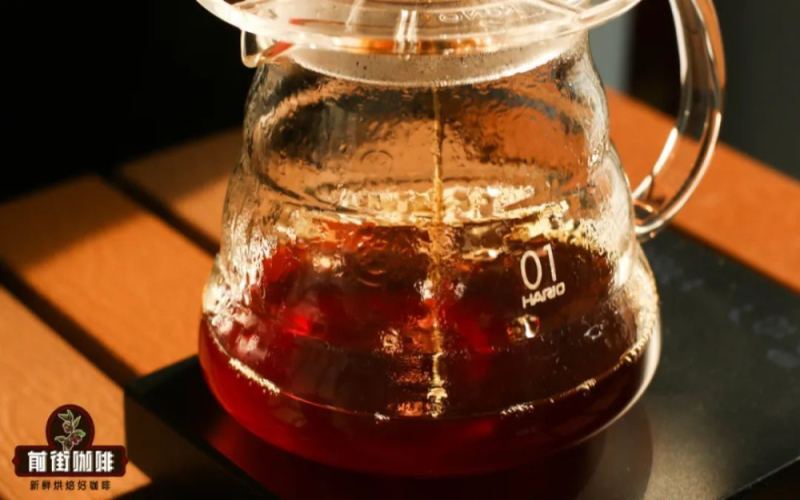
Pour-Over Coffee Strength Adjustment Guide: Key Parameters and Techniques Beyond the Coffee-to-Water Ratio
In the world of pour-over coffee, adjusting strength seems simple—want it stronger, use less water; want it weaker, use more water. However, when changes to the coffee-to-water ratio go beyond a reasonable range, the extraction yield also shifts, which in turn affects the overall flavor of the coffee. This article uses Front Street Coffee's commonly used 1:15 coffee-to-water ratio as an example to explain in detail how to adjust strength while coordinating parameters such as water temperature and grind size to avoid under-extraction or over-extraction. In addition, it introduces the simple method of diluting strength by adding water (bypass) and reminds readers of precautions during operation. Whether you are pursuing a rich mouthfeel or a light flavor, these practical tips can help you control every cup of coffee more precisely. [more…]
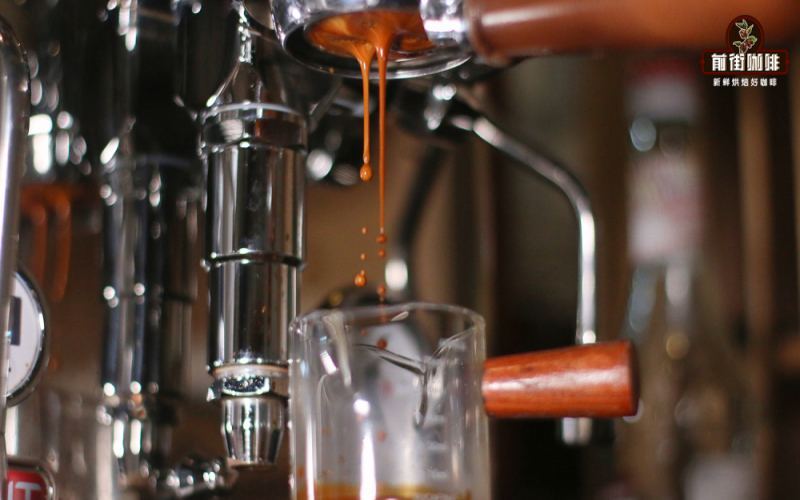
Espresso Extraction Ratios and Grind Size Explained: Dose-to-Yield Ratio, Flow Rate Adjustment, and Front Street Practical Parameters
Espresso is a taste treasure Italy has gifted to the world—briefly extracted, yet it concentrates the very essence of coffee. To obtain a qualified Espresso, parameters such as grind size, water temperature, extraction time, and dose-to-yield ratio are all indispensable, among which the extraction ratio and grind coarseness are especially critical. This article will systematically explain the dose-to-yield ratio range for espresso, the influence of grind coarseness on flow rate and flavor, and how to respond to extraction changes by adjusting dose, grind setting, and yield weight. The article also includes the practical parameters from Front Street Coffee's store and the flavor performance of the "Front Street Sunflower Warm Sun Blend Coffee Beans" for coffee enthusiasts' reference. [more…]
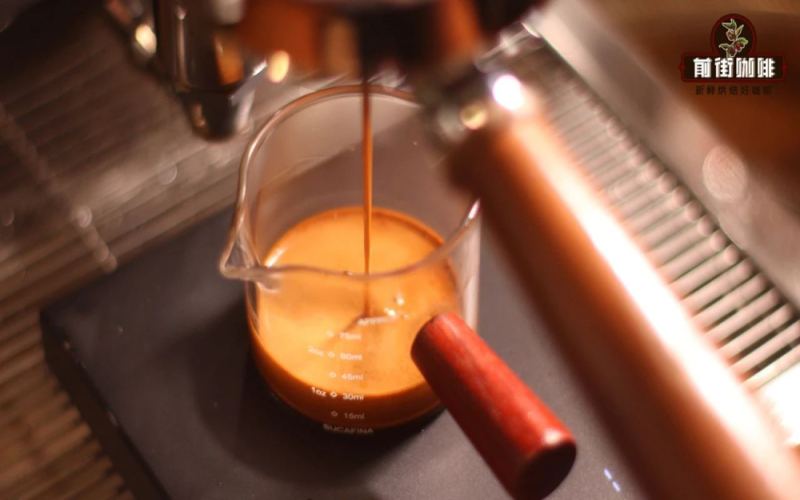
Espresso Extraction Recipe Adjustment Guide: From Grind Size to Dose-Yield Ratio, Quickly Find Great-Tasting Parameters
Making espresso at home with an espresso machine is most frustrating when it comes to dialing in parameters—one careless move and half a bag of beans is gone. Even professional baristas, when facing a new espresso blend, often need to pull seven or eight shots before finding a satisfying flavor. Actually, the key to taking fewer detours and quickly dialing in to a tasty state is to understand what impact each parameter change will bring. Based on Front Street Coffee's hands-on experience, this article sorts out the three major adjustable variables—grind size, dose, and yield—and, combined with the 1:2 brew ratio and 25-30 second extraction framework, teaches you how to judge the grind setting through timing differences, and gives specific adjustment directions for common problems such as burnt-bitterness and short aftertaste. [more…]
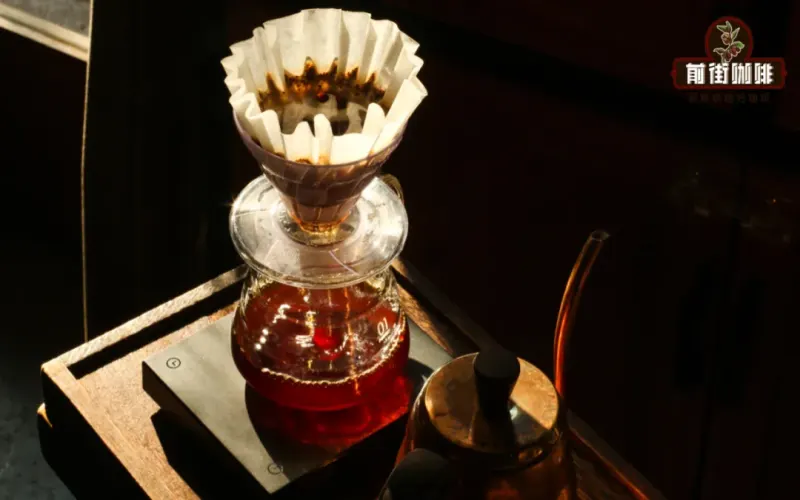
How to Adjust Hand-Brewed Coffee Strength and Extraction Yield? A Detailed Explanation of How Coffee-to-Water Ratio Affects Flavor and Mouthfeel
Among the many variables in pour-over coffee, strength and extraction yield are the core indicators that directly determine whether a cup of coffee tastes good. The strength level affects the body and the intensity of flavor, while the coffee-to-water ratio is the key lever for adjusting strength. But changes in water volume also affect the extraction yield, making adjustment complicated. Starting from Front Street's brewing practice and using Huakui coffee as an example, this article explains clearly the relationship among coffee-to-water ratio, strength, and extraction yield, and offers specific ideas on how to simultaneously correct other parameters when making it stronger or weaker, helping you brew a pot that suits your taste more efficiently. [more…]
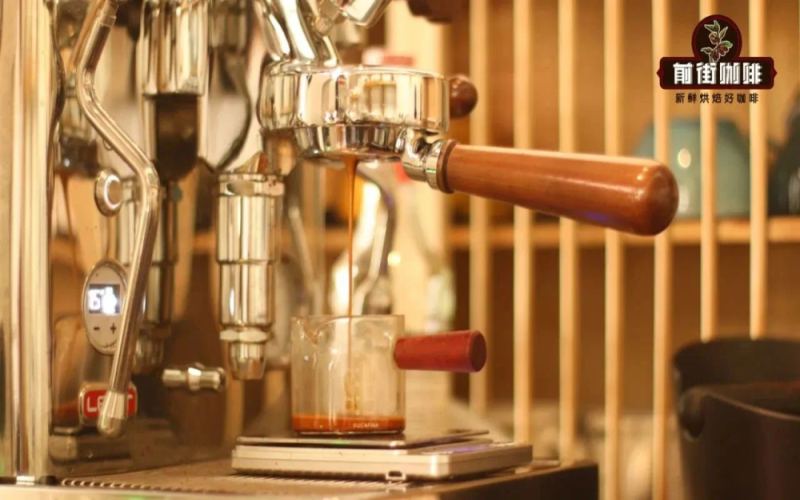
How Is Espresso Made? From Dose-to-Yield Ratio to Taste Adjustment, Comparing Extraction Differences with Drip Coffee
Espresso, with its high-pressure rapid extraction, serves as the base for lattes, cappuccinos, and other specialty coffee drinks. It uses a large dose of coffee and yields a small volume of liquid, with a concentration far higher than pour-over and other drip coffees. This article explores the extraction principles, coffee-to-water ratios, and flavor characteristics of espresso, and uses a Front Street Yirgacheffe Gudingding Cooperative coffee bean as an example to compare the extraction parameters and taste differences between pour-over and espresso. It also introduces the four blended coffee beans that Front Street has specially crafted for espresso, as well as reference parameters for single and double shots served in stores. Finally, it provides practical methods for adjusting the water-to-coffee ratio and grind size to help you find the balance between acidity and bitterness, and craft a cup of espresso with stable flavor. [more…]

How to make delicious lattes with different cup sizes? A complete adjustment approach from coffee-to-water ratio to milk pairing
When recreating a coffee shop latte at home, many people find that the taste is either too weak or too strong, but the problem often lies in the ratio of coffee to milk. Using Front Street's 300ml latte as a baseline, this article shares two approaches for adjusting cup size: one is to keep the ratio unchanged and adjust the dose and grind size in tandem; the other is to switch milk type or the number of espresso shots to suit different volumes. Whether you want to make a small cup or a large cup, the key is to rebalance the coffee strength and the amount of milk, rather than simply adding or reducing milk. [more…]
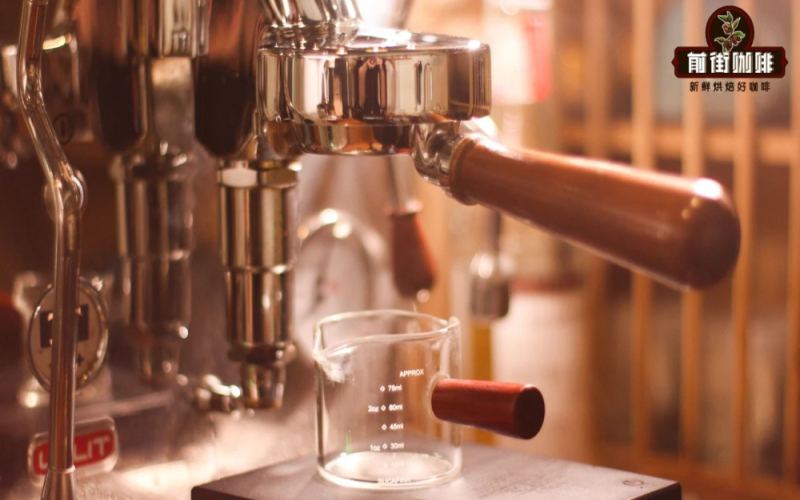
Americano Features | What Factors Affect Espresso Quality? What Is the Espresso Extraction Formula? Introduction to Iced Americano Ratio and Method
For more specialty coffee knowledge, please follow our WeChat official account: FrontStreet Coffee. Anyone who has made coffee knows that a standard Americano is made by combining espresso with water—meaning whether an Americano tastes good depends entirely on the quality of the espresso. Extracting espresso. [more…]
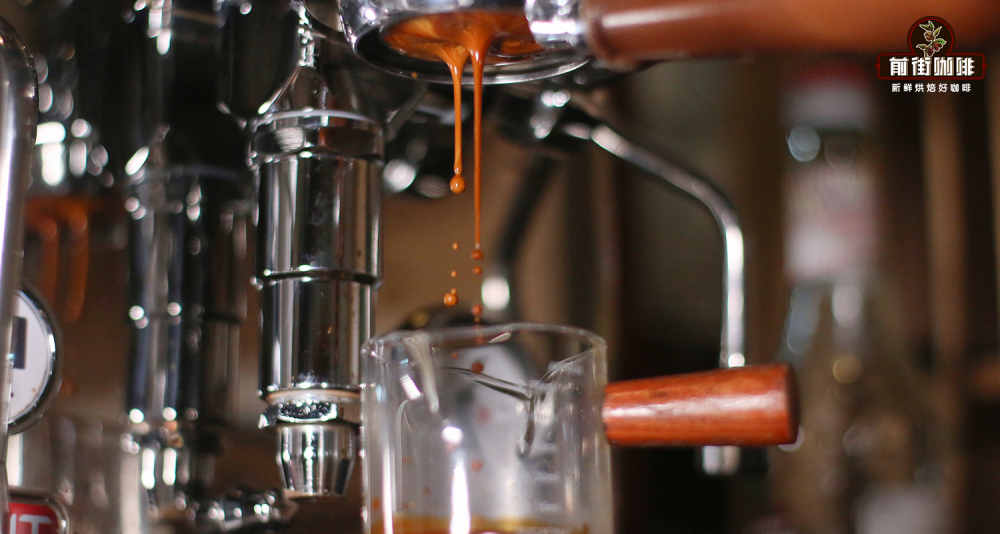
Espresso Extraction Ratio | How to Determine Espresso Grind Size? How to Adjust Espresso Grind Settings?
For more specialty coffee knowledge, please follow our WeChat official account: FrontStreet Coffee. Italy is a country of coffee culture, and the espresso that has spread across the globe is the soul of coffee and a treasure Italy has given to the world. Espresso, as its name suggests, is a [more…]
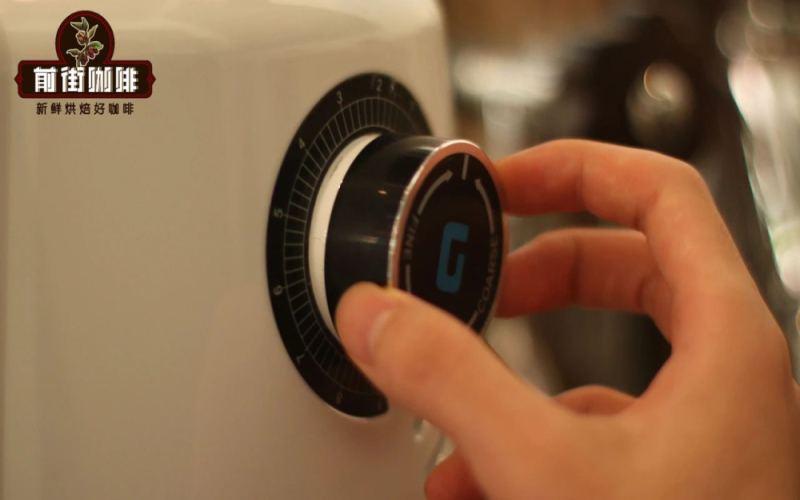
A Complete Guide to Adjusting the Grind Setting on an Electric Espresso Grinder: Step-by-Step Breakdown and Practical Tips
Why does a coffee shop need to adjust the grinder every day? How does grind size affect extraction? Starting from the principles of grinding, this article systematically explains how to adjust the settings on an electric espresso grinder, including how to judge the quality of the grounds, the specific operating steps, the relationship between the output and the grind setting on an electronic grinder, and practice suggestions for the water-to-coffee ratio. Whether you are a new barista or a seasoned enthusiast, you can find practical adjustment ideas here to make every shot of espresso consistently excellent. [more…]

Iced Pour-Over Coffee Brewing Guide: A Practical Guide to Coffee-to-Water Ratio, Ice Amount, and Grind Size Adjustment
On a hot summer day, a glass of iced pour-over coffee is the refreshing first choice for many coffee lovers. But many people find that when they make it at home or in the office, the flavor always seems thin and watery. This article sorts out three key details of iced pour-over coffee: adjusting the coffee-to-water ratio, calculating the ratio of ice to brewed coffee, and subtle changes in grind size, along with alternative solutions for common problems such as grinder limitations and too many fines. At the same time, according to different flavor preferences, it recommends a variety of beans suitable for iced brewing, including Front Street Coffee Fruit Ding Ding, Front Street Coffee Strawberry Candy, Front Street Coffee Xizhua, Front Street Coffee 2013 Sun-Dried Typica, Front Street Coffee Bird of Paradise, Front Street Coffee PWN Golden Mandheling, and Front Street Coffee Queen's Estate, helping you consistently make a delicious glass of iced pour-over in summer. [more…]
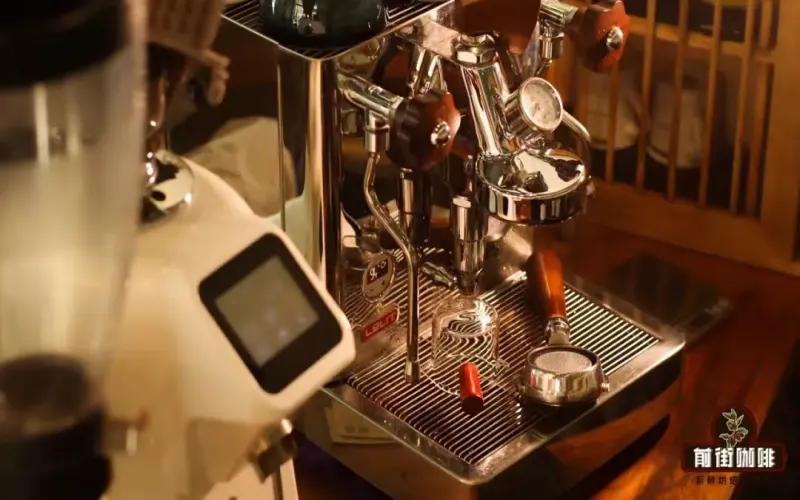
A Complete Guide to Espresso Extraction: Adjusting the Four Key Parameters of Dose, Grind, Brew Ratio, and Time
To make a well-balanced espresso at home, the key is to master a few core variables that affect extraction. Drawing on the practical experience of Front Street Coffee, this article systematically sorts out the relationships among the four main adjustable parameters—dose, grind size, brew ratio, and extraction time—to help readers understand how to decide which direction to adjust based on the taste the espresso presents. It also introduces the basic concept of the Golden Cup standard, explains why choosing a more stable espresso blend can improve the margin for error in home extraction, and lists four distinctive blends from the Front Street bean lineup for reference. [more…]
How Fine Should Espresso Grind Be? A Detailed Guide to Extraction Parameter Adjustment Methods and Practical Key Points
Espresso has always been known for being rich and intense, but pulling a consistently delicious shot requires juggling far more variables than most people imagine. The interplay among grind size, dose, yield, time, and water temperature—each one can shift where the final flavor lands. Starting from the brew ratio, this article draws on hands-on experience from Front Street Coffee's shops to lay out the logic for judging espresso grind size and a framework for adjusting extraction parameters, helping coffee lovers find the balance point between flow rate and flavor so they can quickly dial in a balanced shot of espresso. [more…]
A Detailed Guide to Espresso Dose and Yield Ratios and Extraction Parameters: A Practical Guide from Brew Ratios to Flavor Adjustment
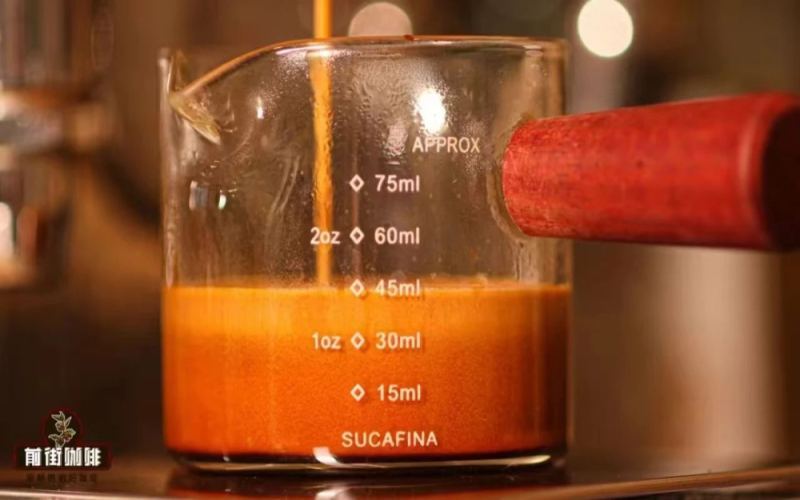
Behind the golden crema of an espresso lies a precise balance among dose, yield, time, and grind size. Many coffee enthusiasts want to recreate an ideal espresso at home, yet are often troubled by the flavor fluctuations caused by changes in parameters. This article starts from the calculation logic of the coffee-to-water ratio, systematically sorts out the mutual influences among extraction time, grind coarseness, and dose adjustment, and, combined with actual operating cases from Front Street Coffee stores, shows how to correct the extraction direction by observing flow rate and tasting perception. Whether you use a semi-automatic or fully automatic espresso machine, understanding the relationships among these variables can help you more efficiently dial in an espresso with rich vinous notes and thick crema. [more…]
How to determine the coffee-to-water ratio for pour-over? With a fixed water amount and slight adjustments to the coffee dose, how big is the difference in flavor?
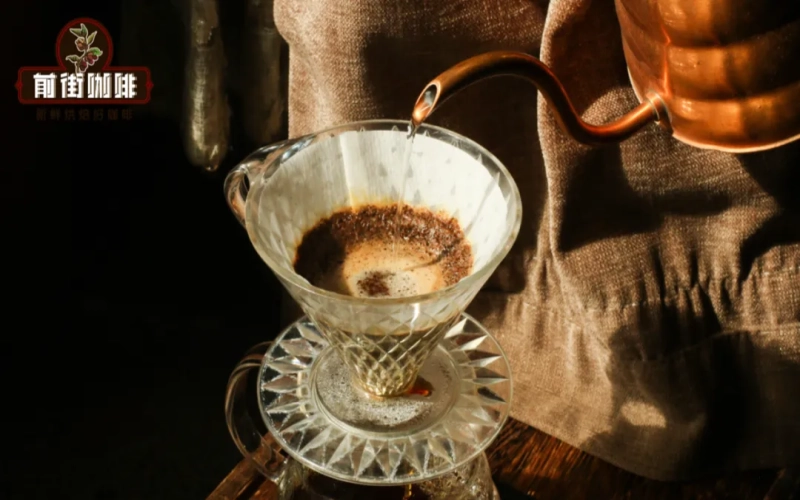
Many coffee enthusiasts habitually use safe powder-to-water ratios like 1:15 or 1:16 in their daily pour-over brewing. Front Street also often recommends such parameters to beginners. However, once a fixed brewing pattern of fixed coffee dose with fixed water volume is established, even if the dose differs by only one or two grams, the pouring water volume is often locked in by inertia, causing the actual powder-to-water ratio to quietly shift. The powder-to-water ratio directly relates to extraction yield and concentration, and these two in turn determine the flavor and mouthfeel of the coffee. This article uses a clever cup immersion extraction experiment, brewing 14g, 15g, and 16g of Front Street Yirgacheffe Red Cherry with the same 225ml hot water, measuring concentration and tasting flavor differences, to illustrate the importance of adjusting water volume in sync when fine-tuning the coffee dose, and to remind that when the dose difference exceeds 5g, grinding, brewing technique, and dripper also need to be adjusted in [more…]
A Complete Analysis of Pour-Over Coffee Parameters: Practical Calculations and Adjustment Approaches for Coffee-to-Water Ratio, Water Temperature, Grind Size, and Pouring Scheme
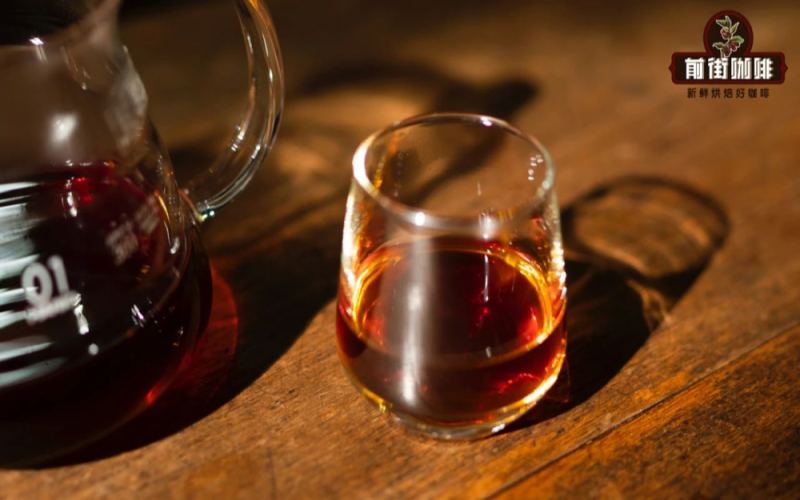
Getting a coffee brewing recipe doesn't mean you can replicate the same flavor—just like cooking from a recipe, the heat and details often determine success or failure. This article breaks down the role and adjustment logic of each parameter in pour-over coffee, from coffee dose, coffee-to-water ratio, grind size, and water temperature to pouring scheme. Front Street Coffee, drawing on practical experience, shares the commonly used 1:15 ratio, the 86-93℃ water temperature range, and how to flexibly change the number of pouring stages based on extraction time, helping you quickly find the right direction when facing extraction problems. [more…]
What Happens When You Adjust Pour-Over Coffee Grounds by 1 Gram? Analyzing the Relationship Between Coffee-to-Water Ratio and Extraction Flavor
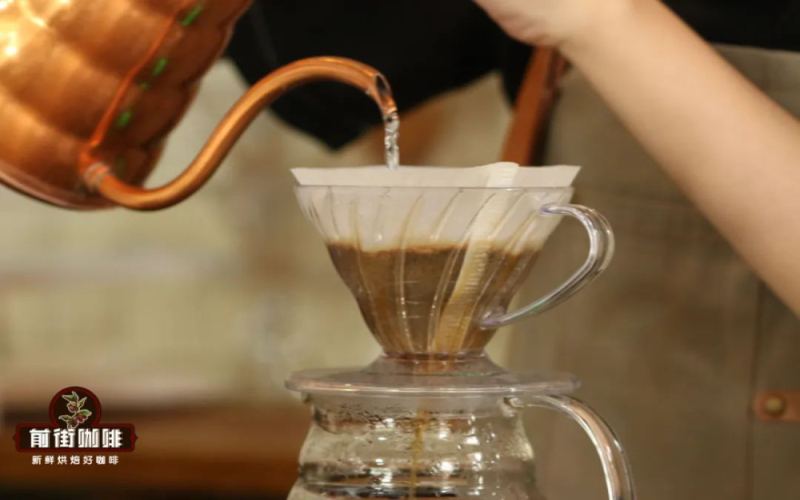
Among the many variables in pour-over coffee, the coffee-to-water ratio is always the key parameter determining the direction of flavor. Front Street Coffee usually recommends a safe range of 1:15 to 1:16, and once you get used to it, 15 grams of coffee with 225 milliliters of water becomes almost the default operation. But in reality, we are not necessarily that precise every time, and the amount of coffee may be one gram more or one gram less. If the amount of water poured remains unchanged and only the coffee dose deviates by 1 gram, will the taste of the coffee show a noticeable difference? Through three controlled brewing experiments with 14 grams, 15 grams, and 16 grams, this article analyzes the impact of slight coffee dose adjustments on extraction yield and concentration, and provides parameter adjustment suggestions after the coffee dose changes, helping you achieve consistent results in daily brewing. [more…]