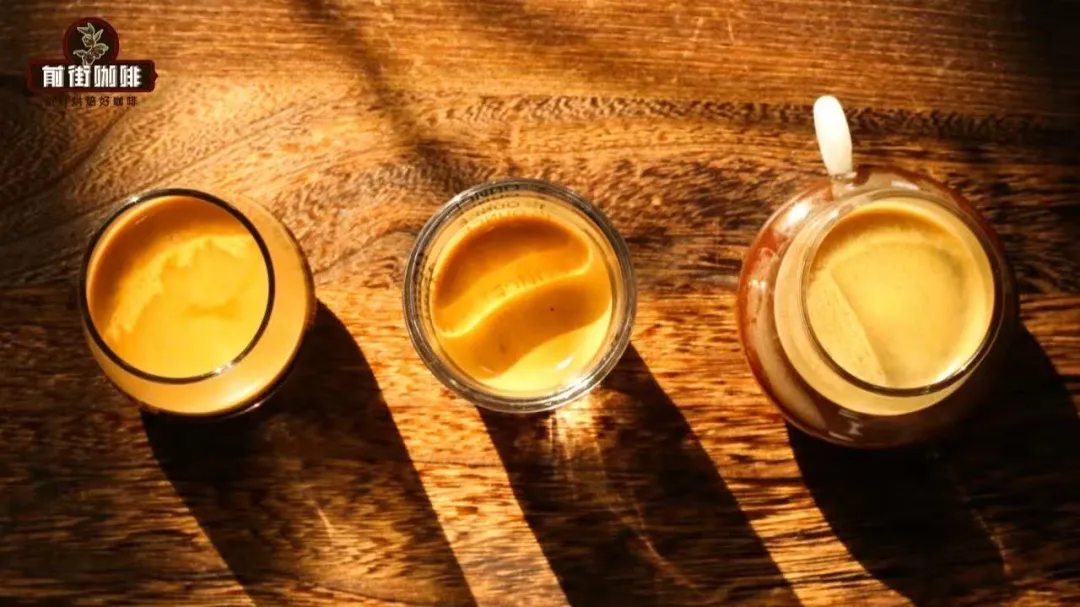
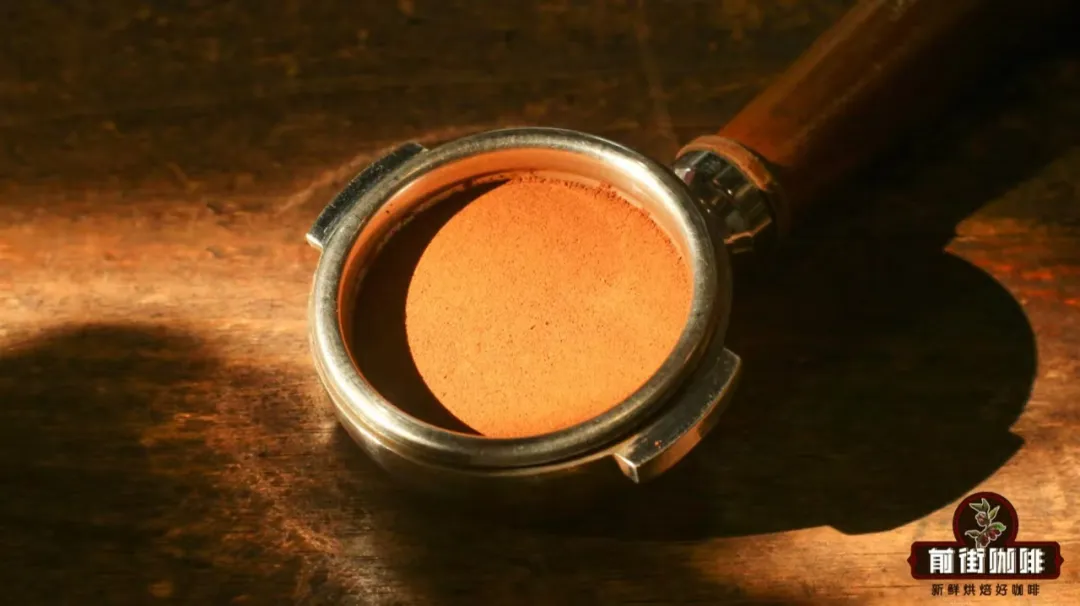
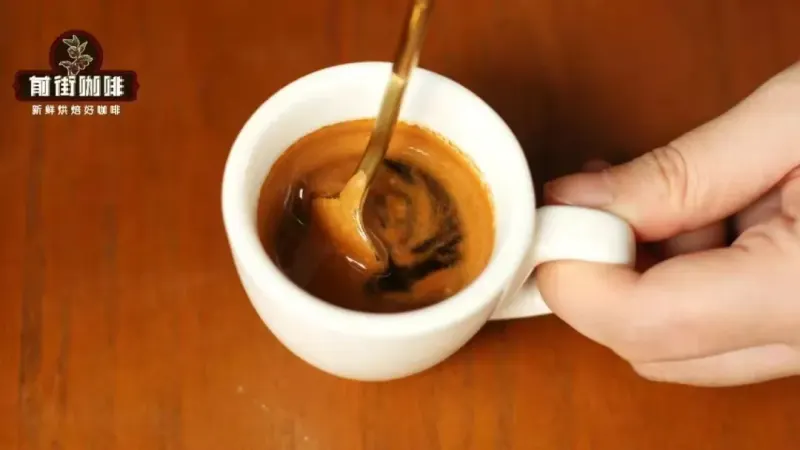
Friends often tell Front Street Coffee that they've just bought a coffee machine but don't know how to dial in a standard espresso. They don't know how much coffee to use, how much liquid weight to extract, or how long it should take.
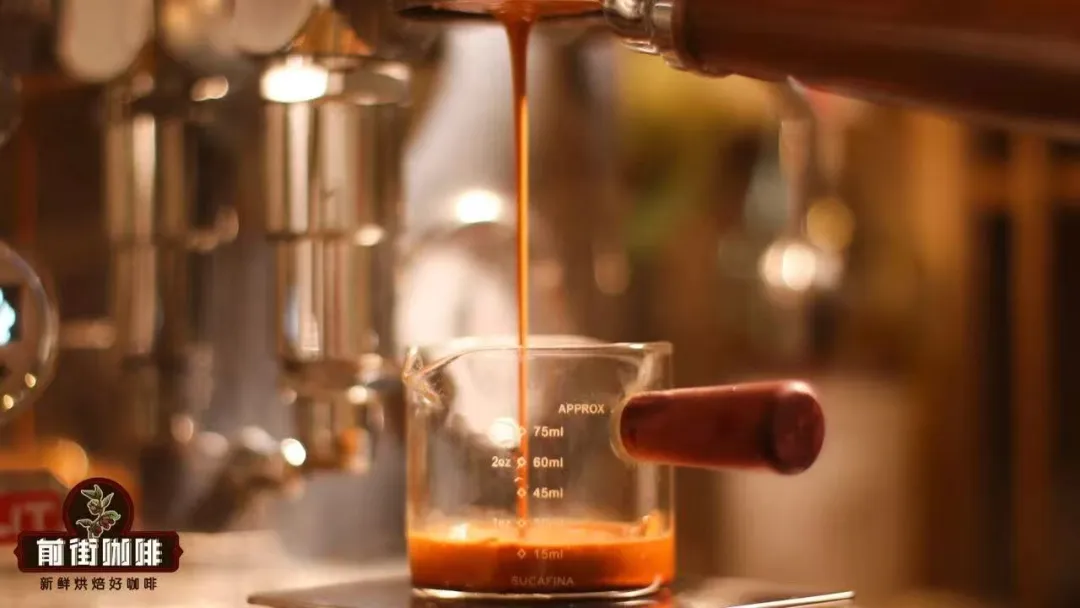
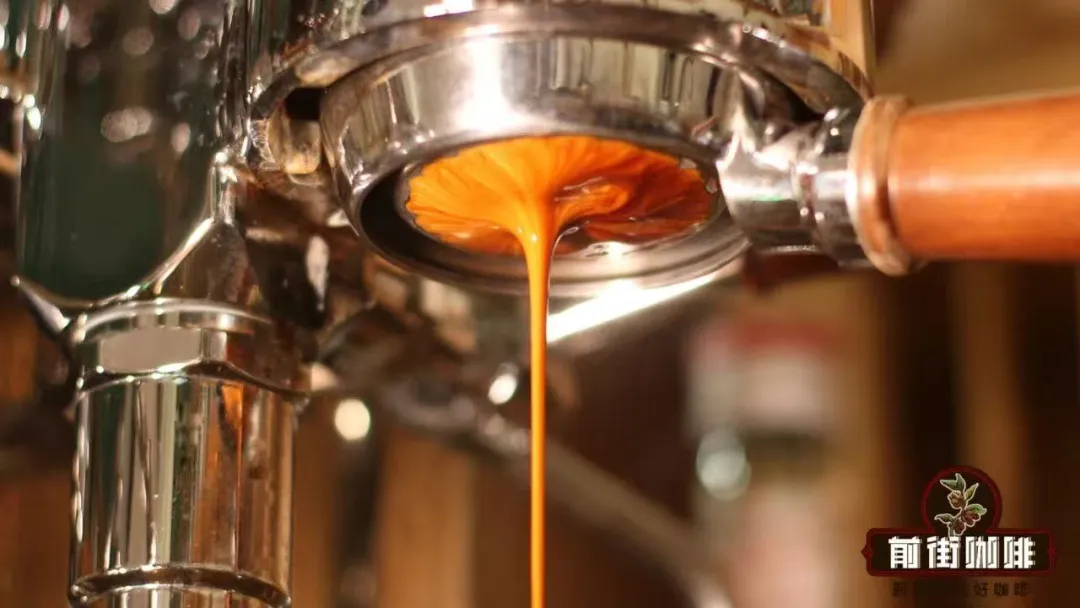
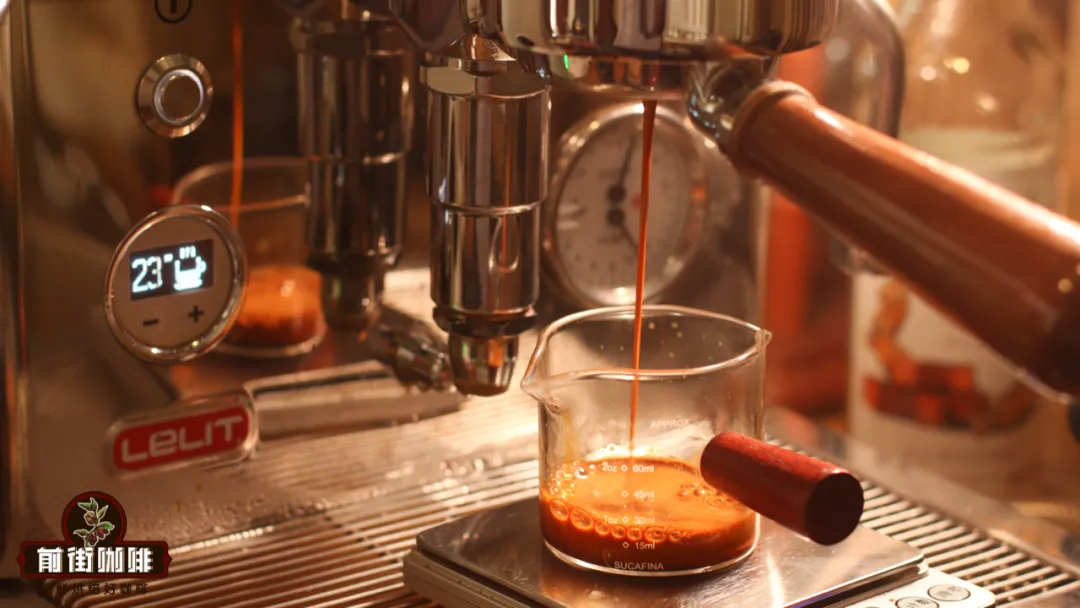
And even if they follow popular extraction formulas like "use 18g of coffee to extract 36ml of espresso," the final cup ends up under-extracted because the extraction time is too short, tasting sharply sour. Then they ask Front Street Coffee whether they should adjust the water temperature, pressure, water volume, or grind size in this situation.This is a problem many friends encounter when they're just starting out, because the tutorials available online are all over the place and the knowledge they pick up is too scattered, leaving them unsure how to make adjustments. So today Front Street Coffee will share how to dial in a relatively standard espresso.Adjusting espresso is actually very simple—we just need to work around three parameters: dose, ratio, and time/grind size. As for things like water temperature, pressure, and filter baskets, Front Street Coffee doesn't recommend beginners adjust them. First, they're troublesome to adjust; second, there's no need—just keep them at factory settings. Once you understand the extraction logic of espresso down the road, it won't be too late to learn about these.(You'll even pick things up faster)Among these three parameters, dose and ratio hardly ever change much—what we mainly adjust is the grind size. Because espresso extraction requires a certain headspace between the puck and the group head, the filter basket has a recommended dose range, and we just follow that recommendation. The coffee-to-liquid ratio works in a similar way.If you're drinking espresso straight or adding water to make an Americano or Long Black, then the ratio doesn't really matter. But if you want to use that espresso to make milk drinks like lattes, flat whites, or cappuccinos, then Front Street Coffee suggests you don't adjust the liquid yield too much—try to keep it around 1:2. Why? Because it affects the strength of the espresso.Whether in"Why 1:2 Is the Golden Coffee-to-Liquid Ratio for Espresso"this article, or"What's the Difference Between Ristretto, Normale, and Lungo"in this article, Front Street Coffee has mentioned that the coffee-to-liquid ratio determines the coffee's strength. Assuming the extraction yield stays the same, the larger the ratio, the higher the coffee's strength, and vice versa.And when we use espresso as a base to make various specialty coffee drinks, the espresso should ideally have a relatively high strength. Because if the strength is too low, the resulting drink will have a heavy watery mouthfeel—tasting watery, bland, and weak—since the espresso isn't strong enough and dilutes the overall flavor.So 1:2 is a coffee-to-liquid ratio that gives espresso a relatively high strength, and many espresso drinks are made using espresso at this ratio as the base. So if you need to use espresso to make milk coffee, the coffee-to-liquid ratio you use during extraction should ideally be around 1:2.(Not fixed; minor adjustments are fine)Once the ratio and dose are fixed, what's left for us to adjust is the grind size. Grind size affects the particle size of the coffee grounds, and the particle size of the coffee grounds determines the resistance of the puck, which in turn affects the extraction time.In other words, we can adjust the grind size based on time. If the extraction time is faster than expected, we grind finer; if it's slower than expected, we grind coarser. But then the question arises: how many seconds exactly should this time be?Front Street Coffee suggests keeping it around 30 seconds, specifically in the range of 26 to 34 seconds. This time range, combined with a 1:2 coffee-to-liquid ratio, allows the coffee to achieve a relatively suitable extraction yield. It's less likely to result in improper extraction like over-extraction or under-extraction. Finally, we just fine-tune based on the coffee's taste.Taking Front Street Coffee as an example, the filter basket we use has a recommended dose of 20g, so we use 20g of coffee, then follow a 1:2 coffee-to-liquid ratio for a yield of 40ml, with the time set at 30 seconds.If we extract 40ml of espresso in just 10 seconds, then in this case we need to grind the coffee finer. Front Street Coffee's grinder changes the extraction time by 3 to 5 seconds per 1 click adjustment. Since we're off from the target time by 15 seconds, here at Front Street Coffee we need to adjust the grind finer(toward smaller numbers)by 4 to 6 clicks.Once the grind is dialed in, we grind fresh and extract again. If the time falls within the target range, that's naturally best. If not, we can also try tasting it to see if the flavor performs well. If it tastes good, then such parameters are also acceptable—there's no need to rigidly require the parameters to fall within the set range.But if the time falls within the target range yet the flavor isn't quite pleasant, then we can judge based on the coffee's taste whether it's over-extracted or under-extracted, and then make subtle adjustments to the dose and liquid yield.For example, if the coffee tastes bitter, it might be over-extracted. In that case, we can reduce the liquid yield a bit to lower the extraction yield, then see whether the extracted coffee still carries over-extracted flavors. If it's under-extracted, we can slightly increase the dose or liquid weight to raise the coffee's extraction yield.That's it—a beginner's guide to making espresso, very simple! If you still have questions, feel free to comment in the comments section or message us, and let's explore solutions together!
The above content is compiled by CoffeeHunters, a coffee news website.