








MoreFor more specialty coffee knowledge, please follow our WeChat official account: Front Street Coffee (FrontStreet Coffee)
Anyone who has worked with coffee knows that a standard Americano is made by combining espresso with water — in other words, whether an Americano tastes good depends entirely on the quality of the espresso.
Only those who have truly experienced it know the pain of extracting espresso. If you're the type who plays with an espresso machine at home, dialing in an espresso could use up half a bag of beans. Even baristas, when facing new espresso beans, need seven or eight shots to dial it in to a tasty state. So Front Street Coffee is here to tell everyone how to dial in a suitable espresso relatively quickly and economically.
To dial in espresso quickly, you need to quickly identify the problem and adjust the corresponding parameters, which requires you to be very clear about how changes in each parameter affect the outcome. For example, the parameters we can adjust in espresso include grind size, dose, yield, water temperature, and pressure. (Here, dose and yield represent the ratio, while time is a passive parameter.)
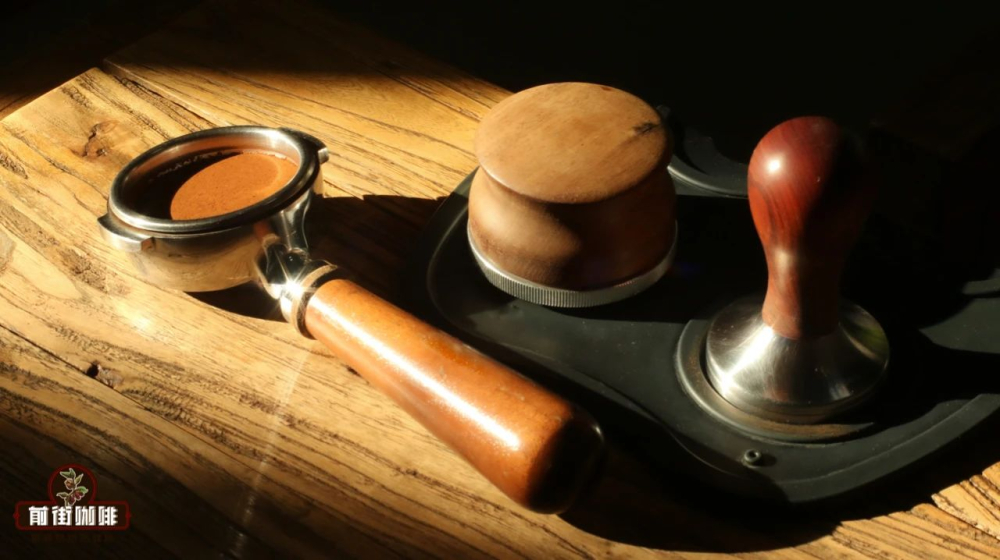
Generally, water temperature and pressure won't be changed unless the settings are unreasonable. So what really needs adjusting is just three parameters: grind size, dose, and yield. Among these three, the main one to adjust is grind size — many espresso dialing situations can be solved with just a slight tweak of the grind setting, and only a few require adjusting dose or yield.
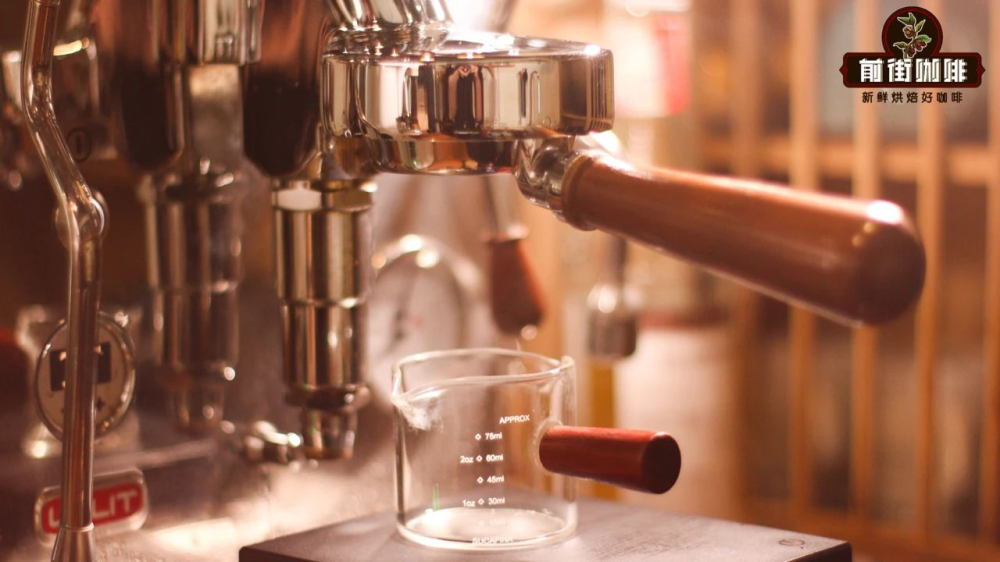
Dose can achieve the same effect, but it is limited by the basket. There is a groove line inside the basket; after tamping, the coffee puck should just approach but not exceed the groove line for a reasonable dose. Normally, increasing or decreasing the dose by 1g stays within a reasonable range. If you add too much, the portafilter won't lock onto the group head; if you reduce too much, the puck will easily be washed apart by the water. So this adjustment is generally used for final flavor fine-tuning.
To make espresso, Front Street Coffee uses its specialty blend coffee beans, which are blended from the coffee of Brazil and Colombia, the world's two major coffee-producing countries. It has rich flavors of roasted peanuts, caramel, and creamy chocolate, with a strong aroma and smooth mouthfeel, suitable for those who don't like acidic coffee. You can place an order at the Front Street Tmall flagship store or the Front Street Taobao store.

Adjusting the yield is essentially used to adjust the relationship between concentration and extraction yield. Its detailed usage will be discussed below.

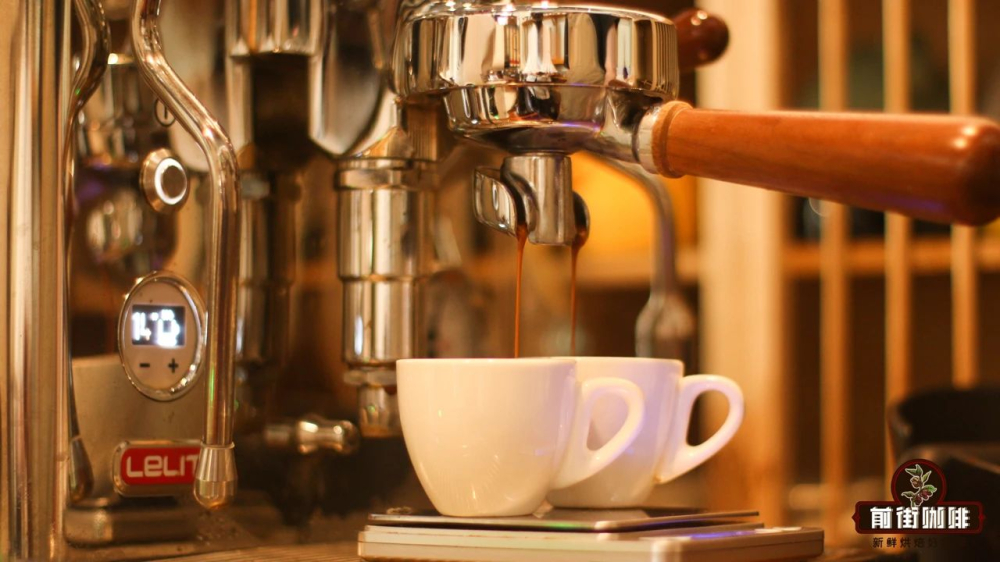
Apply the espresso extraction formula: 1:2 dose-to-yield ratio, time 25-30 seconds. The dose depends on the basket capacity. For example, the reasonable capacity of the basket Front Street Coffee uses is 20g, so use 20g of coffee grounds to extract 40g of coffee liquid, with time controlled at 25-30 seconds as the extraction plan. Then first choose a grind coarseness that looks about right to the naked eye and extract, using the time difference to judge how far off the grind setting is.

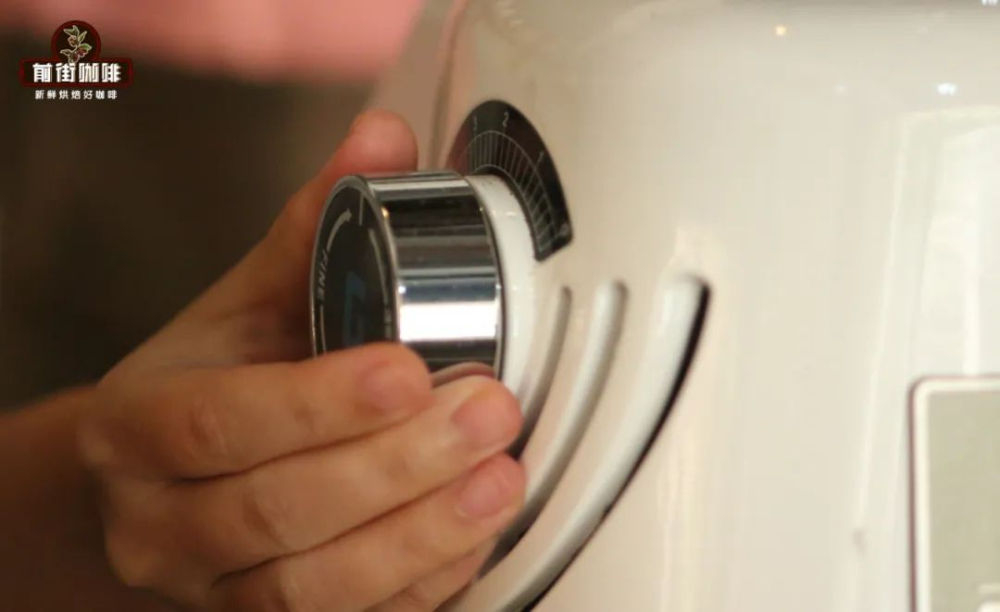
Dialing in the grind setting relies quite a bit on feel — the more you adjust, the more familiar you become with the grinder, and once you have the feel, you can get it right in one step. If the gap from the target time is less than 5 seconds, you can adjust by 0.2 increments each time; if the gap is too large, you can be bolder and adjust by 0.5-1 increments. Even if you go from too long to too short, you can lock in this grind setting range and gradually narrow it down.
Even if you adjust to parameters identical to the extraction formula, it doesn't necessarily mean the espresso will taste good. This formula only indicates that espresso extracted according to it will be more likely to be reasonable; ultimately you still need to adjust based on the characteristics of the coffee beans. Front Street Coffee lists several adjustment approaches for different situations, assuming the grind size determined by the formula gives an extraction time of 30 seconds.
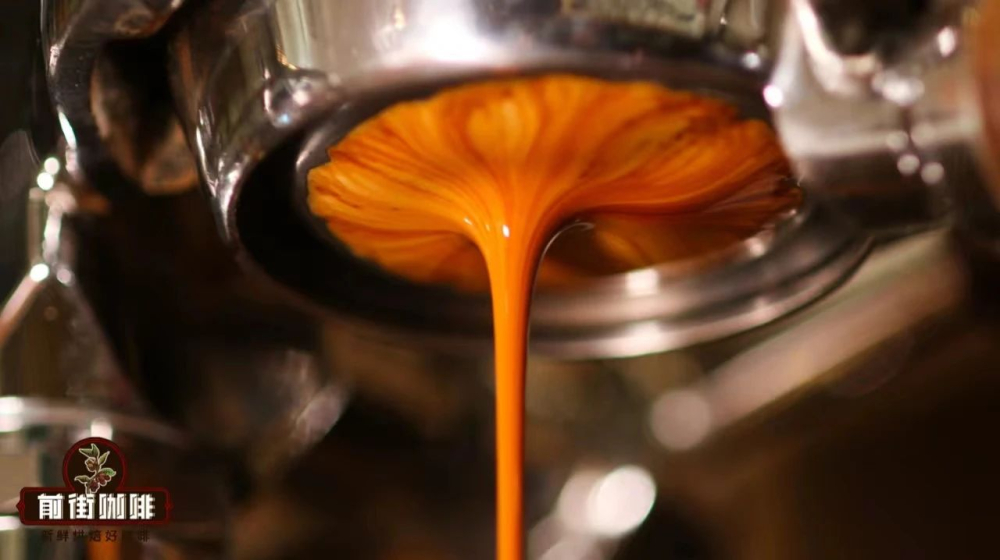
1. If the espresso shows negative flavors like burnt bitterness but the concentration is moderate, this may be because the time is still too long, extracting burnt bitter notes. The usual solution is to make the grind size coarser.
3. If the espresso has relatively rich flavor but a short finish, you can appropriately extract more coffee liquid — try adjusting the ratio to 1:2.5.

1. Coffee contains certain nutrients. The niacin in coffee contains vitamin B, and roasted coffee beans have a higher content. It also contains free fatty acids, caffeine, tannic acid, and more.
2. Coffee benefits the skin. Coffee can promote metabolic function, invigorate the digestive organs, and has a significant effect on constipation. Bathing with coffee grounds is a thermotherapy that has a weight-loss effect.
3. Coffee has a sobering-up function. Drinking coffee after alcohol will cause the acetaldehyde converted from alcohol to rapidly oxidize, decompose into water and carbon dioxide, and be excreted from the body.
4. Coffee can eliminate fatigue. To eliminate fatigue, you must supplement nutrition, rest and sleep, and promote metabolic function — and coffee has these functions.

5. Coffee can help with weight loss. Coffee contains magnesium and potassium, which help the body use insulin, regulate blood sugar levels, and reduce cravings for sweets and snacks. Caffeine helps fat cells break down body fat and use it as fuel for exercise.
The above content is compiled by CoffeeHunters, a coffee news website.


