







What Sets Espresso Extraction Apart From Drip Coffee?
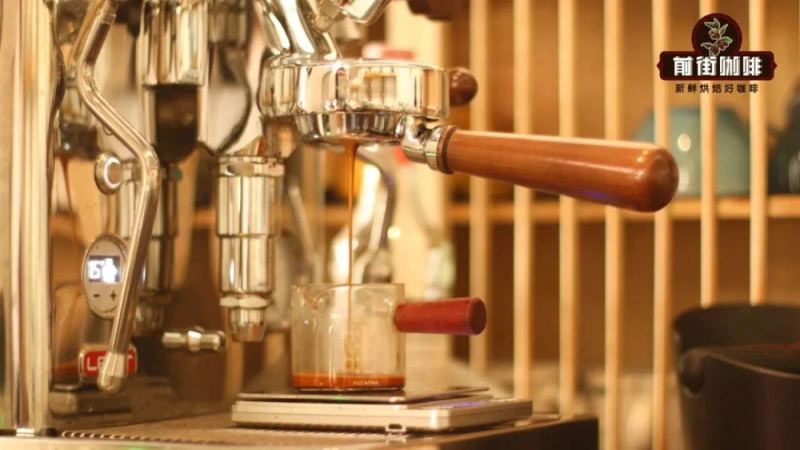
Espresso is made on a machine with a pressure system that forces water through a compact puck of finely ground coffee in a short time, yielding a small, intense shot. A portafilter basket was originally built for 7 g of grounds to extract 25-30 ml, but common practice now uses 18-20 g to extract 35-40 ml. The typical dose-to-yield ratio is 1:2.
That concentration is the practical difference between cappuccino and coffee made by drip methods, where the ratio is closer to 1:13 and the grind is medium. Espresso's intensity is why it becomes the base for latte, cappuccino, macchiato, and dirty drinks. Adjusting the water-to-coffee ratio and grind size is how you balance acidity and bitterness, whether or not you know how to use a drip coffee machine.
Espresso, with its high-pressure rapid extraction, has become the base for latte, cappuccino, and other fancy coffee drinks. It uses a large dose of coffee and yields a small amount of liquid, with a concentration far higher than pour-over and other drip coffees. This article covers the extraction principles, dose-to-yield ratio, and flavor expression of espresso, and uses a bag of Front Street Yirgacheffe Gutingding Cooperative coffee beans as an example to compare the extraction parameters and taste differences between pour-over and espresso. It also introduces the 4 espresso blend coffees specially crafted by Front Street, along with reference parameters for single and double shots served in stores. Finally, it offers practical methods for adjusting the water-to-coffee ratio and grind size to help you find the balance between acidity and bitterness and make a cup of espresso with stable flavor.
For more specialty coffee knowledge, please follow our WeChat official account: FrontStreet Coffee
Espresso is a beverage made with an espresso machine equipped with a pressure system, using powerful pressure in a short time to quickly press out the essence of the coffee. Its volume is extremely small, yet its taste is intensely strong and full-bodied. This is precisely why it has become the base for a large number of fancy coffee drinks, such as latte, cappuccino, macchiato, dirty, and more—most classic drinks in coffee shops are inseparable from it.
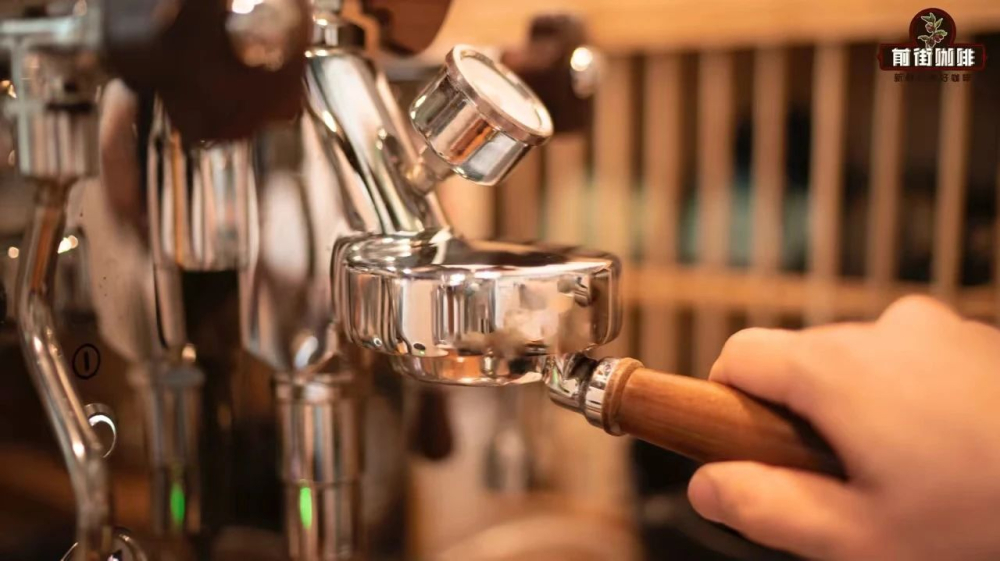
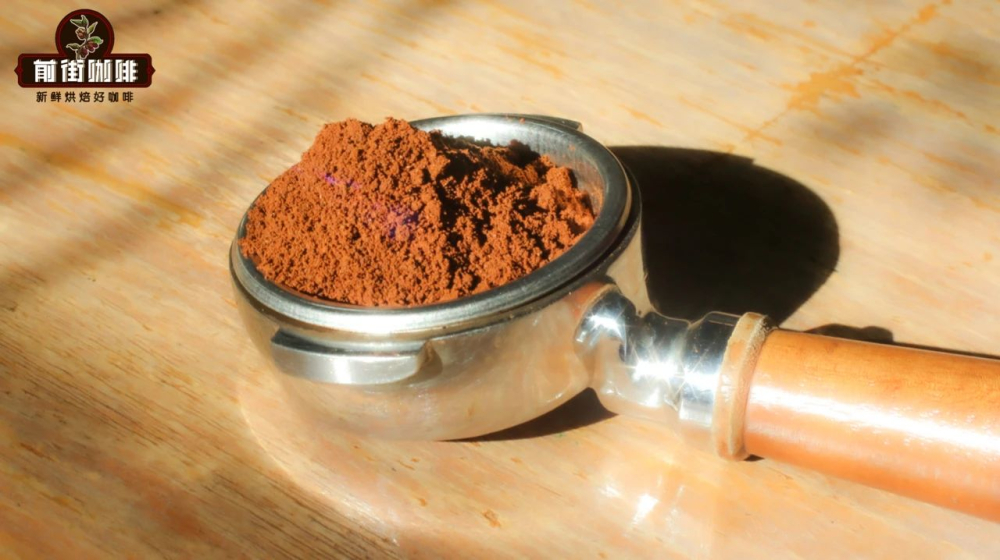
Today's common espresso machines are equipped with a portafilter basket, and the ground coffee is placed into a fixed space, then tamped under external force to form a compact puck, strong enough to withstand the rapid impact of high-pressure water flow, while allowing the water to spread more evenly throughout the entire puck, ultimately "pressing" out a cup of coffee with balanced flavor.
Just how strong is espresso?
The portafilter basket of an espresso machine was originally designed for 7g of coffee grounds to extract 25-30ml of espresso. But in reality, the dose people use has long exceeded the 7g standard, giving rise to specifications of 18-20g of coffee grounds to extract 35-40ml of espresso.
Generally speaking, the dose-to-yield ratio of espresso is 1:2, while regular drip coffee (such as pour-over) is 1:13. In addition, espresso uses an extremely fine grind, while drip coffee uses a medium grind (similar to the coarseness of granulated sugar), so espresso is indeed much more concentrated.
To this end, we conducted a comparative experiment using a bag of Front Street Yirgacheffe Gutingding Cooperative coffee beans. The pour-over parameters were: brewing water temperature 92°C, dose 15 grams, water-to-coffee ratio 1:15 (i.e., dose-to-yield ratio 1:13), grind size medium-fine/fine sugar coarseness (80% passing through a No. 20 sieve).
The flavor expressed by Front Street Gutingding pour-over coffee is a bright citrus-like acidity, berry-like sweet-and-sour notes, a faint white floral aroma, and a honey green tea-like sweet finish, with a balanced and full-bodied mouthfeel.
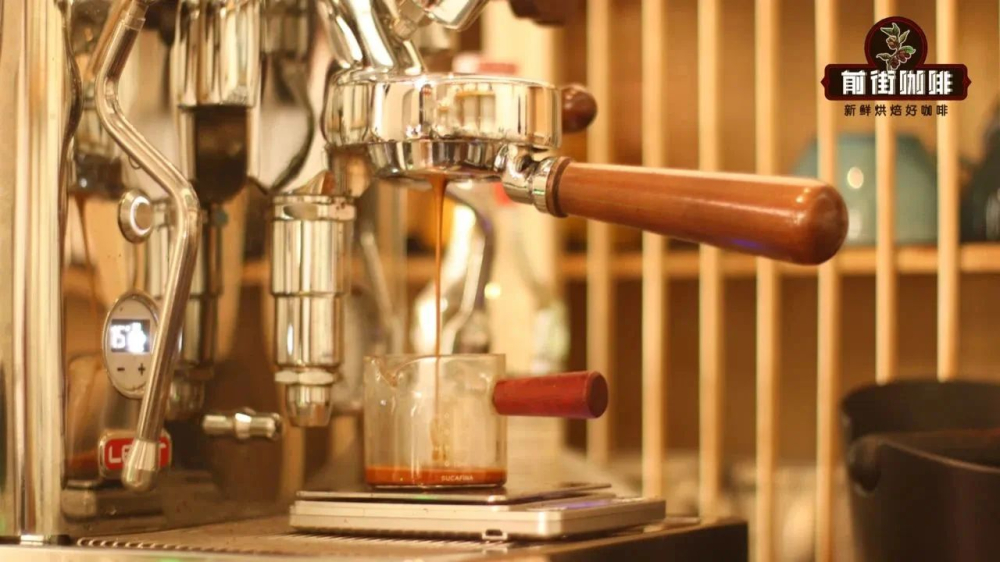
The parameters for extracting espresso were: brewing water temperature 94°C, dose 20 grams, dose-to-yield ratio 1:2, grind size extremely fine, extraction pressure 10 bar, extraction time 28 seconds.
The flavor expressed by Front Street Gutingding espresso is a stronger citric acidity, a faint almond aroma, and a more intense sweet finish, with a strong yet somewhat thin mouthfeel, lacking body.
Recommended coffee beans for making espresso
Using single-origin coffee beans to make espresso may result in a relatively one-dimensional flavor and a mouthfeel that tends to lack fullness. Therefore, FrontStreet Coffee more recommends choosing blend coffees specially crafted for espresso.
Blending tests one's understanding of the characteristics of each bean and whether the best taste can be achieved after combination. It relies heavily on the blender's mastery of coffee beans and understanding of how roasting affects the beans, so that the coffee beans can still maintain a stable and balanced flavor under extremely fine grinding and pressure extraction.
FrontStreet Coffee has blended 4 espresso coffees of different styles based on the needs of different types of coffee shops and the public's preferences for espresso flavors. To let everyone taste the most complete coffee flavor, all coffee beans sold by FrontStreet Coffee are shipped within 5 days after roasting is completed.
"Front Street Warm Sun Blend Coffee Beans," suitable for home/office and specialty coffee shops. Ethiopian natural Red Cherry coffee beans (30%) + Honduras Sherry Wine Barrel coffee beans (70%), with rich wine aroma, vanilla cream, berry sweet-and-sour notes, and roasted nut flavors.
"Front Street Specialty Blend Coffee Beans," suitable for home/office and specialty coffee shops. Colombian washed coffee beans (30%) + Brazilian semi-washed coffee beans (70%), presenting flavors of nuts, dark chocolate, and caramel.
"Front Street Commercial Blend Coffee Beans," suitable for all types of coffee shops. Robusta washed coffee beans (10%) + Colombian washed coffee beans (30%) + Brazilian semi-washed coffee (60%), presenting flavors of nuts, cocoa, and caramel.
"The espresso coffee beans recommended by many baristas—Front Street Dark Cocoa Blend Coffee Beans," suitable for all types of coffee shops, bakeries, and beverage shops. Yunnan washed small-bean coffee (30%) + Brazilian semi-washed coffee beans (70%), presenting soft fruit acidity, caramel, and nut flavors.
How do you make espresso?
When FrontStreet Coffee stores serve it, making a single shot of espresso (1 shot) uses 10-11g of coffee grounds to extract 20-25g of coffee liquid, with an extraction time of about 22 seconds; making a double shot uses 19-20g of coffee grounds to yield 35-40g of coffee liquid, with an extraction time of about 29 seconds.
However, different coffee machines, grinders, and different roast levels or origin beans will all produce differences in the extracted taste. At this point, you need to fine-tune the parameters to calibrate the taste of the espresso. Generally, adjust the water-to-coffee ratio first, then adjust the grind size.
1. Adjust the water-to-coffee ratio
If the espresso you make tastes very acidic, don't rush to change the grind size. You can try adjusting the water-to-coffee ratio: if the acidity is too high, try extracting 4 grams more; if the coffee is on the bitter side, try extracting 4 grams less.
Taking 18 grams of grounds as an example, normal extraction is a 1:2 water-to-coffee ratio. If the acidity is high, 18 grams of grounds can extract up to 40 grams of espresso, and the acidity will decrease; if it is on the bitter side, 18 grams of grounds extracted to 32 grams of espresso shortens the bitter part and leans toward the middle, sweeter direction.
2. Adjust the grind size
If you have repeatedly adjusted the water-to-coffee ratio and still feel the taste is not right, then adjust the grind size.
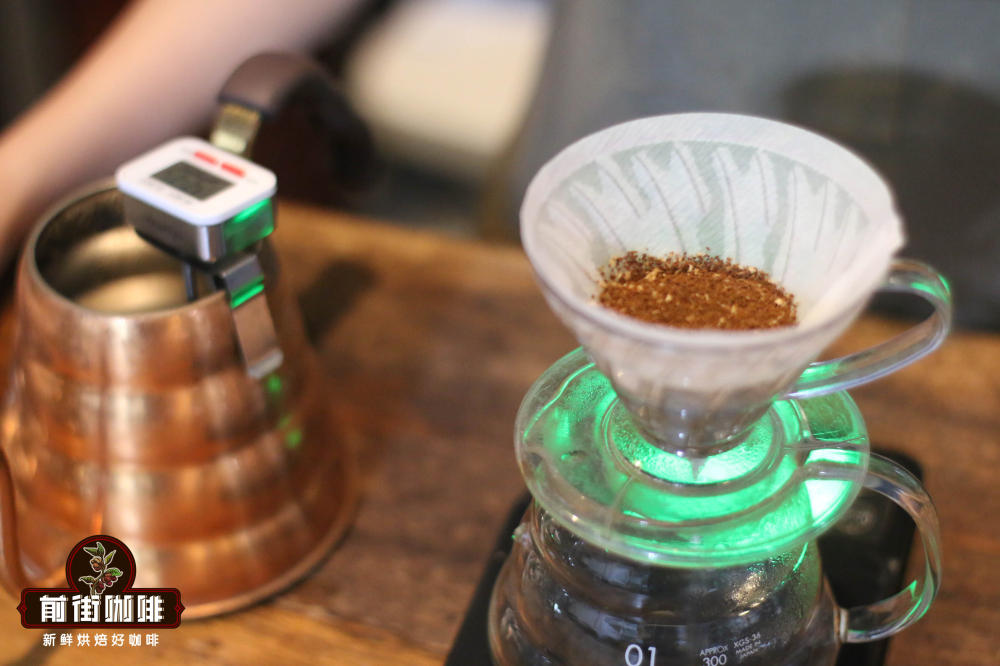
If after adjusting the water-to-coffee ratio, the mouthfeel is not only on the acidic side but also a bit watery, then it is not something that adjusting the water-to-coffee ratio can solve. You need to make the grind size 1-2 steps finer. Each grinder has different settings, so fine-tune according to your own equipment, and don't adjust too much at once.
The above content is compiled by CoffeeHunters, a coffee news website.


