








How does coffee-to-water ratio change hand brew coffee strength?
Strength and extraction yield are the two measurements that decide how a pour-over tastes. Strength is the share of dissolved solids in the liquid, so a higher strength reads as a more concentrated cup with a fuller body. The coffee-to-water ratio is the main lever: less water per gram of grounds raises strength.
Changing the water amount also moves extraction yield, because more water means more solvent and a longer contact time. When a stronger or weaker cup is wanted, other parameters have to be corrected at the same time. A heavy, intense cup and a light, elegant one are both valid goals for full body coffee.
Among the many variables in pour-over coffee, strength and extraction yield are the core metrics that directly determine whether a cup of coffee tastes good. Strength affects the body and the intensity of flavor, while the coffee-to-water ratio is the key lever for adjusting strength. But changing the water amount also affects the extraction yield, making adjustments complicated. Starting from Front Street's brewing practice and using Huakui coffee as an example, this article clearly explains the relationship between coffee-to-water ratio, strength, and extraction yield, and offers concrete ideas for how to correct other parameters in sync when making the coffee stronger or weaker, helping you more efficiently brew a pot that suits your taste.
The higher the proportion of dissolved substances in the coffee liquid, the stronger the coffee, with a more concentrated taste and fuller body on the palate; conversely, when the strength is lower, it tastes lighter. It can be seen that the strength parameter directly shapes the coffee's flavor and mouthfeel, making it a quite critical part of pour-over brewing.
Taste is inherently personal—some prefer a heavy, intense cup, while others enjoy something light and elegant. To brew a pot that matches your own preferences, learning to adjust strength becomes an essential skill. Front Street once mentioned in the article "The way to make bad coffee taste good is actually... add some water?" that adding water to the coffee after brewing can also change the strength. However, this approach is a after-the-fact fix; it can only dilute the coffee to make it weaker, not stronger. Therefore, in most cases, Front Street recommends starting with the right parameters to directly brew a cup with the desired strength. Among the extraction parameters that can affect strength, the first and foremost is the coffee-to-water ratio.

The so-called coffee-to-water ratio is the ratio of coffee grounds to brewing hot water. The larger the ratio value, the less hot water is paired with the coffee grounds, and assuming the extraction yield remains unchanged, the coffee liquid will be stronger; the smaller the ratio value, the more hot water is used, and the coffee strength is naturally lowered. So, simply by changing the ratio—that is, adjusting the amount of water poured—you can control the strength. However, one thing to keep in mind: increasing or decreasing the water amount also affects the extraction yield. The reason is that with more water, there is more solvent participating in extraction, and the extraction time is also prolonged, so more substances are dissolved, and vice versa. So what does this indicate?
This indicates that if you want to change only the strength without changing the extraction yield, it is best to adjust other parameters together to offset the interference that the water amount change brings to extraction. For example, when Front Street brews the Front Street Ethiopia Huakui on its bean list, the parameters used are: 15g coffee grounds, coffee-to-water ratio 1:15, grind size referencing fine granulated sugar (75%~80% passing a No. 20 sieve), extraction time 2 minutes.
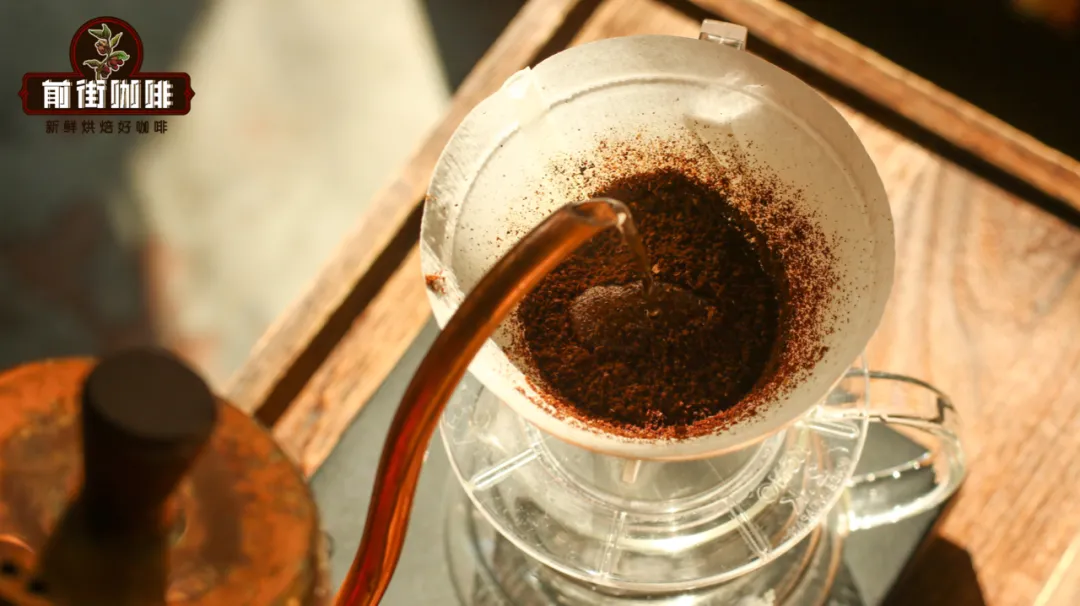
This cup of Huakui brewed at 1:15 has a measured strength of 1.48% and an extraction yield of 20.36%, with elegant white floral, strawberry, citrus, and oolong tea notes, a solid and clean body, and a lingering finish. If Front Street wanted it lighter and not so strong, it could loosen the coffee-to-water ratio to 1:17, which is equivalent to adding 30 ml more water than the original.
With all other conditions unchanged, brewing at this ratio takes 2 minutes 12 seconds, with strength at 1.35% and extraction yield at 21.4%. It tastes largely similar to before, but the overall strength has dropped, more flavor layers can be detected, the body is lighter, and the finish remains long-lasting.
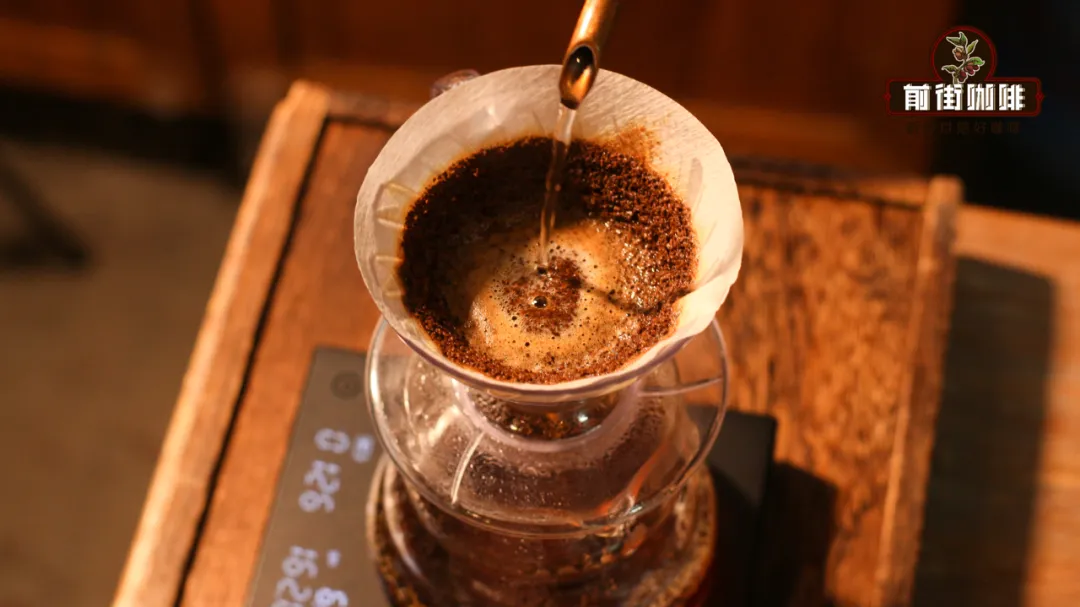
It is not hard to see that because the water amount increased, the extraction yield rose slightly compared with before. Huakui itself is relatively resistant to extraction, and the parameters Front Street used were on the conservative side, so there was no obvious bitterness or off-flavor. But if the original extraction parameters were already extreme and the extraction efficiency was very high, then the water temperature, grind, time, or pouring technique would need to be adjusted accordingly. The idea is to lower the extraction efficiency of these steps to offset the rise in extraction yield caused by the increased water amount, thereby avoiding the risk of over-extraction and achieving a lower strength with basically unchanged extraction yield, so the coffee is both easy to drink and retains its original flavor direction.
Making the coffee stronger follows the same logic: reduce the water amount, and if the extraction efficiency cannot keep up, compensate by raising other parameters to avoid under-extraction. That should not be hard to understand. That is all for this sharing from Front Street. One point worth emphasizing: Front Street does not suggest fixating on strength right from the start. A better approach is to first brew according to the parameters provided by the roaster to get a pot with an appropriate extraction yield, and then make fine adjustments to strength according to personal taste. This is often more efficient and helps you lock in parameters that suit you more quickly, brewing a satisfying and delicious cup of pour-over coffee. - END -
The above content is compiled by CoffeeHunters, a coffee news website.


