







For more specialty coffee knowledge, please follow our WeChat official account: Front Street Coffee (FrontStreet Coffee)
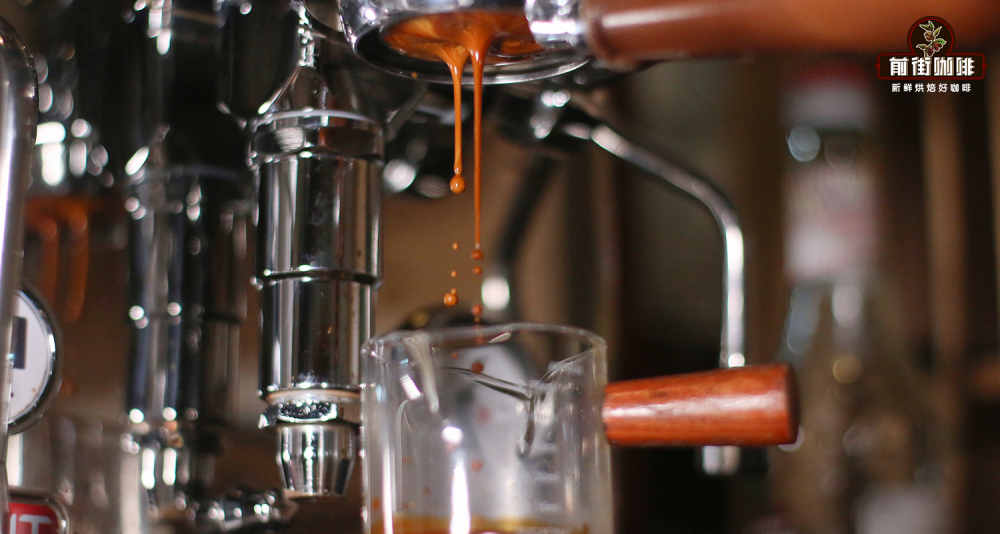
Italy is a country of coffee culture. Espresso, which has spread across the globe, is the soul of coffee and Italy's treasure to the world. Espresso, as its name suggests, is a coffee with a short preparation time, a short drinking time, and an intense flavor. It is a pure cup that concentrates the essence of coffee.
Making espresso, however, is not simple, as many parameters need to be calibrated. These include grind size, water temperature, extraction time, and extraction ratio, all of which are key to determining the quality of espresso. The extraction ratio is a parameter that requires precision. Today, Front Street will share with you the extraction ratio for espresso and reveal the secrets behind the ratio.
Coffee-to-liquid ratio
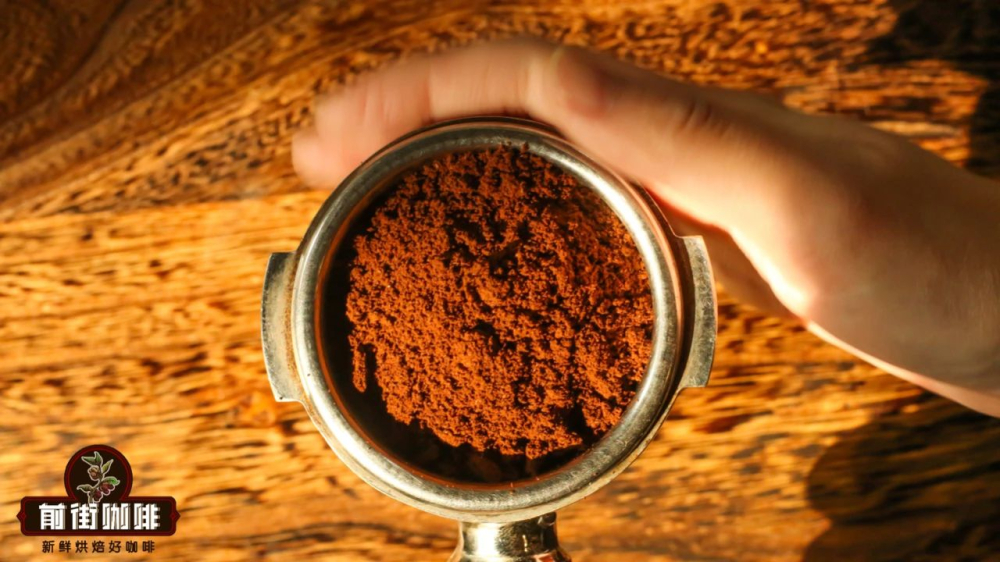
There is actually no completely fixed parameter for the extraction ratio, and it needs to be adjusted according to the situation. However, there are unwritten rules in every industry: widely respected standards are used as common reference values and become the industry benchmark. For regular espresso, the extraction ratio is controlled between 1:1.5 and 1:2.5, and Front Street stores use a ratio of 1:2.
The extraction ratio includes the dose of coffee grounds and the weight of the extracted coffee liquid. In China, the extraction ratio for single and double shots is based on the capacity of the portafilter basket configured with the coffee machine. A single shot is 8-9g, and a double shot is 18-20g, extracting 28-30g of espresso liquid for a single shot or 30-40g for a double shot within 25-30s. The coffee machine at Front Street stores is equipped with a 20g double basket. When serving, 20g of coffee grounds are used to extract 40g of coffee liquid, then adjusted up or down based on that day's espresso extraction condition.
Increasing or decreasing the dose can change the compactness of the coffee puck, thereby determining the flow rate of the espresso liquid. The firmer the puck, the slower the coffee liquid flow, and the longer it takes to extract the same amount of coffee liquid. Correspondingly, the coffee liquid will be stronger, and the extraction yield will be higher. Normally, it is necessary to judge based on flow rate and flavor to decide how to make tiny increases or decreases.
Grind size: coarse or fine
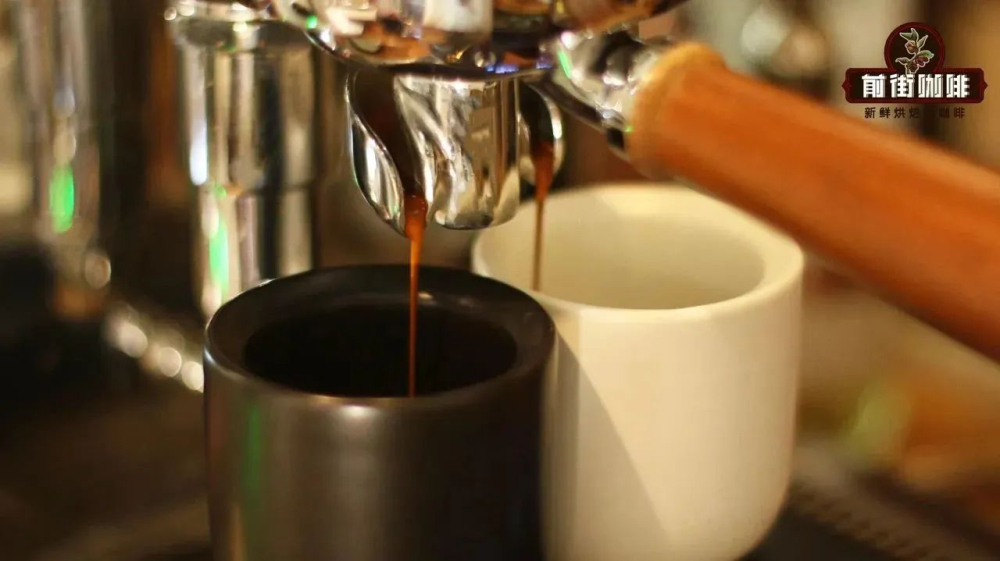
In most cases, a cup of espresso can be extracted in just a few tens of seconds. In such a short extraction time, to fully extract the coffee's aroma, the coffee grounds need to be ground finer and more evenly, which means a dedicated electric grinder for espresso extraction is required.
Because espresso extraction amplifies coffee flavors, it places very strict requirements on grind size. It is difficult to judge grind size with the naked eye; it is generally reflected in the flow rate and flavor of the espresso. If the grind is too coarse, the coffee particles are larger, the puck is looser, and water passes through the coffee grounds in less time, making under-extraction likely, with a weak, sour coffee flavor. If the grind is too fine, the coffee is prone to over-extraction, with a bitter taste and sharp mouthfeel. In addition, because espresso grinding is far finer than grinding for methods such as pour-over, adjustments cannot be too large, as this easily causes variables to become too great and extraction to become more unstable.
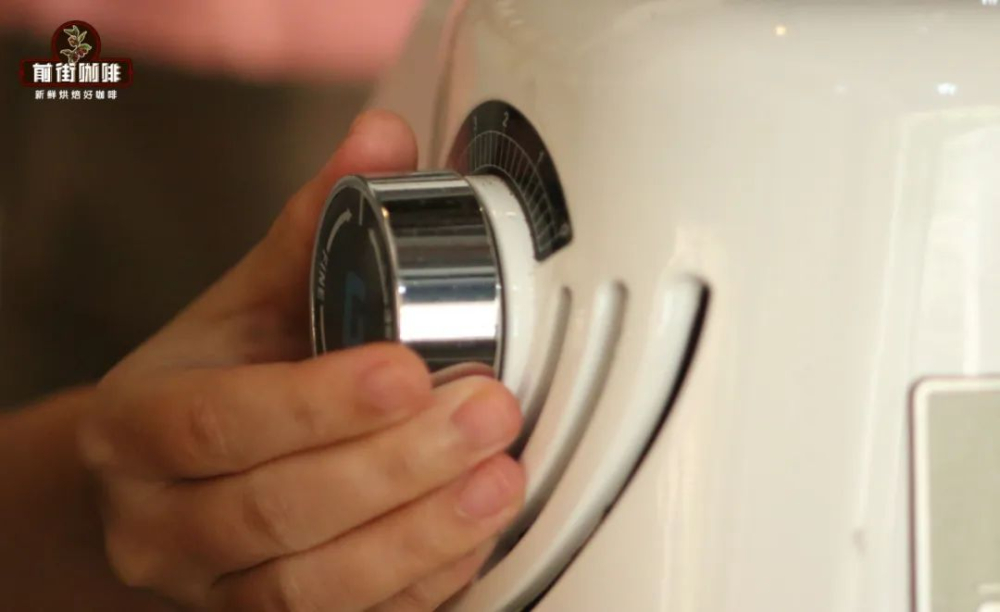
How to adjust extraction parameters
Espresso extraction changes with air humidity under weather influences and with the condition of the coffee beans. For example, rainy days are more humid than sunny days, and coffee grounds easily absorb more moisture, thereby affecting subsequent extraction. When we extract espresso, water temperature and pressure are rarely changed easily and are usually set at fixed parameters. For example, the coffee machine at Front Street stores uses 9Bar and a water temperature of 94°C. The coffee in the cup is generally dialed in by adjusting three parameters: grind size, dose, and coffee liquid weight.
For example, the extraction parameters Front Street used the previous day were: 19.8g coffee grounds, 38g coffee liquid, time 29 seconds. When extracting with the same dose, the resulting espresso liquid weight was 38g, but the time changed to 26 seconds, indicating that the flow rate became faster.
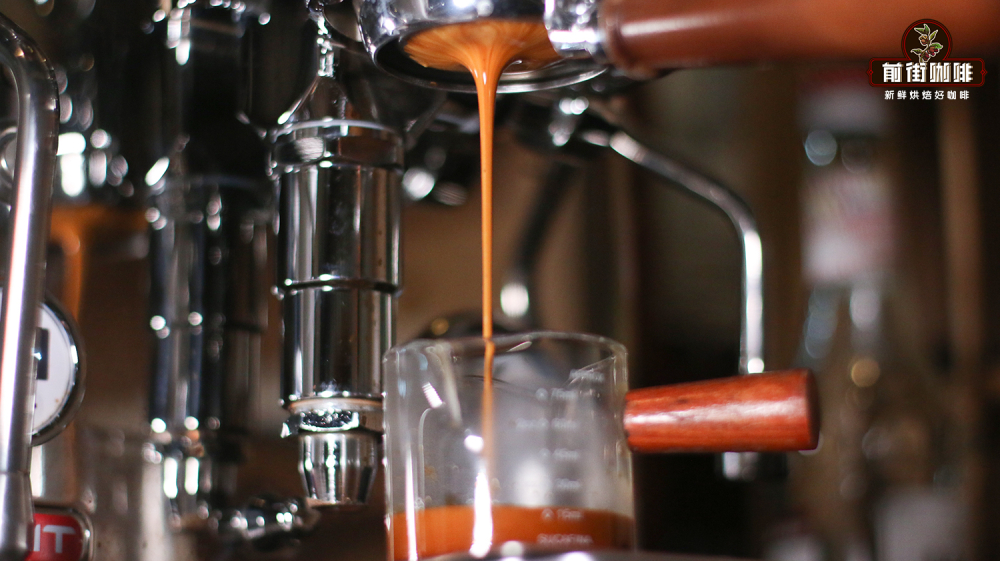
At this point, Front Street would first change the flow rate by increasing the dose by 0.1g each time. When Front Street used 20g of coffee grounds and extracted the same liquid weight, the time became 29 seconds. Tasting the espresso liquid, there was no strange bitterness, but the aroma was slightly flat, indicating under-extraction. This shows that increasing the dose was not effective enough, and the grind size needs to be changed. Here it should be adjusted finer so that the particles are smaller and fully release flavor compounds. Conversely, if the flow rate becomes slower, the dose should first be reduced to speed up the flow rate. If reducing the dose does not achieve the effect, then adjust the grind coarser.
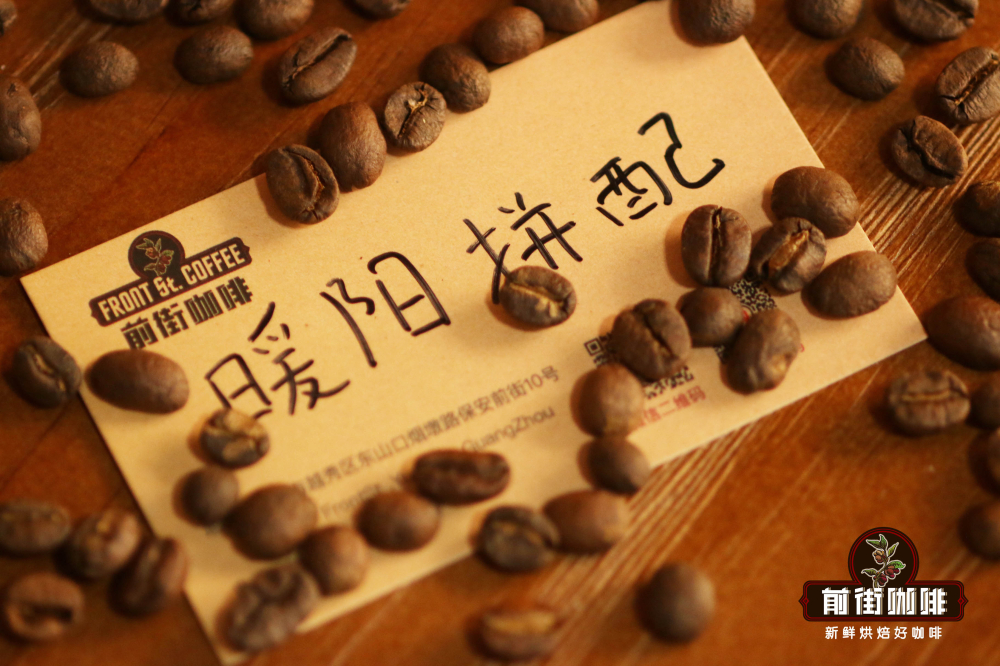
The direction of parameter adjustment is flexible. As long as we are familiar with the characteristics of the coffee beans and the coffee machine, quickly dialing in a delicious espresso is not difficult. After adjustment, Front Street produces a normal cup of espresso here for your reference. Front Street uses its own roasted "Front Street Sunflower Warm Sun Blend Coffee Beans," a blend of 30% Yirgacheffe natural Red Cherry and 70% Honduras Sherry.
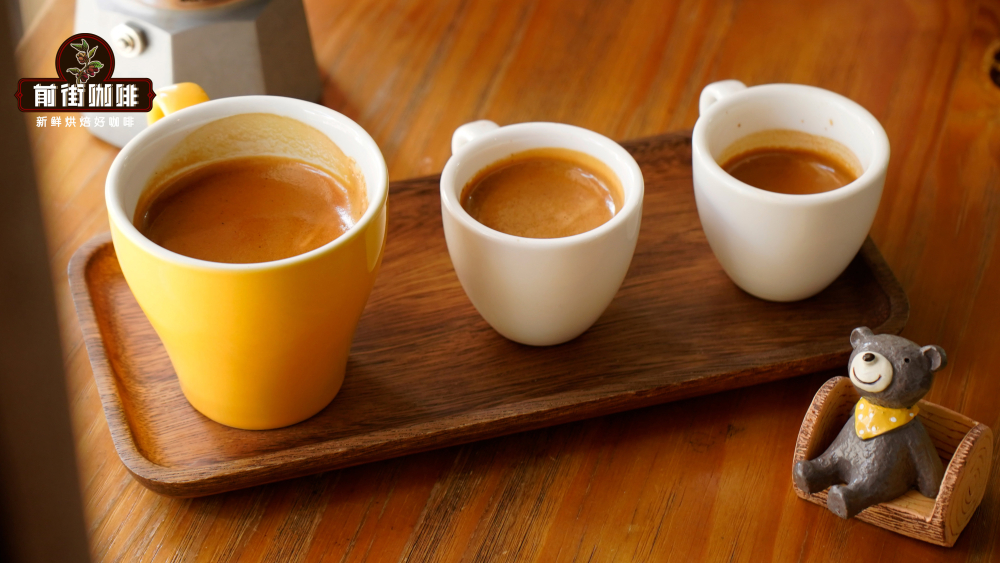
Front Street will use 20g of coffee grounds, follow a 1:2 coffee-to-liquid ratio, and extract 40g of coffee liquid under 9 bar of pressure, with the time controlled at 30 seconds.
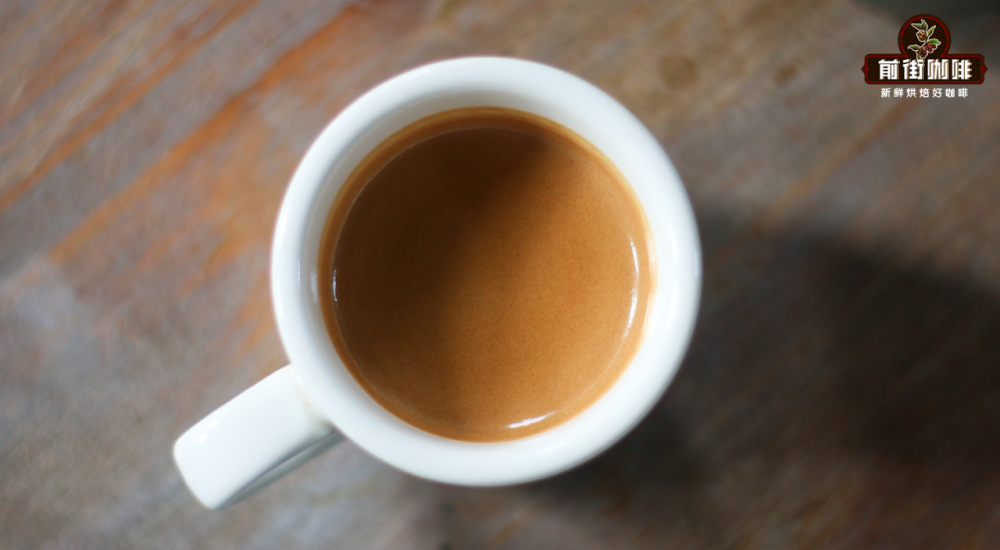
The flavor of the espresso has a rich whisky aroma, with the tartness and fragrance of berries. As the temperature drops slightly, flavors of vanilla and cream begin to emerge, with a dark chocolate finish. The overall cup is balanced, with a rich and smooth mouthfeel.
The above content is compiled by CoffeeHunters, a coffee news website.


