







Search Results for: rate of heat loss
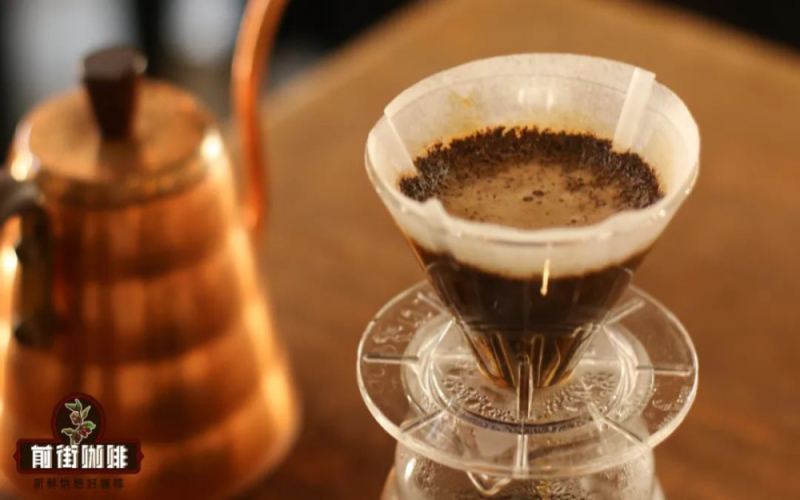
Why Does Pour-Over Coffee Taste Weaker When Temperatures Drop? Water Temperature Adjustments and Four Practical Tips
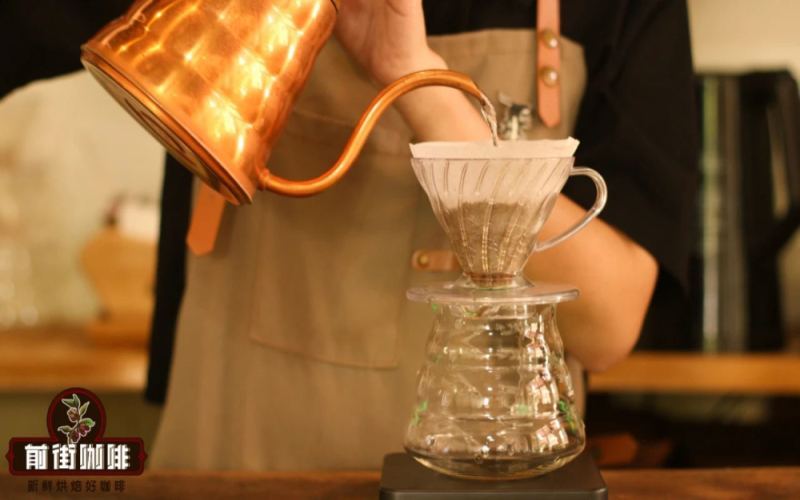
When the weather turns cold, many coffee enthusiasts notice that even with the same beans and the same technique, the coffee they brew comes out weak and lacking in flavor. This is not a problem with the bean roasting, but rather the low-temperature environment changes the rate at which the hot water loses heat, which in turn affects extraction efficiency. Starting from the principle of heat loss, this article explains in detail how cooling leads to under-extraction, and offers four actionable improvements: preheating the kettle spout, raising the water temperature, increasing the water volume, and lowering the pouring height. Finally, it includes Front Street Coffee's store information to help you consistently produce a delicious pour-over even in the cold season. [more…]
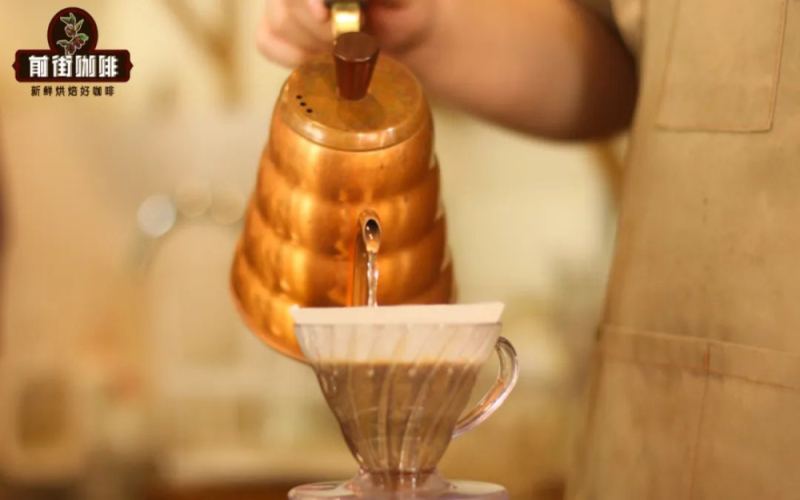
How Does Pour-Over Water Height Affect Flavor? Three Key Factors: Penetration, Heat Loss, and Verticality
The pouring height in pour-over coffee may seem like a minor detail, but it directly affects the penetrating force of the water stream, the rate at which hot water loses heat, and the verticality of the stream, ultimately determining extraction efficiency and the flavor in the cup. Some people prefer pouring from a high position, while others habitually keep the spout close to the water surface. Both approaches have their merits, but only by understanding the effects of different heights can you adjust flexibly according to the kettle type and brewing method you use. In this article, Front Street Coffee systematically sorts out the three core effects of pouring height and offers practical advice to help you avoid common problems such as uneven extraction and over-agitation, so you can brew a more stable and delicious pour-over coffee. [more…]
The Truth About Pour-Over Coffee Water Temperature: Why a Setting of 92°C Is Actually Too Low When It Touches the Coffee Grounds? Pouring Techniques and Adjustment Methods
Many coffee enthusiasts set the water temperature at 92°C when brewing, yet often run into under-extraction. The reason is that as hot water is poured from the kettle and travels to the coffee grounds, heat is constantly lost, so the actual temperature is often lower than the set value. This article will break down the major causes of water temperature loss, including the effects of the kettle neck, air, and dripper material, and offer practical countermeasures such as preheating equipment, lowering the pouring height, and adjusting the water temperature to help you brew a good cup consistently in different environments. The article also uses Front Street Granja Geisha as an example to explain how to flexibly adjust parameters according to ambient temperature, making extraction more reliable. [more…]
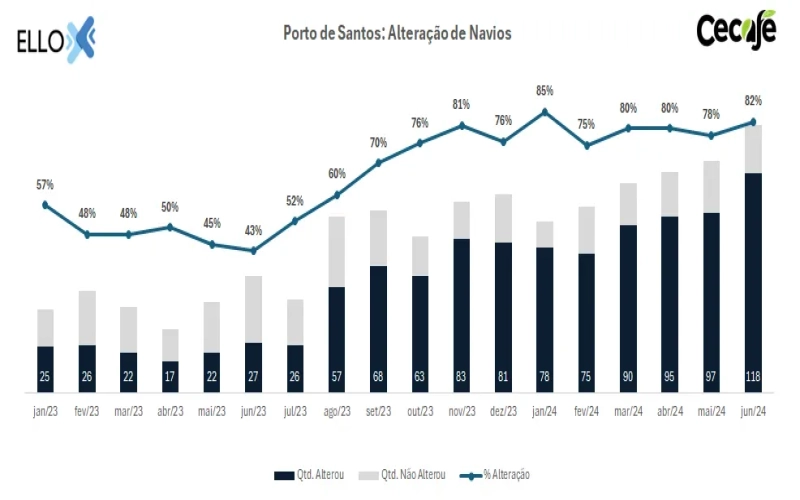
Brazilian coffee exports hit by a double whammy: port delays cause $290 million in losses, while high temperatures and drought continue to threaten production.
The Brazilian coffee industry is currently facing severe challenges. According to the latest report from the Brazilian Coffee Exporters Council, the delay rate at major ports reached 62% in June, leaving 1.23 million bags of coffee unable to be exported on schedule and causing foreign exchange losses of approximately US$290 million. The delay rate at the Port of Santos climbed to a record high of 82%. At the same time, persistent high temperatures and drought are affecting core producing regions such as Minas Gerais, and harvested coffee beans are showing undersized defects, with production expected to be revised down by 2 to 3 million bags. In addition, the dengue fever outbreak has exacerbated labor shortages, further weighing on exports. Front Street Coffee continues to monitor developments in Brazilian producing regions and brings you the latest industry analysis. [more…]
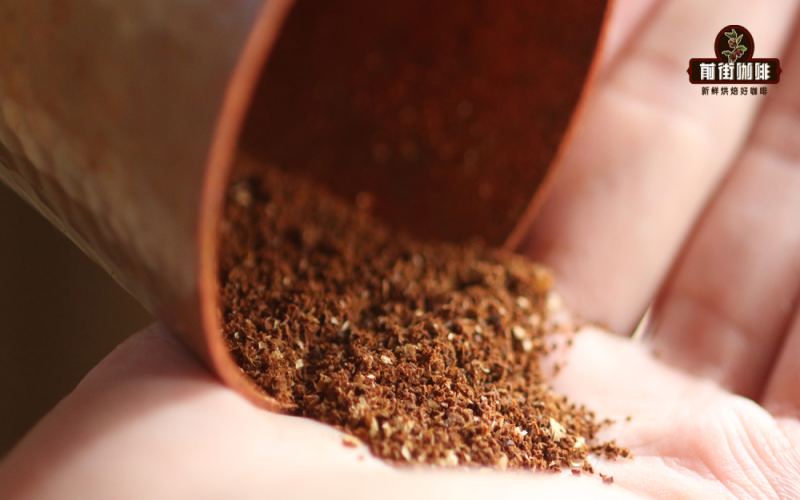
Three Major Causes of Coffee Ground Quality Decline and Practical Storage Tips to Extend Freshness
The freshness of ground coffee directly determines the quality of the flavor in your cup. Starting from the gas release patterns of coffee beans after roasting, this article provides a detailed analysis of how the three major factors—oxygen, moisture, and high temperature—accelerate the deterioration of ground coffee quality, and shares Front Street Coffee's storage recommendations. At the same time, through Front Street's comparative experiments and day-by-day flavor tests of Yirgacheffe, it reveals the timeline of aroma loss after coffee is ground into powder, helping you retain as much of coffee's essential aroma as possible in your daily brewing. [more…]

Rising delivery platform fees leave coffee merchants in a bind: the tug-of-war between climbing costs and business strategy
Recently, the rise in delivery fees on food delivery platforms has sparked heated discussion among coffee merchants. Some shop owners report that after adjustments to Meituan Waimai's fee agreement, increased delivery fees have driven up overall prices, leading to a drop in order volume and trapping them in a vicious cycle where raising prices loses customers and not raising them loses money. Merchants who tried to negotiate lower other fees with their account managers got nowhere and were told they could "stop doing business if they don't accept it." Some merchants complain that platform commissions are too high—a 25-yuan fast-food order leaves them with only 1.24 yuan, and some even end up with negative income. Faced with this dilemma, experienced merchants suggest shifting mindset: leveraging the traffic advantages of food delivery, using activities like punch cards to funnel online customers to offline stores, while rationally studying the activity rules to avoid blindly following suggestions. Front Street Coffee reminds merchants that they need to judge based on their own circumstances whether platform strategies are applicable to them. [more…]
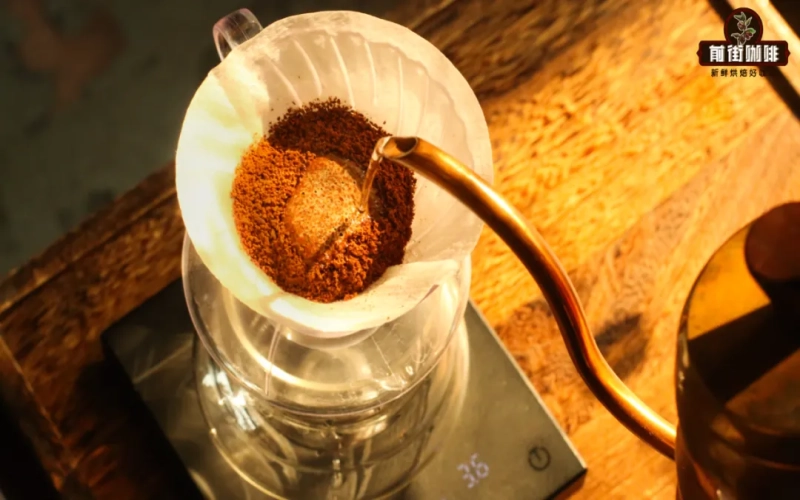
What Temperature Should You Use for Pour-Over Coffee? A Full Analysis from Extraction Principles to Front Street Coffee's Practical Parameters
What temperature should the water actually be when brewing coffee? Why do competition baristas use 94°C or even higher, while everyday recommendations fall between 86°C and 93°C? This article starts with the relationship between the thermal motion of water molecules and dissolution rate, using an everyday analogy of dissolving a drink mix to explain how water temperature determines coffee extraction efficiency. Drawing on hands-on testing experience with dozens of bean varieties, Front Street Coffee sets separate water temperature ranges for dark roasts and light roasts, and fixes parameters such as grind size, time, and coffee-to-water ratio, helping you find the brewing temperature best suited to your current beans at home. The article also specifically reminds readers about the difference between the water temperature in the kettle and the temperature when it contacts the coffee bed, as well as how pouring height affects temperature loss. [more…]
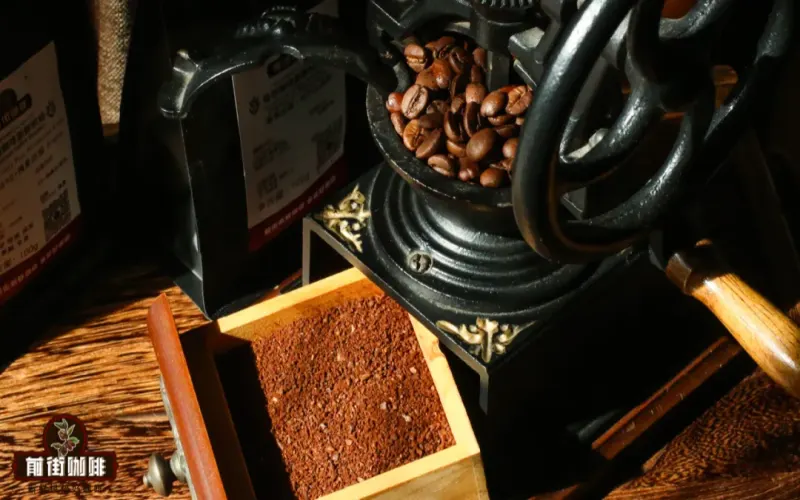
After coffee beans are ground into powder, how long is the remaining flavor period? Coffee powder storage methods and the truth about flavor loss
Many people care about the shelf life of ground coffee, but what truly deserves attention is its peak flavor window—the optimal time for enjoying it. Once coffee beans are ground, aroma molecules volatilize more rapidly, and flavor loss occurs far faster than with whole beans. Through experiments, Front Street Coffee found that the peak flavor window of ground coffee is about two-thirds that of whole beans; if beans have a 45-day window, ground coffee has only about 30 days. This article provides a detailed analysis of how the peak flavor window of ground coffee is calculated, why flavor loss occurs, and shares Front Street Coffee's recommended method of sealed portioned storage, helping you enjoy a cup of coffee with full flavor before the aroma fades. [more…]

The Science of Specialty Coffee | How do you interpret coffee roasting levels and roasting percentages? What are the flavor characteristics of different roasting levels?
We usually talk a lot about coffee bean brewing, but today Front Street Coffee will explain coffee bean roasting knowledge to everyone. We know that the process of coffee beans going from green beans to roasted beans is the roasting process, and this process includes light roast, medium roast, and dark roast. Exactly how should different coffee beans be roasted? At the same time, light roast, medium roast [more…]
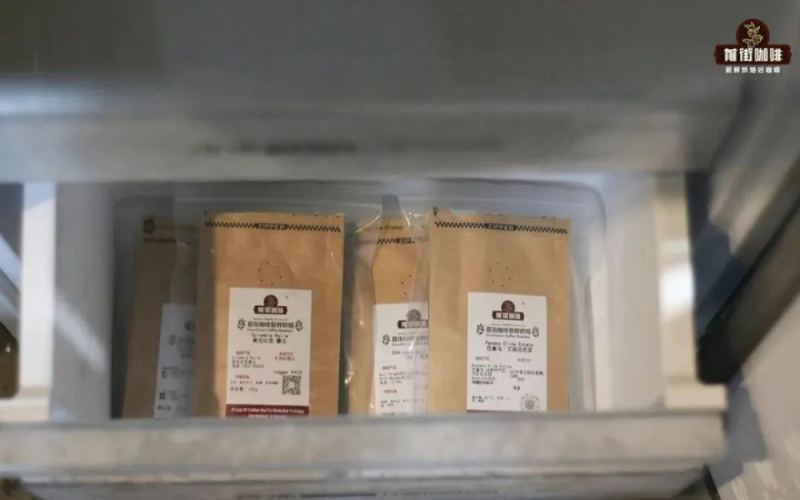
The Complete Guide to Coffee Bean Storage: Refrigerate or Freeze? The Right Way to Extend the Peak Flavor Window
If you've stockpiled more coffee beans than you can drink in a short time, can you put them in the fridge to extend their freshness? This is a dilemma many coffee lovers run into. To answer this question, we first need to clarify what we actually mean by "fresh"—it's not about preventing spoilage, but about preserving as much of the fleeting aroma in coffee as possible. Starting from a customer question received by Front Street Coffee, this article systematically lays out the five great "enemies" of coffee beans, analyzes the pros and cons of refrigeration versus freezing, and offers concrete practical advice to help you devise a reliable coffee freshness-locking plan at home. [more…]
From Green Beans to Roasted Beans: A Detailed Guide to Coffee Roast Levels, Flavor Changes, and Agtron Roast Percentage Interpretation
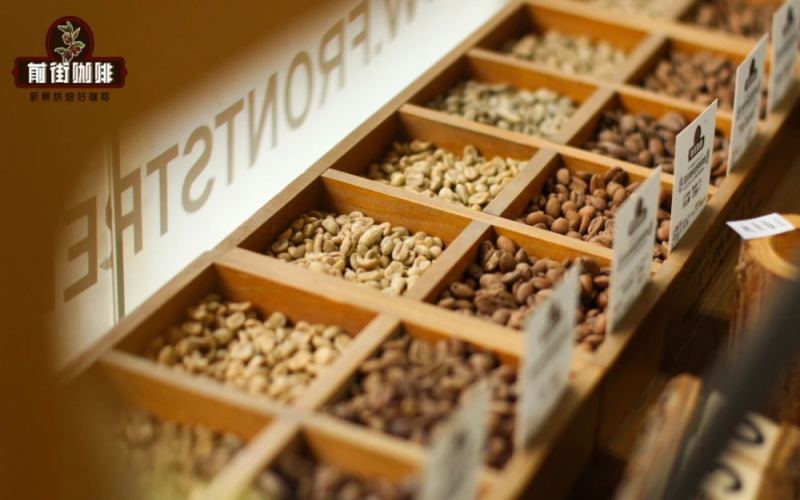
Turning green coffee beans into roasted beans relies entirely on roasting. For the same batch of beans, different roast levels lead to completely different acidity, bitterness, sweetness, body, and aroma profiles. Today, Front Street Coffee systematically breaks down the core knowledge of coffee roasting: what happens during the dehydration phase, the yellowing phase, and the flavor development phase; how to judge the drop time based on first crack and second crack; and which origins and brewing methods suit light, medium, and dark roasts. We'll also explain why the color of the bean surface can be misleading, and how to interpret Agtron values and Roaster %. At the end, we've included Front Street's recommendations for resting and grinding, to help you get the best flavor once you have the beans in hand. [more…]
Luckin Plans Malaysia Expansion: Partners Still Undecided, Southeast Asia's Tea Beverage Battle Heats Up
Luckin Coffee plans to enter Malaysia, negotiating cooperation with local listed companies and formulating a five-year expansion blueprint. Currently, Luckin has over 20,000 stores in China, with only 38 directly operated stores overseas, all in Singapore. Malaysian netizens have reacted enthusiastically to the brand's entry, looking forward to discounted pricing but also concerned about intensifying market competition. Rumors point to the partner being Berjaya Group, the operator of Starbucks, but other sources say the contact is with a different party, and the final choice awaits official announcement. This overseas expansion comes as the domestic tea beverage market becomes saturated and price wars intensify; Luckin went from profit to loss in the first quarter, making Southeast Asia key to breaking the deadlock. [more…]
How to Choose the Roast Level for Yirgacheffe? Flavor Differences Between Light and Dark Roasts and Brewing Parameters Explained
Roasting is the key process that determines the flavor direction of a cup of coffee. Using Front Street Coffee's roasting of Yirgacheffe as an entry point, this article systematically sorts out the basics of coffee roasting: how green beans transform under heat, the weight-loss differences between fast roasting and slow roasting, the rule by which the three major elements of acidity, sweetness, and bitterness rise and fall as roasting time changes, and the two landmark stages of first crack and second crack. The article also analyzes one by one the flavor characteristics of light roast and medium roast, gives roasting degree recommendations separately for washed and natural Yirgacheffe, and includes Front Street's medium-light roast plan for Yirgacheffe Red Cherry as well as V60 three-pour brewing parameters, helping you brew a cup full of floral and fruity aromas at home too. [more…]
A Comprehensive Analysis of Decaf Coffee Beans: Pros and Cons, Health Effects, and a Detailed Look at Four Decaffeination Methods
Excessive caffeine can cause palpitations, insomnia, and other issues. For coffee lovers, decaf coffee offers a compromise that balances flavor and health. This article will systematically review the history of decaf coffee, the principles of decaffeination, and four mainstream processes, analyze the advantages and disadvantages of decaf coffee in terms of antioxidant components and nutrient retention, and answer the common question of whether decaf coffee is harmful to the body. At the same time, Front Street Coffee will share the variety composition, roasting curve, cupping performance, and brewing parameters of its newly launched Colombian decaf coffee, providing coffee enthusiasts with a complete reference guide to decaf coffee. [more…]
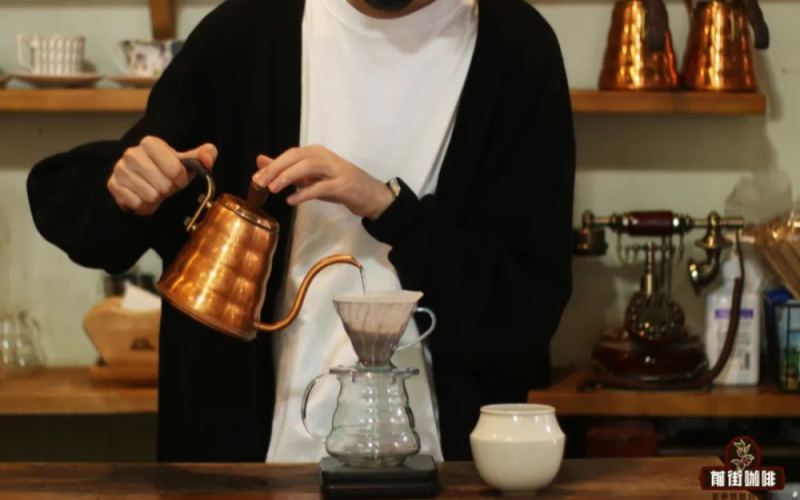
How to Keep Pour-Over Coffee Quality Stable as Temperatures Drop? A Full Guide to Water Temperature, Equipment Preheating, and Static Control
When cold air arrives, the extraction rhythm of pour-over coffee often gets thrown off. The originally set water temperature of 92°C may drop to only 87°C by the time it reaches the coffee bed, and a sudden drop in ambient temperature causes hot water to lose even more heat in the air, leading to under-extraction and a weak, flat flavor. In addition to raising the water temperature by 1–2°C or lowering the height of the pour, preheating the server and dripper can also significantly slow heat loss—an unheated server will cause the coffee liquid to drop to around 69°C, while after preheating it can be maintained at around 75°C. In addition, the static electricity generated during grinding in cold weather cannot be ignored either; coffee grounds tend to clump or stick to the grinder, which can be effectively solved with a distribution needle and a blower. This article starts with three key details to help you keep every cup of pour-over performing steadily. [more…]
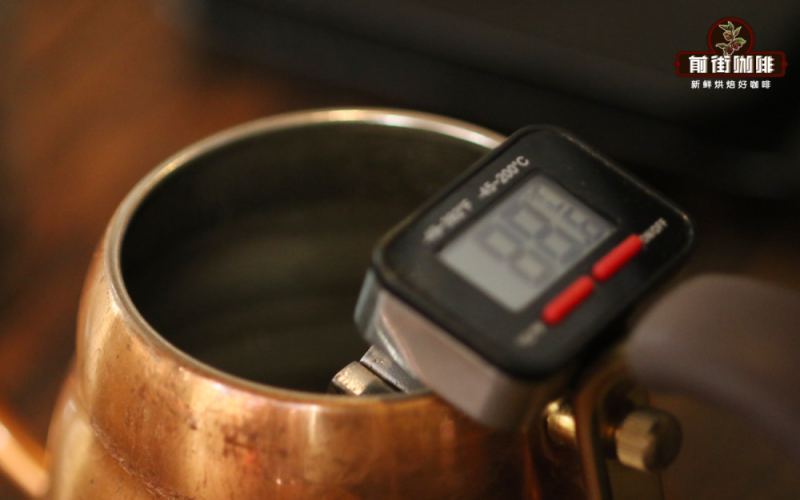
Essential Pour-Over Coffee Equipment | Where Did the Hario V60 Dripper Come From? What Is the Extraction Ratio for Brewing Pour-Over Coffee with a V60? What Is the Difference Between the One-Pour and Three-Pour Water-Pouring Techniques?
When asked what coffee brewing dripper Front Street recommends, the baristas at Front Street almost unanimously answer: V60! The V60 dripper's long ribs help rapidly extract flavor compounds, and its large hole poses no risk of clogging, resulting in coffee with layered complexity. Whether you're a beginner or a seasoned connoisseur, whether you want a refreshing [more…]
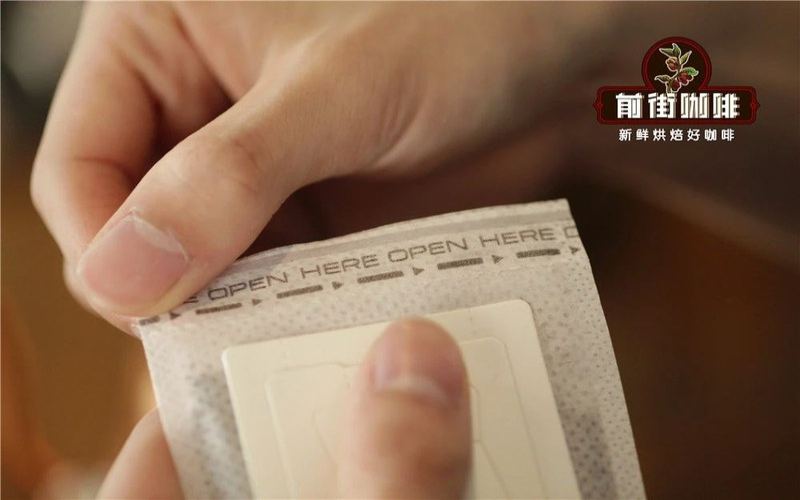
From Roast Date to Sealed Bag: The Flavor Rhythm of Commercial Coffee Beans
Coffee beans are not more aromatic the closer they are to the roast date. Freshly roasted beans contain more carbon dioxide, which can cause uneven water penetration in the puck when pulling espresso; the crema may look thick and rich, but the sip feels loose and disconnected. After resting for a period, the gas is slowly released, and notes of nuts, cocoa, or caramel only then become coherent. When selecting commercial beans, take the roast date into account [more…]
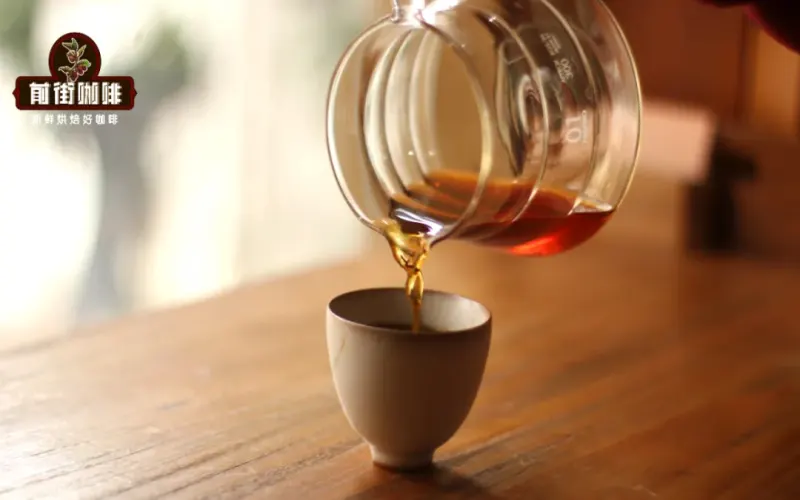
Is Freezing Coffee Beans Reliable? A Full Analysis of Sealing, Moisture Prevention, and Condensation Issues
What should you do if you buy too many coffee beans and can't finish them within their peak flavor window? The aroma of coffee dissipates along with carbon dioxide, so the brewed flavor naturally suffers. Some people therefore try putting their beans in the freezer, said to extend freshness—but does this method actually work? Low temperatures can indeed slow the loss of aroma, but freezing is not foolproof: improper sealing leads to odor transfer, and condensation strikes when you take the beans out. This article walks through the key points and common pitfalls of freezing coffee beans in detail, helping you decide whether this practice is worth trying. [more…]
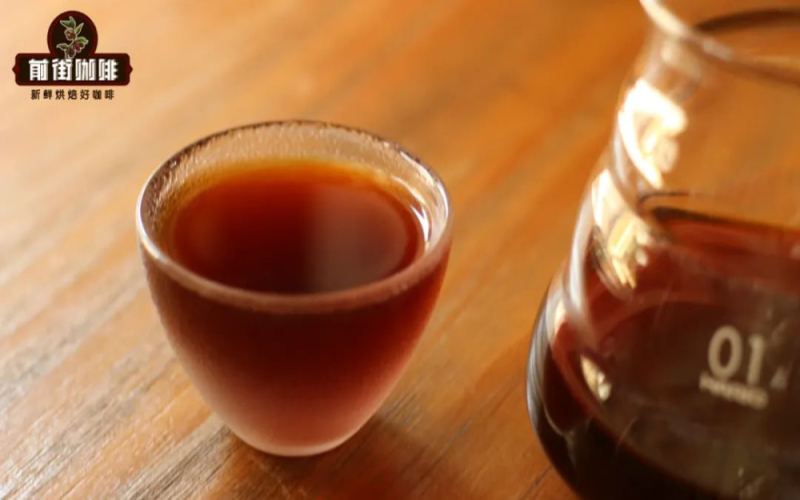
Why Does Coffee's Flavor Take a Big Hit When It Cools? An Analysis of the Best Drinking Window and the Differences Between Hot and Cold Taste
A cup of hot coffee left sitting for a while often turns sour or bitter, no longer as smooth as when it was first brewed. This is partly due to the continued loss of volatile aromatic compounds within the coffee, and partly related to differences in how the human body perceives taste at different temperatures. Sweetness is most prominent near body temperature, while as the temperature drops, the intensity of sourness and bitterness relatively increases. Ice hand-brewed coffee likewise faces the problem of dilution in concentration after the ice melts. So, within how long should coffee really be finished? Can it be reheated to restore its original flavor after cooling? Front Street Coffee has provided answers through experiments, and this article will analyze these phenomena one by one to help you enjoy your coffee at the optimal moment. [more…]
Flavor Analysis of Hoffsa Slow-Dry Washed Beans: The Taste Code of High-Altitude Natural Process Yirgacheffe
Located in Hafursa Village, about eight kilometers west of Yirgacheffe town, it sits on slopes between 1,900 and 2,200 meters above sea level. The local processing station has 12 standard fermentation tanks and more than 160 coded drying bed frames, allowing precise tracking of processing progress. High-altitude berries, after washing, present a distinct lemon note, bright and high-pitched with a delicate texture. However, traditional African beds dry too quickly under bright sun and ventilation, which is actually unfavorable for flavor development. This article explores in depth the agronomic principles of the semi-shaded slow drying method and how it extends the drying period to 16–30 days, thereby preserving more complete contents and bringing a completely different flavor and aftertaste experience. Front Street Coffee recommends this Hafursa slow-dried washed G1, which is worth savoring. [more…]