







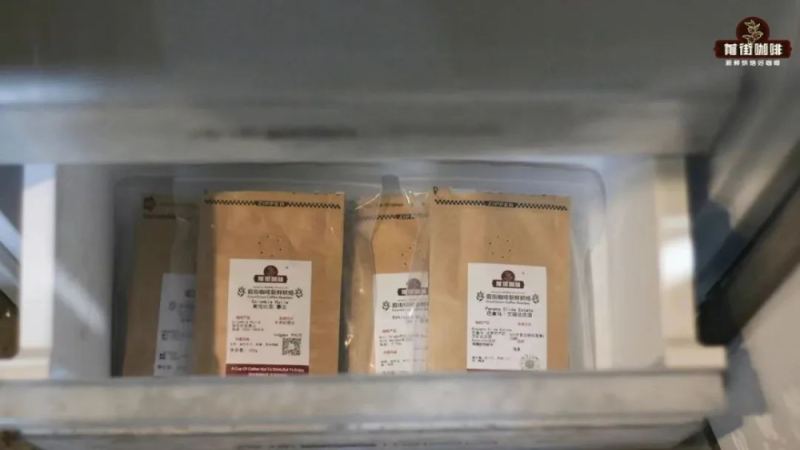
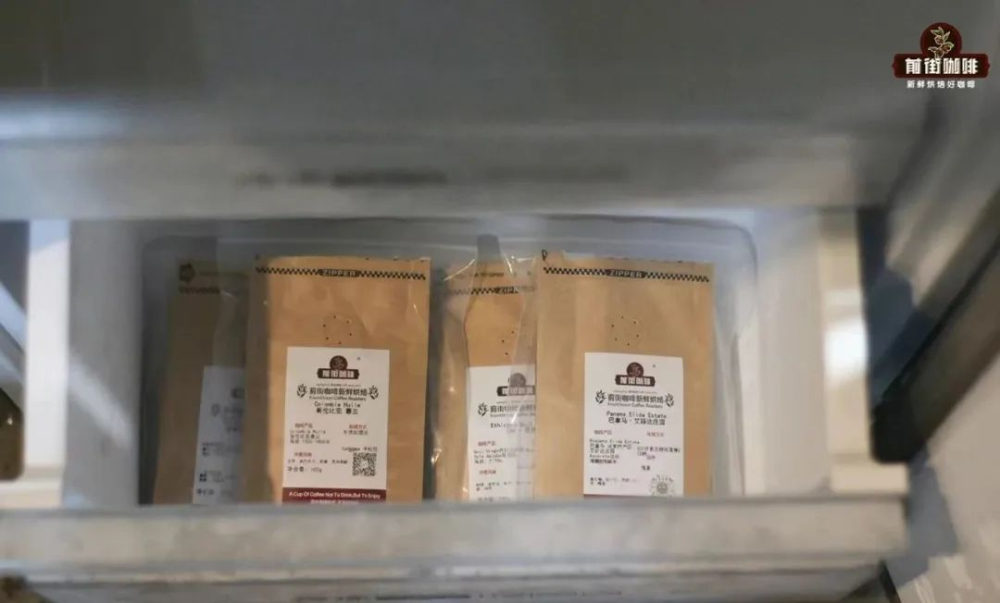
When you've stocked up on coffee beans and can't finish them all, can you put them in the fridge to extend their freshness? This is a problem many coffee lovers encounter. To answer this question, we first need to clarify what we actually mean by "fresh"—not preventing spoilage, but preserving as much of the easily dissipated aroma in coffee as possible. Starting from a customer question received by Front Street Coffee, this article systematically sorts out the five major "enemies" of coffee beans, analyzes the pros and cons of refrigeration and freezing, and offers specific operational advice to help you create a reliable coffee freshness-locking plan at home.
For more specialty coffee knowledge, please follow our WeChat public account: FrontStreet Coffee
A customer stocked up on quite a few daily beans before May Day, but unexpectedly, a friend who had traveled abroad came back and gave her several bags of coffee beans as a souvenir. She couldn't finish them all anytime soon, so she raised three questions to Front Street: Can coffee beans be put in the fridge? Should they go in the refrigerator or freezer? How should they be stored to be safer?
To properly preserve coffee, the first step is to clarify what our goal is—what "freshness" really means, how long until it's no longer fresh, and what factors accelerate its loss. Only by thinking these through can you avoid wrong practices and find a "coffee freshness-locking plan" that truly suits you.
The Flavor Window: What Exactly Are We Savoring?
All coffee products sold through legitimate channels have a "shelf life" printed on the packaging, which manufacturers are required to do under food labeling regulations. But for true coffee drinkers, the concern is never food spoilage—it's aroma loss. Therefore, the core purpose of all preservation methods is to retain as much of the precious aromatic compounds in coffee as possible, that is, to extend its optimal flavor window as much as possible.
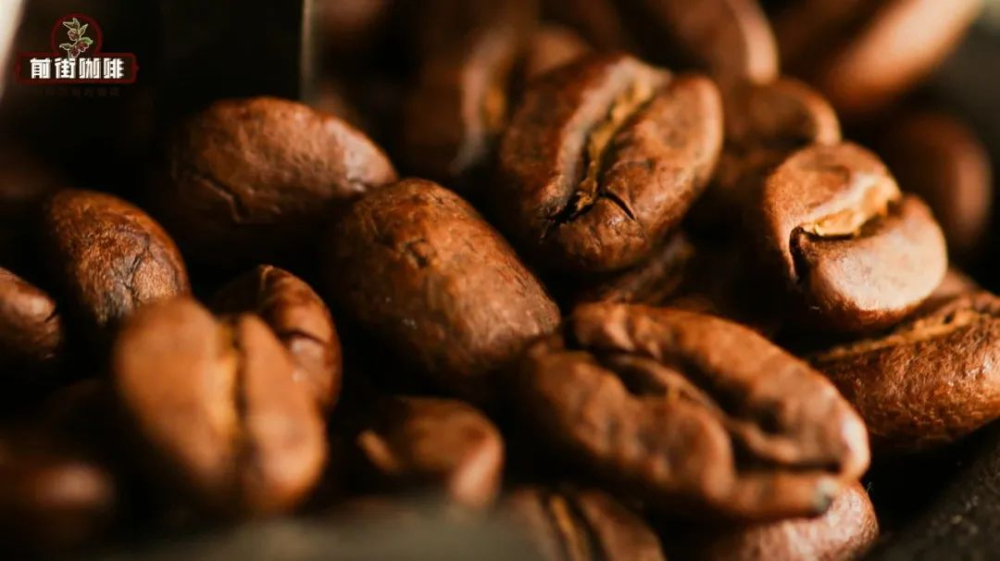
Freshly roasted beans are not only full of aroma but also accumulate a large amount of carbon dioxide inside. So as long as the coffee is still within its optimal flavor window, even without looking at the roast date, we can find evidence of its freshness during brewing.
For example, during pour-over blooming, the grounds will bubble up and water flows through smoothly, making it easier to control the extraction rhythm (stale beans actually drain faster); if making espresso, a beautiful golden crema will appear, and the flow rate is more stable, allowing the coffee to release rich and positive aromas at every stage.
Excluding external interference, as time passes, these essence components gradually decrease within 40 to 50 days after roasting until they are completely gone. Therefore, if you want to extend the coffee's flavor window, you must first avoid its "enemies" during this period—strong light, high heat, moisture, oxygen, and odors.
To Preserve Coffee Aroma, Guard Against Five "Harmfuls"
Before the packaging is opened, heat and light are the two main culprits accelerating the escape of flavor gas molecules. Based on the principle of aroma preservation, coffee should be stored away from direct sunlight and heat-generating or heat-dissipating areas as much as possible.
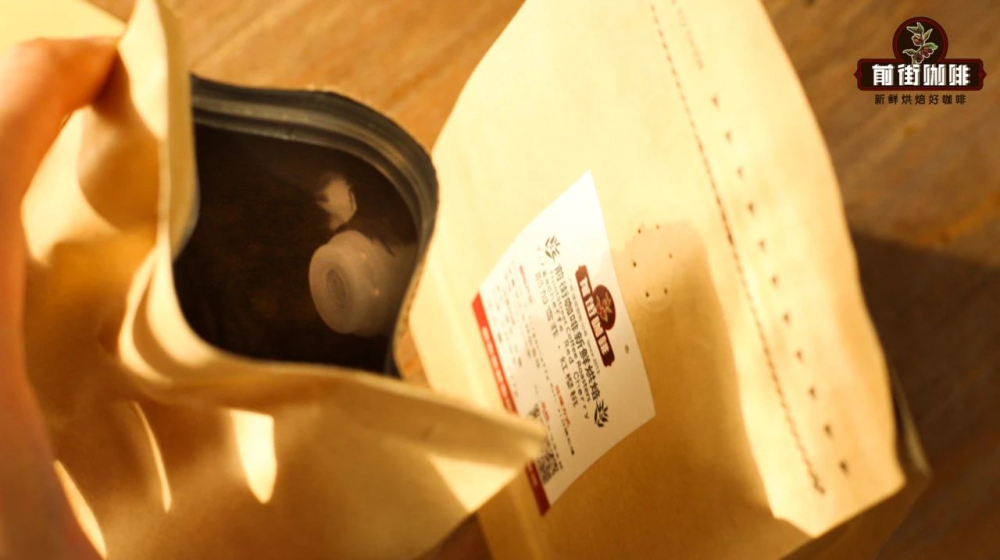
Once opened, coffee beans come into direct contact with air, and moisture, oxygen, and surrounding odors all take the opportunity to invade the packaging. Unfortunately, coffee is a "take-all-comers" character, absorbing all these components without discrimination. So if you frequently open the seal, the beans will either absorb moisture, oxidize faster, or even pick up odors, and the brewed coffee will naturally be greatly compromised.
Generally speaking, after fresh coffee beans are in hand, Front Street recommends storing them in a sealed, cool, dry, and dark environment while reducing the number of times the bag is opened. I believe the smart you have already noticed that these practices are simply targeted prevention against the five "enemies" mentioned above. As long as coffee beans are kept in a cool, ventilated, odor-free, and dry place, you can achieve a longer flavor window.
Can Low Temperature "Preserve" Coffee Beans?
For other ingredients, life experience tells us we can use the low temperature of a refrigerator to preserve freshness. So can coffee beans be treated the same way?
Swiss scientist SAMO SMRKE concluded through experiments that frozen storage can slow down the degassing rate of coffee beans by 12.5 times, to some extent inhibiting the migration of internal aromas outward. So theoretically, freezing can indeed "delay" the end of the coffee's flavor window.
Back to the friend mentioned at the beginning by Front Street, if you want roasted beans to still taste good and be drinkable after three or four months of storage, freezing should be a relatively safe and effective method. However, note that even in a freezing environment of minus ten-plus degrees, it only slows down the rate of aroma loss and cannot completely prevent it. Moreover, improper handling can lead to problems such as air leakage, moisture absorption, and odor transfer, wasting all the effort previously spent.
What Are the Precautions for Refrigerating Coffee Beans?
1. For coffee storage, packaging is undoubtedly a key link. To completely isolate coffee beans from the air in the refrigerator and odors from other foods, Front Street recommends first bagging and sealing or vacuum-sealing, then placing them in the freezer.
2. After taking the beans out of the freezer, don't rush to open them. Wait for the vacuum bag to thaw and return to room temperature before pouring out the coffee beans for use. This avoids the risk of being dampened by condensation.
3. Coffee beans that have been thawed are best not put back in the freezer and should be consumed as soon as possible. Because these beans, after long-term low-temperature storage, will experience accelerated flavor decline after returning to room temperature. If you can't quickly finish the whole bag, you can weigh out single servings or small portions before freezing, make them into individual vacuum packs, and open them as needed.
Whenever I see someone unable to control their buying impulse and hoarding beans like crazy, Front Street can't help but nag: don't buy too much, there will be more deals next time~
The above content is compiled by CoffeeHunters, a coffee news website.


