







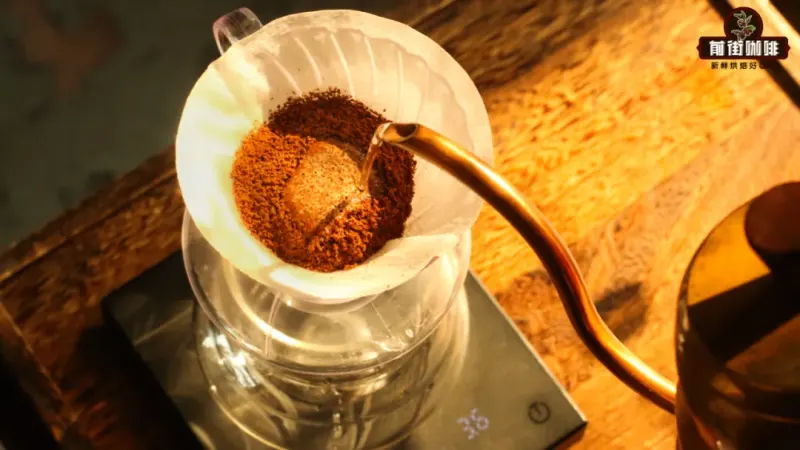
How Water Temperature Shapes Coffee Extraction
Water temperature controls how fast soluble compounds dissolve from ground coffee. Hotter water speeds up the process, which is why competition baristas often use 94°C or higher, while everyday recommendations sit between 86°C and 93°C. Dark roasts and light roasts respond differently, so the right temperature depends on the beans rather than one fixed number.
Front Street Coffee tested dozens of beans while keeping grind, brew time, and coffee-to-water ratio fixed, then set separate temperature ranges for dark and light roasts. The kettle reading also differs from the temperature at the coffee bed, since pouring height and the air cause heat loss. Measuring the actual slurry temperature gives a more accurate picture of coffee extraction than trusting the kettle display alone.
What temperature should the water be when brewing coffee? Why do competition baristas use 94°C or even higher, while everyday recommendations fall between 86°C and 93°C? This article starts with the relationship between the thermal motion of water molecules and dissolution speed, using an everyday analogy of dissolving instant powder to explain how water temperature determines coffee extraction efficiency. Drawing on hands-on testing of dozens of beans, Front Street Coffee sets separate temperature ranges for dark roasts and light roasts, while keeping grind, time, and coffee-to-water ratio fixed, to help you find the brewing temperature best suited to your current beans at home. The article also specifically reminds readers about the difference between the water temperature in the kettle and the temperature when it contacts the coffee bed, as well as how pouring height affects heat loss.
Many people new to pour-over coffee run into the same confusion: they watch competition videos and see baristas and experts using all sorts of different water temperatures—some 94°C, some 95°C, even higher. So yesterday a customer came to ask Front Street Coffee: "Why is everyone using a different water temperature for brewing? What temperature actually makes the best-tasting cup?"
This is a question almost every beginner encounters. To figure out the answer, you first need to understand one thing: how exactly does water temperature affect coffee extraction?
How Water Temperature Affects Coffee Extraction
Put simply, coffee extraction is the process of using water as a solvent to dissolve the soluble substances in ground coffee. The water temperature directly determines how quickly or slowly these substances dissolve—because the thermal motion (kinetic energy) of water molecules becomes more intense as temperature rises. The higher the temperature, the faster the dissolution; the lower the temperature, the slower it goes.
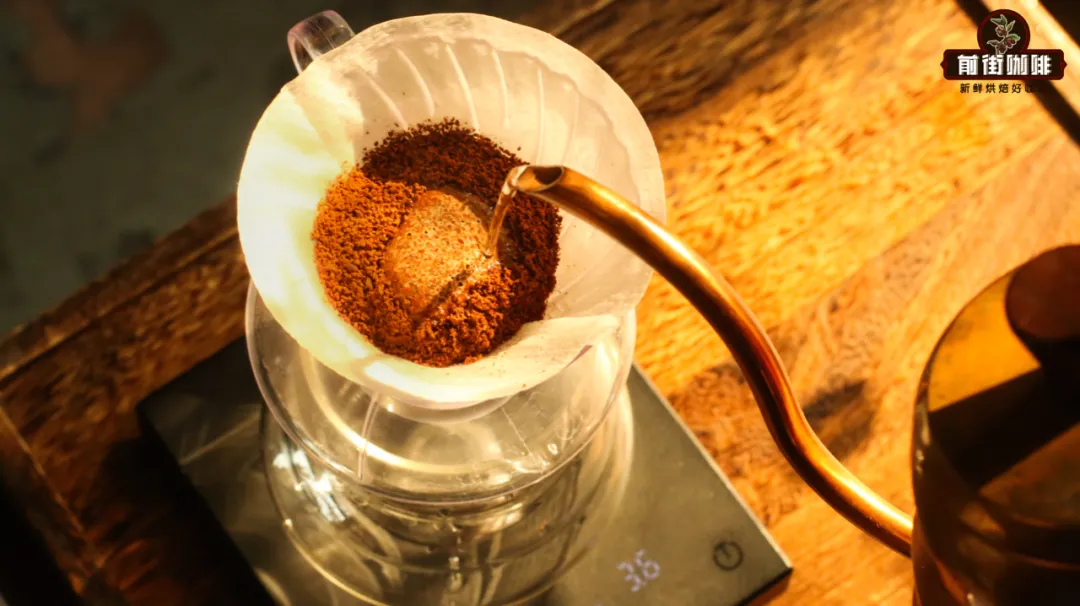
Front Street Coffee uses an everyday example to illustrate: when making instant coffee or dissolving powder mixes, if you use freshly boiled water, most of the granules dissolve in the blink of an eye; switch to warm water, and although the portion touching the water will dissolve, the rest mostly needs a good stir with a spoon to break down; use cold water, and even vigorous stirring may not dissolve it all.
This example gives you an intuitive feel for the power of water temperature. In other words, water temperature affects coffee extraction efficiency. If you're brewing instant powder or similar purified products, the temperature doesn't really matter—as long as it dissolves in the end. Using 100°C water actually dissolves it faster, though it may burn your mouth a little.
But coffee extraction can't be handled so casually. Coffee beans contain not only pleasant flavor compounds but also undesirable elements like bitterness, off-flavors, and astringency. To brew a good cup, you need to reasonably control extraction parameters and keep those negative substances from coming out as much as possible (or at least keep them masked).
Coffee beans with different characteristics suit different extraction efficiencies, and water temperature isn't the only key parameter that can influence extraction efficiency—grind size, water amount, and time all play a role. So Front Street Coffee doesn't recommend using one fixed temperature for all beans; that approach is too limited and creates too much work.
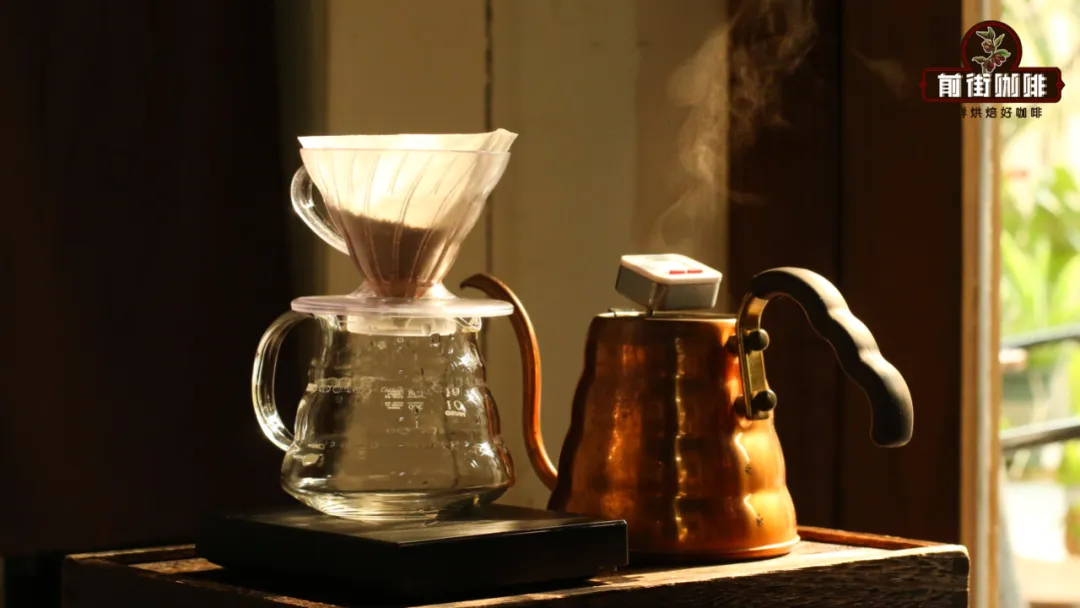
So how do you find the right water temperature for the cup you're brewing? Front Street Coffee suggests fixing the other parameters first: grind, time, and water amount. Then try different temperatures separately, and finally determine the best temperature based on how the cup tastes. But try not to go below 84°C, because extraction efficiency is too low and the substances in the coffee struggle to dissolve out.
Take Front Street Coffee itself as an example. The dozens of beans on Front Street's list are divided into two categories: dark roast and light roast. When designing brewing recipes, whether dark or light roast, all parameters except water temperature are kept uniform: grind at 80% passing rate through a No. 20 sieve (grind settings vary due to differences in bean brittleness), extraction time 2 minutes, coffee-to-water ratio 1:15—then only the water temperature is changed for brewing.
The result is the two sets of parameters mentioned at the beginning: dark roast coffee 86°C–89°C, light roast coffee 90°C–93°C. These two ranges are the most suitable water temperatures under the current formula (80% passing rate through a No. 20 sieve, 2-minute extraction, 1:15 coffee-to-water ratio). You can use the same method to find your own water temperature, because everyone's grinder is different—even with the same beans, the resulting particle size will differ.
At this point you can understand why competition baristas brew with 94°C, 95°C, or even higher water temperatures—it's because those temperatures match the beans they've chosen and their other parameters.
Of course, you can also flip it around and use grind size as the fixed variable while searching for suitable parameters. For example, fix everything except grind, then adjust grind based on taste. But as Front Street Coffee mentioned earlier, adjusting grind involves more details to watch out for—we've covered that in detail before, so we won't repeat it here.
One final reminder: the water temperature we're discussing here refers to the temperature inside the kettle—that is, the temperature of the hot water in the pour-over kettle, not the temperature when it actually contacts the coffee grounds. After hot water pours out of the kettle spout, some heat is absorbed by the air, the dripper, and the coffee grounds, so the temperature actually reaching the coffee bed will be somewhat lower than in the kettle.
Some may think this temperature difference is no big deal, but it's quite the opposite. A slight oversight can worsen heat loss and reduce the extraction efficiency of the hot water.
For example, when brewing with a ceramic dripper, if you don't preheat it, the dripper will absorb more heat to warm itself up. Another example: many people like to raise the pouring height to increase the impact force of the water stream, hoping to boost extraction efficiency. But if the height is too high, the hot water's contact area with air increases, and heat is lost even faster, which in turn undermines extraction efficiency.
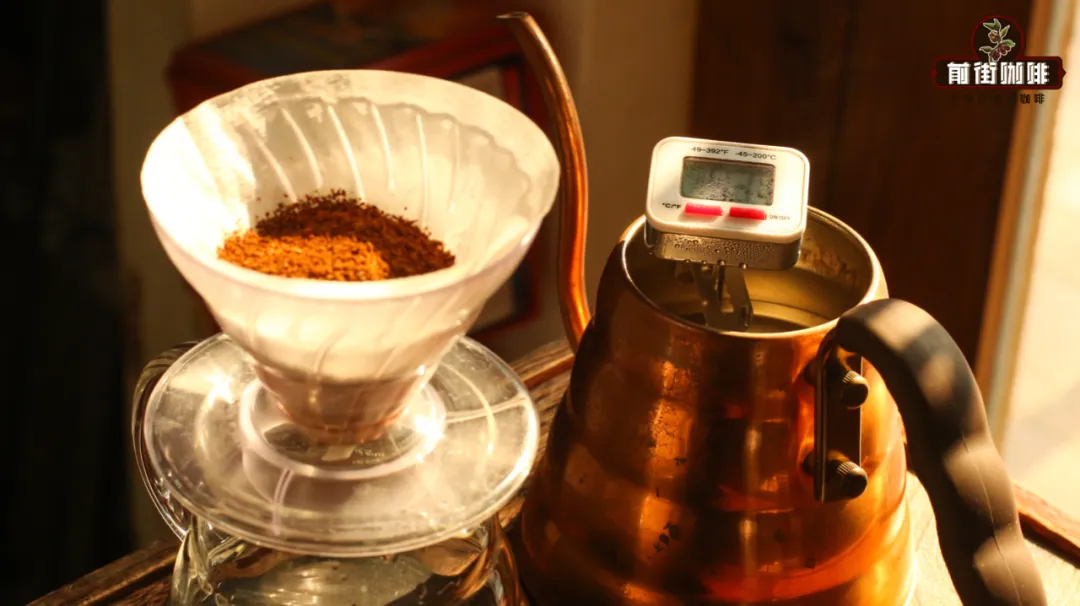
So besides the water temperature in the kettle, you also need to pay attention to the temperature when it contacts the coffee grounds. Although you don't need to go to great lengths to measure the temperature at the coffee bed, you should control the pouring height well (this is the biggest factor affecting water temperature)—try not to exceed the height of a fist, which effectively prevents too much heat from being drawn away from the hot water and causing extraction deviations.
- END -
The above content is compiled by CoffeeHunters, a coffee news website.


