







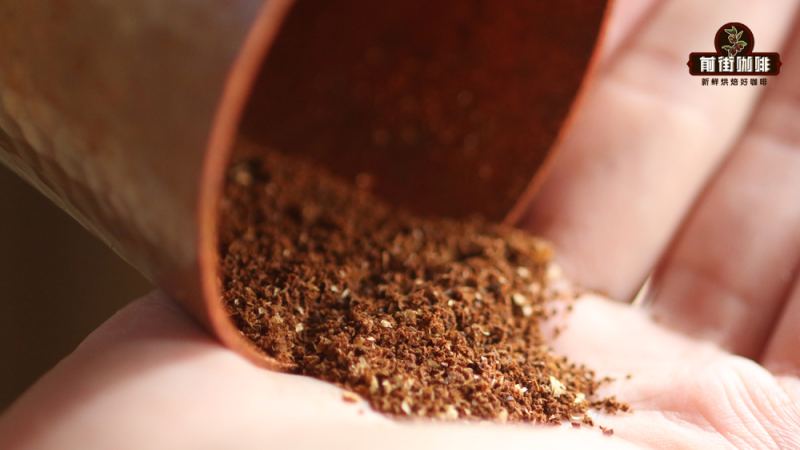
How does coffee ground storage affect oily coffee beans?
Coffee grounds stay fresh longest when kept away from oxygen, moisture, and high heat. After roasting, beans hold carbon dioxide that blocks volatile aromas, but during days 4 to 7 about 60 to 70 percent of that gas escapes. Once only 30 to 40 percent remains, release slows and the brewed flavor peaks between 30 and 45 days after roasting.
Oxygen is the most damaging factor, oxidizing grounds faster than moisture or warmth. Grinding exposes far more surface area, so aroma fades within days rather than weeks. The comparison tests on Yirgacheffe, tracked day by day, show the decline in the process of coffee beans once they are ground. Storing whole oily coffee beans and grinding just before brewing keeps more of the essential aroma.
The freshness of coffee grounds directly determines the quality of the flavor in your cup. Starting from the gas release patterns of coffee beans after roasting, this article analyzes in detail how the three major factors of oxygen, moisture, and high temperature accelerate the deterioration of coffee grounds, and shares Front Street Coffee's storage recommendations. At the same time, through Front Street's comparative experiments and day-by-day flavor tests of Yirgacheffe, it reveals the timeline of aroma loss after coffee is ground into powder, helping you retain as much of the coffee's essential aroma as possible in your daily brewing.
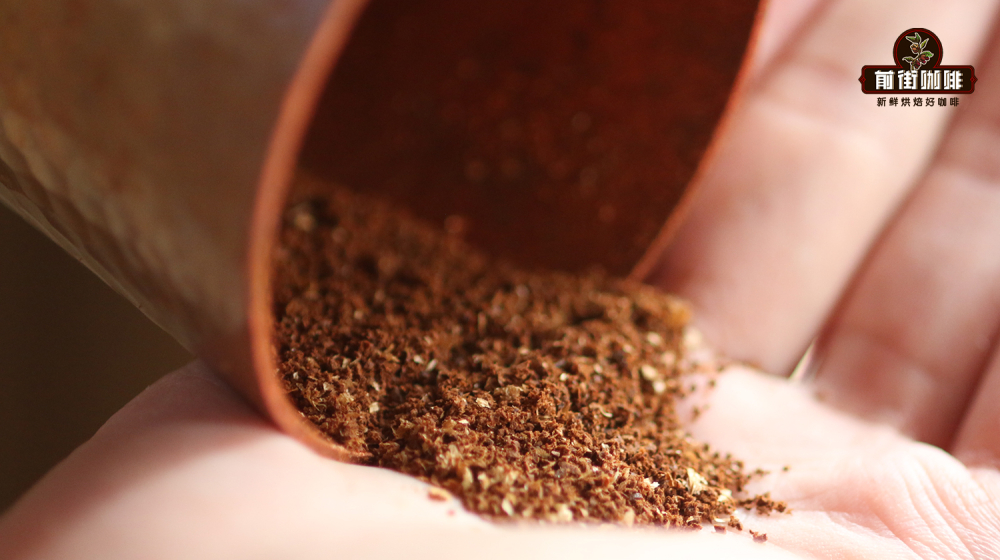
Before brewing coffee each time, we usually grind coffee beans fresh. However, many people, to save trouble, directly buy pre-ground coffee powder. So how exactly should coffee grounds be stored to maintain freshness? And what factors cause the flavor of ground coffee to fade after grinding? Front Street will explain them one by one now.
The Best Flavor Period of Coffee Beans
After green coffee beans are roasted, their internal structure continues to absorb heat and expand while accumulating a large amount of carbon dioxide. These gases have two sides: on the one hand, excessive gas can hinder hot water from extracting flavor compounds; on the other hand, they can help block the loss of volatile aromas.
According to Front Street's observations, during the 4 to 7 days after roasting is completed, about 60% to 70% of the carbon dioxide is released in a concentrated burst (at this stage, blooming most easily forms a full hamburger shape). By the time only 30% to 40% of the gas remains in the beans, the release rate slows significantly. This indicates that the coffee beans have entered a stable period, and the brewed flavor will peak between 30 and 45 days after roasting, which is what we often call the best flavor period.
When storing coffee beans, whether in bags or cans, you must be careful to avoid the following three factors, because they will directly weaken the freshness of the coffee beans!
1. Oxygen
Among all influencing factors, oxygen has the most serious impact on coffee beans. Extensive contact with oxygen accelerates the oxidation process of coffee beans. Other factors consume freshness as if simmering over low heat, but oxygen only needs to expose coffee beans to air for a short period for you to truly feel the flavor "utterly gone, completely bland"!
Of course, completely isolating oxygen is unrealistic, but what we can do is shorten the time fresh oxygen is in contact with the coffee beans. For example, immediately sealing the bag after opening it to take out the needed coffee beans can reduce the time the beans in the bag or can are exposed to fresh oxygen.
2. Humid Environment
A humid environment means that the storage space is filled with a large amount of water vapor. Once dry coffee beans come into contact with too much moisture, they will absorb dampness. After absorbing moisture, coffee beans are highly prone to deterioration, mold, and other negative conditions. Especially for dark-roasted beans, whose surfaces easily become oily, it is difficult to judge by the naked eye whether they have absorbed moisture, and they may be brewed if you are not careful. Therefore, keeping coffee beans in a dry environment is the safest!
3. High Temperature
It is not enough for the storage environment to be merely dry; it must also be kept away from all places that may generate heat! This includes all kinds of heat-generating home appliances, as well as light sources that carry heat (especially sunlight).
Under prolonged high-temperature "baking," the aromatic substances in coffee beans volatilize at an multiplied rate, and the original flavor period that could last dozens of days will be sharply shortened under the influence of high temperature. Therefore, a cool, dry environment is the best storage place for coffee beans!
By the way, although many coffee bean packaging bags use aluminum foil material for heat insulation, they still cannot withstand continuous high temperatures! Front Street Coffee would like to remind you: do not leave coffee beans exposed to sunlight just because the packaging bag is opaque.
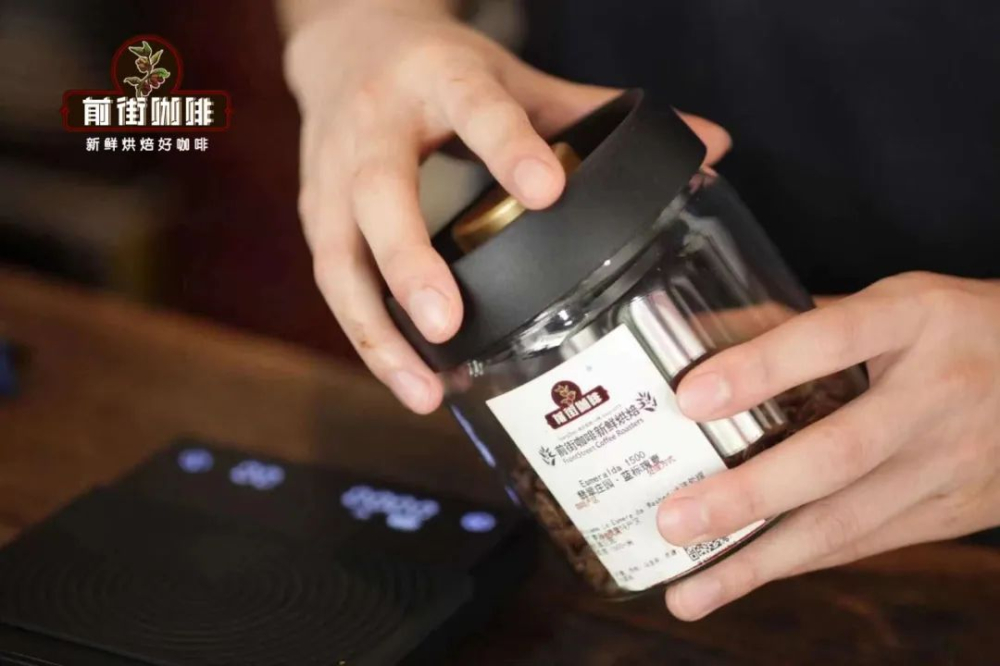
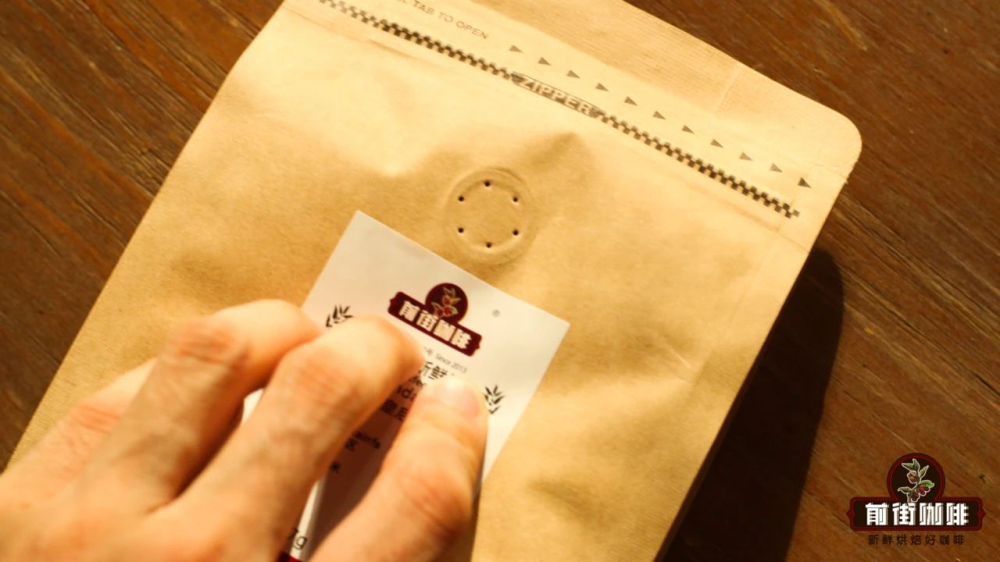
In short, as long as you try to avoid these three "natural enemies" when storing coffee beans, you can help coffee beans retain rich aromatic substances for a longer time! If conditions permit, Front Street Coffee recommends buying bean canisters that can vacuum-seal, which can better isolate oxygen and extend the freshness of coffee beans; or use stickers to seal the exhaust valve holes on the bean bag, which can also slow down the oxidation rate of coffee beans!
Of course, in addition to looking at the roast date, the flavor performance of coffee beans is also closely related to storage conditions. Generally speaking, after fresh coffee beans arrive, we recommend storing them in a sealed, cool, dry, and light-protected place, and reducing the number of times the seal is opened during use. Just imagine, if a bag of beans is left open several times a day, or frequently comes into contact with moist air, then even if it is still within the recommended flavor period, the coffee grounds have most likely already "gone off."
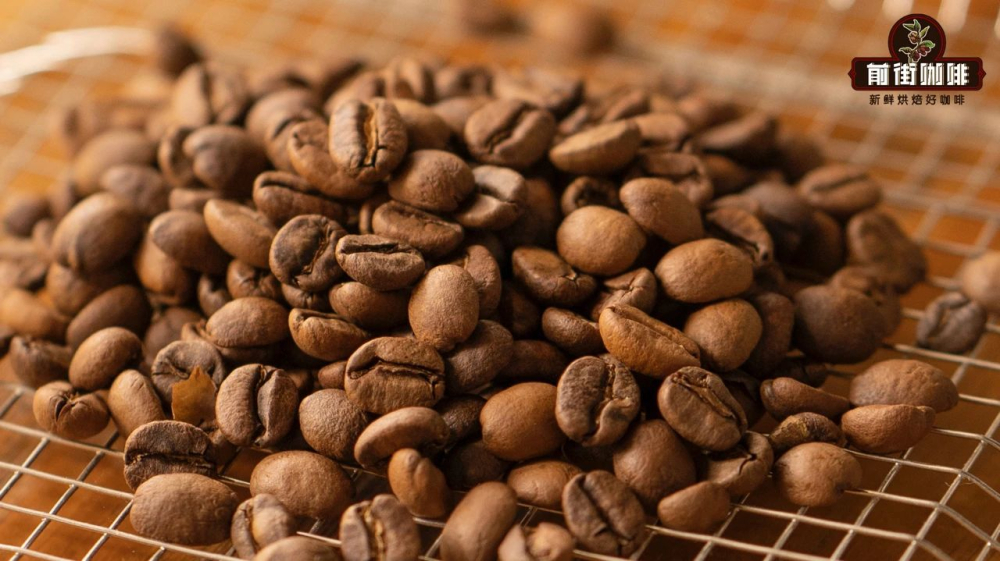
After Coffee Is Ground, How Long Can the Flavor Be Preserved?
As everyone knows, coffee beans have the most abundant aroma when freshly ground into powder. These coffee aromas are actually volatile flavor compounds drifting through the air and then smelled by us. Before grinding, coffee beans are a complete structure, and carbon dioxide can only be released slowly through the surface layer; after the beans are ground into powder, the surface area in contact with air increases greatly, and at this time a large amount of carbon dioxide accelerates the loss of aroma compounds along with it, so the flavor period inevitably shortens.
In order to find out the best flavor period after coffee is ground into powder, Front Street once conducted a comparative experiment: Panama Boquete Geisha coffee beans roasted on the same day were ground into powder 30 days, 21 days, and 14 days in advance, then stored separately in sealed containers, and brewed and compared at the same time.
In the end, we found that, under the premise of sealed storage and fewer openings, coffee can still be drunk with a decent flavor within 3 weeks after grinding, but it declines day by day; when stored for more than one month after grinding, the aroma completely dissipates, leaving only a bland "coffee taste."
Therefore, if you stock up in relatively large quantities at once and your coffee consumption frequency is not high, Front Street suggests that after receiving pre-ground coffee powder, immediately divide it into multiple sealed jars or sealed bags for storage, opening only as needed, so you do not need to worry about the remaining coffee aroma slipping away because of frequent opening.
What Changes Will Occur in the Taste of Coffee Ground in Advance?
Out of curiosity, last week Front Street ground a bag of unused washed Yirgacheffe (roast date: December 29, 2024) into powder, and then tested its flavor state every day to see what correlation there is between the storage time of coffee grounds and the brewing state and final flavor performance.
Freshly ground and brewed: rich dry aroma, with obvious white flower and citrus fruit aromas, as well as honey sweetness; blooming dome normal, with the coffee bed continuously bubbling; flavor: fresh orange peel, light floral, lemon, snow pear, plum acidity; after the temperature drops, aromas of melon seeds, caramel, and green tea appear, with a light, transparent, and bright acidity.
First day after grinding: the dry aroma has an obvious fresh scent like citrus and lemon peel, the floral aroma weakens, with some nutty and milk candy aromas, and abundant bubbles are released during brewing; flavor: sweet orange, pomelo, tea-like sensation, lively acidity, and obvious sweet aftertaste.
Second day after grinding: the dry aroma is slightly lighter, with a fresh citrus scent; the bloom does not rise, and a small amount of bubbles emerges from the coffee bed during extraction; flavor: mainly the sweet-sourness of citrus and pomelo, with a flavor profile not much different from the previous day, caramel sensation on entry, and a green tea finish.
Third day after grinding: the dry aroma is honey, citrus, and nutty; bubbles during blooming and extraction decrease; flavor: pomelo, lemon, tea-like sensation; the acidity is not as bright as the previous day, and the caramel sensation becomes heavier.
It can thus be seen that after coffee beans are ground into powder, not only does carbon dioxide continuously dissipate with storage time, but the aroma of the brewed coffee also gradually decreases. Taking Front Street's light-roasted Yirgacheffe this time as an example, when freshly ground it showed a refreshing and bright profile. As the coffee grounds contact air more and more times and are stored longer, the coffee's profile also gradually changes from fresh fruity sweet-sourness to a fuller caramel sensation. At this point, no matter how you adjust other parameters, it is hard to achieve the flavor performance of when it was freshly ground.
In fact, this type of medium-light roast coffee already emphasizes floral and fruity aromas, and within a few hours after being ground into powder, much of its essential aroma has already been lost. So if you pursue this kind of flavor, when conditions permit, Front Street recommends equipping yourself with a grinder, because only then can you experience the aroma brought by freshly roasted, freshly ground coffee.
The above content is compiled by CoffeeHunters, a coffee news website.


