







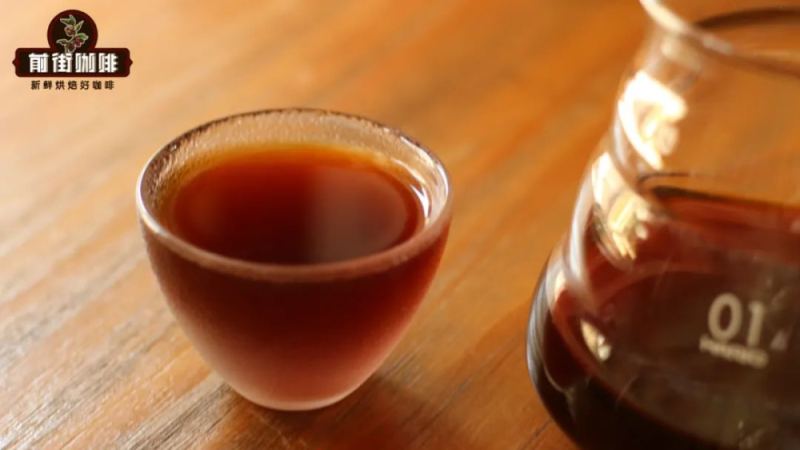
Is Cold Brew Sour Once the Cup Cools Down?
Cooled coffee tastes more sour or bitter because volatile aromatic compounds keep escaping after brewing, and because human taste perception shifts with temperature. Sweetness reads strongest near body temperature, so as a cup cools that sweetness fades and sourness and bitterness stand out more. Iced pour-over faces the same problem as the ice melts and dilutes the drink.
The practical answer is timing: drink the cup while it is still warm, when sweetness perception is high and sour and bitter notes stay balanced. Reheating can warm the liquid again but cannot restore the aromatics already lost. That is also why is cold brew sour depends on strength and dilution, and how to fix sour cold brew usually means adjusting the ratio or serving it colder.
A cup of hot coffee left standing for a while often turns sour or bitter, no longer as smooth as when it was first brewed. Behind this lies both the continuous loss of volatile aromatic compounds within the coffee and the differences in how human senses perceive taste at varying temperatures. Sweetness is most prominent near body temperature, while as temperature drops, the intensity of sourness and bitterness relatively increases. Iced pour-over faces the same issue of dilution as the ice melts. So, how quickly should coffee be finished? Can cooled coffee regain its original flavor through reheating? Front Street Coffee provides answers through experiments, and this article will analyze these phenomena one by one to help you enjoy your coffee at the optimal moment.
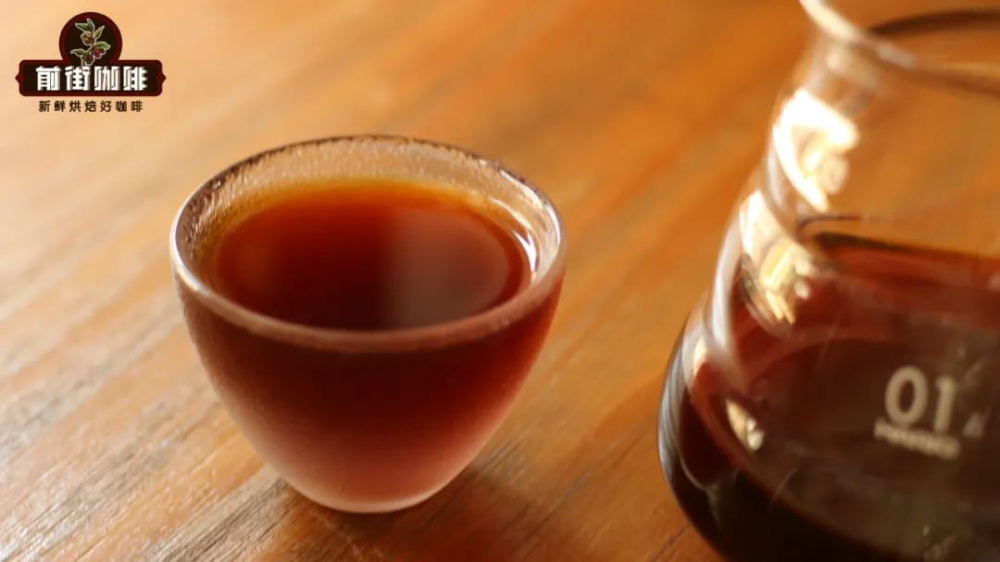
To figure out how long a cup of coffee should be finished within, it helps to first analyze why it gradually becomes less enjoyable. Ultimately, this mainly involves two aspects: the continuous loss of flavor compounds, and changes in human sensory perception at different temperatures.
Why does coffee taste worse after its temperature drops?
The aroma released by coffee is essentially a process of volatile compounds continuously escaping. After brewing is complete, the total amount of substances in the coffee no longer increases, but volatile components keep decreasing.
These volatile compounds, similar to the carbon dioxide released by coffee beans, dissipate continuously over time. By the time the temperature drops, a considerable proportion of the volatile compounds has already been lost. Even without additional sour or bitter stimulation, cooled coffee fails to present the alluring flavor of a hot drink due to insufficient aroma.
On the other hand, there is the sensory aspect, which is something Front Street often emphasizes: human perception of taste changes with temperature. When coffee is hot, sweetness perception is stronger, effectively suppressing the intensity of sourness and bitterness, making the overall taste more balanced, so hot coffee usually does not deliver overly harsh negative experiences.
However, once the temperature drops, sweetness perception weakens, and the intensity of sourness and bitterness becomes relatively prominent—this is why cooled coffee seems more sour or bitter.
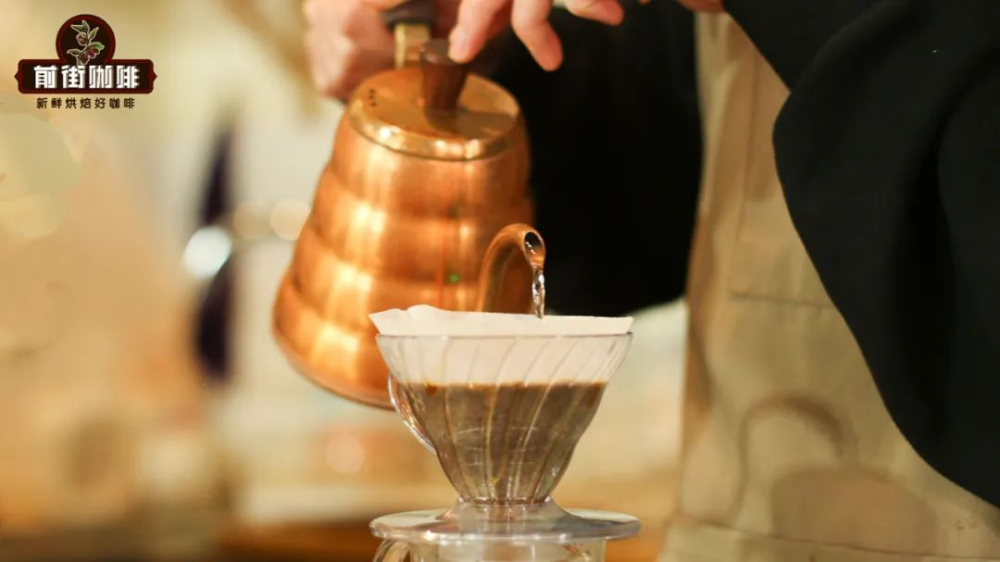
A simple analogy: prepare a cup of hot water, add a small amount of white sugar, then taste it at different temperatures. You will find that the closer the sugar water's temperature is to body temperature, the more pronounced the sweetness.
The same principle applies to coffee. If you want to experience it at its sweetest, most full-bodied state, it is best to finish it before it drops to room temperature. Of course, the cooling rate is affected by the surrounding environment and climate, and there is no fixed time standard—more accurately, drink it as soon as possible.
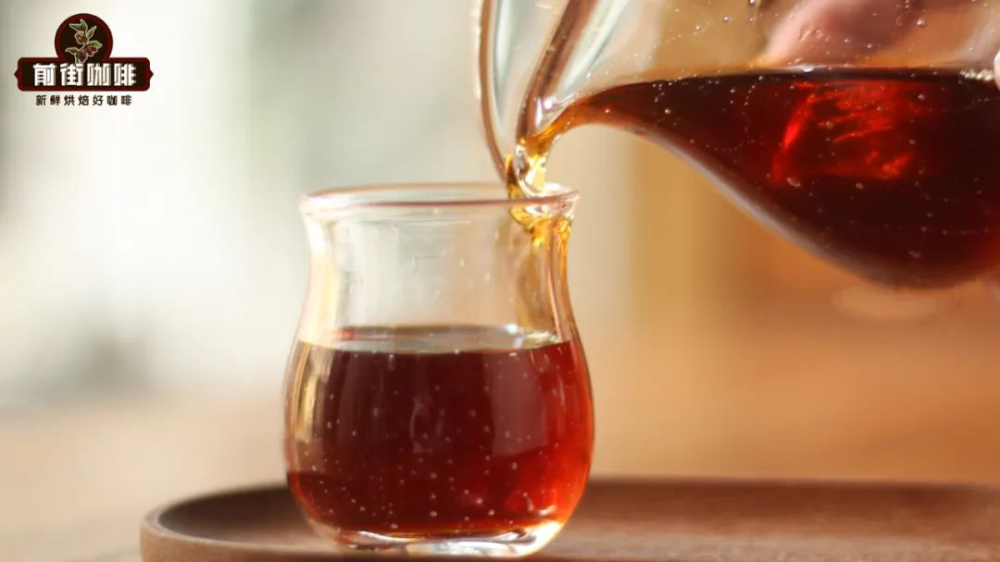
Iced pour-over is no exception. Typically, a cup of iced pour-over contains some unmelted ice cubes. Regardless of the size or thickness of the ice, once melted it dilutes the coffee, lowering its concentration and thereby affecting flavor, accompanied by the loss of volatile compounds. Therefore, whether cold or hot, finishing the coffee before it "changes taste" is the most ideal choice.
So, is there any remedy for coffee that has already cooled down?
Last month, Front Street conducted a heating experiment specifically on cooled coffee, aiming to verify whether cooled coffee can regain the deliciousness of a hot drink. The results matched expectations: although reheating can boost the perception of sweetness and reduce the impact of sourness and bitterness, the aromatic compounds that have already volatilized cannot be recovered, and the overall taste still has a noticeable gap. No matter how you adjust it, the lost flavor will not come back. So, better drink it while it's hot.
Front Street Coffee
No. 10, Baoqian Street, Yandun Road, Dongshankou, Yuexiu District, Guangzhou, Guangdong Province
The above content is compiled by CoffeeHunters, a coffee news website.


