








We usually talk a lot about coffee bean brewing, but today Front Street will explain coffee bean roasting knowledge to everyone. We know that the process of coffee beans going from green beans to roasted beans is the roasting process, and this process includes light roast, medium roast, and dark roast. Exactly what kind of coffee beans should be roasted how, and at the same time, how are light roast, medium roast, and dark roast distinguished?
Coffee beans from each producing country and region carry some local flavor characteristics, and to bring out these flavor characteristics of the coffee beans, the roaster's superb skills are needed. Front Street roasters will decide the roasting level based on the coffee bean's producing country, region, variety, flavor characteristics, and so on. Of course, when Front Street roasters get a new bean, they will roast three curves based on the roasting curve of the major producing region and conduct cupping, from which they choose the curve most suitable for this coffee bean.

When Front Street roasters roast each coffee bean, they must record in detail each batch's charge temperature, charge weight, bean turning point, boiler temperature per minute, dehydration point, first crack point, first crack time, drop time, dehydration rate, rate of rise, etc. (the more detailed, the better). Because various微小 changes in temperature and heat during the roasting process can change the taste of the beans, different beans also have different characteristics, and roasting is a task that requires rapid operation within a short time, so it is required to accurately predict the roasting process during roasting and correct the curve through cupping.
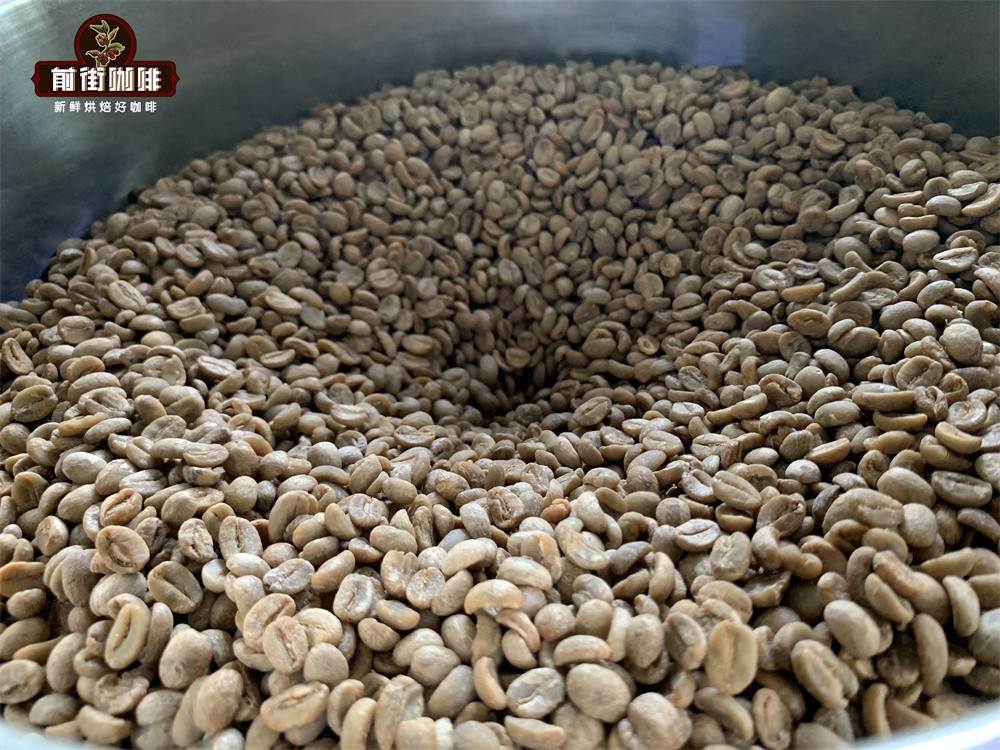
Before roasting, green coffee beans have an earthy and fishy smell. After roasting, they give off a rich aroma. The roasting degree of coffee beans also affects coffee flavor and caffeine content. The lighter the roast, the stronger the fruity acidity, and the higher the caffeine content. The darker the roast, the weaker the acidity, the more obvious the sweet and bitter taste, and the lower the caffeine content.
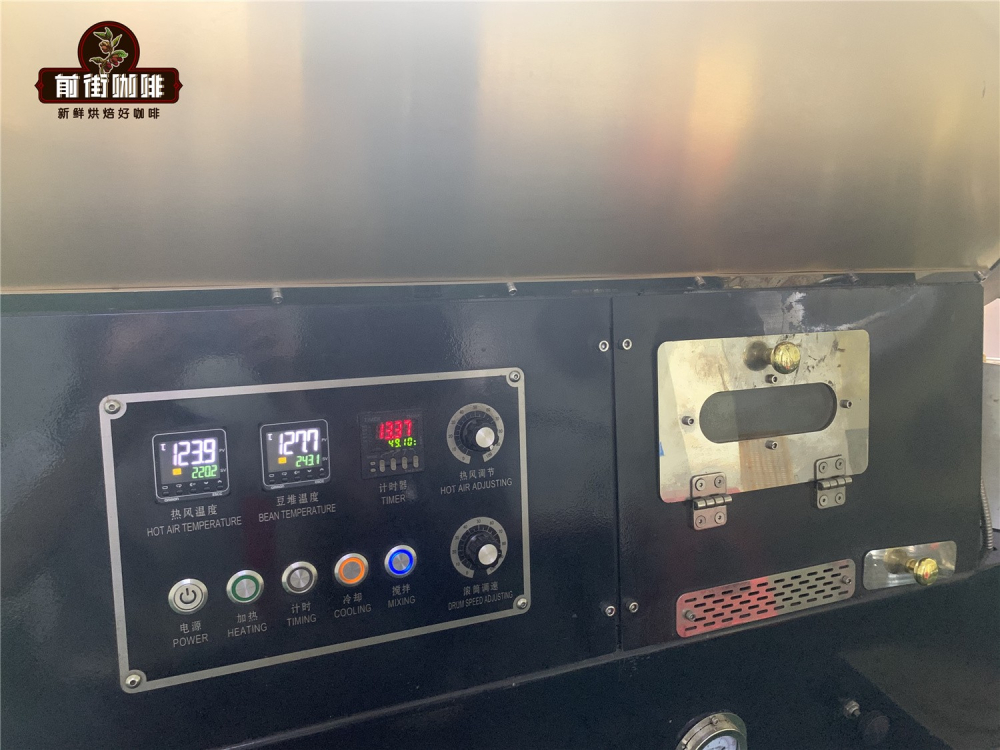
What we call coffee roasting refers to the process of heating green beans to promote a series of physical and chemical reactions inside and outside the coffee beans, and in this process generate various tastes such as acidity, bitterness, and sweetness, form body and color tone, and transform green beans into dark brown roasted beans.
The Front Street coffee bean roasting process is mainly divided into the following stages:
Dehydration stage - coffee beans turn from green to yellow, and a faint grassy smell can be detected
At the beginning of charging, the temperature inside the roaster will first drop because the green beans absorb heat, then rise to the turning point. The moisture content of green beans is 8% to 14%. As the temperature rises, part of the free water gradually becomes water vapor. The originally hard coffee beans soften and expand in volume, and the loss of chlorophyll causes the color to turn from green to yellow. The color gradually changes from green to yellow or light brown, the silver skin begins to fall off, and a faint grassy smell can be detected.
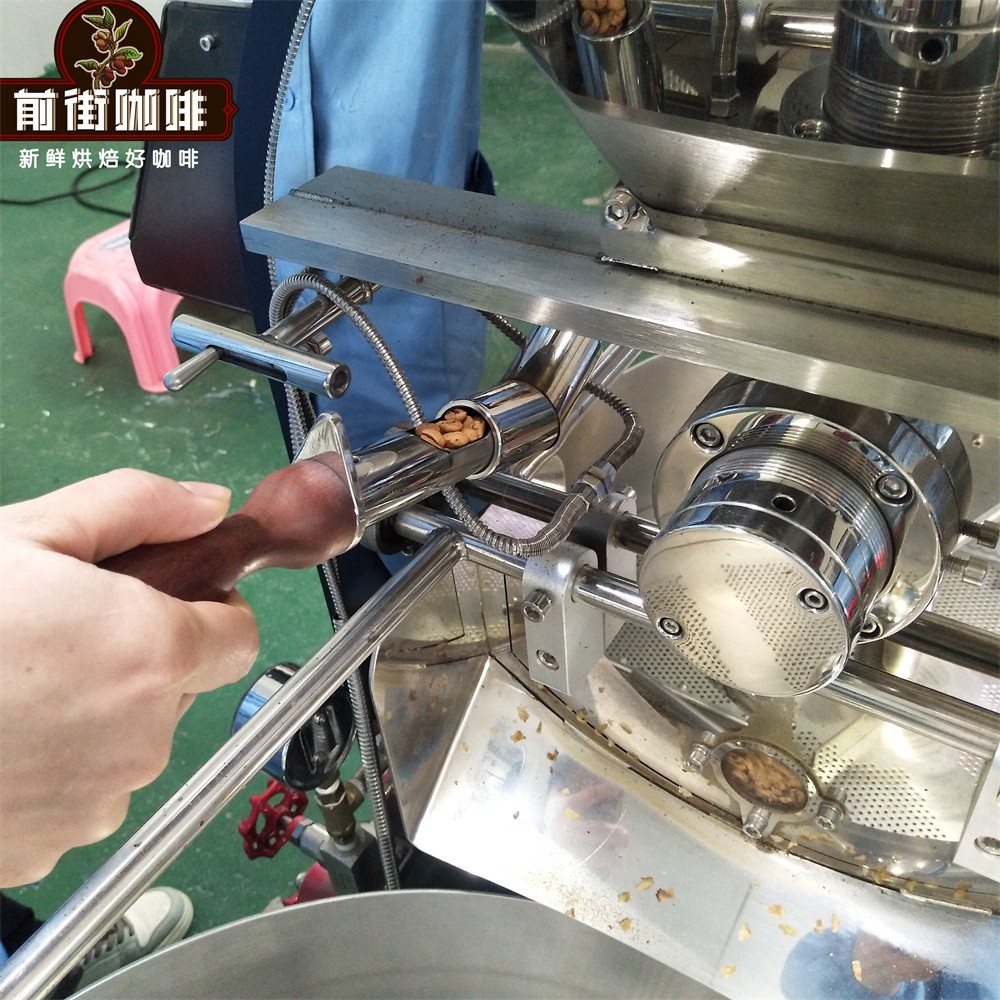
Yellowing stage - the bean color becomes darker and darker, giving off a toast or caramel aroma
After coffee beans turn yellow, flavor-forming chemical reactions occur - the Maillard reaction and caramelization reaction. During heating, the sugars and amino acids in coffee beans interact to produce complex chemical changes, generating hundreds of aromatic compounds. This process is called the "Maillard reaction" and affects coffee's aroma and taste. The beans also turn light brown due to melanoidins; the "caramelization reaction" is when sugars dehydrate into brown caramel before and after first crack and produce aromatic compounds. Coffee's sweetness and bitterness come from this, and the bean color also becomes darker, allowing originally tasteless coffee beans to give off rich aromas blending caramel, cocoa, butter, and more. At this time, the heat should be reduced a little and the airflow increased a little to avoid roasting the beans too quickly, resulting in beans that are cooked outside but raw inside.
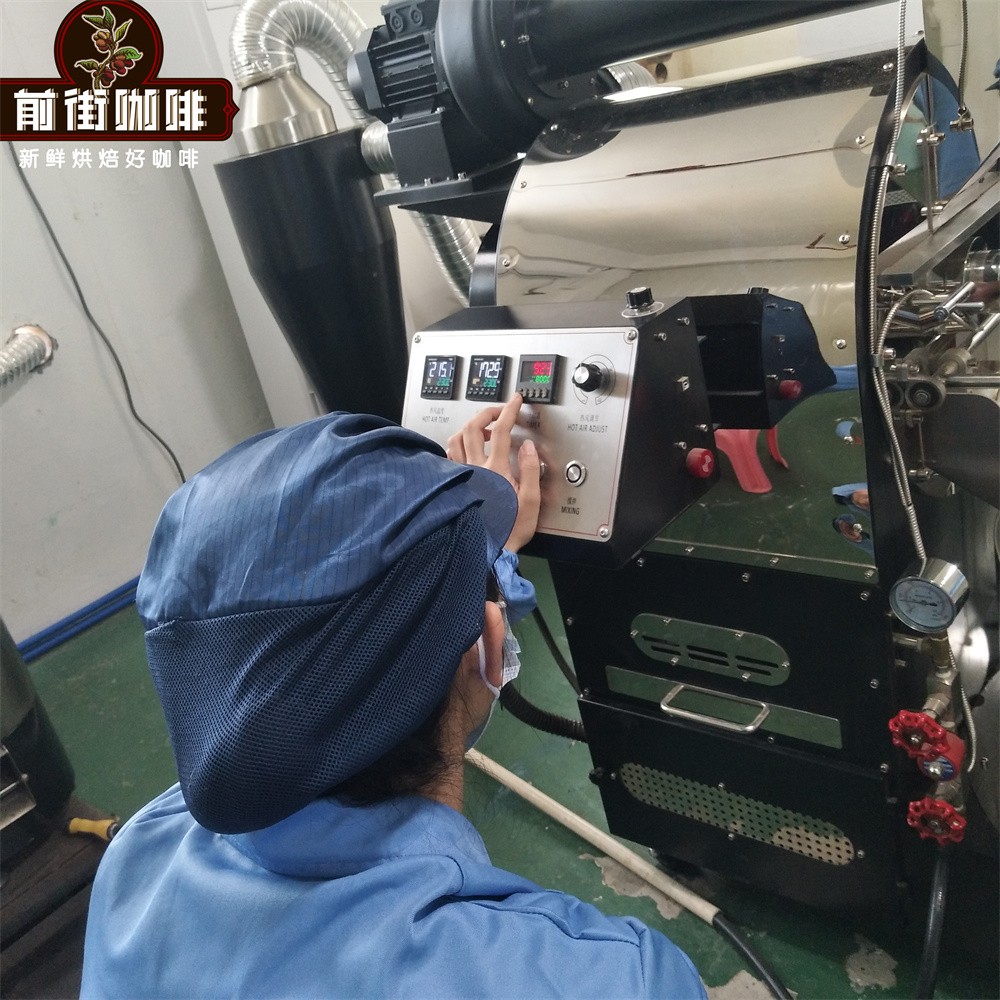
Flavor development stage - a crisp and loud cracking sound is heard (first crack), the time to drop beans for light-medium roast
Caramelization and the Maillard reaction generate a large amount of water vapor and carbon dioxide inside the coffee beans, causing the coffee beans to expand in volume and increase in pressure. When the cell walls can no longer withstand the pressure, they crack - the center line of the bean splits open, the outer silver skin on the coffee bean surface and the inner silver skin in the center seam fall off, and a sound similar to breaking twigs or popping popcorn is emitted. At this time, the coffee beans change from absorbing heat to releasing heat, causing the roaster temperature to rise quickly. The heat should be lowered in time and the airflow increased to avoid over-roasting the beans. If you want to present fruity acidity, you should seize the opportunity to drop the beans before first crack ends.
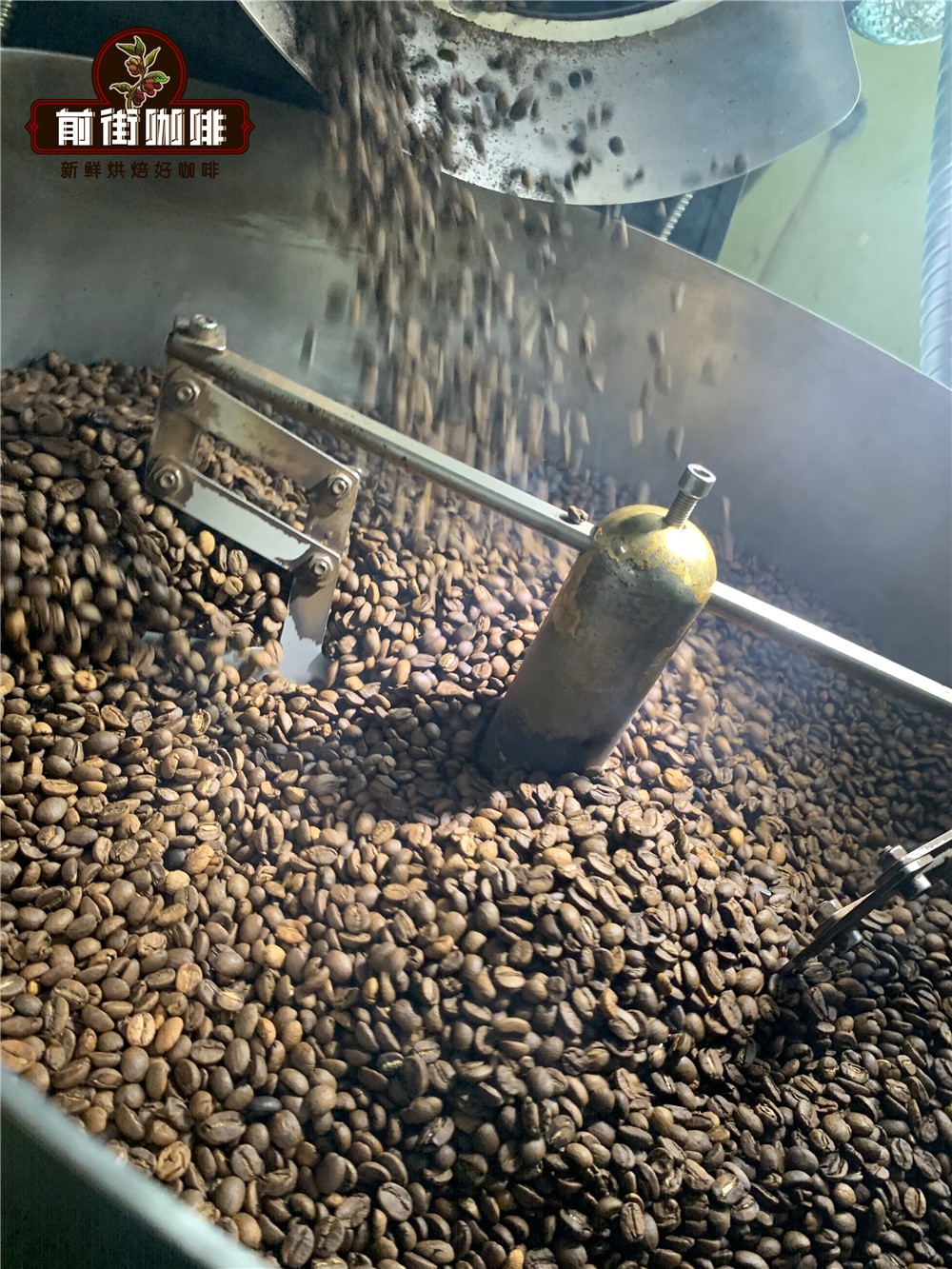
Flavor development stage - the cracking sound is muffled and faint (second crack), the time to drop beans for medium-dark roast
After first crack ends, there is a resting period of one to two minutes. The coffee beans change from releasing heat to absorbing heat, and the inside of the beans continues to expand at high temperature until the cell walls can no longer withstand the high temperature and pressure, producing the quieter second crack. When second crack sounds, it means the beans have entered the range of dark roast. Various Italian dark roasts, French dark roasts, and Viennese dark roasts are nothing more than crazy probing at the edge of carbonization. During second crack, the beans once again turn to releasing heat. Due to carbonization and oils emerging on the surface, they become even blacker and more glossy.
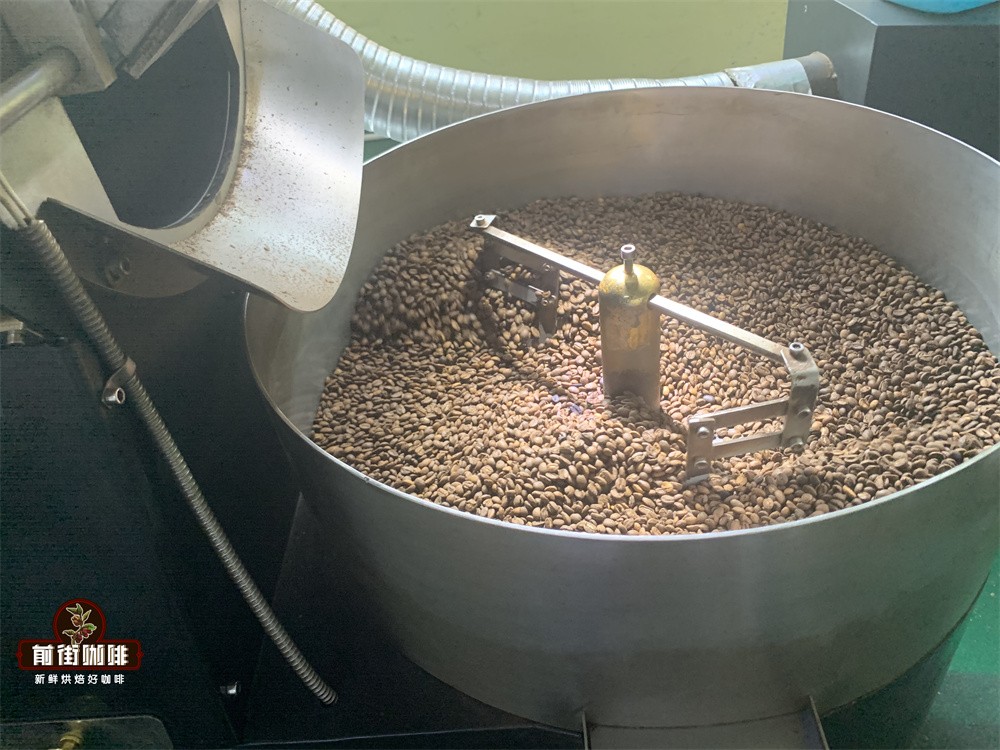
Cooling:Once the beans leave the roaster, they must be cooled immediately to prevent the self-roasting effect from making the beans darker than the appropriate roast level they have already reached. There are three ways to cool the beans:
1) Water cooling: Spray water onto the freshly roasted hot beans to cool them. Because coffee easily absorbs water, this process significantly increases the beans' specific gravity.
2) Cooling with ordinary air.
3) Cooling with refrigerated air.
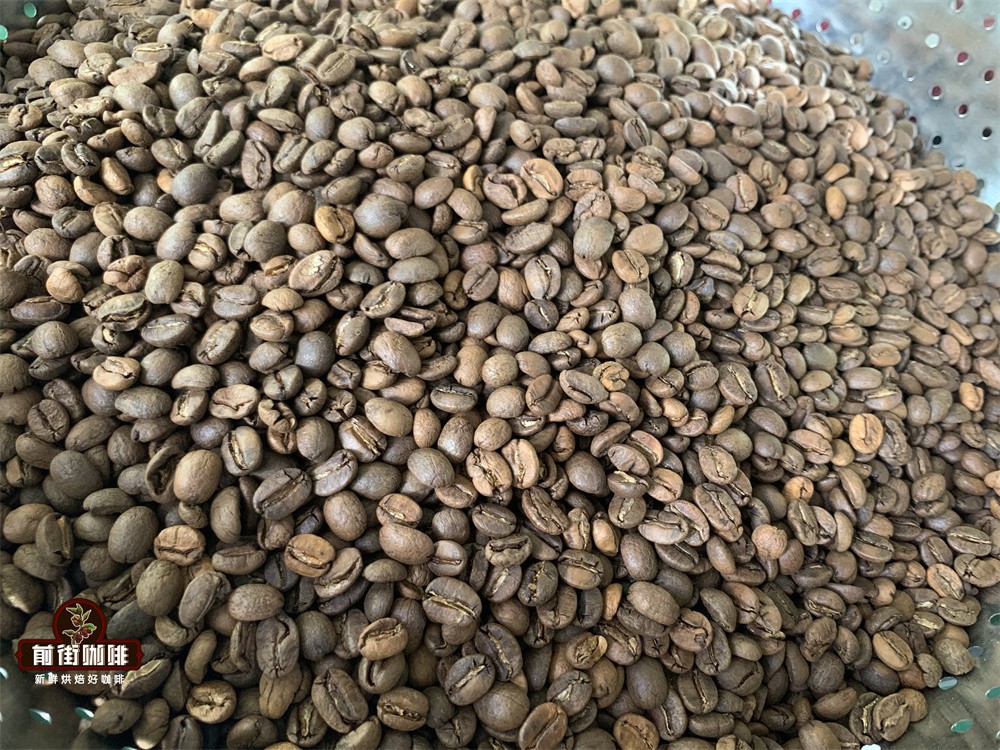
The changes caused by roasting are very complex. Although scientists continue to research and analyze them, the full picture still cannot be known. Roughly, there are the following changes:
Weight loss: The moisture content drops from about 13% to 1%, and weight loss is roughly 12% to 21%. The higher the roast level, the greater the weight loss.
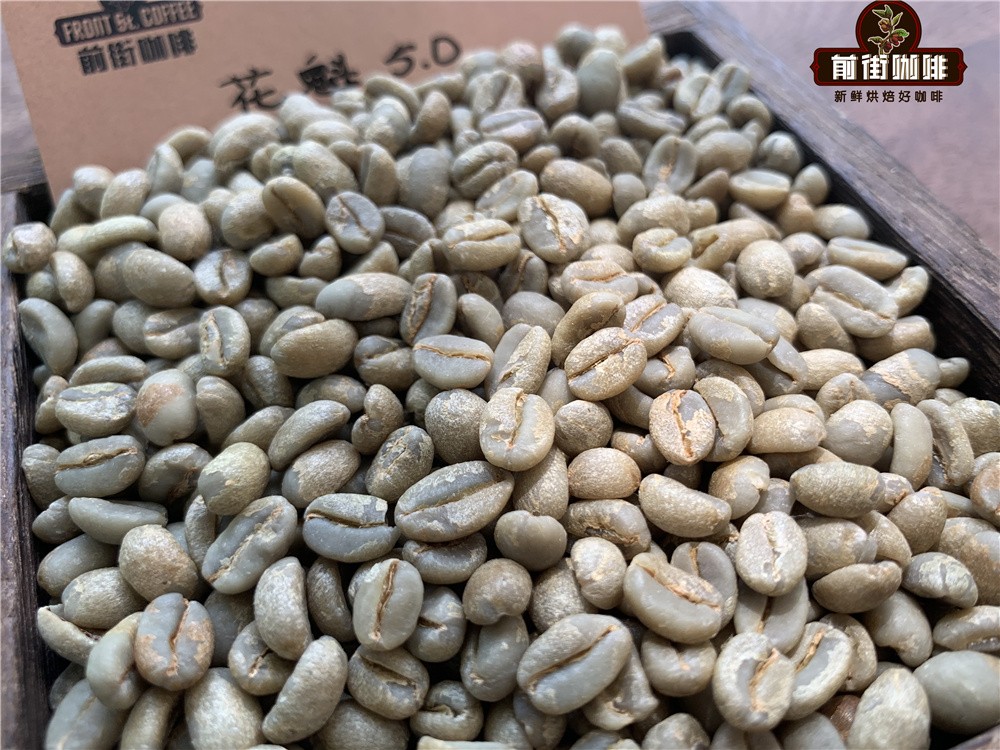
Volume expansion:After roasting, the volume of coffee beans increases by more than 60%. Cell pores enlarge: the cell walls of green beans are hard and the cell cavities are closed, so they are not easily spoiled. However, after roasting, the cell walls become very fragile and the cell pores enlarge, making it very easy for internal substances to be lost.
Formation of carbon dioxide: high-temperature decomposition causes the carbohydrates inside coffee beans to break down and combine with other substances to form a large amount of carbon dioxide, which remains inside the coffee beans.
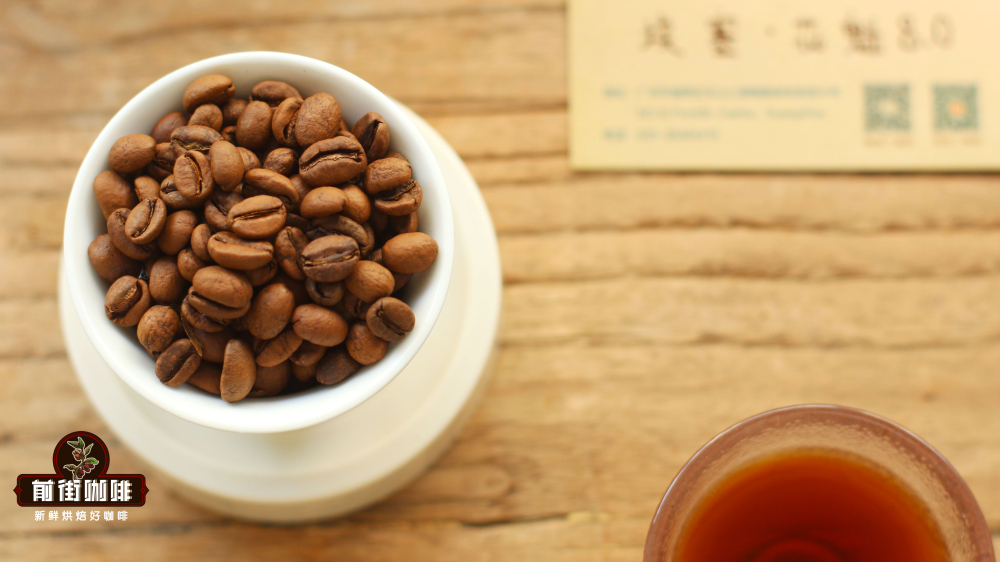
Changes in tissue structure: After roasting, carbohydrates drop sharply from 58.9% to 38.3%, and acidic substances (fatty acids, tannic acid, chlorogenic acid, etc.) drop from 8.0% to 4.9%. Under high-temperature pyrolysis, these substances recombine and transform into caramel, carbon dioxide, and some volatile substances. Among them, caramel accounts for 25% of the mass of roasted beans and forms coffee's sweetness. Fat originally accounts for 16.2% of green beans and increases to 17% after roasting, and is the source of body and thickness. Caffeine content hardly changes. The bitterness of dark-roasted coffee does not come from having more caffeine.
Coffee bean roast levels
Light roast-- The bean color changes to a pleasant cinnamon color, so it is also called cinnamon roast or half-city roast. Acidity dominates the flavor of light-roasted beans, such as Ethiopian Yirgacheffe coffee.

Medium roast-- Coffee beans present an elegant brown color. New Yorkers like to use medium-roasted coffee beans at breakfast, plus rich milk and sugar, to open each day. Therefore, this roasting method is also called breakfast roast or city roast. Medium roast can preserve the original taste of coffee beans and also moderately release aroma, so Front Street Blue Mountain Coffee, Front Street Costa Rica Coffee, Front Street Honduras Coffee, Front Street Panama Coffee, etc. all use medium roast.
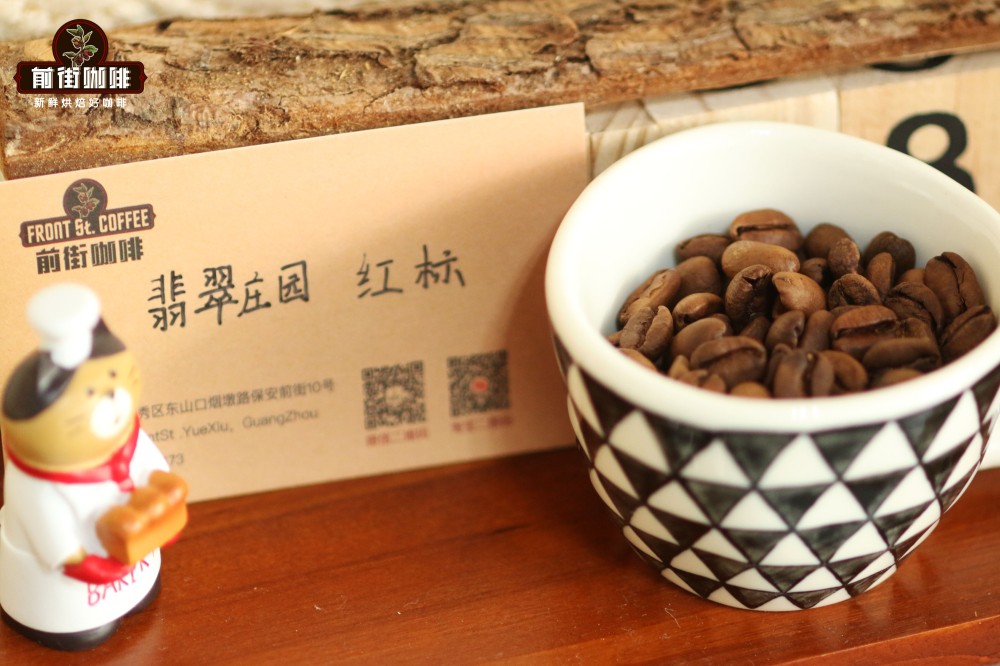
Dark roast-- The darker the coffee bean color, the sweeter and richer the flavor. At this time, when the oils have turned into caramel, bitterness gives way to sweetness and the aftertaste is endless. It is most suitable for brewing strong Espresso coffee, so it is also called Italian roast. Such as: Front Street Brazil beans, Front Street Colombia beans.

Sometimes the coffee beans you see are darker in color, but they are actually medium roast or even light roast. Some are dark roast but look like medium roast. This is actually because some coffee beans take on color more easily, creating the so-called color difference problem. To address this issue, the Specialty Coffee Association of America SCAA and the American food technology pioneer Agtron Company established in 1996 a set of roast degree data applicable everywhere, namely the famous Agtron test. The measurement principle is to use infrared rays emitted by an analyzer to shine on roasted coffee powder, and after reflection, the data is transmitted back and summarized into values for light and dark roast.
The darker the roast level, the more obvious the caramelization (or carbonization); the blacker the bean surface, the weaker the reflected light, and the lower the measured value. Conversely, the lighter the roast level, the lower the carbonization; the less black the bean surface, the stronger the reflected light, and the higher the measured value. In other words, the Agtron Number is inversely proportional to the roast level; the higher the value, the lighter the roast level, and the lower the value, the darker the roast level.

According to Front Street's understanding, some roasting manufacturers use Roaster % to express roast level. In fact, this percentage % is similar to Agtron. For example, Roaster 95% means light roast, Roaster 90% means cinnamon roast, Roaster 85% means medium roast, Roaster 80% means medium-dark roast, and Roaster 70% means dark roast.
Front Street coffee brewing suggestions:
For coffee beans that have just been roasted, Front Street does not recommend brewing them immediately, because the carbon dioxide inside the coffee beans has not yet been completely released, and the flavor of the coffee beans has not yet been fully expressed. Therefore, the coffee beans need to be rested. The resting period for coffee is about 4-7 days. The coffee beans shipped by FrontStreet Coffee are all within 5 days of the roasting date. Front Street's roasting purpose is "freshly roasted good coffee," so that every customer who places an order receives the freshest coffee when they get it. Therefore, when customers receive it, it is exactly when the flavor is at its best.
For friends who need ground coffee, Front Street warmly reminds you: if the coffee beans have already been ground in advance, there is no need to rest them, because during transportation, the pressure generated by carbon dioxide inside the package can also make the coffee flavor rounder, so you can immediately brew a cup after receiving the coffee grounds. But the coffee grounds need to be brewed promptly, because after coffee grounds contact the air, they oxidize relatively quickly. In other words, the coffee flavor will dissipate relatively quickly, and the coffee flavor will not be as good. Therefore, Front Street recommends buying whole beans and grinding fresh before brewing, so that you can better taste the flavor of the coffee.
Professional coffee knowledge exchange. For more coffee bean information, please follow Coffee Workshop (WeChat public account cafe_style)
For more specialty coffee beans, please add the private WeChat FrontStreet Coffee, WeChat ID: qjcoffeex
The above content is compiled by CoffeeHunters, a coffee news website.


