







How Does the Roasting Process Shape Yirgacheffe Flavor?
Roast level decides where Yirgacheffe lands in the cup. Green beans start out grassy and vegetal, and heat drives the reactions that build aroma. Judging light or dark roast by bean color alone is usually inaccurate, because the same bean can be roasted fast or slow and end up with very different flavors even when the outward color looks nearly identical.
The three elements of acidity, sweetness, and bitterness rise and fall with roasting time, and first crack and second crack mark the key stages. Slow roasting runs fourteen to twenty minutes with weight loss around sixteen to eighteen percent; fast roasting can finish in ninety seconds. For pricier coffees, slow roasting tends to show flavor layering better. For Yirgacheffe, washed and natural lots take different roast degrees, and Front Street's medium-light plan for Red Cherry pairs with V60 three-stage brewing.
Roasting is the key process that determines the flavor direction of a cup of coffee. This article takes Front Street Coffee's roasting of Yirgacheffe as an entry point to systematically sort out the basics of coffee roasting: how green beans transform under heat, the weight loss differences between fast roasting and slow roasting, the rule by which the three major elements of acidity, sweetness, and bitterness rise and fall with roasting time, and the two landmark stages of first crack and second crack. The article also analyzes one by one the flavor characteristics of light roast and medium roast, gives roasting degree recommendations for Yirgacheffe processed by both washed and natural methods, and includes Front Street's medium-light roast plan for Yirgacheffe Red Cherry and V60 three-stage brewing parameters, helping you brew a cup full of floral and fruity aroma at home.
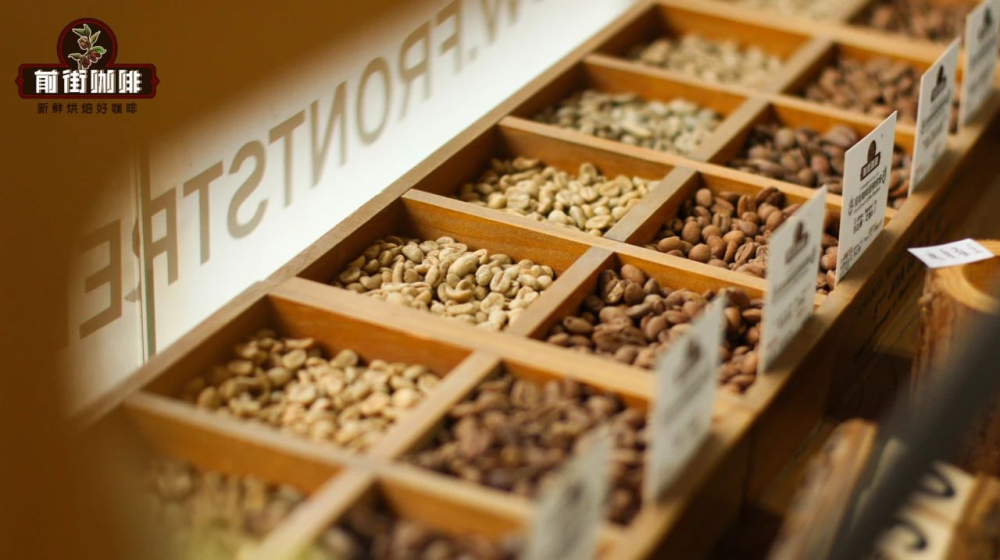
Looking across the entire coffee industry chain, roasting can be called one of the most fascinating processes. Untreated green beans have little flavor to speak of; if eaten directly, you would only taste a frown-inducing grassy, vegetal note. So what kind of heating transformation must they go through to turn unremarkable green beans into aromatic roasted beans? Next, using the entire process of roasting Yirgacheffe, Front Street Coffee will guide everyone step by step through the hidden secrets behind coffee roasting.
Simply put, judging whether a coffee is light roast or dark roast based only on the final color depth of the beans, or the length of time spent roasting, is usually inaccurate. The reason is that the same bean can be roasted either fast or slow, and differences in roasting rhythm (fast roast or slow roast) are enough to create completely different flavor presentations, even if the outward color of the two beans looks almost the same.
Coffee beans undergo many chemical changes throughout the roasting process, and quite a few of these reactions cause the bean weight to decrease, with moisture also being lost. Slow roasting usually takes 14-20 minutes to complete, and the weight loss ratio is relatively high (about 16%-18%); fast roasting can finish in as little as 90 seconds. For more expensive coffees, slow roasting generally better showcases their outstanding flavor layering.
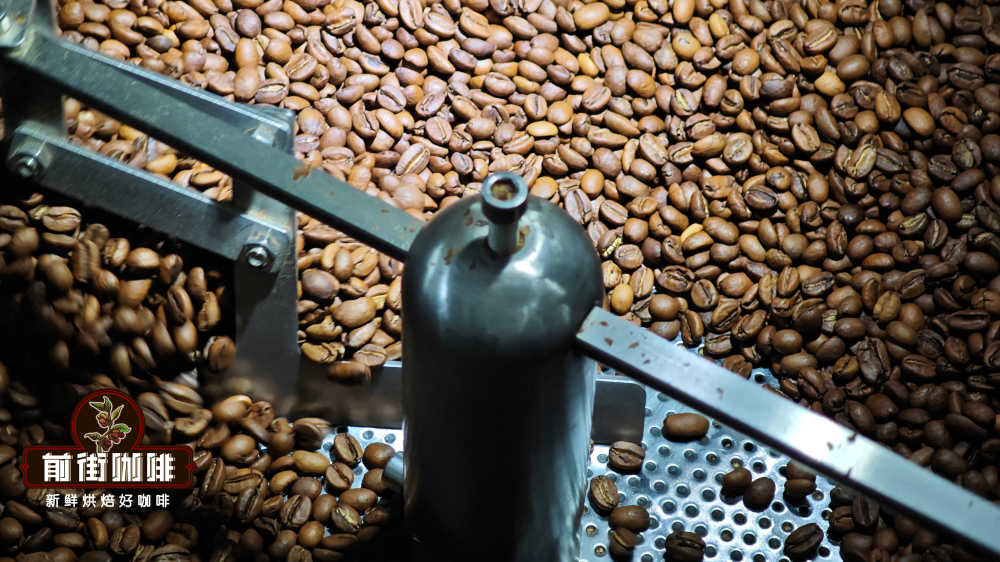
As far as roasting is concerned, the three major elements that ultimately shape coffee flavor are acidity, sweetness, and bitterness. Generally, the longer the entire roasting process lasts, the thinner the acidic substances remaining in the beans become; on the contrary, bitterness continuously accumulates as heating time extends, so the darker the roast level, the more bitter the beans taste.
There are several key stages during roasting, and what is often called a difference in roasting profile refers precisely to the rate at which the beans pass through these stages. Many roasters are accustomed to writing detailed records for each batch of beans, ensuring that later outputs can be replicated with very little deviation in both temperature and time.
Based on cracking phenomena, coffee roasting can be divided into two major types: first crack and second crack.
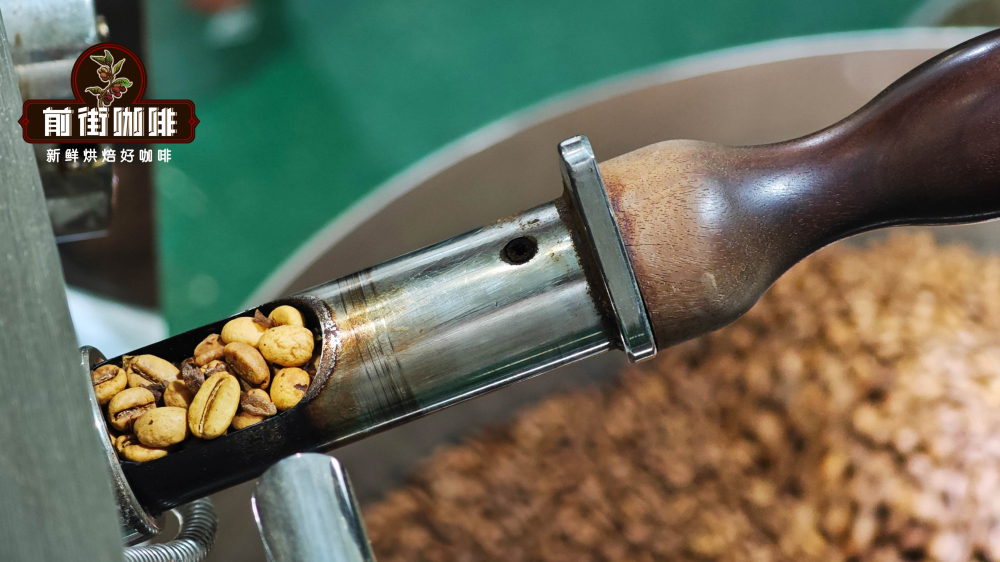
During roasting, as the roaster temperature keeps rising, water vapor and carbon dioxide gradually accumulate inside the beans. These gases cause the internal pressure of the beans to continue increasing, and the beans expand accordingly. When the expansion reaches a certain critical point, a crackling pop-pop sound emerges, sounding like popcorn bursting. This is commonly known as first crack. So-called first crack refers to the first destruction of the cellular structure inside the bean; second crack, then, is the second destruction of that structure. Because the beans continuously release gas while being heated, whenever gas accumulates, the bean body expands again, and a cracking sound similar to first crack is heard once more.
Light roast corresponds to the interval from halfway through first crack until first crack has just stopped. At this point, enzymatic action and the Maillard reaction are still only at the starting stage, and the organic acids in the beans have not yet been completely broken down, so the acidity is especially bright and striking, while bitterness is so weak it is almost imperceptible. This is particularly suitable for friends who prefer acidity.
At this stage, the bean's flavor is mostly concentrated in notes such as floral and fruity acidity, cinnamon, and grain.
Medium roast generally refers to the interval after first crack ends and before second crack begins. At this stage, caramelization intensifies, and its interweaving with the Maillard reaction becomes deeper. Although acidity remains, its intensity is far less pronounced than in light roast. Because acidity and bitterness achieve a better balance here, the clean sweetness instead stands out even more, making it especially smooth on the palate, and the main notes shift toward caramel and chocolate.
For specialty coffee, this roasting interval usually best brings out the bean's own strengths, so it is also the roast depth Front Street Coffee uses most often in daily practice.
Having said so much about the principles, let us now return to the core topic of this article: Yirgacheffe, from Ethiopia's star-producing region, is best paired with which roasting degree?
First, taking washed Yirgacheffe as an example, if you love rich floral aromas and layered fruity acidity, then Front Street would recommend choosing light roast or medium roast to present it;
Now looking at natural Yirgacheffe, it basically inherits all the advantages of washed Yirgacheffe, and compared with it, it also adds a little extra fruit aroma, while the intensity of acidity is not as sharp and obvious as washed Yirgacheffe.
Take Front Street's Yirgacheffe Red Cherry as an example. We set it as a medium-light roast—this depth can both fully bring out the strengths of this bean and preserve the body it should have as well as that distinctive fermented wine aroma.
Front Street's recommended brewing parameters: Dripper: V60 dripper Water temperature: 90-91°C Dose: 15g Coffee-to-water ratio: 1:15 Grind size: medium-fine grind (calculated by China Standard Sieve No. 20, 80% passing rate) Brewing method: staged extraction
The pouring stage uses a three-stage technique: after the timer starts, first pour 30g of hot water for blooming, lasting 30 seconds; then begin the second pour, adding water in a thin stream up to 125g. Once the coffee bed has settled by more than half, start the third pour, again using a thin stream up to 225g, then wait for extraction to finish, with the whole process controlled at around 2 minutes.
In terms of flavor performance, this cup of coffee offers layers of berry, lemon, strawberry, and fermented fruit aromas.
To keep getting information about coffee beans, welcome to follow the official account "Coffee Workshop" (WeChat ID: cafe_style); for professional coffee knowledge exchange and discussion, you can add the editor's WeChat: kaixinguoguo0925.
The above content is compiled by CoffeeHunters, a coffee news website.


