







Search Results for: puck water accumulation
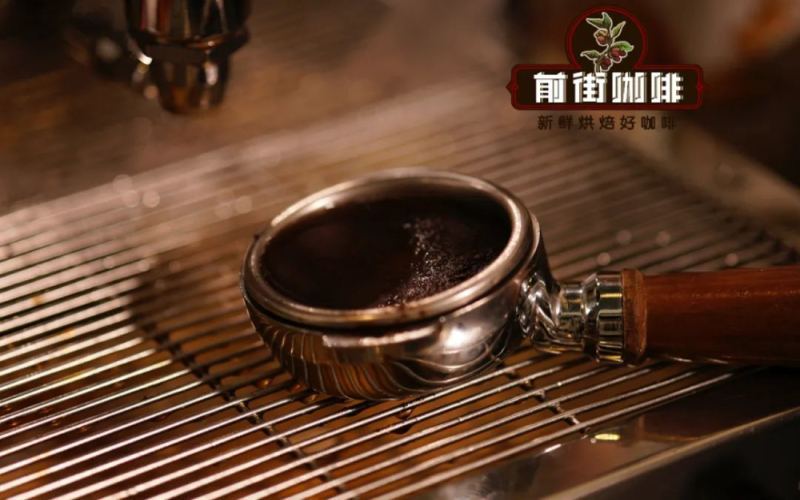
After espresso extraction, water pools in the portafilter basket? Analyzing the relationship between the basket, dispersion screen, and parameter adjustments
Many espresso enthusiasts have encountered this situation: after extraction, you remove the portafilter and find the puck wet and soft, unable to hold its shape, with a pool of water still sitting at the bottom of the basket. This is clearly not an ideal extraction state. Is the problem with the basket or the dispersion screen, or do the extraction parameters need adjustment? This article will analyze the possible causes of water accumulation one by one from the perspectives of grind size, coffee bean freshness, dose matching, group head cleanliness, and machine pressure, and provide corresponding solutions. The article will also share Front Street Coffee's dose control experience from daily dialing-in to help you find the root of the problem and return espresso extraction to a dry, intact puck state. [more…]
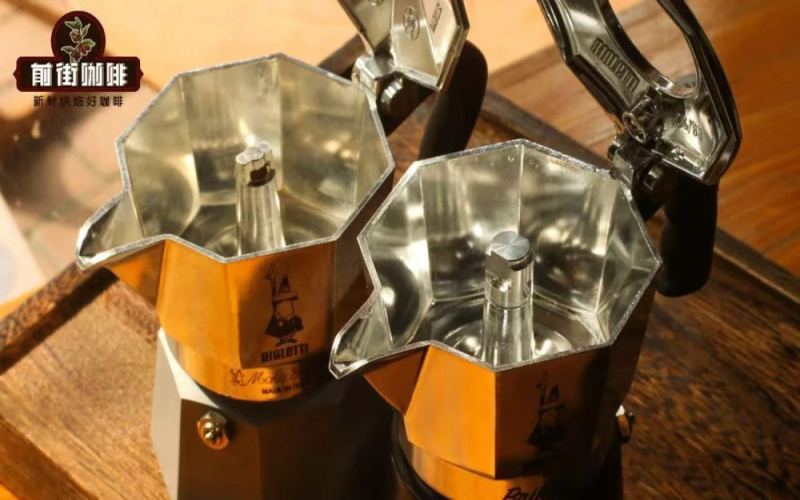
The Complete Guide to Crema Extraction with a Moka Pot: Bean Selection, Grinding, Water Temperature, and Pressure-Boosting Techniques Explained
Many Moka pot users are often puzzled by their inability to extract ideal coffee crema; in reality, this is closely tied to bean selection, grind size, water temperature control, and the pressure of the equipment itself. Drawing on Front Street Coffee's practical experience, this article systematically breaks down the nature of crema in the Moka pot and shares specific methods for enhancing its richness. The content covers tips for choosing fresh dark-roasted beans, key operating points for fine grinding and using hot water, and application techniques for double-valve Moka pots and pressurization accessories, helping coffee enthusiasts make a rich, full-bodied cup of Moka pot coffee at home. [more…]
The Complete Guide to Extracting Rich Crema with a Moka Pot: Principles, Bean Selection, and Operational Techniques Explained in Detail
Many moka pot users are puzzled by why the coffee they brew lacks that alluring golden crema, while the pictures shown by merchants always feature thick foam. In fact, the essence of moka pot crema is the same as the Crema of espresso—both are foam clusters formed by carbon dioxide wrapped in emulsified oils, except that the pressure a moka pot can provide is far lower than that of an espresso machine, resulting in coarser and thinner foam. Starting from the common questions in Front Street Coffee's back-office inquiries, this article first analyzes the essence and formation conditions of crema, then systematically shares practical methods to enhance the richness of moka pot crema, including coffee bean selection, grind size adjustment, water temperature control, and the use of a pressure valve, and recommends several Front Street Coffee brand coffee beans suitable for moka pots, helping you easily extract a satisfyingly rich crema. [more…]
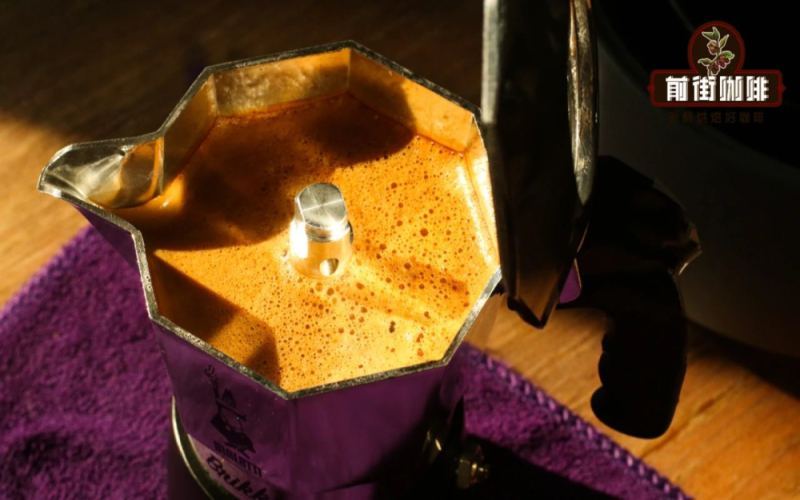
Moka Pot Espresso Brewing Tutorial: Coffee-to-Water Ratio, Step-by-Step Guide, and Crema Improvement Tips Explained
There are more and more moka pot enthusiasts, but many people are still puzzled that they cannot extract the ideal crema. In fact, crema is essentially a foam mass filled with carbon dioxide, and because the moka pot operates at a lower pressure (about 3 bar), its crema is relatively thin. This article starts with the causes of crema, then shares how to enhance the richness of moka pot coffee crema by selecting beans, adjusting to a finer grind, using hot water, reducing boiling time, and using a pressure valve, and recommends coffee beans suitable for the moka pot, such as Front Street Golden Mandheling SOE, Brazil Queen's Estate SOE, and the classic espresso blend, to help you make a rich and full-bodied cup of moka pot coffee. [more…]
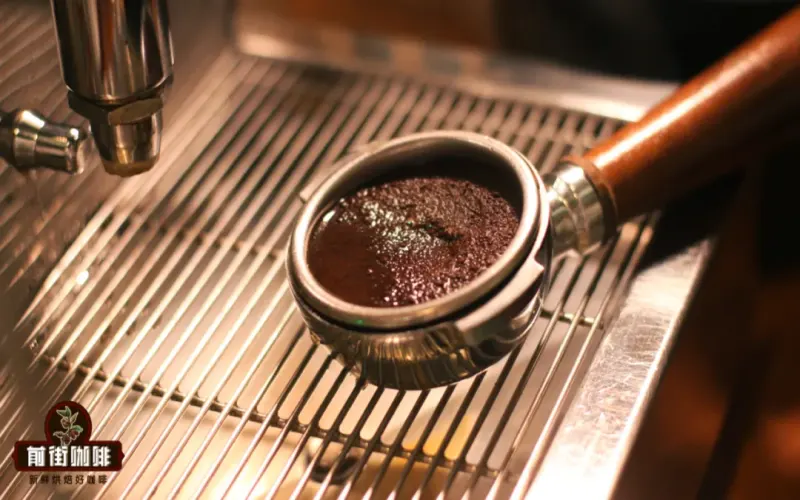
Analysis of the Causes of Watery Puck After Espresso Extraction: How Too Fine Grinding, Too Little Coffee Dose, and Insufficient Pressure Affect the Shot
When pulling espresso, you sometimes remove the portafilter and find a large amount of hot water left in the basket, with the puck wet, even loose and misshapen. This phenomenon not only affects consistency in the cup but also makes it hard to identify the root cause. Starting from the principles of espresso extraction and pressure release, this article systematically breaks down the three common causes of water pooling in the basket: grinding too fine, which impedes the flow of hot water through the coffee bed; using too small a dose, which leaves too much distance between the puck and the shower screen; and insufficient pressure on home machines, which weakens the back-suction effect. It also offers Front Street Coffee's adjustment suggestions to help coffee enthusiasts quickly pinpoint the problem and improve extraction flow rate and puck condition. [more…]
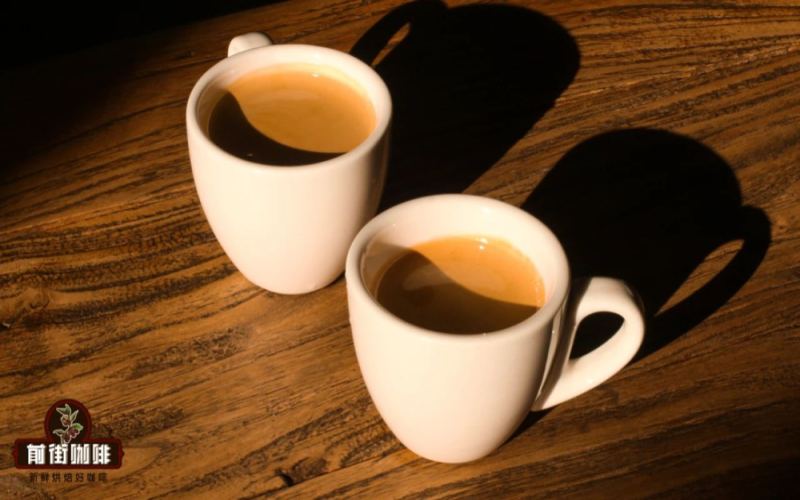
A Comprehensive Analysis of Espresso Puck Anomalies: Causes and Solutions for Channeling, Water Pooling, Clumping, and Extraction Imbalance
The extraction quality of espresso can be judged not only by flow rate, pressure, and time—the puck after extraction also reveals a great deal of key information. An ideal puck should be dry and level, structurally intact, and uniform in color. In practice, however, problems such as cratered surfaces, holes, standing water, loose structure, one half dry and the other half wet, or even a blackened bottom are all too common, and they often point to deviations in dose, grind size, distribution technique, or equipment pressure. This article systematically sorts out the manifestations and causes of six common puck abnormalities, offers targeted adjustment plans, and explains how to correct extraction through operations such as grinding finer while reducing dose, or grinding coarser while increasing dose, helping coffee enthusiasts consistently make a qualified espresso at home. [more…]
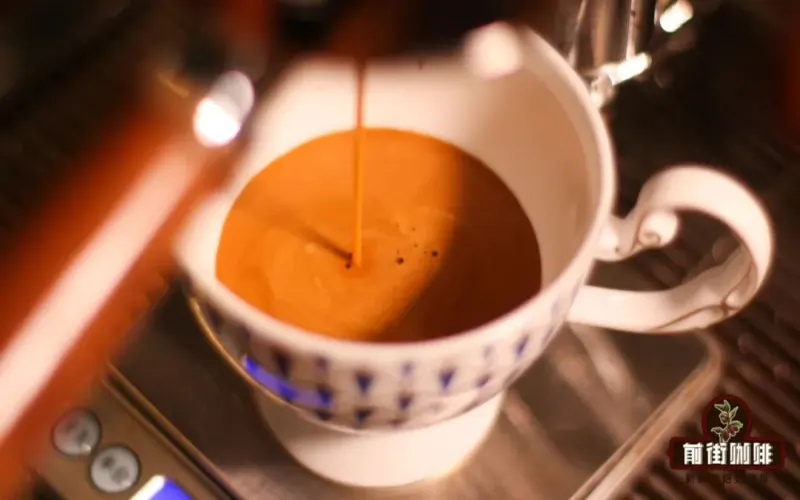
Espresso Extraction Troubleshooting: Causes and Solutions for Soggy Loose Pucks, Clumpy Crema, and Tiger Striping
When pulling espresso shots, have you ever encountered water pooling in the portafilter basket, a loose puck that won't hold its shape, or crema that clumps up quickly with tiger stripes appearing on the surface? Each of these phenomena actually has its own underlying cause. This article continues Front Street's series on common espresso extraction issues, breaking down key variables one by one—dose, grind size, coffee bean degassing, and fines distribution. From judging extraction evenness by puck condition, to understanding the relationship between crema clumping and coffee bean freshness, to clarifying whether tiger stripes really mean over-extraction, this guide helps you troubleshoot more accurately and adjust your parameters, making every espresso shot more stable and controllable. [more…]
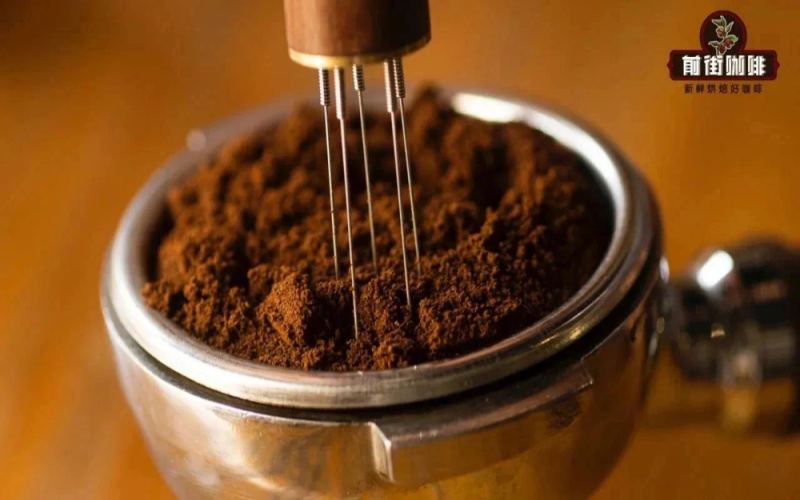
Why Does Espresso Distribution Determine Success or Failure? A Key Analysis of Even Distribution and Tamping Techniques
In the process of making espresso, distributing the coffee grounds is a seemingly simple yet crucial step. Whether the coffee grounds are evenly distributed within the portafilter basket directly determines whether channeling can be avoided during extraction, which in turn affects the final flavor of the coffee. Today, Front Street Coffee will take an in-depth look at the core purpose of distribution, common misconceptions, and the correct operating techniques, including details such as whether the portafilter basket needs to be tapped. By understanding the principle of water flow inertia and the potential channels at the edges of the puck, you will learn how to use gentle finger sweeps and side taps to get the coffee grounds into their proper places, thereby improving the even extraction and mouthfeel of your espresso. [more…]
The Complete Maintenance Guide to Cleaning and Backflushing Semi-Automatic Espresso Machines
If a coffee machine is neglected for a long time, its extraction performance and flavor will gradually deteriorate. This article is aimed at semi-automatic espresso machines equipped with an independent brew head, and systematically outlines an actionable maintenance routine, from daily external wiping, cleaning the dispersion screen and portafilter, to backflushing with a blind basket, deep cleaning with cleaning powder, and regular maintenance of the dispersion screen, gasket, and boiler. It also recommends beans suitable for espresso extraction, such as Front Street Classic Blend, Commercial Blend, Dark Cocoa Base Blend, and Specialty Blend, to help you maintain consistent output whether for a café or home use. [more…]
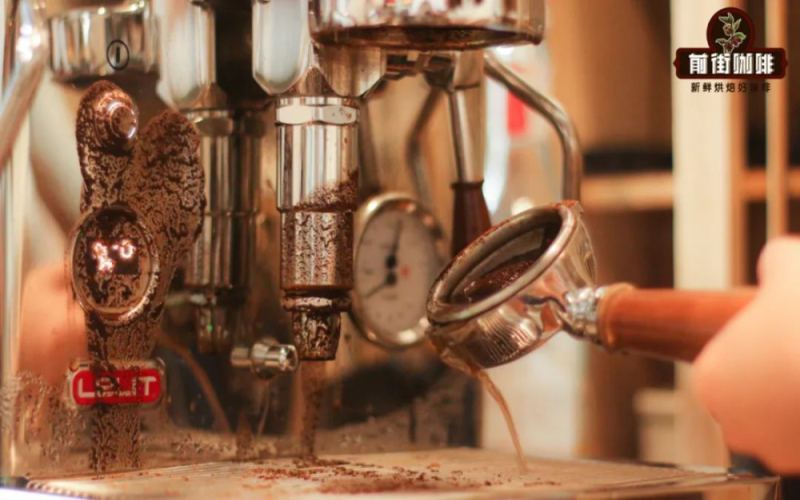
Why Does the Portafilter on an Espresso Machine Blow Off? Common Causes of Uncontrolled Extraction Pressure and How to Prevent Them
Front Street Coffee recently noticed that many coffee enthusiasts, when operating espresso machines, make some improper movements that cause the portafilter to suddenly fly out of the group head during or even after extraction, creating a scene that is both embarrassing and dangerous. This kind of machine blowout can, at best, dirty the equipment, and at worst, injure someone. What exactly causes the portafilter to be "blown" out? In this article, Front Street Coffee sorts out three common scenarios—when removing the portafilter, during espresso extraction, and when cleaning the coffee machine—analyzing one by one the causes such as improper pressure release, grinding too fine, overdosing, and not locking the portafilter tightly, and offering corresponding prevention and operating suggestions to help you enjoy espresso safely and steadily. [more…]
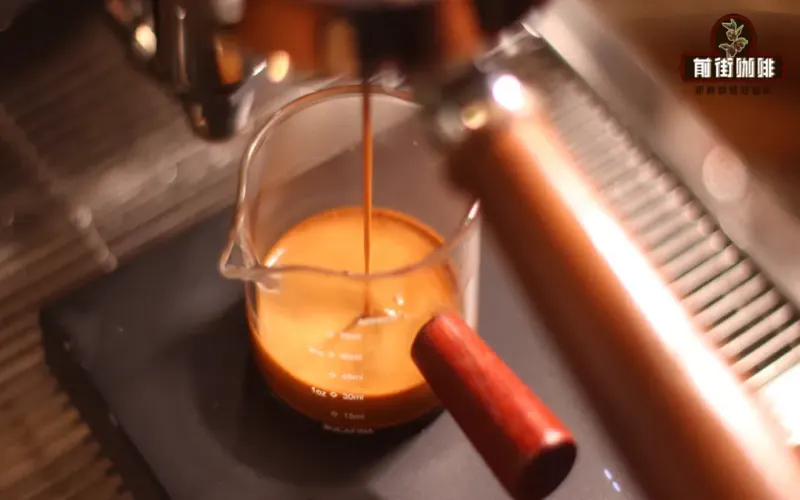
The Complete Espresso Extraction Process: Eight Key Details from Grinding to Serving That You Can't Overlook
An espresso from grinding to extraction often takes less than a minute; it seems simple, but in fact it hides quite a few subtleties. Many enthusiasts finally find an ideal set of extraction parameters during their morning dial-in, only to overlook details in subsequent operations, resulting in inconsistent output and a greatly diminished flavor. This article follows the actual order of operations and goes through, one by one, the easily overlooked points in eight stages: puck pressure, portafilter basket cleaning, observing the grounds condition, distribution and tamping, pre-flushing, knocking the portafilter, extraction timing, and cleanup afterward, helping everyone consistently get full-flavored, parameter-stable espresso on a home espresso machine. [more…]
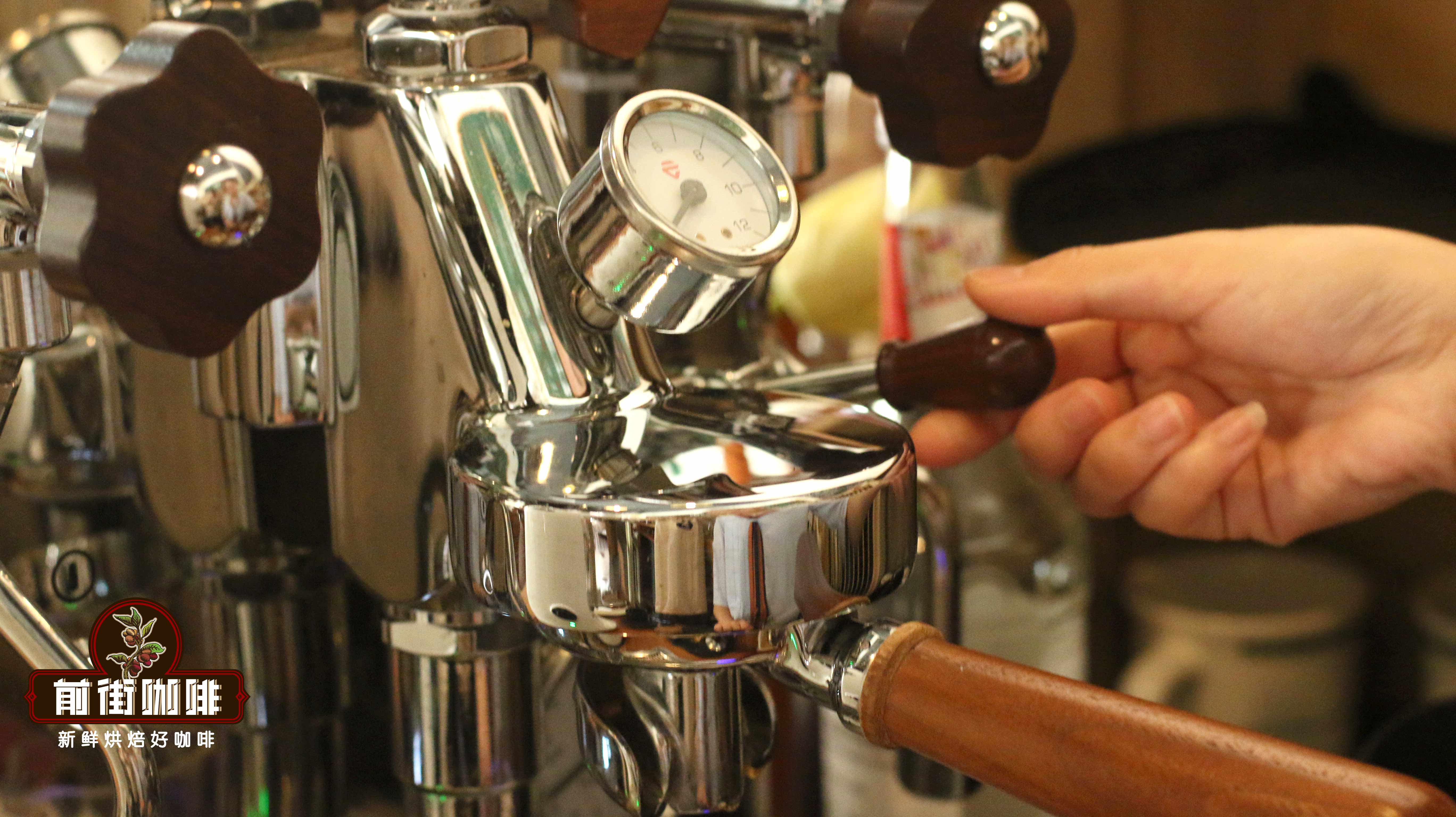
A Detailed Guide to Backflushing the Group Head of a Semi-Automatic Espresso Machine and Daily Maintenance Methods
The espresso machine is the core equipment of a coffee shop. Regular cleaning not only extends the machine's lifespan but also ensures the consistency of every cup produced. This article focuses on the key step of cleaning the interior of the group head, explaining in detail the specific procedures for quick cleaning, daily backflushing, and long-term maintenance. From judging residue on the dispersion screen to the backflush process using a blind basket with cleaning powder, and then to soaking the portafilter to remove oils, each step has clear requirements for timing and frequency. At the end, it also reminds readers that professional deep maintenance is needed every 1–2 years, making this a worthwhile reference for both coffee enthusiasts and industry professionals. [more…]
The Complete Espresso Extraction Process: Espresso Grinder Cleaning and Analysis of Eight Key Details
An espresso, from grinding to extraction, often takes less than a minute. It seems simple, but in reality it hides many variables that affect flavor. At Front Street, we repeatedly emphasize in our daily preparation that even if a perfect set of extraction parameters has been locked in during morning calibration, the final cup can still be greatly compromised if any operational step is slightly neglected. This article focuses on the complete process of making espresso with an espresso machine, sorting out one by one eight easily overlooked details—from hopper pressure, portafilter basket cleaning, and observing the grounds output, to distribution and tamping, pre-flushing, knocking the portafilter, extraction timing, and post-use cleaning—to help coffee lovers achieve consistent results and continually obtain the ideal espresso flavor. [more…]
Four Key Details for Pulling Espresso: Flushing, Removing the Portafilter, Heat Retention, and Group Head Cleaning
When pulling espresso, some seemingly insignificant operational habits can, over time, have a noticeable impact on coffee quality and machine lifespan. This article compiles four easily overlooked details: why you should flush hot water before extraction, why you should remove the portafilter promptly after extraction, what hidden risks arise from leaving the portafilter locked in the group head for long periods, and how to clean the gaps in the group head. Each detail comes with specific reasons and operational advice to help coffee enthusiasts develop more standardized extraction habits, making every shot of espresso more consistent and cleaner. [more…]
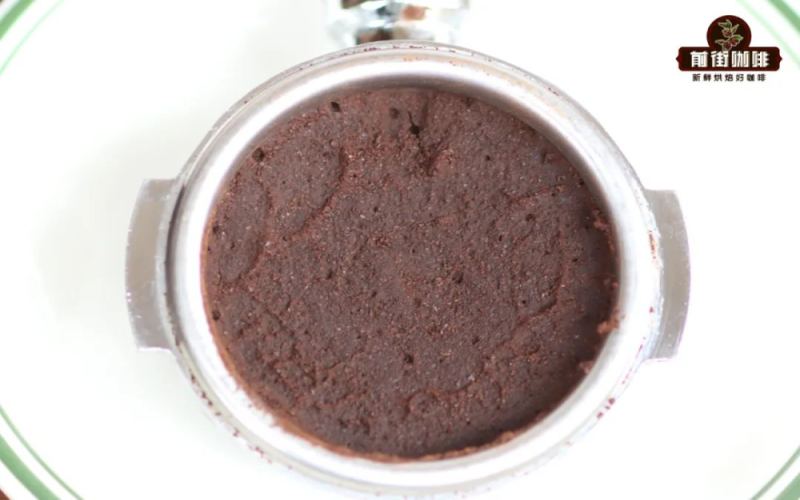
Espresso Preparation: A Comprehensive Analysis of Distribution and Tamping Details and Channeling Prevention
Extracting a qualified espresso—the real contest begins before the portafilter is even locked in. As the core steps of the preparation stage, distribution and tamping directly determine whether the coffee puck can withstand the impact of 9 bar of high-pressure water. Once the powder layer is uneven in density or not compacted properly, hot water will find the path of least resistance and punch through, forming what is known as "channeling," which leads to uneven extraction and an unbalanced flavor profile. This article will break down the standard operating process step by step, from dosing to distribution to tamping, compare the respective pros and cons of manual distribution and distribution tools, and share Front Street Coffee's professional advice on common pitfalls, helping you consistently reproduce a cup of espresso with distinct layers at home. [more…]
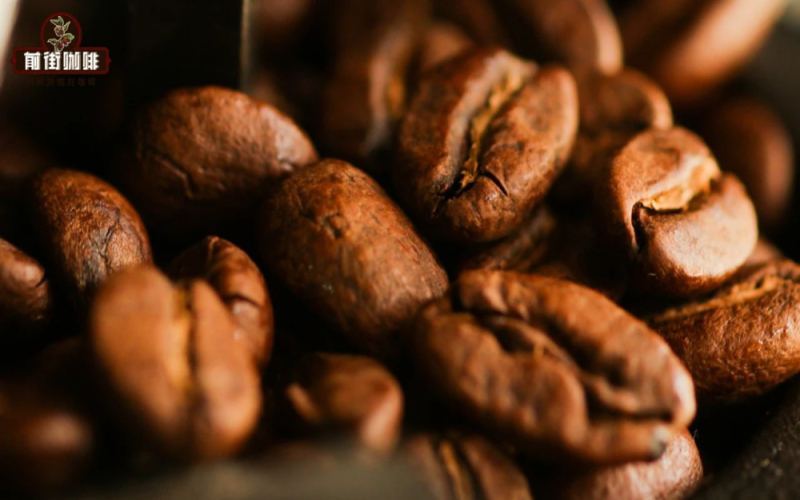
Espresso Extraction Guide: Water-to-Coffee Ratio, Grind Settings, and Key Points for Parameter Adjustment
To consistently pull a delicious espresso at home or in a café, the brew ratio and grind size are two core variables you can't avoid. Drawing on the hands-on experience of Front Street Coffee, this article systematically breaks down the extraction logic of espresso: why parameters need to be re-dialed in every day, how dose and basket should match, what range the ratio should fall within, how flow rate and time constrain each other, and the real impact of pressure and water temperature on flavor. The article also provides a specific extraction recipe and flavor description for Front Street's Sunflower Warm Sun blend, helping readers turn abstract parameters into flavors they can actually perceive in the cup. [more…]
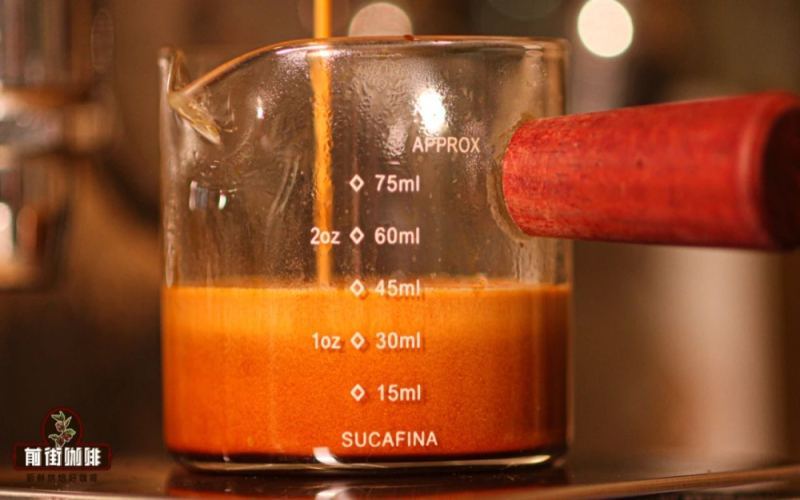
A Guide to Espresso Extraction Time and Pressure Adjustment: Complete Parameter Settings from Dose and Ratio to Flow Rate
Espresso extraction has never been something that can be solved with a fixed formula. The freshness of the coffee beans, the grind size, the brand and model of the espresso machine, the extraction pressure, and the stability of the water temperature—every one of these variables will cause the final cup's flavor to deviate. Precisely for this reason, in its educational articles Front Street Coffee rarely gives an exact extraction time figure the way it does for pour-over. This article will start from the dimensions of dose, coffee-to-water ratio, extraction time, flow rate, pressure, and water temperature, systematically sorting out how to customize a suitable espresso extraction plan for the blend in your hands, and will also introduce the methods for measuring and calculating espresso concentration and extraction yield, helping you find your own cup of good coffee within the Golden Cup reference range. [more…]

A Complete Guide to Espresso Extraction Parameters: Customizing Dose, Ratio, Time, and Grind Size
Espresso extraction is not something that can be mastered with a fixed formula. The freshness of the coffee beans, the grind size, the brand and model of the espresso machine, the extraction pressure, and the stability of the water temperature all cause the same bean to present completely different flavors in different hands. This article starts from the dimensions of dose, brew ratio, extraction time, flow rate, pressure, and water temperature, systematically explaining how to customize a suitable espresso extraction plan for the blend of coffee beans you have on hand. It also introduces how to troubleshoot and adjust one by one when the flow rate is abnormal, and how to use a concentration tester to calculate the extraction yield and determine whether it falls within the golden cup range. The article uses the "Warm Sun" blend from Front Street Coffee as an example, providing specific parameter references, and is suitable for coffee enthusiasts who wish to refine their espresso skills. [more…]
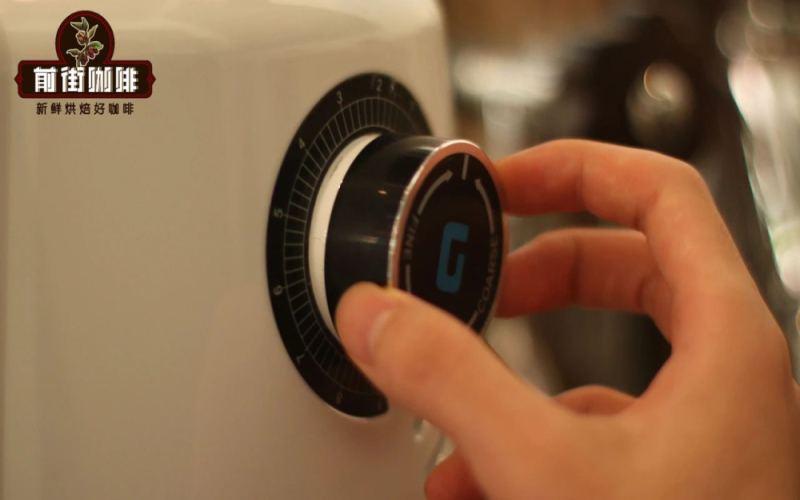
Espresso Grinder Grind Size Adjustment Guide: A Complete Step-by-Step Process from Judging the Powder to Dialing In an Electronic Grinder
To pull a proper espresso, adjusting the grinder's grind setting is an unavoidable daily task. Why do cafes need to adjust the grind so frequently? How does the coarseness of the grounds affect water flow and extraction time? And how do you tell whether the grind is right? This article starts with why grind adjustment is necessary, then breaks down the specific tuning methods for ordinary grinders and electronic grinders, including the linked relationship between dose and grind level, the ideal gap between the puck and the water outlet, and other details, and shares practice ideas for water-to-coffee ratios, to help you consistently recreate a delicious espresso at home. [more…]
A Complete Guide to Espresso Extraction: Practical Control Methods for Dose, Ratio, Time, and Grind Size
Want to make a balanced espresso at home but keep struggling with unstable flow rate and flavors that swing between sour and bitter? The truth is, there is no one-size-fits-all fixed parameter set for espresso extraction—coffee bean condition, grinder performance, machine pressure, and water temperature can all skew the results. This article approaches the topic from six dimensions—dose, brew ratio, extraction time, flow rate, pressure, and water temperature—and systematically explains how to customize a suitable extraction plan for the blend you have on hand, with specific references based on Front Street Coffee's classic blend and Strawberry Candy Espresso. It also includes methods for measuring espresso concentration and extraction yield to help you use golden cup data as a guide for adjustments, so you can ultimately find the cup you truly enjoy. [more…]