







To consistently make a delicious espresso at home or in a café, the water-to-coffee ratio and grind size are two core variables that cannot be avoided. Drawing on Front Street Coffee's hands-on experience, this article systematically breaks down the extraction logic of espresso: why parameters need to be re-dialed in every day, how dose and portafilter basket should match, what range the ratio should fall within, how flow rate and time constrain each other, and the actual impact of pressure and water temperature on flavor. The article also provides the specific extraction recipe and flavor description for Front Street Coffee's Sunflower Warm Sun blend, helping readers translate abstract parameters into perceptible flavors in the cup.
Espresso relies on high pressure to complete extraction quickly, and a traditional single shot of espresso is about one ounce in volume. Since the third wave of coffee, many specialty cafés have adopted their own distinct extraction recipes to showcase the flavor personality of blend or single-origin beans. When extracting the Sunflower Warm Sun blend espresso, Front Street Coffee uses 9 bar of pressure and a water temperature of 90 to 94 degrees Celsius, extracting 40g of coffee liquid from 19-20g of grounds in 25s to 30s.
First, Front Street suggests dialing in espresso extraction parameters every day
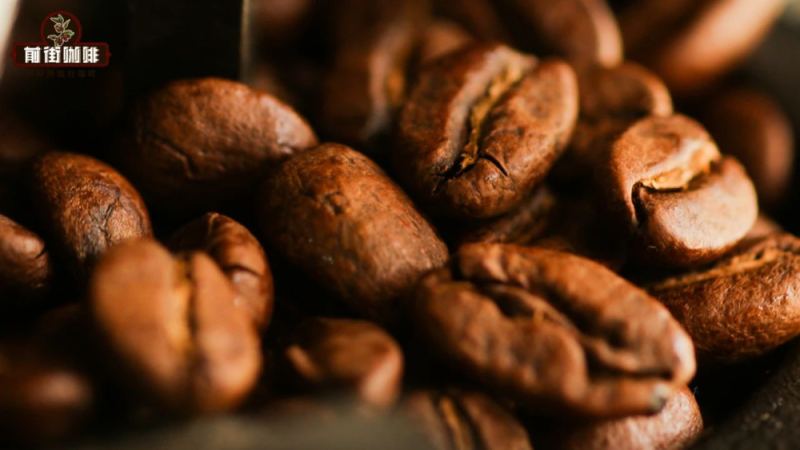
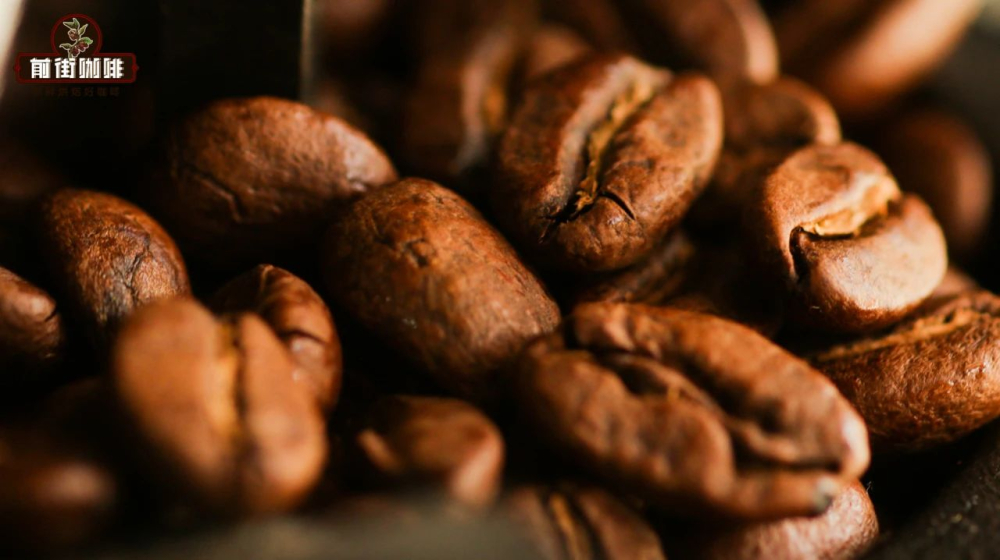
Every day after coffee beans finish roasting, their flavor direction changes. Front Street Coffee typically recommends resting espresso beans for 7 days before use, because espresso beans are mostly dark roasted—the darker the roast, the more carbon dioxide accumulates inside the beans, and these gases influence the thickness of the crema and the flavor presentation of the espresso.
After the resting period ends, carbon dioxide and flavor compounds continue to dissipate day by day, which means that an espresso that tastes good with today's settings does not guarantee the same flavor can be reproduced with the same parameters tomorrow. Therefore, recalibrating espresso extraction parameters every day is essential.
How to adjust espresso extraction parameters
First, figure out which item has the highest sales in the shop. Different coffee items each have their own espresso base recipe, and it is unrealistic to accommodate all of them at once. As things stand, lattes and Americanos are still the leading espresso drinks ordered in cafés, rather than straight espresso. From this it is clear that if you dial in parameters solely around espresso itself, chasing espresso's standalone performance, and then apply that to other espresso drinks, you are somewhat putting the cart before the horse. So it is more advisable to adjust the espresso parameters separately for a milk coffee and for an Americano.
So how should the meaning behind these extraction parameters be understood?
|Dose
The dose is largely determined by the basket size, and it is not recommended to use much less or much more than the basket's capacity. The dose changes the density of the puck: under the same tamping force, too little coffee makes the puck loose, the flow rate runs fast, and under-extraction easily occurs; too much coffee makes the density higher, the flow rate slows, and it may even be difficult to extract coffee liquid. When Front Street extracts espresso, it uses 20g of grounds to get 40ml of coffee liquid—this is a double shot; a single shot is 7-8g of grounds extracted into 15ml of coffee liquid.
|Ratio
The ratio here refers to the ratio of coffee grounds to coffee liquid, usually falling between 1:1.5 and 1:2.5, with 1:2 being more common. For example, Front Street's extraction ratio is 20g of coffee grounds to 30g of coffee liquid. The ratio is driven by two factors, dose and water amount: if the ratio is low, the coffee tastes overly heavy and thick, easily bringing out over-extracted bitterness; if the ratio is high, it appears thin and bland, accompanied by the sharp acidity of under-extraction.
|Time
Time refers to the entire process from locking in the portafilter and pressing the extraction button to the end of extraction. Two factors influence extraction time: one is grind size, and the other is ratio. Ratio is relatively easy to understand: the higher the ratio, the more water is needed, and the time is naturally stretched out. Grind size determines the coarseness of the coffee grounds, and coarseness directly affects the compactness of the puck—the finer the grounds, the tighter the puck after tamping, the harder it is for water to penetrate, and the longer the time, easily heading toward over-extraction.
|Flow rate
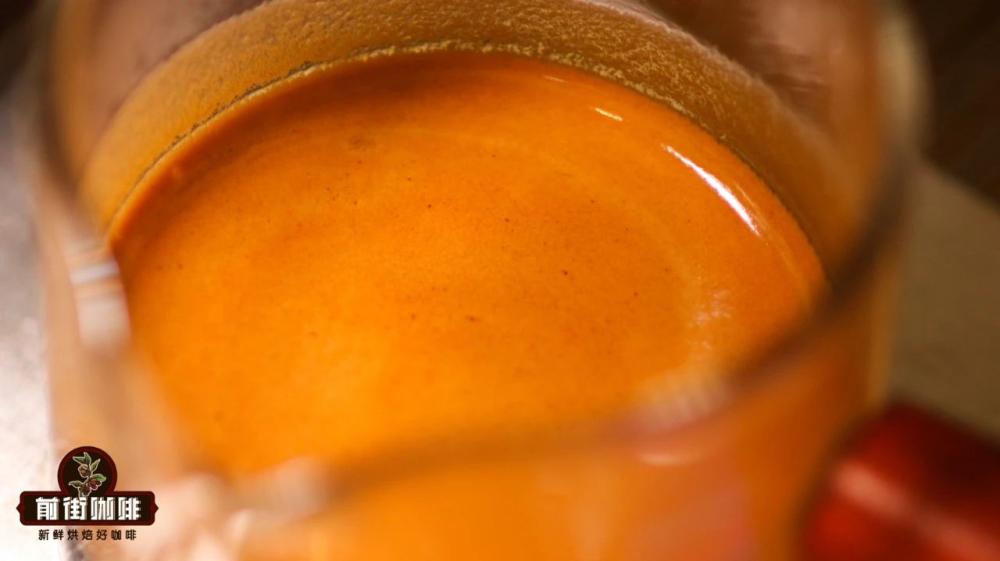
Flow rate is the speed at which the coffee liquid flows out. All the parameters we set are ultimately meant to achieve an ideal flow rate result. Espresso should drip its first drop of coffee liquid at the fifth second after pressing the extraction button, and maintain even extraction, for example receiving exactly 34g of coffee liquid at 30s. The flow rate directly reflects whether the grind size and ratio are properly matched.
|Pressure
Pressure is maintained at an average of around 9 bar, which is determined by the machine's performance. If pressure is insufficient, extraction efficiency drops; if pressure is too high, over-extraction easily occurs.
|Water temperature
Water temperature is generally controlled between 90 and 94 degrees Celsius. Too high a temperature easily causes over-extraction, making the coffee taste bitter; too low a temperature easily causes under-extraction, resulting in sharp acidity in the coffee.
Front Street's current espresso offering is a blend of Ethiopian natural Red Cherry coffee beans and Honduras whisky-barrel-fermented Sherry coffee beans, blended at a 3:7 ratio, with both beans roasted to a medium-dark level by Front Street's roaster. The espresso extracted from this blend has a rich wine aroma, soft acidity, and a nutty, cocoa-like finish.
How does Front Street extract this Warm Sun blend coffee?
Pressure: 9 bar
Temperature: 90~96℃
Time: 25~35 seconds
Dose: 20g (double espresso)
Extraction yield: 40ml
Extracted espresso flavor: smooth mouthfeel, medium body, noticeable fruit acidity on the entry, accompanied by a faint berry aroma and whisky notes, rich chocolate flavor, and a clear sweet aftertaste.
The above content is compiled by CoffeeHunters, a coffee news website.


