





Does Coffee Grind Level Explain a Wet and Loose Espresso Puck
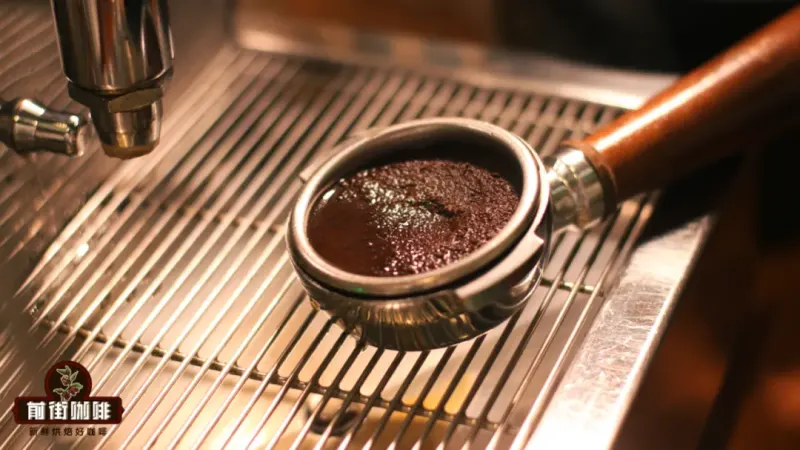
A wet, loose espresso puck usually comes down to three things: grinding too fine, dosing too little coffee, or a home machine with weak pressure release. When particles get smaller, water cannot pass through the coffee bed fast enough, so hot water stays in the basket after the shot. Too little coffee leaves the puck sitting far from the dispersion screen.
Start with coffee grind level: move the grinder one step coarser, keep the dose consistent, and watch how the puck and flow rate change. If the grind is already coarse and the puck is still wet, the machine may lack back-suction. Checking extraction pressure and release behavior helps isolate the cause, and the same logic applies when learning how to use an American coffee machine at home.
When extracting espresso, sometimes after removing the portafilter you'll find a large amount of hot water remaining in the filter basket, with the puck wet and even loose and misshapen. This phenomenon not only affects consistency of the output but also makes it hard to identify the root cause. Starting from the principles of espresso machine extraction and pressure release, this article systematically breaks down the three common causes of water pooling in the filter basket: grinding too fine, which obstructs hot water passing through the coffee bed; using too little coffee grounds, which places the puck too far from the dispersion screen; and insufficient pressure in home machines, which weakens the back-suction effect. It also offers Front Street's adjustment suggestions to help coffee enthusiasts quickly pinpoint the problem and improve extraction flow rate and puck condition.
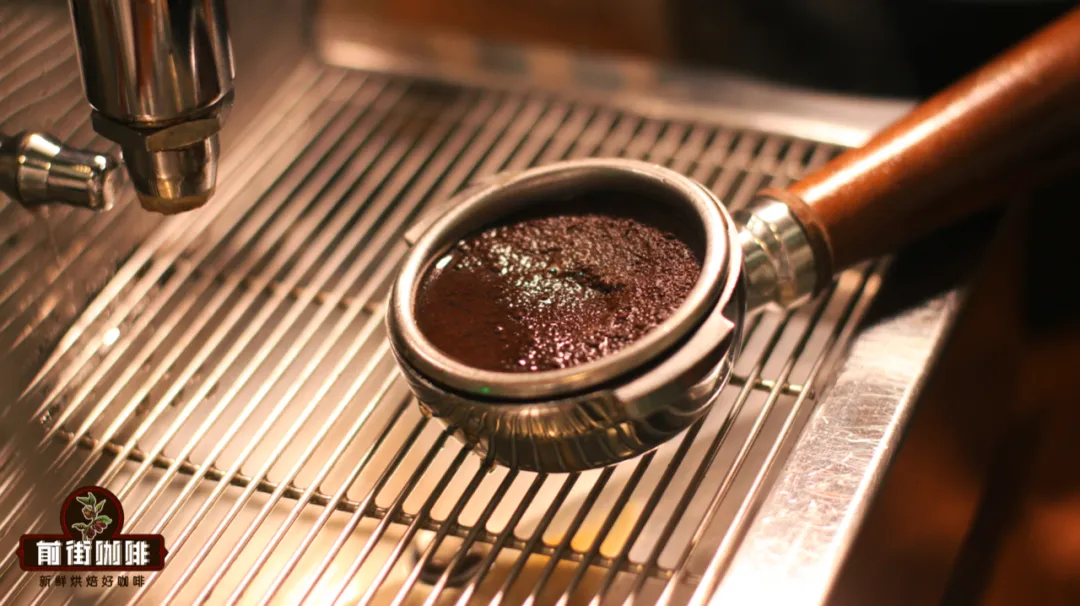
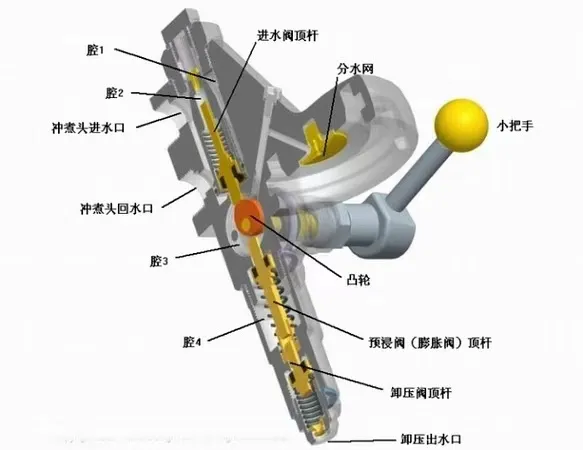
The extracted espresso isn't necessarily bad-tasting, but the probability of problems occurring is indeed quite high. Therefore, we need to find the root cause and make adjustments in time. First, let's briefly review how an espresso machine operates: after locking in the portafilter and pressing the extraction button, the machine forces pressurized water through the puck to complete extraction. When extraction ends and the button is turned off, the pressure release valve opens immediately, creating reverse pressure internally that expels the excess hot water from the filter basket through back-suction.
Once water pools in the filter basket, it means the coffee machine failed to fully suck away the remaining hot water in the basket, so after removing the portafilter you see a large amount of water left behind. There are three causes for this situation, and the first two are the more common types according to Front Street: grinding too fine and using too little coffee grounds.
Grinding too fine
When the grind is on the fine side, hot water passes through the coffee bed noticeably more slowly, because as particles get smaller, the gaps through which hot water can pass also narrow. If the grind is fine enough, the coffee liquid may even only come out in drips.
In this state, a large amount of hot water accumulates in the filter basket after extraction ends. Once extraction stops, much of the hot water, unable to pass through the puck due to the gaps being too small, has no pressure assistance and can only remain in the basket; back-suction can't remove it all either, so you see obvious water pooling when you remove the portafilter. At the same time, a puck with excessive moisture content loses structural stability, and naturally appears very loose when knocked out. In other words, the finer the coffee is ground, the more prone to water pooling it becomes; when water pooling occurs, you can observe the extraction time of the coffee liquid to determine whether it's caused by grinding too fine.
Using too little coffee grounds
Each filter basket, due to different capacities, has its own optimal load. When the coffee grounds used are far below the basket's recommended dose, the puck, being too thin, is separated from the dispersion screen by a greater distance.
When the puck is too far from the dispersion screen, not only does extraction become harder, but the dispersion screen also cannot suck all the hot water out of the basket during the pressure release phase, because there is simply too much residual hot water—this is what causes the pooling. Therefore, Front Street recommends keeping the dose used for extraction within a small range of fluctuation around the basket's recommended dose.
3. Insufficient pressure
The shortcoming of insufficient pressure often appears in some home machines, because many home machines don't supply pressure steadily. Although they can provide relatively high pressure at first, it drops sharply before long, like a roller coaster. Pressure level determines the strength of back-suction: the lower the pressure, the weaker the back-suction, and naturally it can't suck all the hot water out of the basket.
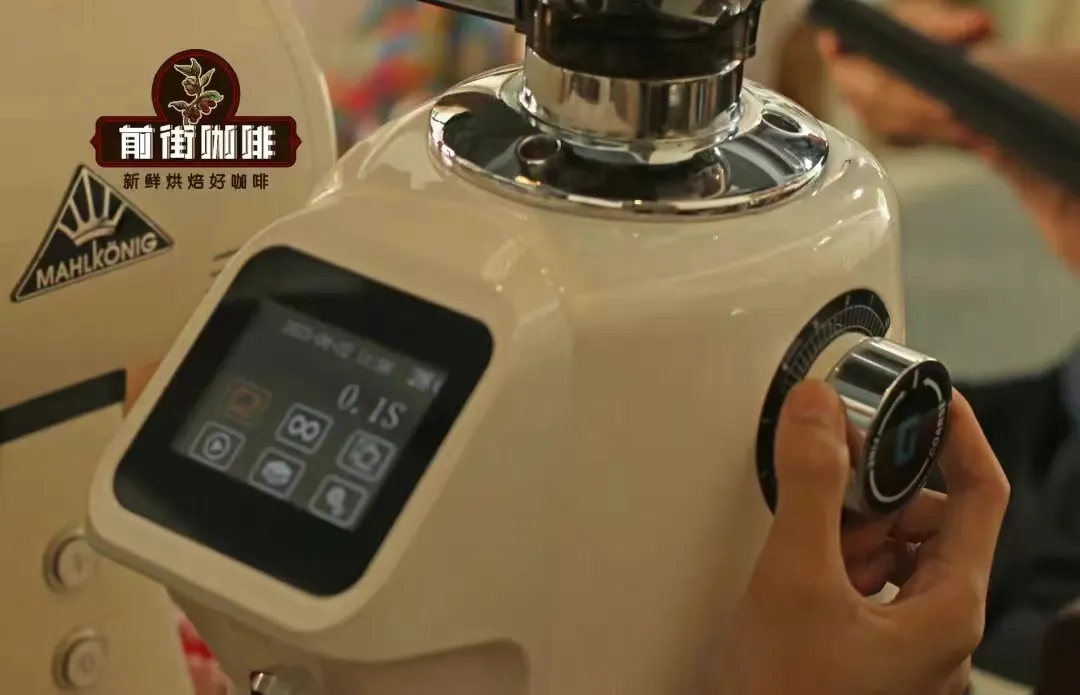
In addition, the coffee machine's pressure can also be unstable right after being turned on. But this is a normal phenomenon—just preheat for 20–30 minutes and the pressure will stabilize.
The above content is compiled by CoffeeHunters, a coffee news website.


