







Can a Moka Pot Really Produce Crema?
A moka pot can produce crema, but it is thinner and coarser than espresso crema. The reason is pressure: a moka pot generates far less than an espresso machine, so the carbon dioxide foam is less stable. To improve results, use dark-roasted fresh beans, a fine grind, and preheated water. Double-valve models and pressure-boosting accessories also help, though the layer will still differ from espresso.
Crema is a foam of tiny carbon dioxide bubbles that form under high-temperature, high-pressure extraction. Because moka pots operate at lower pressure, the crema they yield is lighter and fades faster. Practical steps include filling the basket level without tamping hard, keeping the heat moderate, and removing the pot from the stove as soon as the flow turns pale. Freshness of the coffee remains the biggest single factor.
Many moka pot users are often puzzled by their inability to extract ideal coffee crema. In reality, this is closely related to coffee bean selection, grind size, water temperature control, and equipment pressure. Drawing on Front Street's practical experience, this article systematically analyzes the nature of moka pot crema and shares specific methods for enhancing its richness. The content covers recommendations for selecting dark-roasted fresh beans, key operational points for using fine grinds and hot water, and application techniques for double-valve moka pots and pressure-boosting accessories, helping coffee enthusiasts make a rich, full-bodied cup of moka pot coffee at home.
As moka pots continue to grow in popularity among coffee enthusiasts, the related inquiries received by Front Street's back office have also been increasing. Among the many questions, those about crema extraction appear most frequently. Even now, "Why can't I extract crema with my moka pot?" remains the most common moka pot confusion in our messages.
Similar to the situation with espresso, many friends find that the coffee they make with a moka pot either has no crema at all or only a thin layer, falling far short of the promotional effects shown by online merchants. Don't worry—today Front Street will discuss how to get a rich crema from your moka pot. But before we start, we need to first understand what that golden layer of crema actually is.
What is the nature of crema?
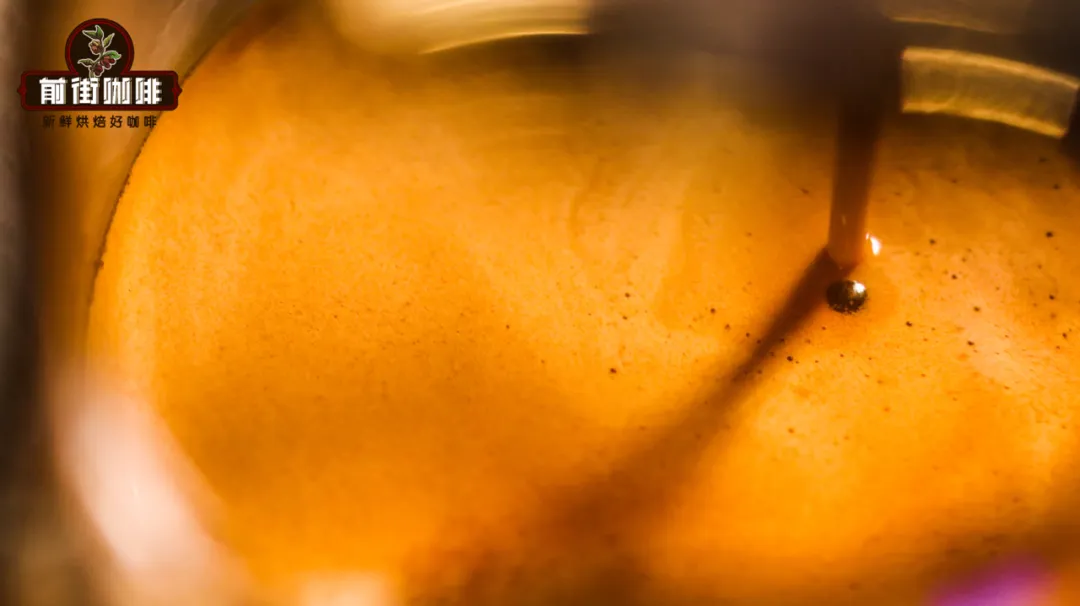
The fundamental reason many people can't extract a rich crema is a lack of correct understanding of its nature. What we commonly call "coffee crema" usually refers to the thick, cream-like substance floating on the surface of espresso. Although the name contains the word "crema," it is actually a collection of foam filled with carbon dioxide. It's just that individual bubbles are so tiny that it's hard to distinguish with the naked eye that this golden layer is actually made up of countless bubbles.
The "crema" extracted by a moka pot works the same way, except that compared to espresso, its crema is coarser and thinner. The reason lies in the fact that the pressure provided by a moka pot during extraction is far less than that of an espresso machine. Coffee crema is a special product that can only be produced under high-temperature, high-pressure extraction conditions. Pressure forces the carbon dioxide trying to escape from the coffee into the emulsified coffee lipids, and the lipids quickly wrap around the carbon dioxide, forming bubbles.
Espresso machines typically provide an average pressure of around 9 bar, which is why the crema they produce is so dense and rich. A moka pot, however, provides only about 3 bar of pressure—three times less or even more compared to an espresso machine—so the crema it extracts is relatively coarse and thin. Because of this, many people simply call it foam to distinguish it from the rich crema of espresso.
But whether it's crema extracted by an espresso machine or a moka pot, it is essentially a mass of carbon dioxide-filled foam. Whether crema is present or not has little effect on the taste of the coffee (it does have an effect, but mainly on mouthfeel). This is something everyone should understand.
Next, Front Street will explain how to extract a rich crema from your moka pot coffee.
1. Choose the right coffee beans
Since crema is formed by carbon dioxide, the carbon dioxide content in coffee beans will naturally affect how rich the crema is. What determines the carbon dioxide content in coffee beans is mainly the roast level and freshness. The darker and fresher the roast, the higher the carbon dioxide content, and the richer the crema extracted.
Therefore, if you want your moka pot coffee to have a rich crema, you should first choose darker-roasted, fresher coffee beans.
For a full-bodied taste, we recommend Front Street. Golden Mandheling; if you like mixed nut and cream notes, choose Front Street. Brazil Queen's Estate; if you want to produce a rich crema and improve your success rate, buy the beginner's essential Front Street. Front Street Classic Blend.
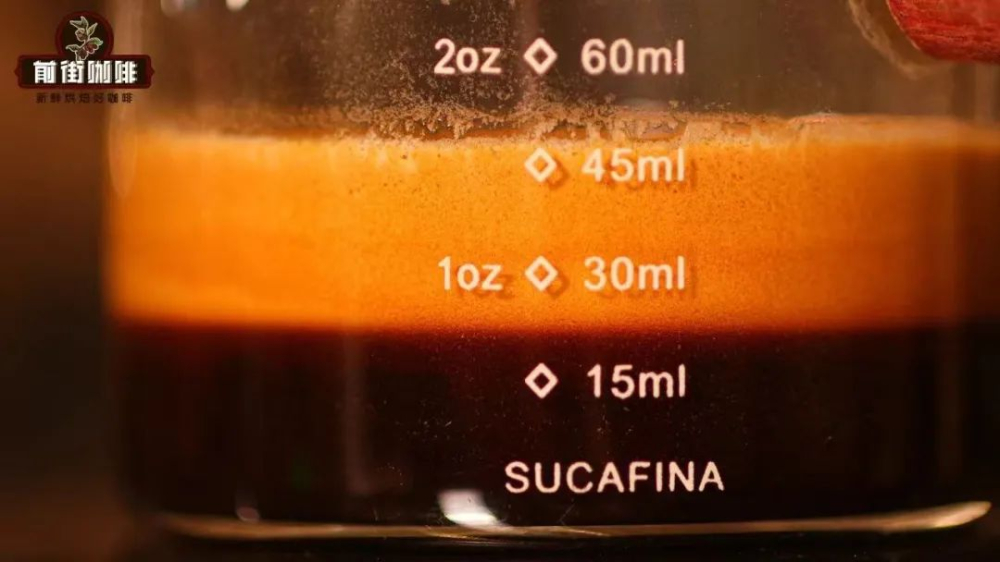
These beans not only extract a very rich crema, but because they are dark-roasted, the coffee they produce has intense chocolate, caramel, and other flavors that are not easily masked by milk, making it easy to create a rich milk coffee.
However, if you don't particularly like bitterness, Front Street recommends choosing slightly lighter-roasted beans, that is, medium-dark roast level coffee beans.
2. Increase the pressure during extraction
Once you've chosen the right coffee beans, it's time for the brewing process. As Front Street mentioned earlier, the amount of crema is also affected by pressure. Only with sufficient pressure assistance during extraction can the coffee obtain a rich crema. Here are several ways to increase extraction pressure for your reference.
① Use a finer grind: Just like with an espresso machine, the amount of pressure depends on the resistance of the coffee puck. The higher the puck resistance, the more pressure the hot water needs to break through the puck and complete extraction. Puck resistance comes from the coarseness of the coffee grounds—the finer the grind, the smaller the gaps between particles, and the higher the puck resistance.
So if you want to increase the pressure during moka pot extraction, adjusting to a finer grind is an excellent choice. Front Street generally uses the same grind setting as for espresso, that is, a flour-like grind. This gives the puck quite high resistance, and with proper extraction, the moka pot coffee will yield a very rich crema. In addition, increasing the dose can also increase puck resistance, because hot water needs to pass through a thicker layer of coffee, naturally requiring more pressure.
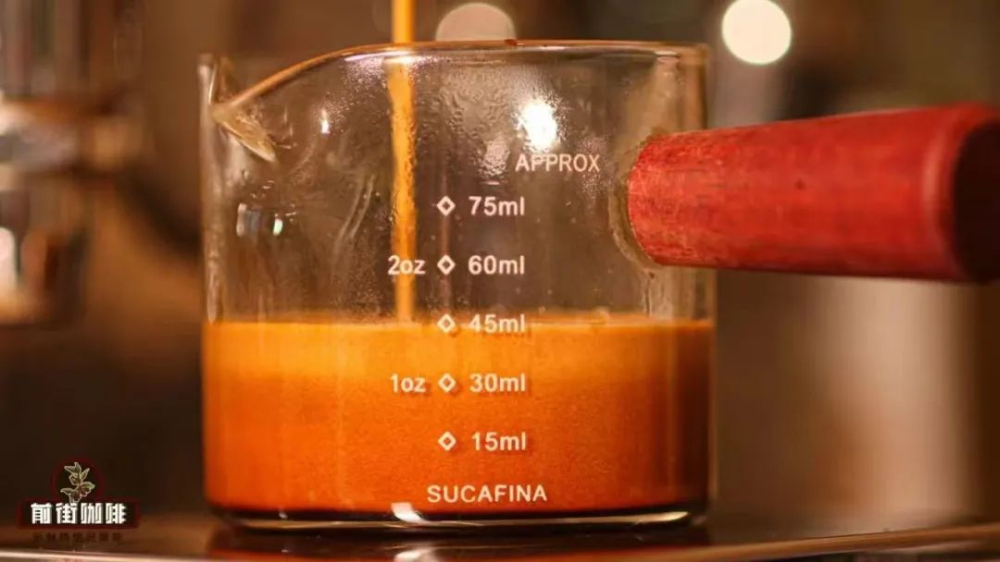
② Reduce heating time: When making moka pot coffee, try to use hot water. The extraction principle of a moka pot is to heat the water in the lower chamber to produce steam; the steam continuously accumulates inside the pot, creating steam pressure that pushes the hot water upward until it contacts the coffee and completes extraction.
However, steam is not only produced when water boils. During the heating process, steam has already formed and pushed hot water into contact with the coffee grounds—it's just that at that point the steam hadn't yet accumulated enough to push the hot water to the point of outflow. The initial water temperature determines the length of extraction time. If the water and coffee grounds are in contact for too long, it will change the state of the puck and reduce its resistance. Not only that, but the coffee will also develop bitterness because some grounds are in contact with water for too long.
So when making moka pot coffee, the higher the water temperature poured into the lower chamber, the better. This effectively shortens the heating time, allows the puck to have higher resistance, and thus extracts a richer crema. Of course, the most important thing is that it reduces variables during extraction.
Once the moka pot starts to output, it's best to reduce the heat, or simply remove the moka pot from the heat source after the coffee liquid covers the bottom. This extends the extraction time, allowing the coffee to extract more steadily, and the crema will be relatively richer and finer.
③ Use a moka pot with a pressure valve: In addition to parameter adjustments, you can also use a moka pot with a pressure valve, such as a double-valve moka pot, which adds a pressure valve that requires more pressure for the coffee to be extracted, thus producing more crema than a single-valve moka pot.
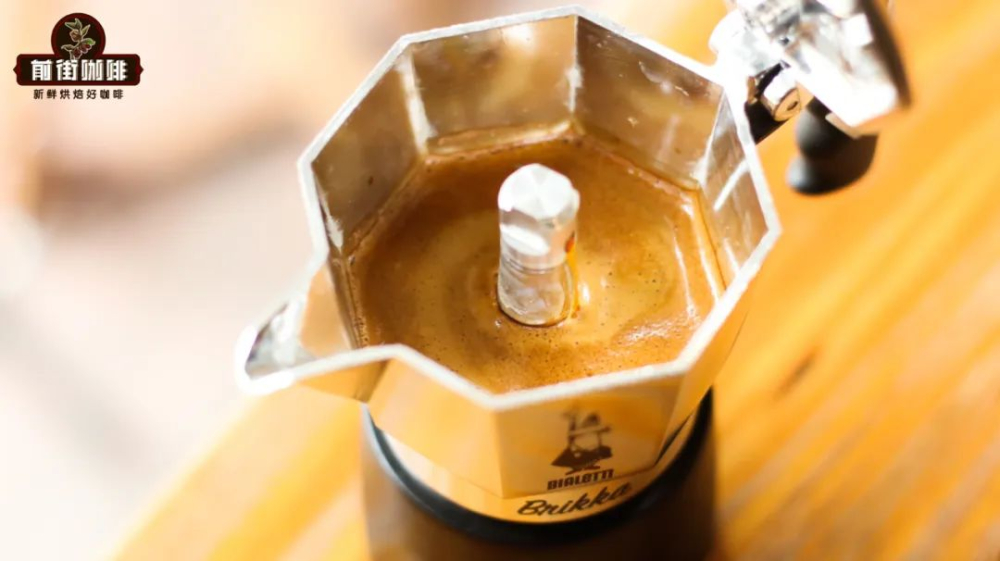
It's worth mentioning that if you have a single-valve moka pot, you don't necessarily have to buy a double-valve one. Many merchants now offer pressure valves designed specifically for single-valve moka pots. As long as the model matches, you only need to purchase a pressure valve to upgrade your single-valve to a double-valve moka pot. However, this has certain requirements for the moka pot model and the user's hands-on ability, so weigh it for yourself.
The above content is compiled by CoffeeHunters, a coffee news website.


