







How Often Should an Espresso Machine Be Backflushed?
Home machines that see daily use benefit from a water-only backflush at the end of each session, with a detergent backflush once every week or two. Busy cafes often run the full cycle every day. If you are still learning how to make coffee with coffee machine setups at home, write the schedule on a card near the grinder so it does not get skipped.
To check the brew head, run a cup of water through the extraction key and see whether the flow is clear and free of coffee particles. Backflushing uses a blind basket with cleaning powder, following set time and frequency, and the portafilter should be soaked to remove oils. Every one to two years, a professional should handle deeper maintenance.
The espresso machine is the core equipment of a coffee shop. Regular cleaning not only extends the machine's lifespan but also ensures the consistency of every cup produced. This article focuses on the key aspect of cleaning the interior of the brew head, detailing the specific operations of routine cleaning, daily backflushing, and long-term maintenance. From judging residue on the dispersion screen to the backflushing process using a blind basket with cleaning powder, and then to soaking the portafilter to remove oils, each step has clear requirements for time and frequency. At the end, it also reminds that every 1-2 years, a professional should be invited for deep maintenance, making it suitable for coffee enthusiasts and professionals to save for reference.
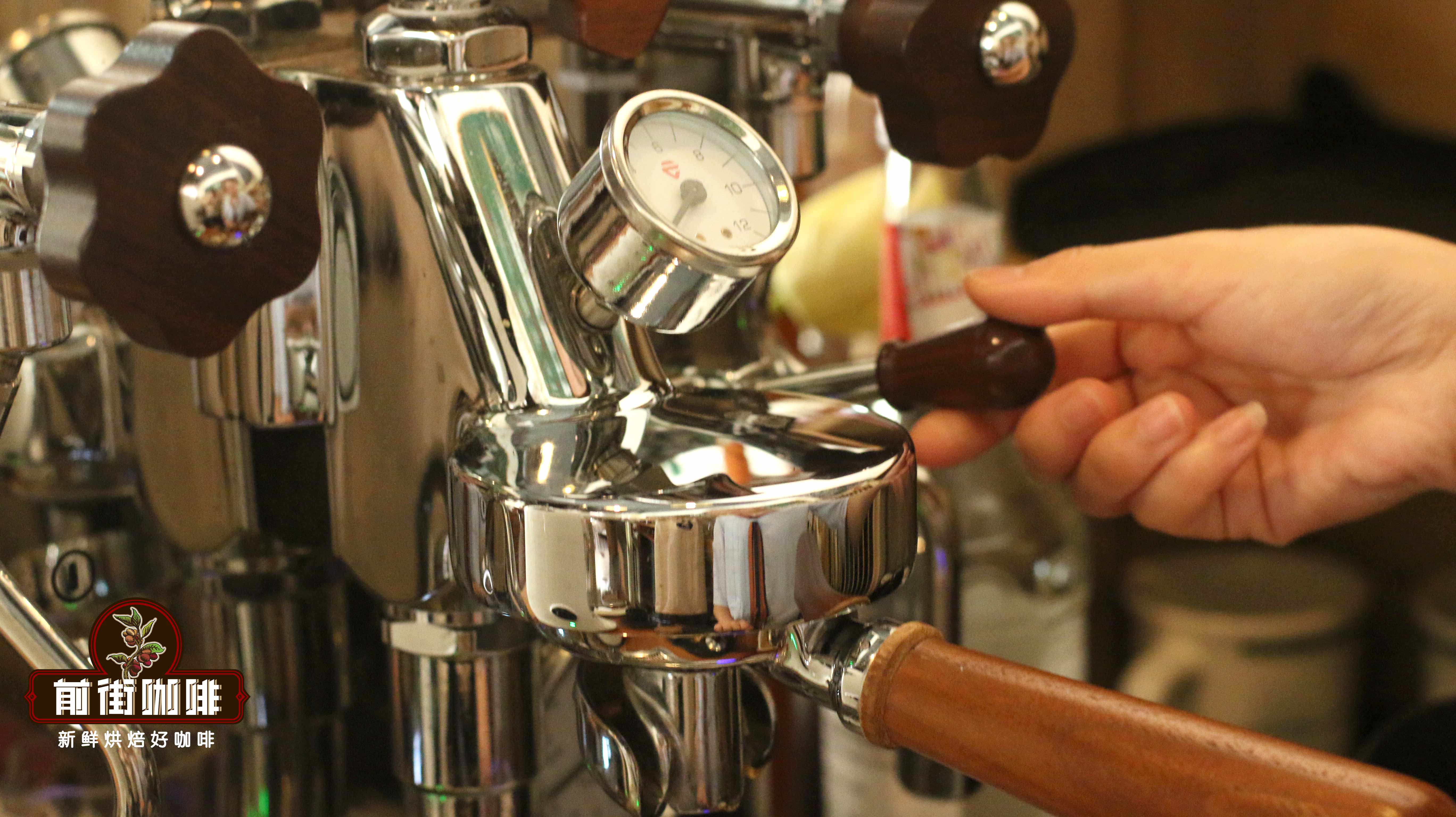
The espresso machine can be called the soul equipment of a coffee shop. As the most core appliance in the output process, doing a good job of daily cleaning and maintenance can not only make the machine serve longer but also make the quality of every espresso more stable. In this episode of Barista Development Diary, let's talk about the cleaning points of the espresso machine.
Why must the coffee machine be cleaned?
The cleaning scope that we can handle ourselves roughly includes wiping the exterior of the machine and cleaning the interior of the brew head. External cleaning is easier to understand; a tidy coffee machine directly affects the overall look of the shop. For the interior cleaning of the brew head, the focus is on two parts: the dispersion screen and the internal tubing.
The dispersion screen comes into direct contact with coffee grounds during each extraction. Since the coffee grounds in the portafilter basket are compacted, only when pressure accumulates to a certain level can the coffee liquid penetrate the puck and flow out. Before the liquid actually comes out, there is a possibility of backflow. Even if it flows out smoothly, a small amount of oils and fine grounds will still remain on the dispersion screen. If not dealt with for a long time, a large amount of residue and oils will accumulate on the dispersion screen and in the tubing, ultimately interfering with the flavor performance of the coffee. To judge whether the brew head is clean, you can press the extraction key to run a cup of water and see whether the water flowing out is clear and whether there are coffee particles.
How should the coffee machine be cleaned?
The cleaning work of an espresso machine can be divided into three stages: routine cleaning, daily cleaning, and long-term maintenance.
Routine cleaning
After each espresso extraction, remember to knock out the puck in the portafilter basket. The coffee grounds attached to the dispersion screen can be flushed away by pressing the brew head water release key, or the residue can be brushed off with a cleaning brush.
Daily cleaning
When the shop closes, backflushing is a task that must be completed every day. The principle of backflushing is to use the pressure generated by the coffee machine itself, combined with cleaning powder, to circulate and clean the brewing water path, thereby removing the coffee residue left by a whole day of extraction.
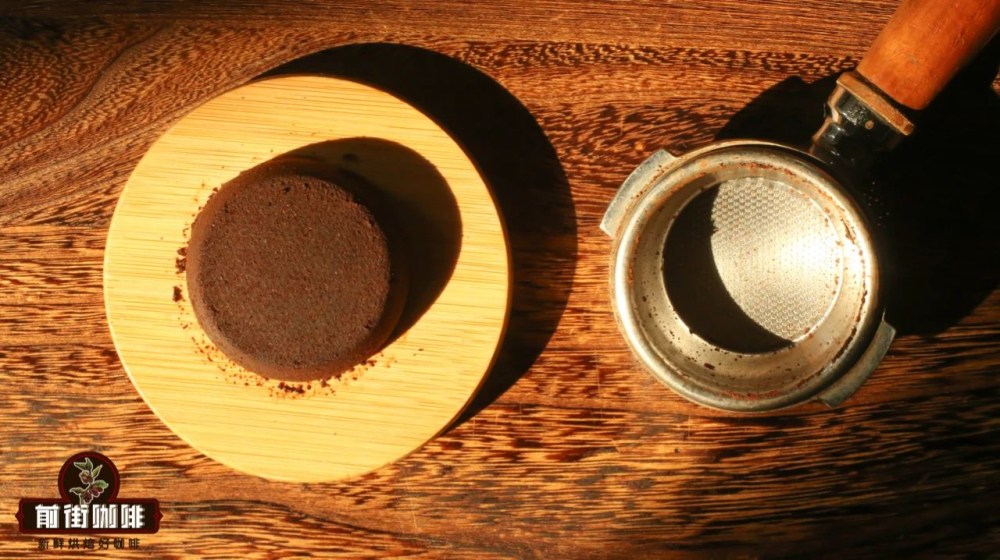
Backflushing requires a coffee blind basket, also called a backflush basket, which is the kind of portafilter basket without small holes. During operation, first remove the basket from the portafilter, replace it with the blind basket, and put in about 3 grams of cleaning powder specially for coffee machines.
Then lock the portafilter onto the brew head and press the extraction key. Because the blind basket has no filter holes, the coffee machine will start pressure release after pressurization, and the cleaning powder will be brought into the pressure release tubing to achieve the cleaning effect. The backflushing time with cleaning powder cannot be too long, about 10 seconds each time, and doing it 3 to 5 times in a row is enough, because there is a risk of damage if the pressure release valve operates for a long time.
After backflushing 5 times, remove the portafilter, and you can see that the blind basket contains dirty water mixed with coffee grime and foam. At this point, press the extraction key to first drain part of the dirty water containing cleaning powder, then use a cleaning brush to scrub the brew head and dispersion screen clean.
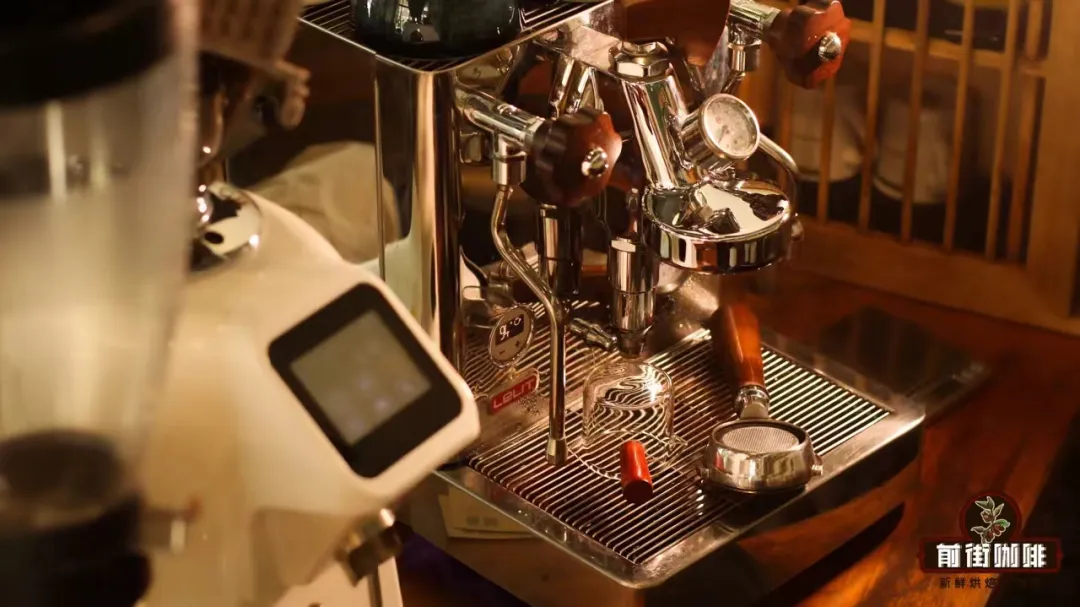
Next, do a backflush without cleaning powder, with the purpose of thoroughly removing any powder that may remain in the tubing. Similarly, press the extraction key 7 to 8 times, each time maintaining about 5 seconds, and after each completion, remove the portafilter and pour out the water in the basket. After about 8 times, the water flowing out of the brew head will become very clear. At this point, the interior cleaning of the brew head is complete.
Next, clean the portafilter. If you use a portafilter with a spout, coffee residue liquid and oils tend to accumulate inside, and over time an off-flavor will develop. Prepare a basin of boiling hot water, add an appropriate amount of coffee cleaning powder and stir evenly, put the portafilter and basket together into the basin and soak for 30 minutes, then rinse away the dirty water containing cleaning powder with clean water.
Long-term maintenance
In order to extend the service life of the coffee machine and keep track of the machine's condition, it is recommended to have a professional perform an inspection and maintenance once every 1 to 2 years, including removing internal scale and rust.
The above content is compiled by CoffeeHunters, a coffee news website.


