







Search Results for: packaging error
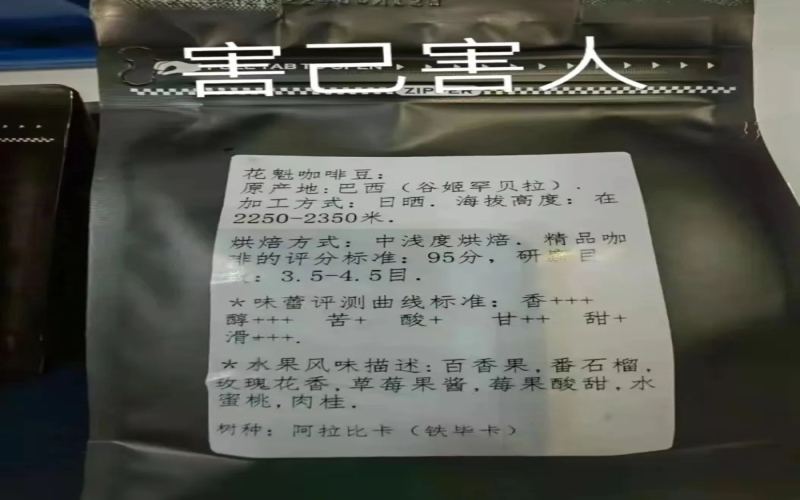
Geisha Coffee Beans Actually Labeled as Brazilian Origin? A Breakdown of Region and Variety Errors in Packaging Information
Recently, a photo of a coffee bean packaging sparked heated discussion on WeChat Moments. It prominently labeled the origin of Huakui coffee beans as "Origin: Brazil (Guji Hambela)," leaving many industry professionals and enthusiasts stunned. This article begins with the historical naming and variety origins of Huakui, then dissects the packaging's errors regarding production region, tree species, altitude, scoring standards, and grind size. It clarifies that Huakui must come from the sun-dried Ethiopian native varieties processed at the Buku Abel processing plant in the Guji Hambela region of Ethiopia, and retains Front Street Coffee's observations and product information about Small-Bean Huakui. [more…]
Legal Interpretation of the Luckin Low-Price Order Incident: Consumer Red Lines and Platform Liability Under System Vulnerabilities
The unusual pricing incident involving Luckin Coffee's delivery platform packages has drawn widespread attention. After consumers placed orders at extremely low prices, their orders were unilaterally cancelled, giving rise to legal disputes. Citing the views of a legal blogger, the People's Court Daily pointed out that when a merchant's pricing error results from staff mistakes, the merchant may claim a major misunderstanding to rescind the contract, but this must be resolved through litigation or negotiation. Ordinary consumers who unintentionally buy low-priced drinks have not broken the law, but those who knowingly exploit a system loophole and maliciously place large numbers of orders may run afoul of the law. This article will analyze the course of events, the legal basis, and Luckin's compensation measures in detail, while reminding coffee lovers that when enjoying discounts they must hold fast to the bottom line of good faith and avoid crossing the red line of the law. [more…]
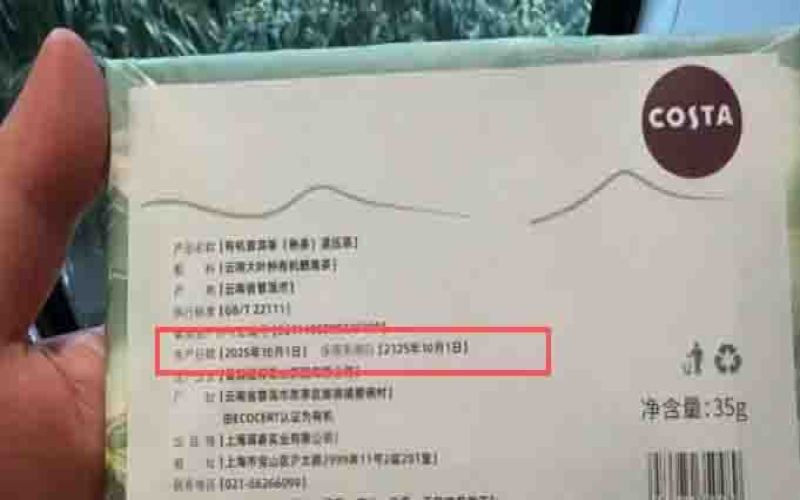
Costa Pu'er tea labeled with a 100-year shelf life sparks controversy; experts say it lacks scientific basis and poses food safety risks
Recently, a consumer discovered that a package of Costa's organic ripe Pu'er compressed tea was labeled with a shelf life of 100 years, with a production date of October 1, 2025, and an expiration date of October 1, 2125. This bizarre labeling quickly sparked questions: was it a printing error, or can tea cakes really be stored for a century? Customer service responded that "the older the tea, the more fragrant it is," but experts and lawyers both pointed out that the national standard for Pu'er tea only states "suitable for long-term storage," with no fixed number of years. A 100-year shelf life can neither be scientifically verified nor is it free from hidden food safety risks such as mold. At the same time, some e-commerce platforms still sell Costa Pu'er tea with a shelf life labeled as 9,999 days, which works out to more than 27 years. As coffee enthusiasts, Front Street Coffee also reminds you to pay attention to the compliance and scientific validity of beverage shelf-life labeling. [more…]
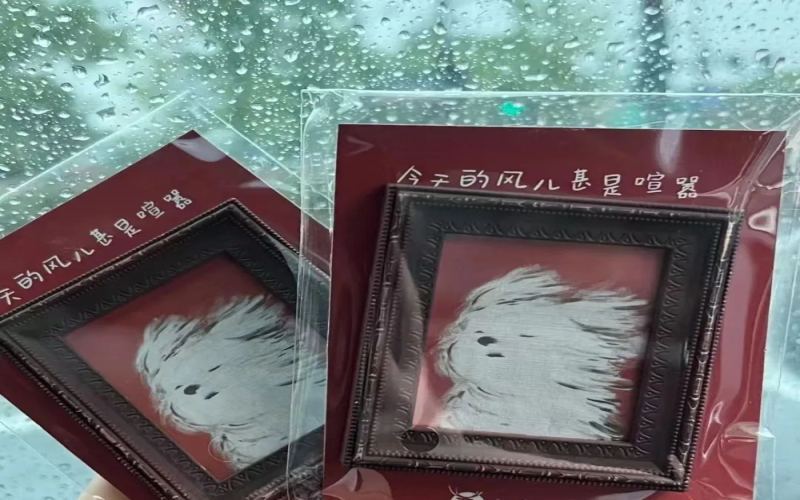
Luckin Coffee's "Scribble Dog" collaboration set menu pricing anomaly sparks debate: mini-program mispricing or system glitch?
As Typhoon Bebinca made landfall in Jiangsu and Zhejiang, Luckin Coffee's collaboration with Korean illustrator YEYE featuring the "Scribble Puppy" launched as scheduled, drawing a large number of fans who set early alarms to snap up the merchandise. However, many users found that the collaboration package on the mini-program was priced as high as 60 to 70 yuan, far exceeding the previous range of 20-40 yuan, triggering complaints that it was "too expensive." A few hours later, the price of the same package suddenly dropped to just over 30 yuan, prompting consumers who had already placed orders to angrily demand a refund of the price difference. Some employees speculated that the issue was caused by a pricing error when the items were listed. Behind this price controversy, the long-standing problem of frequent system bugs in Luckin's collaboration campaigns has once again surfaced. [more…]
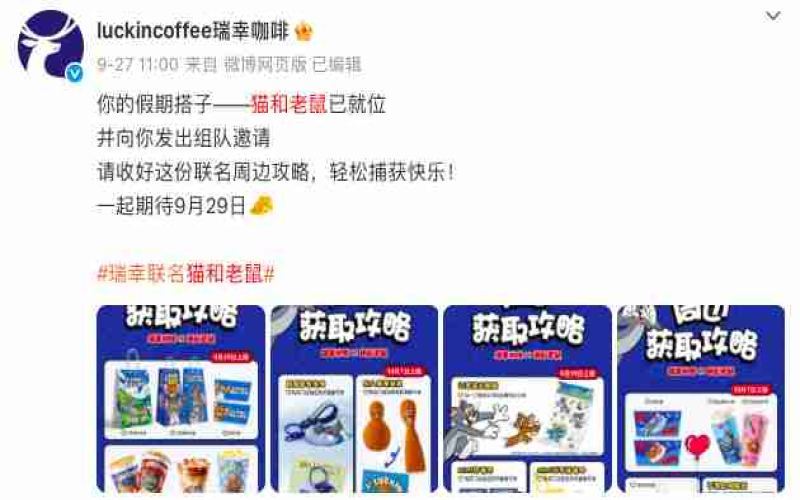
Luckin Coffee's Tom and Jerry collaboration cup features a three-eyed Tom—design coincidence or intentional?
Luckin Coffee's annual October collaboration with "Tom and Jerry" has become a regular fixture, and this year is no exception. Two new drinks, "Milk Skin Latte" and "Raw Coconut Mango Pomelo Sago," launched alongside limited-edition merchandise, and stores nationwide switched to Tom and Jerry-themed packaging. However, some customers discovered upon receiving the actual products that the Tom and Jerry printed on the cups actually had three eyes. This abnormal design quickly sparked discussion: was it a printing error, or was it intentional by the brand? Some fans dug up animation screenshots to prove it was a faithful reproduction of exaggerated expressions, while others suspected it was a mistake made by AI design. More critically, the three-eyed design was not the first of its kind—Soap Studio's collaboration with artist Greg Mike and Uniqlo's collaborative T-shirts had both used similar designs. This debate over the cups reflects the subtle tension between artistic expression and public perception in IP collaboration design. [more…]
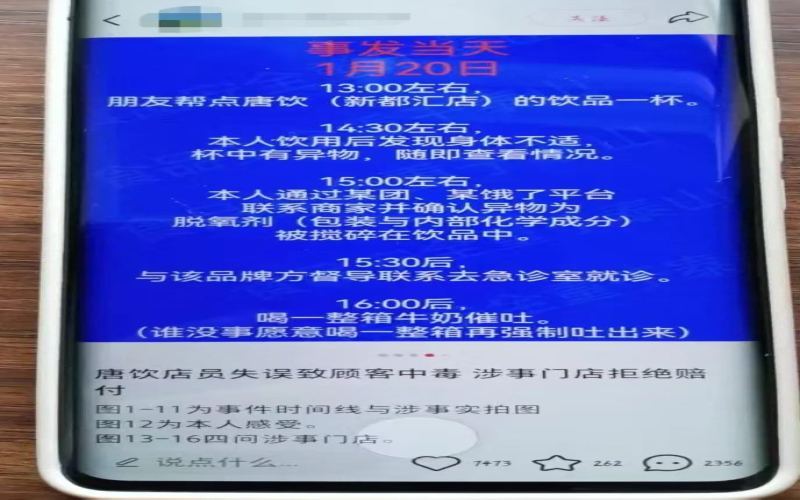
Freshly made tea drink mixed with a whole packet of deoxidizer causes chemical esophagitis in consumer; brand's apology letter was deleted after being published
A single cup of fruit tea smoothie turned out to contain fragments of an entire packet of deoxidizer. After drinking it, the consumer experienced a foreign-body sensation in the throat and a burning stomach, and was diagnosed with chemical esophagitis after seeking medical attention. The store involved first admitted it was an employee operational error, then said the deoxidizer had been crushed together with its outer packaging and filler and mixed into the ingredients, but later denied during mediation that the drink contained deoxidizer. The brand's apology letter was also deleted not long afterward. In this food safety dispute at a chain tea beverage brand, from medical consultation and negotiation to a 12315 complaint and market supervision bureau mediation, the compensation issue remained unresolved, sparking heated discussion online about the safety of freshly made drinks and brand responsibility. [more…]
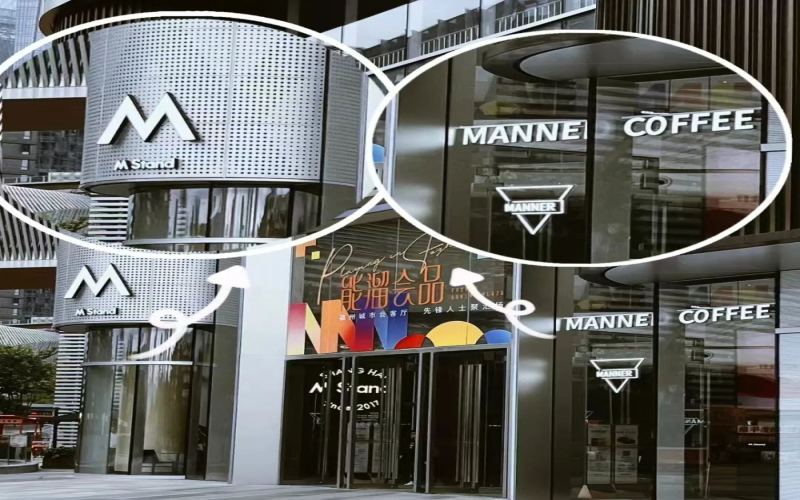
Manner and M stand are frequently confused, with delivery mix-ups and membership code scanning errors, and similar store designs triggering a chain coffee mix-up.
In an era when chain coffee brands are densely expanding, Manner and M stand are often hard for consumers and delivery riders to tell apart, since both adopt a minimalist black-and-white style and a prominent letter M logo. Recently, a customer ordered Manner takeout on Meituan but received a product from M stand, sparking a refund dispute. Such incidents are not isolated: some people have scanned their M stand membership code at the Manner counter, some only discovered after ordering that another brand's item was sitting in the pickup locker, and some customers even went to the wrong store to ask about specialty drinks. The two brands are not only similar in visual identity, but also often located next to each other, further increasing the chance of confusion. This article sorts out the reasons behind these mix-ups and looks at how baristas and consumers are responding. [more…]
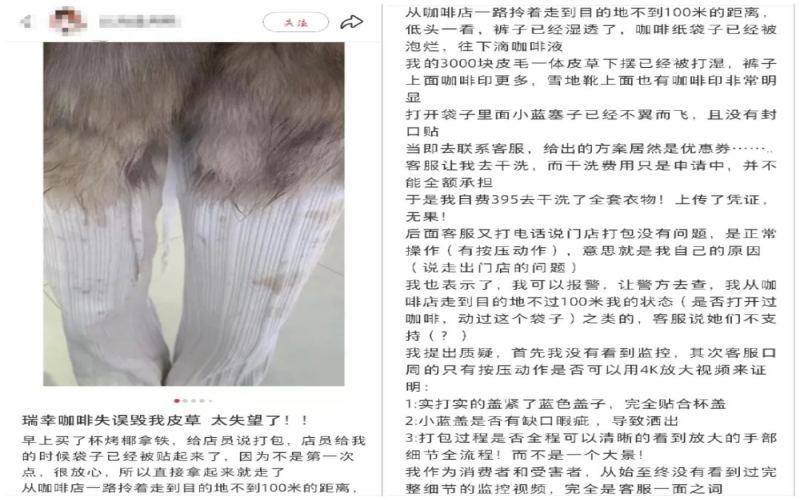
Luckin takeaway cup not sealed, causing damage to customer's clothing; paper bag quality issues spark debate again
Recently, a consumer posted on social media that after picking up a packed coffee at a Luckin store, the cup lid was not sealed properly, causing the coffee to spill and stain their coat, pants, and snow boots, sparking widespread discussion. After reviewing the surveillance footage, Luckin customer service stated that the employee's operation was normal and was only willing to compensate with coupons, refusing to fully cover the dry cleaning costs. As the incident gained traction, many netizens shared similar experiences, pointing directly to issues such as Luckin's paper bags being prone to falling apart when wet and its takeaway cups leaking easily. Consumers are calling on the brand to switch to more durable packaging materials to ensure the safety of takeaway drinks. [more…]
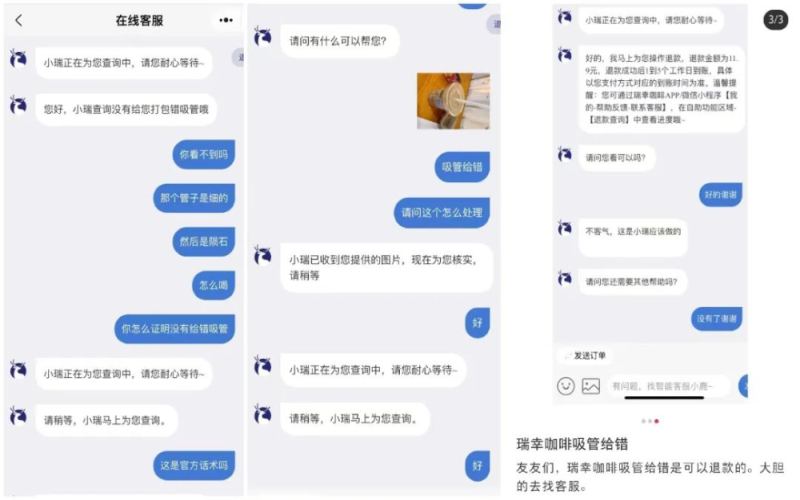
Wrong Straw Leads to Full Refund? Luckin Customer Service Handling Sparks Heated Discussion
A Luckin Coffee drink from the Meteorite series ended up with a customer unable to suck up the meteorite toppings at the bottom of the cup because the barista had packed a thin straw. After contacting customer service, the customer actually received a full refund for the order. This handling quickly sparked discussion online: some felt the merchant's service was excellent, while others worried that such a "simple and粗暴" refund approach could set a bad example. Is it thoughtful service or excessive compensation? This small matter of giving the wrong straw reflects the different strategies and potential risks that chain coffee brands face in handling customer complaints. [more…]
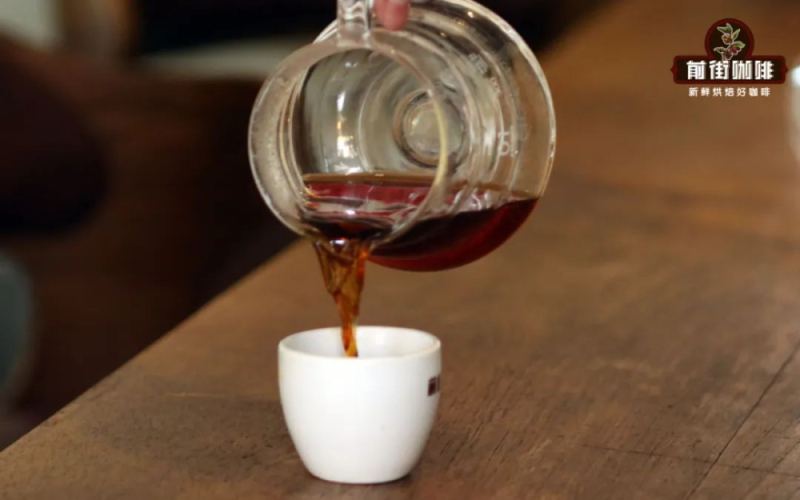
An Analysis of the Reasons Why Pour-Over Coffee Tastes Weak and Sour, and a Practical Guide to Parameter Adjustment
Many pour-over enthusiasts try repeatedly at home but still can't brew the flavors described on the coffee packaging, and even find the result sour and flat. Front Street Coffee has compiled the common confusions people face, analyzing everything from the coffee beans' peak flavor period, brewing water, to grind size and pouring technique, to help you pinpoint the problem. The article not only explains the difference between flavor and taste, but also gives specific recommendations on parameters such as dose, water temperature, ratio, and time, so that even beginners can quickly establish a brewing method with a high tolerance for error. If you want your pour-over coffee to truly reveal rich aromas and layers, it's worth adjusting these key points. [more…]
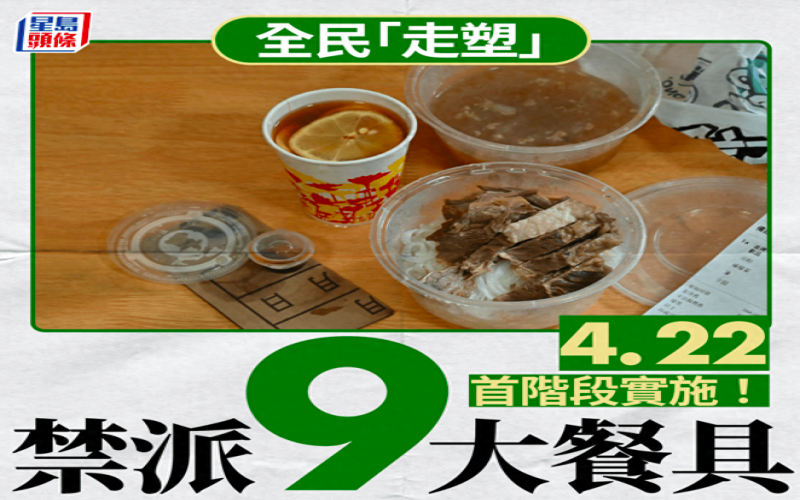
Hong Kong's Full Plastic-Free Debut: McDonald's Paper Cups and Lids Spark Heated Debate, Testing Both Taste and Efficiency
On April 22, World Earth Day, Hong Kong officially launched its "plastic-free" policy, banning in the first phase the provision of styrofoam tableware and various single-use plastic utensils for food delivery. Chain giant McDonald's was the first to respond, fully switching to paper cup lids and paper straws. However, customers complained that they had a strong paper taste, leaked easily, and were not durable, while staff also faced difficulties in identifying them and a rising error rate. During the 6-month adaptation period, some stores have quietly switched back to plastic cup lids. How should the coffee industry balance the environmental trend with the consumer experience? [more…]
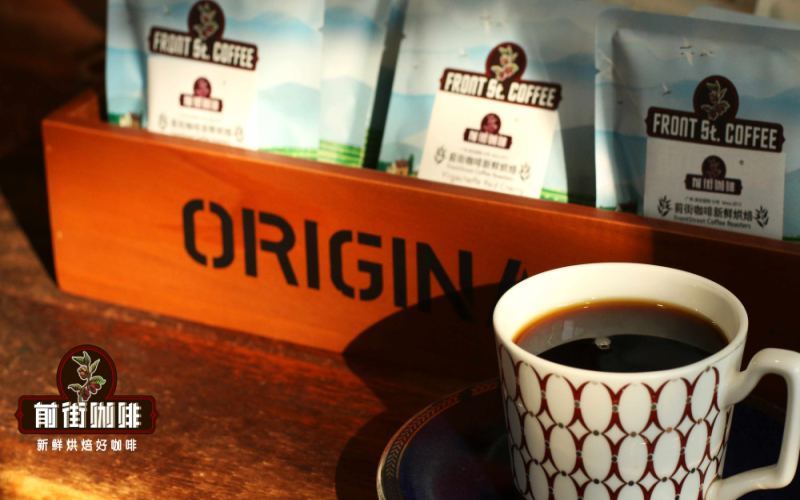
Learn Bean Selection from Scratch: A Practical Guide to Buying Single-Origin Coffee Beans Online and Tips for Judging Freshness
For those new to pour-over coffee, the dazzling array of coffee beans online often leaves them unsure where to start. This article systematically lays out practical approaches for beginners buying coffee beans online, covering purchasing channels, brand recommendations, and specific bean choices, and shares three simple ways to judge coffee bean freshness. Whether you're looking for an easy-to-brew everyday bean or want to explore the flavor characteristics of different regions, you'll find clear direction here. At the same time, the article introduces several high-value single-origin options from Front Street Coffee that are ideal for beginners, helping you find the flavors you enjoy at a lower cost of trial and error. [more…]

On the first day of the Bawang Chaji and Nezha 2 collaboration, materials were in disarray, and packaging shortages and mismatches sparked fan dissatisfaction.
The Chagee x "Ne Zha 2" collaboration officially launched today. Fans, who had been eagerly awaiting it, rushed to place orders for the limited-edition merchandise. However, on the very first day of the campaign, problems such as material shortages, mismatched packaging, and inconsistent execution across stores came to light, triggering strong dissatisfaction among consumers. By contrast, the earlier Cotti Coffee x "Ne Zha 2" collaboration was praised as "textbook-level" for its timely after-sales service and genuine sincerity. Chagee's chaotic performance this time has left many fans openly disappointed, with some even joking that they "couldn't even copy the homework properly." This article reviews the specific problems and consumer feedback from the first day of the campaign, and looks back at Cotti's successful experience, offering a comprehensive perspective for coffee and tea beverage enthusiasts. [more…]
Flavor Analysis and Brewing Suggestions for Costa Rica Brunca Monteverde Estate Black Honey Geisha Coffee
Located in the Brunca region of Costa Rica, Finca Vista al Cerro was founded in 2005 by the Ureña Rojas family at an altitude of 1,550 meters, adjacent to Chirripó Mountain and Cerro de la Muerte, where a unique valley microclimate nurtures high-quality coffee. The estate employs a black honey processing method, retaining the complete mucilage layer for 12-15 days of sun-drying, which creates this Geisha coffee's rich fermented sweetness and fruity character. This batch of black honey Geisha, sourced by Front Street Coffee, is roasted to a medium-light level, with cupping notes revealing high sweetness of citrus, cherry, and cantaloupe, soft acidity, and a full body. This article provides a detailed introduction to the estate's background and processing techniques, along with Front Street's recommended V60 three-pour brewing parameters, helping coffee enthusiasts recreate its rich layers of flavor at home. [more…]

A Practical Guide to Coffee Shop Delivery Operations: A Complete Approach from Pricing Strategy to Private Domain Retention
While delivery platforms bring orders to coffee shops, they also carry the hidden risk of brand devaluation. Many shop owners have found that blindly joining price wars not only makes profitability difficult but can also erode the store's brand value. This article systematically sorts out the key aspects of coffee shop delivery operations, from pre-opening pricing planning, accumulating Dianping ratings, and delivery menu strategies, to how to convert platform traffic into private-domain customers. It also emphasizes that independent coffee shops should differentiate themselves from chain brands through professional quality and service details, rather than getting caught in low-price involution. The article also shares practical techniques such as stamp cards and scratch cards to guide delivery customers to offline visits, helping coffee shops effectively attract traffic through delivery while maintaining their brand tone. [more…]
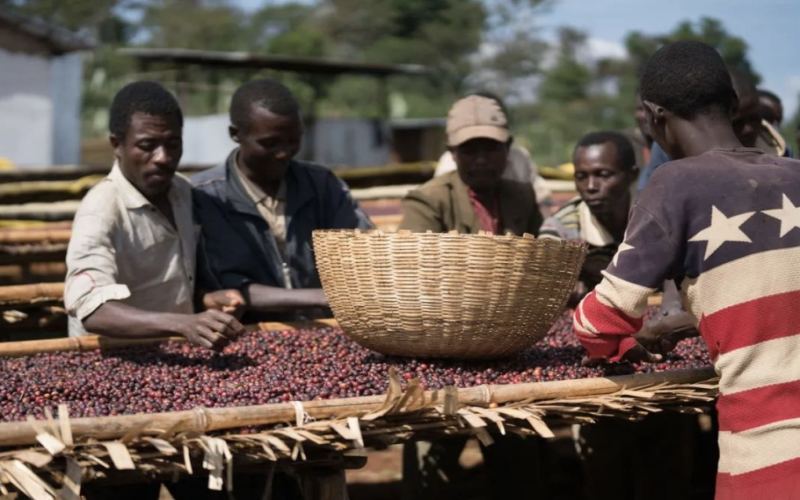
The coffee producing areas, estates, processing plants, and cooperatives, these production units have what kind of differences?
The popularity of gourmet coffee allows us to obtain more detailed planting and production information of coffee beans. These information usually accompanies the sale of coffee beans and is printed on the label of the packaging bag! Bean varieties, p [more…]
Choosing Cost-Effective and Great-Tasting Coffee Beans by Roast Level
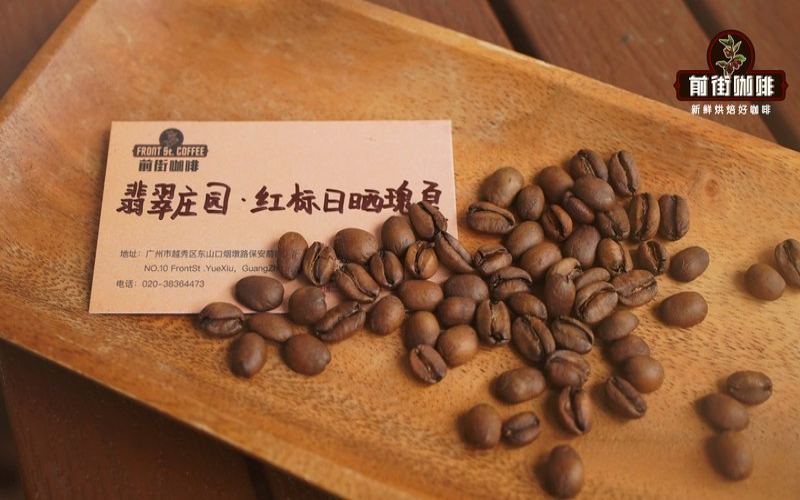
The roast level of coffee beans directly affects the aroma, acidity, sweetness, and body of a cup of coffee. To drink comfortably on a reasonable budget, you don't have to focus only on origin or flavor descriptors—you can first look at whether the beans are light-roasted, medium-roasted, or dark-roasted, then consider your pour-over, espresso, moka pot, and milk-adding habits to decide. Once the roast direction is chosen correctly, ordinary equip [more…]
What exactly is the difference between coffee bean resting, peak flavor period, and shelf life? Front Street Coffee helps you decode the time code of freshly roasted coffee.
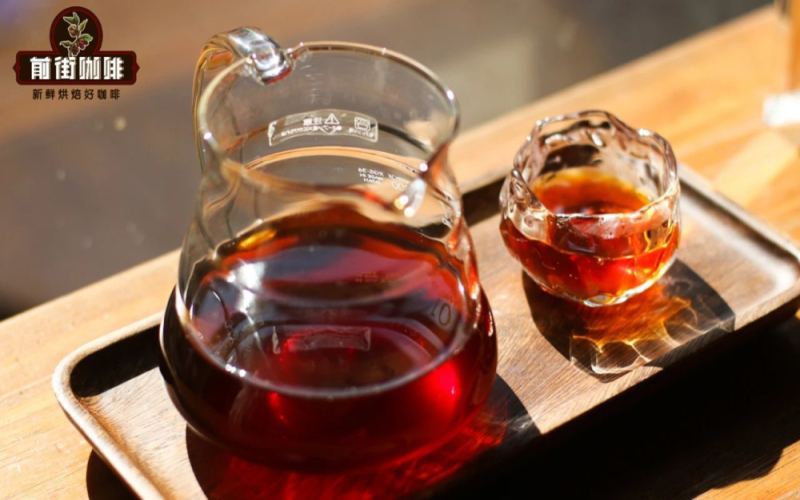
Many people think coffee beans should be brewed right after roasting, but freshly roasted beans often carry a dry, smoky character and need to be rested to degas so the flavors become rounder. Drawing on years of roasting and cupping experience, Front Street Coffee has found that resting times vary from 3 to 7 days depending on the roast level, and the optimal flavor window usually falls between 7 and 20 days after roasting. The flavor window is not the same as the shelf life; the latter is merely the safe consumption period, often as long as 12 months or more. This article clarifies the complete timeline of coffee beans from fresh to stale across several dimensions—the principles of degassing, resting recommendations, the flavor window, and storage limits—and also tells you how much to buy at once and how to store it so nothing goes to waste. [more…]
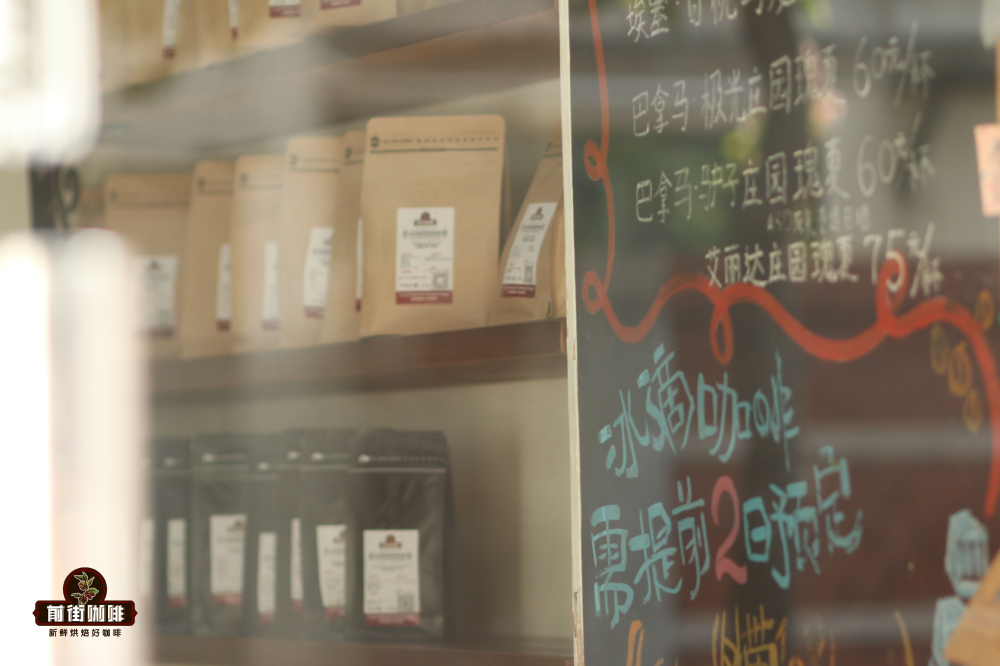
Coffee Bean Resting Period | What Is the Coffee Bean Peak Flavor Window? Why Do Freshly Roasted Coffee Beans Need Resting? How Should Coffee Beans Be Rested and Awakened?
For professional coffee knowledge exchange and more coffee bean information, please follow Coffee Workshop (WeChat official account: cafe_style). For more specialty coffee beans, please add our personal WeChat Front Street Coffee (FrontStreet Coffee), WeChat ID: qjcoffeex. "Are coffee beans [more…]
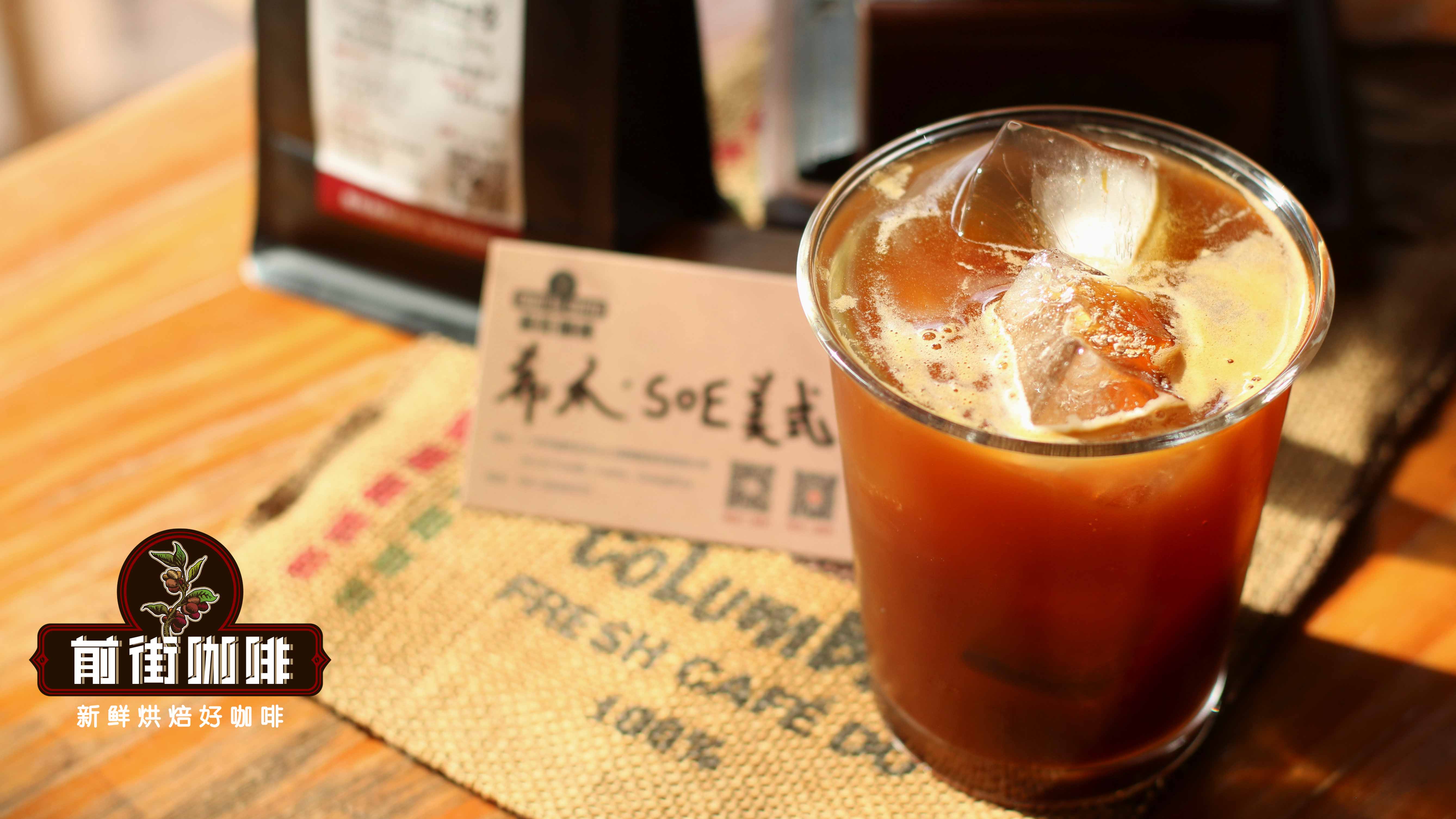
What Exactly Does Espresso SOE Coffee Mean? Differences from Single-Origin Beans, Analysis of Flavor and Production Challenges
Many coffee enthusiasts are curious about whether SOE and single-origin beans are actually the same thing, and how it differs from regular espresso. SOE was originally just an abbreviation for "Single Origin Espresso," yet under commercial packaging it has been given a more premium image. This article, from the perspective of Front Street Coffee, sorts out the origins of the SOE concept, its market positioning, and the real reasons why the shop has been slow to launch SOE. The article also covers practical details such as roast level matching, grinder limitations, and extraction parameter adjustments, and explores the thresholds a good cup of SOE must meet in terms of bean selection, roasting, and quality control. Whether you want to understand the concept or are curious about why SOE easily becomes a gimmick, you can find answers here. [more…]