







How Should a Coffee Shop Handle Delivery Operations?
Delivery platforms bring orders but also carry a risk of brand devaluation. Owners who join price wars often find profitability hard and store brand value eroded. The guide covers pricing before opening, building Dianping ratings, delivery menu strategy, and turning platform traffic into private-domain customers.
Independent coffee store owners are advised to differentiate through professional quality and service detail rather than low-price competition. Practical tools include stamp cards and scratch cards that guide delivery customers into offline visits, so a shop keeps its brand tone while still using delivery for traffic.
While delivery platforms bring orders to coffee shops, they also carry the hidden risk of brand devaluation. Many shop owners have found that blindly joining price wars not only makes profitability difficult but can also erode the brand value of their stores. This article systematically examines the key aspects of coffee shop delivery operations, from pricing planning before opening, accumulating Dianping ratings, and delivery menu strategies, to how to convert platform traffic into private-domain customers. It also emphasizes that independent coffee shops should differentiate themselves from chain brands through professional quality and service details, rather than getting caught up in low-price competition. The article also shares practical techniques such as stamp cards and scratch cards to guide delivery customers to offline visits, helping coffee shops maintain their brand tone while effectively using delivery for traffic.
For professional coffee knowledge exchange and more coffee bean information, please follow Coffee Workshop (WeChat public account: cafe_style)
For more specialty coffee beans, please add the private WeChat Front Street Coffee (FrontStreet Coffee), WeChat ID: qjcoffeex
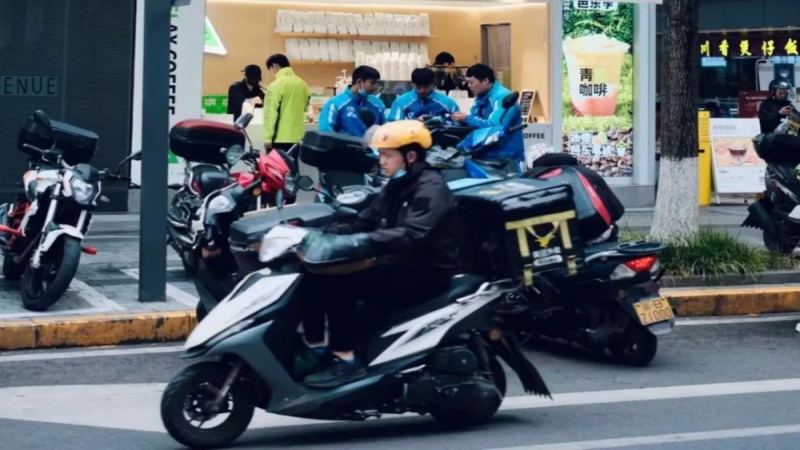
When talking with many coffee shop owners, I often hear them complain that delivery platform managers are not professional enough and always encourage merchants to engage in price wars, hoping to attract customers with low prices.
But in reality, this approach not only fails to make money, but may even lose money and drag down your own brand. When customers walk into the store and find that the online and offline prices differ by a large margin, they inevitably feel it is not worth it. Regarding whether coffee shops should do delivery, owners have different feelings. How to use delivery to attract traffic for the brand is something that must be thought through at the very beginning of opening a shop. "Determine product pricing before opening and find stable supply sources" First, before opening, you must clarify the positioning of the coffee shop, as well as the products and price points acceptable to the surrounding customer base, then lock in a batch of coffee beans and materials that can be supplied stably over the long term, and plan ahead for delivery and takeaway. Write down the problems you usually encounter when ordering delivery or takeaway and hope merchants would improve, then in turn imagine possible situations with your own products and prepare responses in advance, and only then officially open for business.
"Raise the Dianping score, and only launch delivery after having quality reviews" If you plan to join the Little Kangaroo delivery platform, you need to build up your Dianping rating in the early stage. According to the experience of some coffee shop owners, after the review score looks good and a certain number of quality reviews have accumulated, the delivery platform will give free recommendations in the short term, so when a new store opens, there is no need to rush to launch delivery. "You can improve and optimize, but you cannot trial and error" If you wait until the store is open to think about these issues, or use a limited number of customers for "trial and error," that is really an unwise approach. New brands already find it difficult to acquire customers. When customers are willing to trust you and try your products, merchants must seize every opportunity.
Because winning one customer's approval equals one more opportunity for word of mouth. Word of mouth is always the most important part of the service industry; these are recommendations consumers make to those around them from the bottom of their hearts and with genuine sincerity. Whether online or offline, every product feedback deserves serious attention. When the same issue is reported by more than two people, you should consider whether it can be optimized and adjusted. "Competing for customer flow with low prices is like doing charity!" Many merchants who complain that delivery loses money have fallen into the trap of blindly low prices. Many platform managers responsible for new stores will suggest merchants join various platform promotions, but if merchants do not calculate all costs clearly in the early stage of opening and impulsively join before their products are stable, that is no different from doing charity: they can neither make money nor retain loyal customers. When it comes to low prices, independent merchants simply cannot compete with chain brands; it can be said there is no chance of winning. Therefore, what independent coffee shops need to do is use the quality of the products themselves and the details of service to create distance from chain brands.
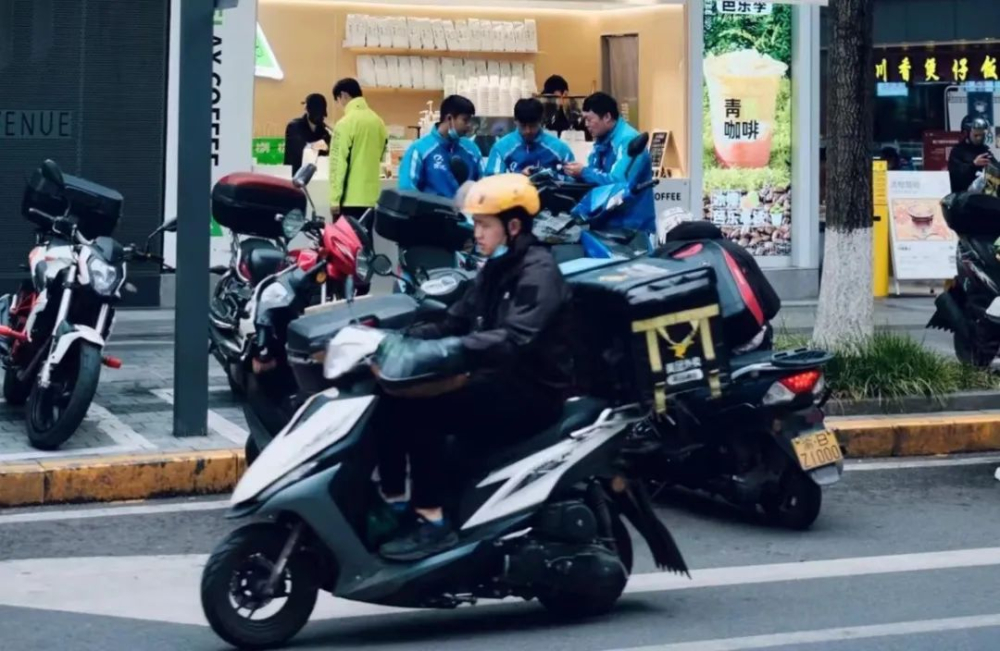
The reason customers are willing to choose independent coffee shops is that they hope to experience more professional products and a better service experience. Therefore, no matter what kind of customers they face or what kind of products they choose, they must proceed from a professional perspective in order to retain more people and increase the repurchase rate. "Start from the thinking of delivery customers, customize a reasonable delivery menu and pricing" Most people who frequently order coffee delivery are office workers. This type of consumer often needs caffeinated drinks with good value for money, so the operating approach for delivery and physical stores is not the same. Customers who consume in-store place more emphasis on coffee flavor, mouthfeel, and service, while delivery customers care more about price and consistency. Coffee, as a beverage, is very particular about timely consumption. After a long delivery time, the flavor is basically gone, and the taste is greatly reduced. Therefore, only list products that can withstand the test of delivery time, while keeping both cost and pricing not too high, and determine offerings that can be promoted as long-term mainstays with stable quality.
The number of products does not need to be too many; a concise and clear layout is enough, and there is no need for it to be overly flashy. This is to reduce the customer's burden in choosing and visually, and to avoid customers not knowing how to choose because there are too many options, then turning to another shop. "Convert platform traffic into private-domain traffic" This point is extremely important! Although it may sound a little unkind, the purpose of joining the platform is publicity, and then converting that traffic into loyal customers of the brand. If doing private-domain operations still relies on selling one cup of coffee per order, then it will definitely lose even more money than the delivery platform. So this is actually another operating approach, between the human warmth and meticulous service of a physical store and the high cost-effectiveness and convenience of delivery.
On the one hand, you can include small cards for joining a group; customers who join the group can order products not available on the delivery platform and enjoy other promotional activities. On the other hand, you can launch large-size products/ combo packages to encourage customers to place group orders together with friends and colleagues around them , thereby increasing the profit of each order. At the same time, you can include stamp cards, scratch cards, and so on in delivery orders to stimulate delivery customers to visit the store. "Stamps" are equivalent to points; once the required number is collected, customers can redeem designated drinks in-store. The rewards on "scratch cards" can be drink redemption or in-store consumption discounts, etc.
These groups are like a chat room for enthusiasts. On the one hand, by gathering customers together, merchants can better maintain communication and interaction with customers and increase customers' trust in the merchant and brand. On the other hand, when problems arise, there is a faster feedback and handling channel. Whether delivery customers or in-store consumers, everyone can be encouraged to join the group. Merchants can also share more and chat more in the group, letting customers feel the professionalism of the brand, and further attracting customers to visit the store to experience the atmosphere and service of the shop. Image source: Internet
The above content is compiled by CoffeeHunters, a coffee news website.


