







What does the Luckin order case say about a function coffee system?
An abnormal pricing incident on Luckin Coffee's delivery platform packages led the company to cancel orders placed at extremely low prices, including drinks under five yuan and two cups for one cent. The People's Court Daily, citing a legal blogger, said a merchant may claim major misunderstanding to rescind a contract when a wrong price results from staff error, but that must go through litigation or negotiation.
Consumers who unintentionally bought low-priced drinks did not break the law, while those who knowingly exploited a function coffee system loophole and placed bulk orders may have crossed a legal line. Delivery stores in several cities were overwhelmed and closed as orders surged. Luckin later issued an apology and compensation measures, but the dispute over cancelled orders continued.
The abnormal pricing incident involving Luckin Coffee's delivery platform packages has sparked widespread attention. Consumers who placed orders at extremely low prices had their orders unilaterally canceled, giving rise to legal disputes. The People's Court Daily, citing the views of a legal blogger, pointed out that when a merchant sets a wrong price due to staff error, it may claim major misunderstanding to rescind the contract, but this must be resolved through litigation or negotiation. Ordinary consumers who unintentionally purchase low-priced drinks have not broken the law, but those who knowingly exploit a system loophole and maliciously place bulk orders may be violating the law. This article will analyze in detail the course of the incident, the legal basis, and Luckin's compensation measures, while reminding coffee lovers to uphold the bottom line of integrity when enjoying discounts and avoid crossing the legal red line.
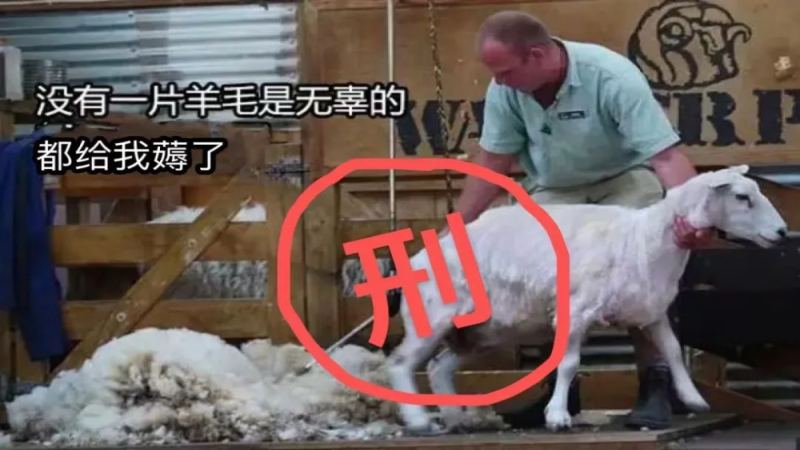
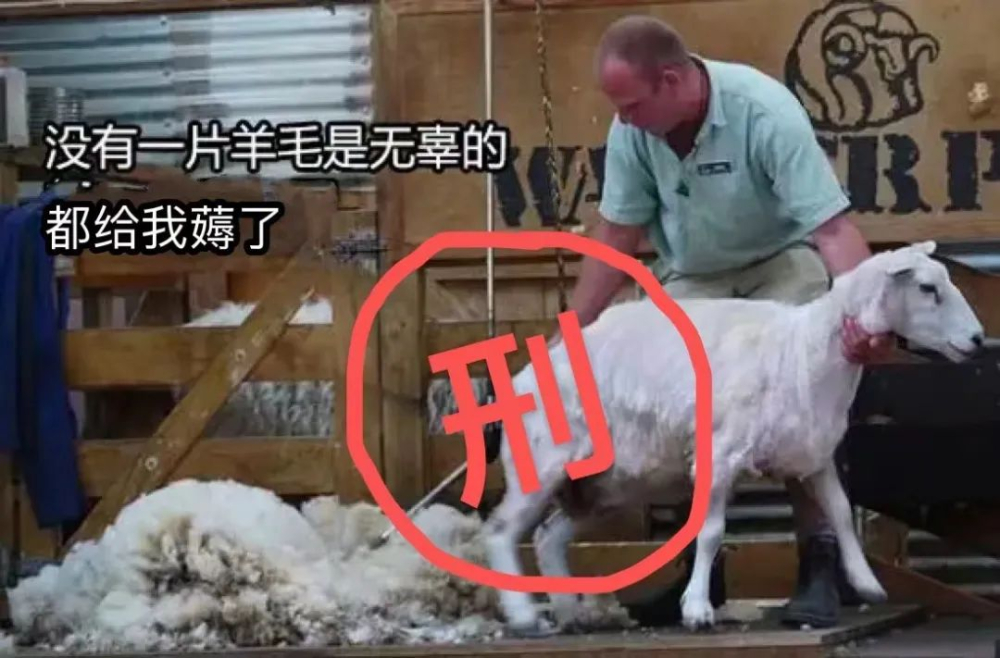
The so-called "wool-pulling" usually refers to consumers participating in various promotional activities launched by merchants and purchasing goods or services at prices lower than usual, thereby achieving the goal of saving money. But this behavior has an important prerequisite: the promotional activity must be actively designed and provided by the merchant. If a system malfunction or manual operational error causes the listed price of goods to deviate greatly from the original price, then consumers who take the opportunity to buy in large quantities may be crossing the legal bottom line.
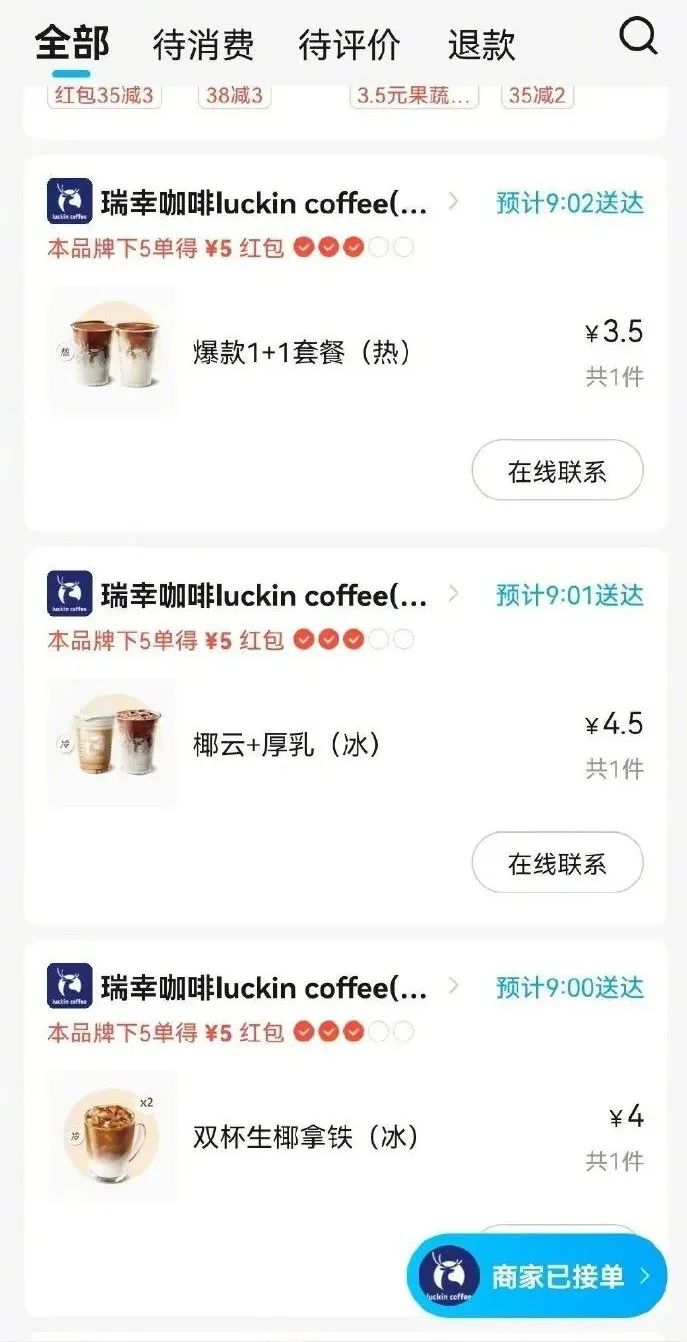
In this Luckin Coffee system anomaly incident, some users discovered that the package prices at Luckin stores on the Ele.me platform showed obvious errors, with some drinks costing less than five yuan, and even two cups of coffee available for one cent. After this loophole was exposed, a large number of consumers quickly rushed to the platform to place orders, trying to seize this rare low-price opportunity.
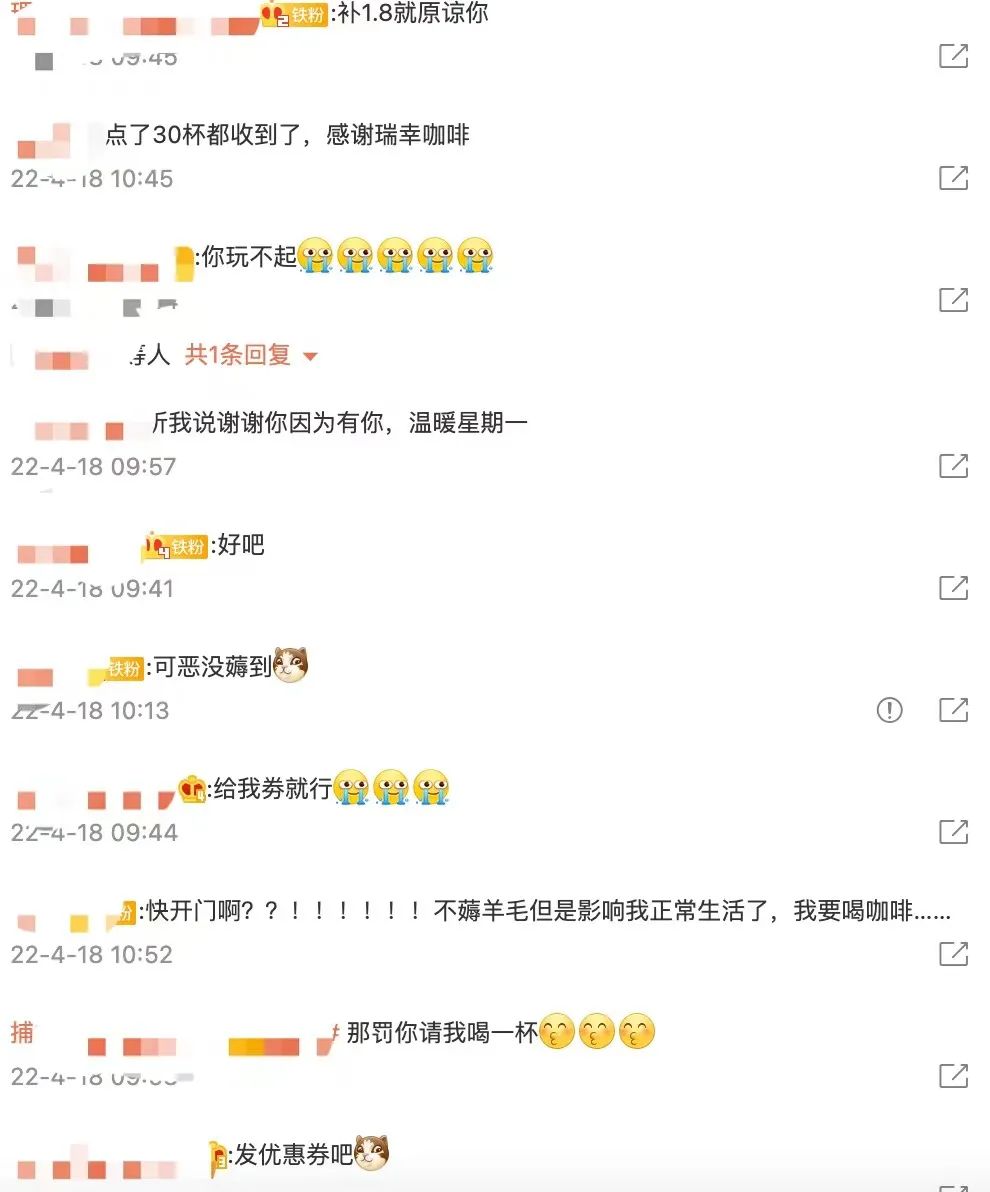
At the same time, many delivery stores in multiple cities became congested due to a surge in orders, and several stores then entered a closed state and canceled a large number of orders completed at ultra-low prices. This practice aroused dissatisfaction among many consumers who failed to successfully "pull wool" and those whose refunds were not handled promptly. They left comments under Luckin's official apology statement, demanding that the brand provide discount coupons or other forms of compensation.
Regarding whether it is reasonable and legal for Luckin to unilaterally cancel orders without consultation, the People's Court Daily cited an analysis by the well-known legal blogger "Tan Dian Kan Fa." According to this view, from an objective perspective, when consumers purchase low-priced goods, they usually cannot tell whether the merchant is running a genuine promotion or made an operational error. Therefore, once consumers complete an order and make payment, the sales contract has been formed and taken effect. On this premise, if Luckin unilaterally cancels the order without communicating with consumers, that constitutes illegal conduct, and consumers have the right to demand that the merchant continue to perform the contract or compensate for corresponding losses.
However, Luckin later explained that the anomaly was caused by a staffing configuration error, so the order cancellation was not a direct breach of contract, but rather a claim to rescind the contract on the grounds of "major misunderstanding." According to Article 19 of the Interpretation of the Supreme People's Court on Several Issues Concerning the Application of the General Provisions of the Civil Code of the People's Republic of China, if an actor has a mistaken understanding of the nature of the act, the other party, or the variety, quality, specifications, price, quantity, etc. of the subject matter, and under ordinary understanding would not have made the corresponding expression of intent if the mistaken understanding had not occurred, the people's court may determine it as a major misunderstanding as provided in Article 147 of the Civil Code.
However, rescinding a contract on the grounds of major misunderstanding requires filing a lawsuit with a court. According to Article 147 of the General Provisions of the Civil Code of the People's Republic of China, where a civil juristic act is performed based on a major misunderstanding, the actor has the right to request the people's court or an arbitration institution to rescind it. But this method is costly and procedurally cumbersome. Luckin may choose to negotiate with consumers and seek understanding and support, for example by giving certain compensation to encourage consumers to agree to cancel the orders.
Therefore, Luckin's statement in its apology letter released that day that it would consider compensating users was precisely a process of negotiating with consumers and seeking understanding. On April 19, Luckin successively issued "32-yuan vouchers" to users whose delivery orders had been unilaterally canceled, and also issued coupons to non-delivery platform users affected by the system anomaly whose orders were canceled while they waited during that day's morning peak.
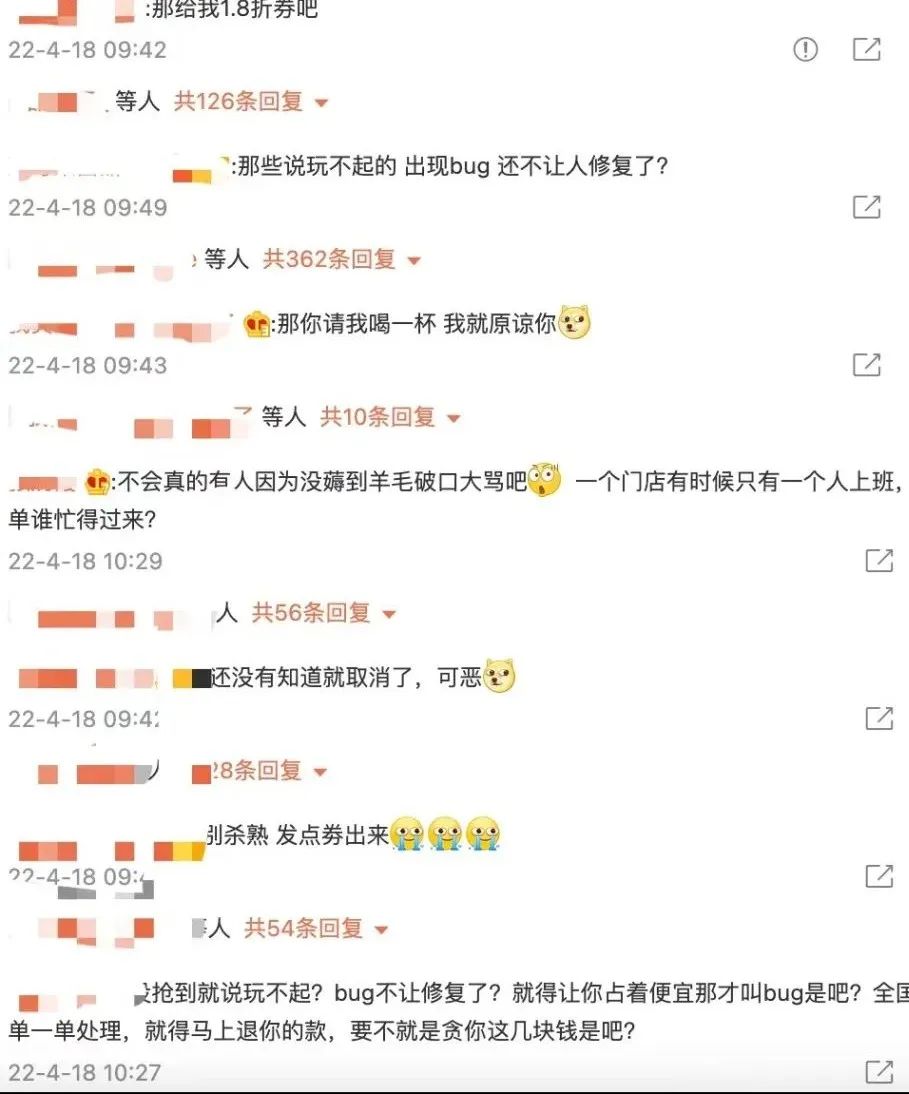
Although Luckin appeared somewhat hasty in handling this matter, resulting in insufficient communication, from a legal perspective this incident does not constitute illegality. Consumers who incidentally obtained the opportunity to buy low-priced drinks also did not break the law, since they could not determine whether it was a merchant promotion or an error. However, if someone knowingly exploits a system loophole and maliciously "pulls wool" or places large numbers of orders, whether or not they profit from it, that is illegal conduct.
For this reason, the People's Court Daily reminded the public that seeking cheap gains should have a bottom line, and that discounts beyond the normal range arising from system loopholes absolutely should not and cannot be touched. "Wool-pulling" also requires adherence to the principle of good faith. Even if some merchant platforms have technical loopholes, that does not mean they can be illegally exploited, and consumers cannot use this as an excuse to cross the legal red line.
Image source: Internet
For professional coffee knowledge exchange and more coffee bean information, please follow Coffee Workshop (WeChat public account: cafe_style)
For more specialty coffee beans, please add the private WeChat of Front Street Coffee, WeChat ID: kaixinguoguo0925
The above content is compiled by CoffeeHunters, a coffee news website.


