







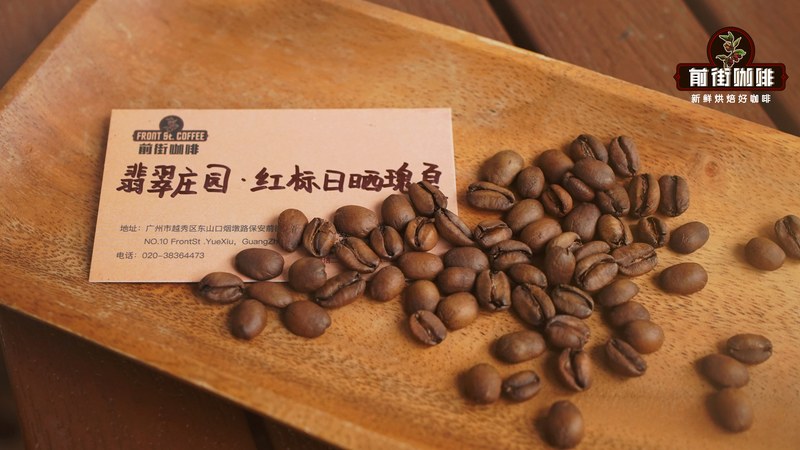
The roast level of coffee beans directly affects the aroma, acidity, sweetness, and body of a cup of coffee. If you want to drink comfortably on a reasonable budget, you don't have to fixate only on origin or flavor descriptors. You can first look at whether the beans are light, medium, or dark roasted, then factor in pour-over, espresso, moka pot, and milk-drinking habits. Once the roast direction is right, even ordinary equipment can brew a clear, easy-to-drink cup.
Light-roasted beans usually retain more of their origin character, making floral notes, citrus, berries, and bright acidity more likely to appear. They suit pour-over or iced drinks. Their advantage lies in a recognizable aroma, and with the same budget you can experience more vivid flavor changes. However, light roasts are more sensitive to water temperature, grind size, and pouring rhythm. When starting out, you can choose beans with clear descriptions and ample sweetness, and brewing will feel more relaxed.
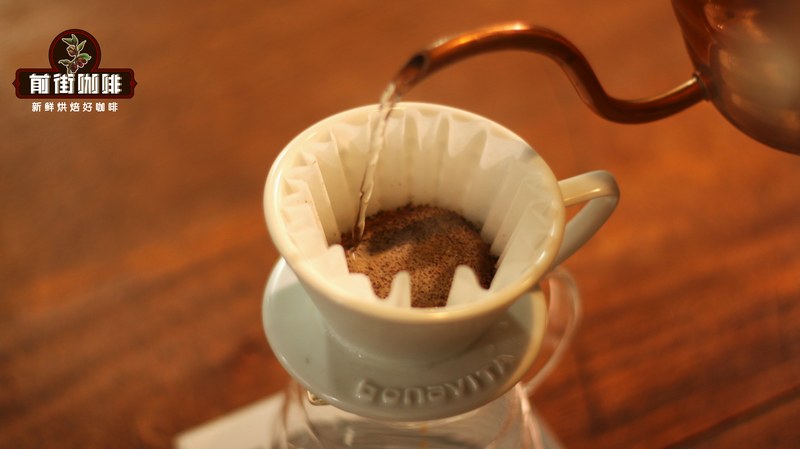
Front Street Kenya Small Tomato is a bean that helps light-roast lovers get to know fruit notes. On the palate there is a sweet-tart sensation close to fresh cherry tomatoes, followed by dark fruit flavors like smoked plum, and a finish reminiscent of light yellow sugar. Its acidity is lively without being merely sharp. For pour-over, you can use a slightly higher water temperature and a finer grind to let the aroma fully open up; as iced pour-over, the juicy feeling becomes more refreshing.
If you like light roasts but worry the acidity is too jumpy, you can turn your attention to beans with tea-like qualities and ripe-fruit sweetness. Front Street Kafa Forest often has notes of orange peel, ripe apricot, and an oolong tea-like aftertaste. It is light on entry, and the sweetness gradually becomes clearer as the cup cools. It suits filter pour-over and also cold brew; hot drinks let you feel the aroma changes, while cold drinks are better for sipping slowly during work breaks.
Medium roast is the tier that connects most easily in everyday bean selection. Acidity, aroma, and body tend to be more balanced. Pour-over can preserve origin characteristics, and espresso also adapts well. For people on a limited budget with more than one brewing device at home, medium-roast beans have a wider range of uses. They can make black coffee and still keep coffee flavor after adding a small amount of milk, without easily tasting thin.
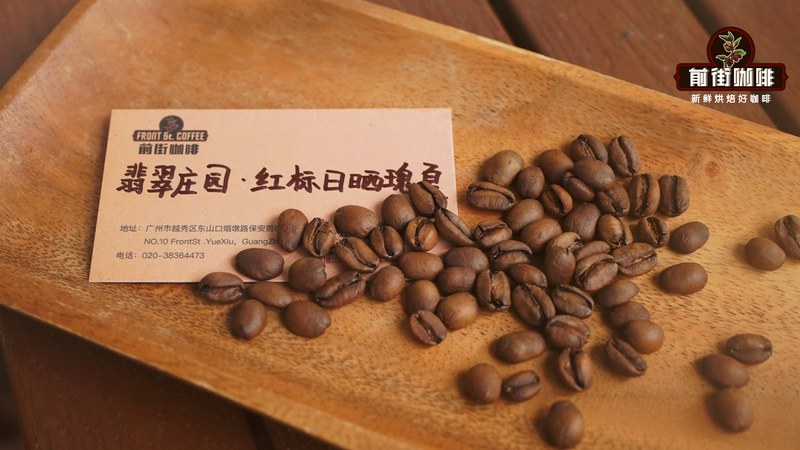
If you want to try something more layered without every cup being too light, you can choose medium or medium-light roasts with floral and fruity character. Front Street Granja Estate Geisha carries orange blossom, guava, and apricot notes, and on a close smell you can also sense a thick sweetness like strawberry jam. The natural process makes its aroma fuller, and it suits pour-over tasted in stages; after the water temperature drops slightly, the fruit and sweetness become more integrated.
The value of medium-roast beans also shows in their tolerance for error. For pour-over, you can start with a medium grind and moderate water temperature, first observe whether the sweetness is complete, then fine-tune acidity and strength. If using an espresso machine, choosing medium-roast beans with caramel, nut, or cocoa tendencies usually makes it easier to get a solid shot. When the budget is not high, buying small packages to test is better than stocking up on a large bag at once for finding a style you will like long term.
The flavor focus of dark-roasted beans moves toward dark chocolate, roasted nuts, caramel, and smoky notes. Acidity is relatively restrained, and the mouthfeel is thicker. They are very suitable for pairing with bread in the morning, and also for making Americanos, lattes, and moka pot coffee. When brewing, you don't have to chase high temperature and fine powder. Keeping the liquid clean and reducing over-extraction can instead soften bitterness and concentrate sweetness.
If you use an espresso machine or often drink milk coffee, you can prioritize medium-dark to dark roasted beans. Milk amplifies smoothness and also weakens some aroma and acidity, so the coffee liquid itself needs enough concentration and weight. When making a latte, use a little less milk and the beans' cocoa and caramel notes will be more distinct; if you prefer a softer mouthfeel, you can increase the milk to make the whole cup rounder.
When choosing, also pay attention to the roast date, recommended brewing device, and flavor description on the package. With the same light, medium, or dark roast, different beans' performance is still affected by variety, processing method, and freshness. Right after buying them, you can first brew a cup with a fixed dose of grounds, feel the changes at hot, warm, and cool stages, then decide whether they are better as black coffee or with milk. That judgment is more reliable than looking at the name alone.
From a budget perspective, light-roast single origins are good for adding flavor experiences, medium-roast beans are good for carrying most of the week's drinking needs, and dark-roast beans can cover breakfast, espresso, and milk coffee scenarios. You can choose one of these tiers according to your own equipment and taste, and you don't need to buy many beans of similar styles at the same time. Once you find the right roast level, the aroma, sweetness, and usage frequency of the coffee beans can often all be taken care of at once, and the value for money then lies in every cup that is genuinely good to drink.
The above content is compiled by CoffeeHunters, a coffee news website.

