







For professional coffee knowledge exchange and more coffee bean information, please follow Coffee Workshop (WeChat official account: cafe_style).
For more specialty coffee beans, please add the private WeChat of Front Street Coffee (FrontStreet Coffee), WeChat ID: qjcoffeex.
"Is coffee at its best when the beans have just been freshly roasted?"
-No!
The roast date of coffee beans represents freshness. Many people understand coffee bean roasting like cake baking, thinking that beans roasted within 2-3 days can generally be called fresh coffee beans.
However, freshly roasted and freshly bought is not actually when the beans taste best. Based on Front Street Coffee's years of roasting experience and cupping comparisons, coffee beans that have just finished roasting 1-2 days earlier are usually mixed with the smoky smell from roasting and the beans' own odor.
Why freshly roasted coffee beans are not suitable to drink immediately?
Freshly roasted beans have what is commonly called a "dryness," mainly showing as acidity that is rather sharp and not round enough, sweetness that has not yet reached a good state, and a slight astringency lingering in the mouth. The roasting process is a complex process of chemical reactions and physical reactions, and there are still variables we do not understand. But the dryness is indeed a real mouthfeel.

For every kilogram of coffee beans, in a non-saturated environment, about 6 to 10 liters of carbon dioxide will be released, equivalent to 1% to 1.2% of the beans' total weight. Of that, 35% is released in the first 3 days after roasting. And what is released along with the carbon dioxide afterward also includes volatile aromatics. Coffee beans will continue to release carbon dioxide (degassing) for about 48 hours starting right after roasting, so brewing coffee beans immediately after roasting actually results in an inferior flavor.
Therefore, freshly roasted coffee beans usually need to be properly rested, that is, given time to release carbon dioxide on their own.
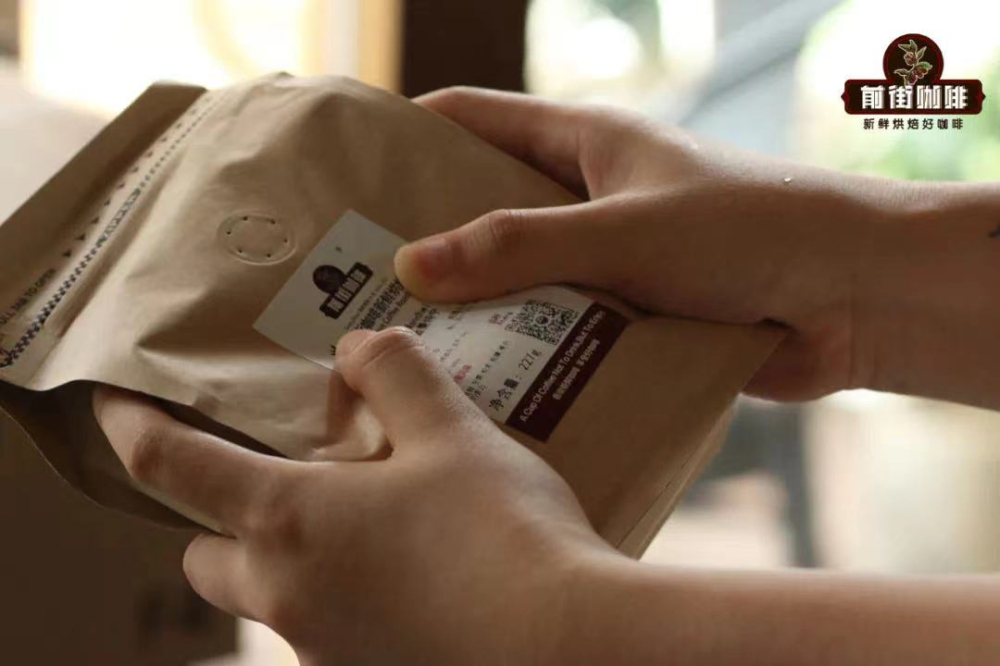
Front Street Coffee (FrontStreet Coffee) recommends that during resting, the beans be kept sealed in packaging with a one-way exhaust valve (ensuring carbon dioxide has a place to escape while also blocking outside air and oxygen from entering), and left to stand in a dry, cool place for 3-7 days, allowing the coffee beans to release some carbon dioxide on their own, take away the dryness, make subsequent coffee extraction more stable, and make the coffee flavor rounder and fuller.
Resting time for freshly roasted coffee beans
All coffee beans sold by Front Street Coffee (FrontStreet Coffee) are shipped within 5 days after roasting is completed, and use packaging with a one-way exhaust valve, 100% guaranteeing the freshness of the coffee beans. Only freshly roasted coffee beans will have more and richer flavors and aromas.
Coffee beans of different roast levels will also have different resting periods. Among the coffee beans sold by Front Street Coffee (FrontStreet Coffee), light-medium roasted coffee beans are recommended to rest for 3-4 days; medium roasted coffee beans are recommended to rest for 4-5 days; medium-dark roasted coffee beans are recommended to rest for 6-7 days.
Best-tasting period for freshly roasted coffee beans
The best-tasting period of coffee is not equal to its shelf life. What you should pay attention to is the roasting time. For roasted coffee beans, over the next 1-2 weeks, although the taste will change with time, you gain an extra journey and witness the ups and downs of coffee like flowers blooming and falling. Usually we taste the best flavor at around 1 week.
From Front Street Coffee's (FrontStreet Coffee) roasting experience, the best-tasting period of coffee beans is about 15-30 days (depending on the roast level). That is, after the resting period, within 7-20 days counted from the roast date is considered the best-tasting period.
Do freshly roasted coffee beans have an absolute "best flavor period"?
Regarding the "best flavor period," although the roast level of each bean can be relatively stable, there is still an error of a few degrees either way, even when strictly following the previous profile. This involves factors such as the spatial environment. The days when you think it tastes very good are the state the beans should have, and that is the "best flavor period."
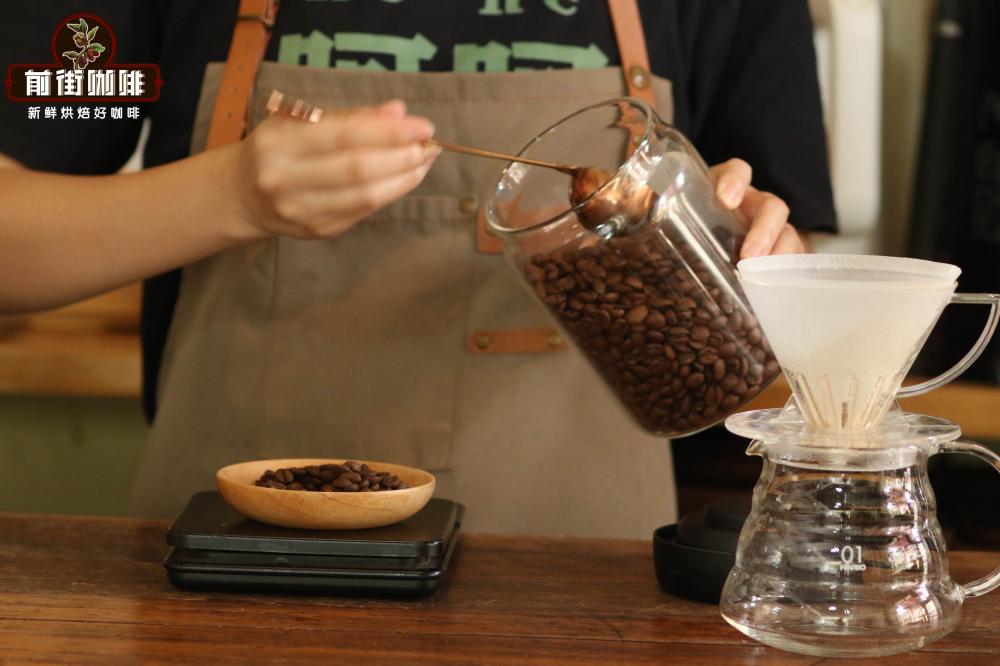
Past the best-tasting period = stale beans, which not only "lose" the good flavors but also create bad flavors. The compounds in the beans are affected by oxidation, and the taste becomes negative. Therefore, it is recommended to buy about 2-4 weeks' worth of coffee beans at a time and store them sealed in a cool, dry place. It is also recommended to use them up within 2-4 weeks, when the flavor is at its best and most fragrant. Coffee that is properly stored past its shelf life generally will not cause any problems when drunk, but if it feels disgusting, then hurry up and throw it away!
Shelf life of roasted coffee beans
The shelf life of prepackaged food refers to the safe consumption period of the product. This shelf life is provided by the producer and marked on products with a time limit for use. Within the shelf life, the production enterprise of the product is responsible for the product quality conforming to relevant standards or the explicitly guaranteed quality conditions, sellers can sell these products with confidence, and consumers can use them safely.
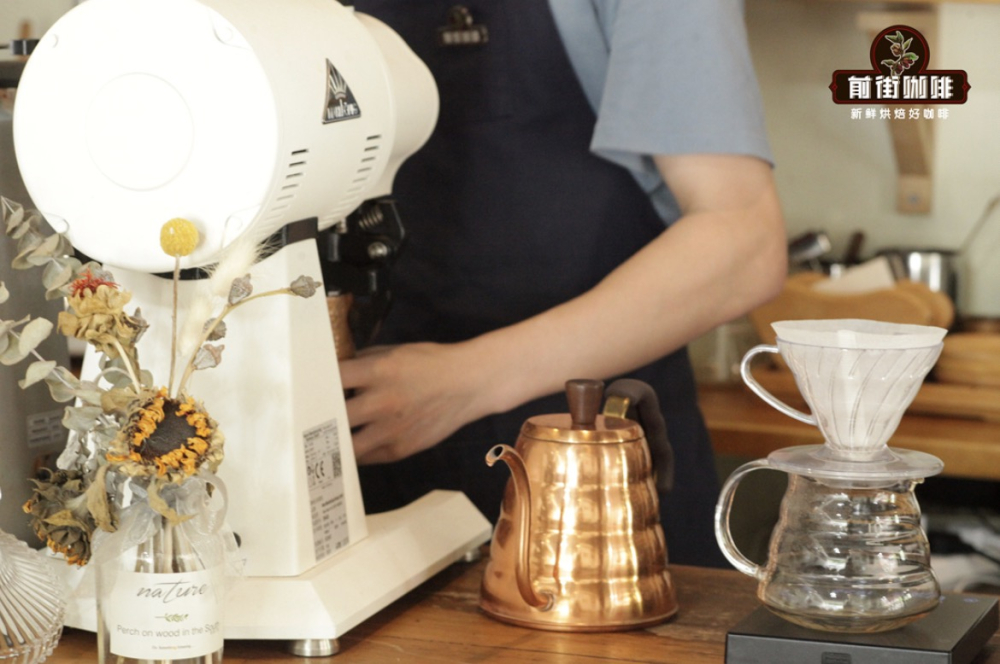
Before establishing the shelf life of a food, it is necessary to conduct objective quality change analyses such as microbiological tests, physicochemical tests, and sensory inspections on the food, and microbiological indicators are often the most direct factor affecting human health. Coffee beans (grounds), because of their low moisture and difficulty in breeding microorganisms, have a relatively long shelf life. Generally, the shelf life of coffee in aluminum foil bags is 12 months, and most imported coffee has a shelf life of 2 years.
The roasted coffee beans sold by Front Street Coffee (FrontStreet Coffee) are regularly sampled and sent to professional institutions and departments for testing, and the shelf life is 12 months.
The above content is compiled by CoffeeHunters, a coffee news website.


