







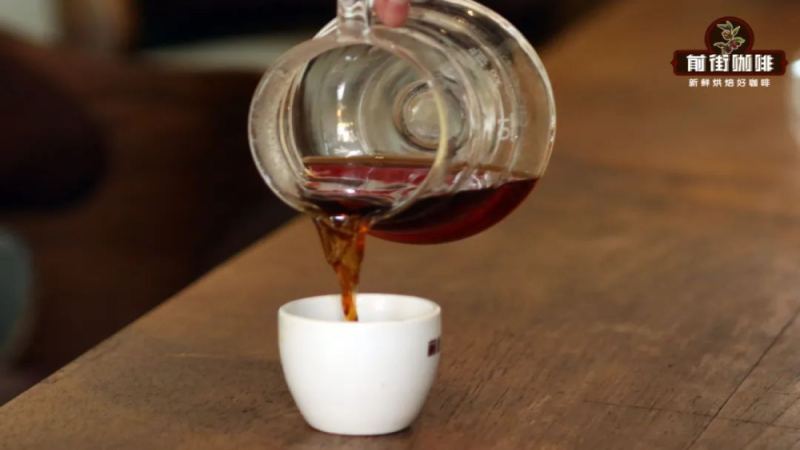
Is weak, sour pour-over really a boiled coffee problem?
Weak, sour pour-over usually traces to the beans or the brewing, not the dripper. Beans past their flavor window lose clarity and leave only a plain coffee taste, and beans need four to seven days of rest after roasting before carbon dioxide released during brewing settles enough for compounds to come through.
For a coffee enthusiast chasing the notes printed on the bag, start with fresh beans and then adjust dose, water temperature, ratio and total time, keeping changes to one variable at a time. Even beginners can build a forgiving recipe this way. Note that boiled coffee sits at the opposite end of the scale: prolonged high heat extracts harsh, bitter compounds rather than the thin sourness described here.
Many pour-over enthusiasts try repeatedly at home but still can't brew the flavors described on the coffee packaging, and may even find the result sour and flat. Front Street Coffee has compiled the common confusions people have, analyzing everything from the coffee beans' flavor window and brewing water to grind size and pouring technique, to help you pinpoint the problem. The article not only explains the difference between flavor and taste, but also gives specific recommendations for parameters like dose, water temperature, ratio, and time, so that even beginners can quickly build a forgiving brewing formula. If you want your pour-over coffee to truly show rich aroma and layers, try adjusting from these key points.
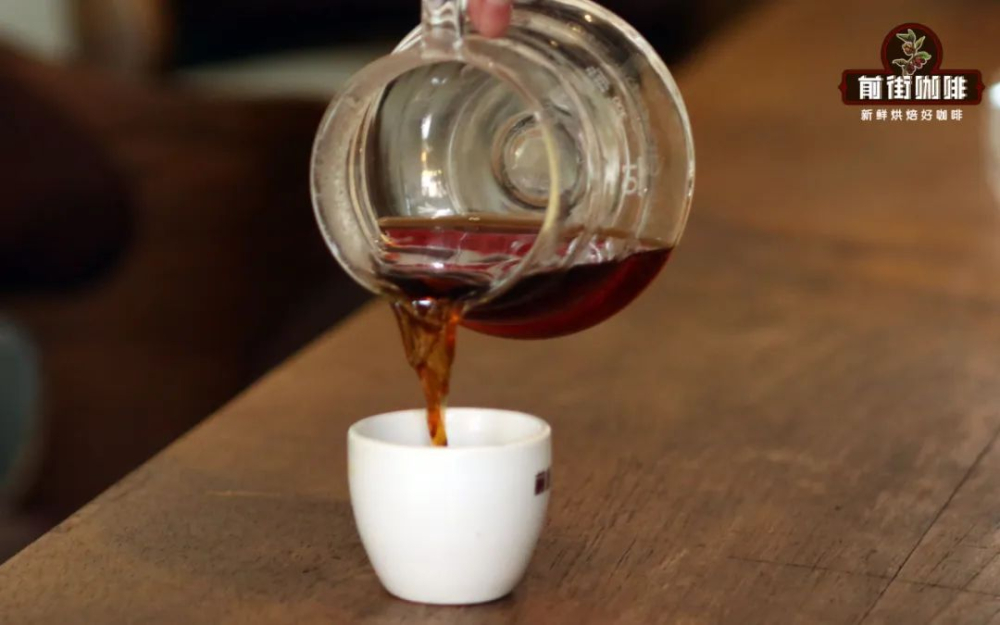
Some pour-over coffee enthusiasts can't recreate the flavors noted on the packaging no matter how they brew at home, so let's analyze together with Front Street Coffee where exactly things go wrong. Front Street Coffee has gathered the feedback everyone shared and sorted out several possible reasons.
- Coffee Beans' Flavor Window
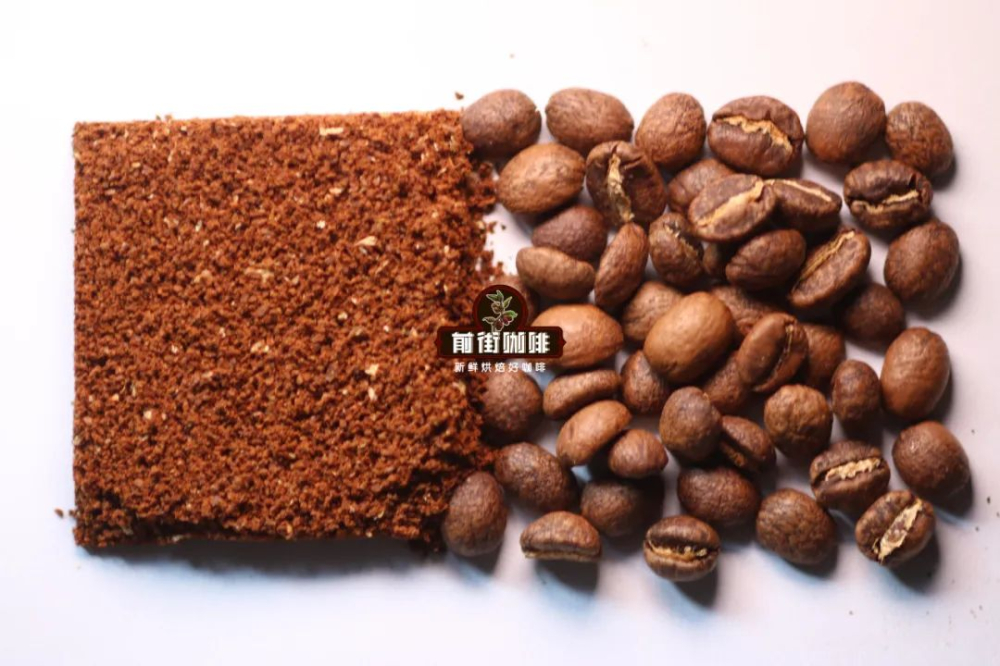
First, a brief explanation of what flavor means. Flavor and taste are not exactly the same thing; flavor is more a sensory experience formed by aroma and taste working together, letting us associate what we drink with a specific flavor. How this flavor shows up is closely tied to the coffee beans' flavor window. The coffee beans you buy usually have a shelf life of 365 days, a flavor window of 45 days, and a roast date on the packaging. Shelf life means the coffee is safe to drink within that period; the flavor window means the beans perform relatively well in flavor during that time, and once it's exceeded, the coffee's flavor becomes less clear, leaving only the taste of coffee itself.
Front Street Coffee has also noticed that some enthusiasts are used to buying several bags of beans at once, but their brewing frequency isn't high, so quite a few beans pass their flavor window before they even get brewed. In that case, the beans' own flavor has already faded, let alone brewing out flavor.
So if you want to brew out the coffee's flavor, the premise is that the coffee beans themselves still retain rich flavor. After coffee beans are roasted, they need a resting period of 4 to 7 days, because freshly roasted beans contain more carbon dioxide, and this gas hinders the release of coffee compounds, so you rest them for 4 to 7 days to let some gas escape, making it easier to brew out flavor. Carbon dioxide and flavor compounds go hand in hand; as carbon dioxide is released, some volatile aroma components are lost along with it. Therefore, when resting is complete, that's when coffee flavor performs best, and afterward the flavor gradually weakens. Usually by around day 45, the coffee's flavor is no longer obvious. So if you want to brew rich flavor, be sure to pay attention to the coffee beans' dates.
- Water Quality
In a cup of pour-over coffee, over 98% is water. So water is also an important parameter affecting coffee flavor. Front Street Coffee has encountered some enthusiasts who, following their own habits, directly use boiled tap water to brew coffee. The problem with tap water is that the content of trace elements in the water cannot be guaranteed.
Currently, the generally accepted theories on coffee water are:
1. Water for brewing coffee is better with a TDS below 100ppm; water with a TDS above 200ppm is hard water, and the brewed coffee will be unpleasantly bitter with miscellaneous off-flavors.
2. A moderate amount of calcium and magnesium ions helps brew delicious coffee.
3. Pure water containing no substances at all is not suitable for brewing coffee; the brewed coffee will show a hollow sensation.
If you can't understand these, it's fine. Simply put, to brew good coffee, it's recommended not to use tap water, purified water, or distilled water. You can use filtered water and mineral water with a TDS that meets the requirements.
- Brewing
Many friends who are just starting out think that the pouring technique and skills of pour-over are crucial; but in Front Street Coffee's view, the right parameters are more important. Some paid courses that teach you to brew coffee in a day or two are actually telling you the usage standards for various brewing parameters, as well as a simple, forgiving brewing formula that doesn't demand extreme pouring technique. That way, after a few days you can brew coffee that tastes better than before.
The principle is actually very simple. Many beginners think pour-over coffee is very difficult, and having never seen the "correct way," they keep fumbling through mistakes and fumble out even more mistakes. When someone tells you a "standard answer," you have a clear direction for trial and error, and can slowly find a brewing method that suits you.
And this "standard answer" is very simple in principle. A reasonable dose, reasonable water temperature, reasonable grind size, reasonable ratio, reasonable time, and a reasonable pouring method, and the brewed coffee will be right.
These parameters actually complement and influence each other. The reasonable dose mainly depends on the dripper's recommended coffee capacity; there's not much to say about that. For reasonable water temperature and ratio, there is currently a fairly unified range: water temperature is generally controlled at 90-93°C (for light roasts), and the coffee-to-water ratio mostly hovers between 1:15 and 1:16.
As for grind size, time, and pouring method, these are a group that influence each other, and you need to find a balance among the three. For pour-over grind size, first of all, the coarseness shouldn't be too extreme. If the water level drops very slowly and the spent coffee bed appears muddy, then the grind is clearly too fine; if the water level drops very quickly and the coffee bed shows very coarse chunk-like particles, then the grind is too coarse. A finer grind makes brewing time longer, and a coarser grind makes brewing time shorter.
The pouring technique also affects brewing time: a strong flow shortens brewing time, a gentle flow prolongs brewing time, and the more separate pours there are, the longer the brewing time.
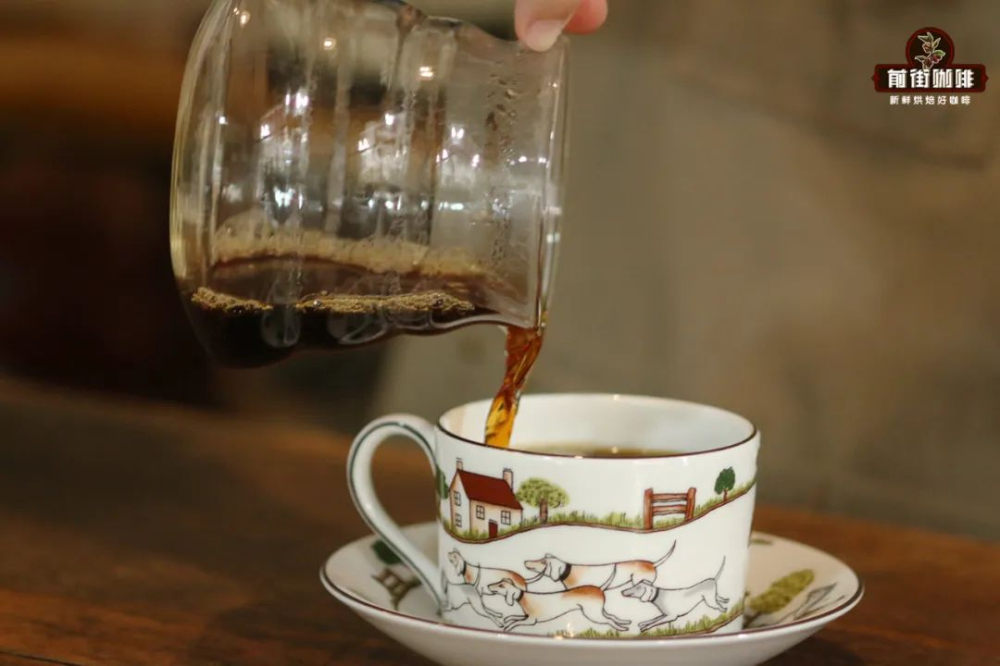
And time is the parameter that tests whether grind size and technique match. For example, if the coffee you often brew is very weak with little flavor, besides the coffee-to-water ratio, the reason is that the brewing time is too short—the coffee's flavor hasn't fully been extracted before it ends. If you're not sure whether your grind size is right, you can set the brewing time at 2 minutes and divide the pouring into 3 stages; if the time lands right around 2 minutes, that means the grind size and technique are both fine.
Good coffee beans, good water, and a reasonable brewing process, and you can brew out the coffee's flavor. Of course, if you want to pursue the ultimate flavor, that requires deeper learning and understanding.
The above content is compiled by CoffeeHunters, a coffee news website.


