







Search Results for: hit
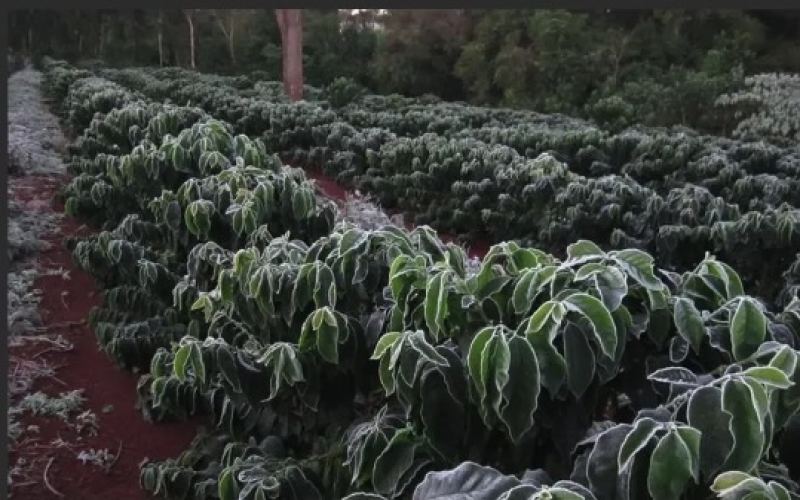
Cold current is coming!? Brazil is about to be hit by a frost.
It is understood that although Brazil is in the southern hemisphere and is located in the tropics, according to normal circumstances, Brazil has four seasons a year, and from June to September every year, winter will come. However, this year, due to [more…]
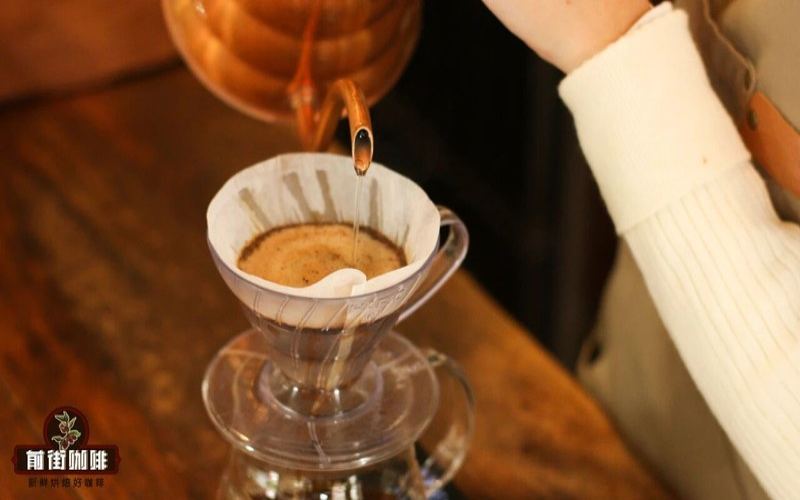
Blended beans from roast date to opening: hitting the right flavor window
After coffee beans leave the roaster, their aroma does not immediately reach its ideal state. The beans still contain a fair amount of carbon dioxide, so during brewing they degas vigorously, the water flow easily bypasses the coffee bed, and although the cup may have a powerful aroma, its sweetness and complexity have not yet unfolded. When choosing a blend, rather than simply assuming "the fresher the better," it is better to consider the roast date and the expected opening [more…]
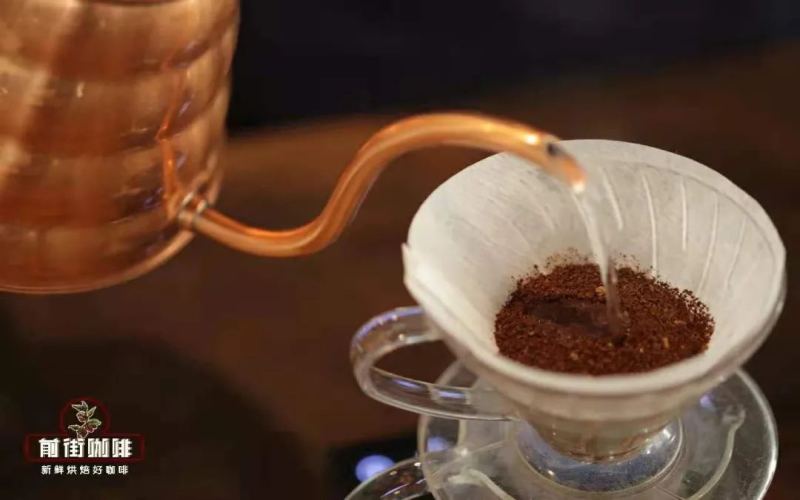
Coffee-to-Water Ratio | How to Calculate the Pour-Over Coffee-to-Water Ratio, Cold Brew Pour-Over Coffee-to-Water Ratio
Without adding sugar or milk, how to hand-brew a delicious and distinctive cup of coffee is a difficult challenge for many enthusiasts just starting out in coffee. Pour too much water and the coffee will be weak; pour too little and it will be very strong and harsh on the throat. Therefore, you must pay attention to the coffee-to-water ratio. So exactly how much water should be used to brew a cup of coffee? The coffee-to-water ratio is probably what every [more…]
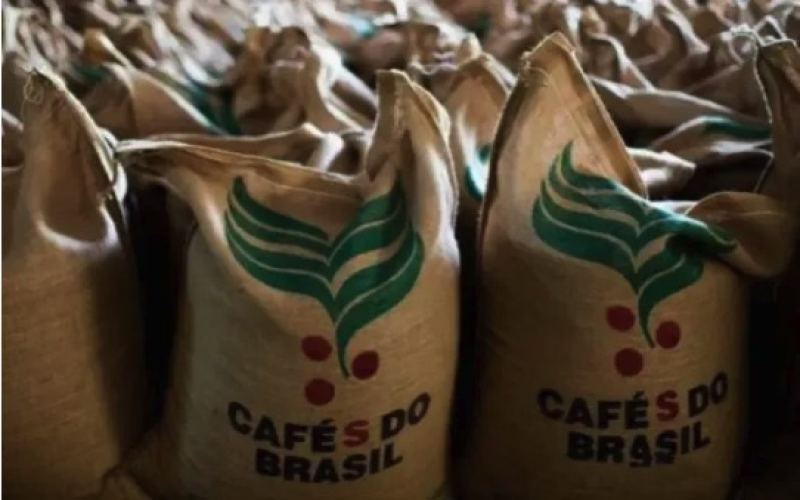
The rise in coffee prices has temporarily halted, and the market is concerned about the impact on US demand
According to CoffeeHunters(/), the upward trend in coffee futures prices seems to have temporarily halted last week. Market participants were hit by news from the US market and are worried that the price increase will curb demand in the United States [more…]

Pour-over Coffee Three-Stage Pouring Technique Tutorial | How Much Water for 15g of Coffee Powder in Pour-over Coffee? How Can Coffee Beginners Make a Single Serving of Pour-over Coffee?
When brewing pour-over coffee, Front Street Coffee insists on using a 1:15 coffee-to-water ratio—why is that? Was this result arrived at by chance, or was it derived from various brewing experiments based on data? In this article, Front Street will explain why. [more…]
The Changing Landscape of Yunnan Small-Bean Coffee: Arabica Cultivation Status, Flavor Characteristics, and Future Trends
Yunnan's coffee planting area has climbed from over 300,000 mu in 2008 to more than 1.4 million mu today, with output once accounting for over 99% of the national total. Yet the expansion of the industry's scale has not been smooth sailing. Since 2012, international coffee futures prices have continued to decline, leaving Yunnan coffee farmers struggling at the edge of the cost line; the 2014 harvest season was hit by a triple blow of drought, cold damage, and the abandonment of harvesting, causing output to plummet from an expected 100,000 tons to less than 60,000 tons, while purchase prices, driven by factors such as drought in Brazil, saw their largest single-month increase in 20 years. Lincang, as an emerging main producing area, rose rapidly, and companies such as Lingfeng Coffee began implementing quality traceability systems. This article will review the cultivation situation, flavor characteristics, and future development trends of Yunnan Arabica coffee beans. [more…]

How to Choose Commercial Coffee Beans: Balancing Budget and Drinking Frequency
Commercial coffee beans aren't something you can master just by memorizing a few names. When buying beans for daily use, you need to consider how quickly you'll drink them, how much to buy at a time, and whether you'll mainly be making black coffee or milk-based coffee at home. What's truly worth referencing is the balance of acidity and sweetness once it hits your palate, the body's thickness or thinness, and the lingering aftertaste once it cools—then, combined with your brewing habits, your range of choices will gradually [more…]
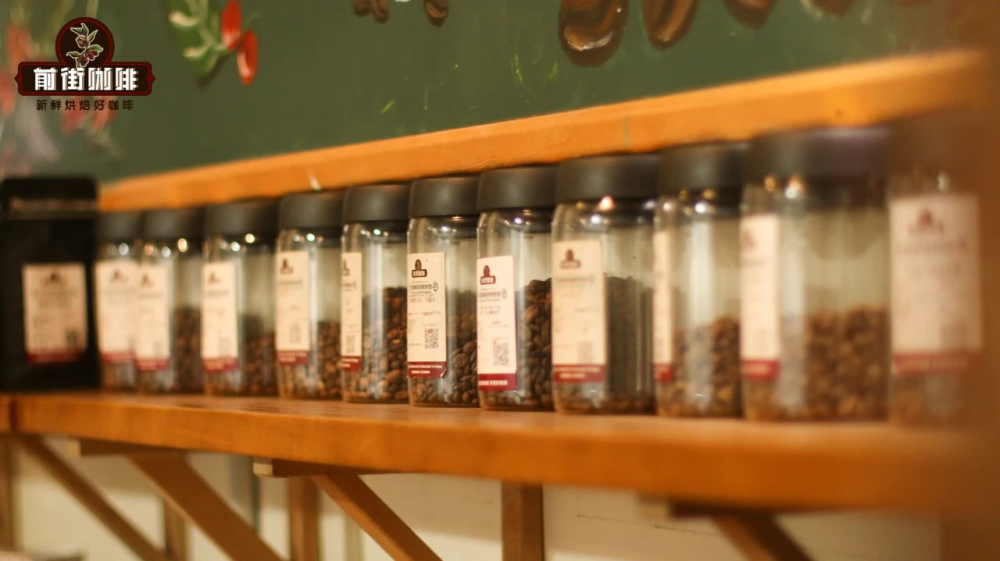
Pour-over coffee beginner knowledge | What are the six common mistakes coffee beginners should avoid when brewing coffee? How to correctly brew pour-over black coffee?
Nobody wants to ruin their own coffee, especially specialty coffee beans that aren't cheap. Nobody wants to drink a cup of terrible coffee, but with these common mistakes, if you hit even one of them, no matter what you use, it's not just a wasted pot of coffee—if you never realize where the problem lies, then you will [more…]
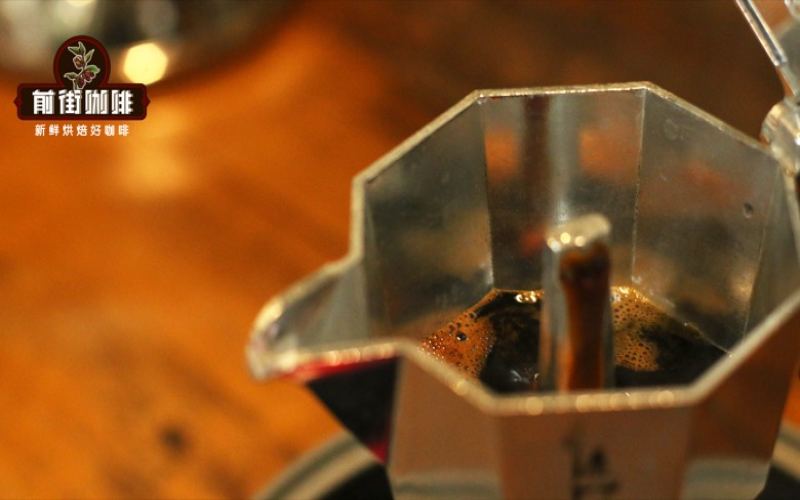
Yirgacheffe High-Value Picks: Balancing Budget and Drinking Frequency
For everyday-priced Yirgacheffe coffee beans, simply memorizing a few names isn't enough. When buying beans for daily use, you need to consider how fast you'll drink them, how much to buy at once, and whether you'll mainly make black coffee or milk coffee at home. What's truly worth referencing is the sweet-to-sour ratio once it hits your palate, the body's thickness or thinness, and the lingering aftertaste once it cools—then, combined with your brewing habits, choose [more…]
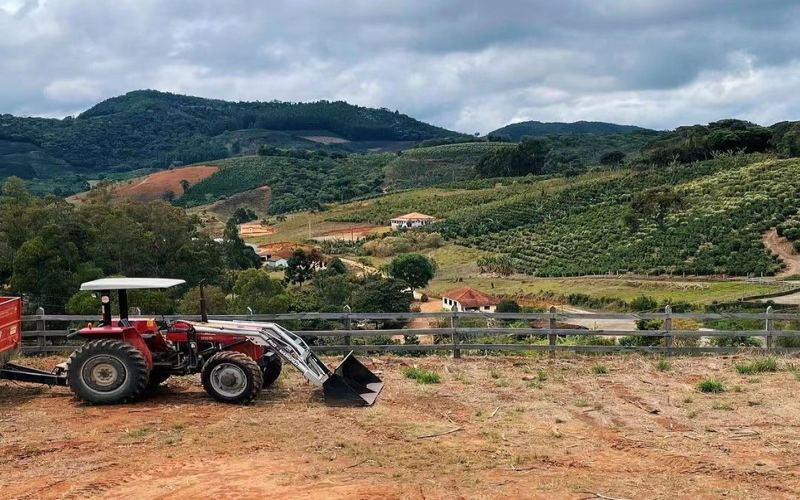
After the roast date, when does an SOE latte enter its flavor peak?
When SOE espresso meets milk, it can turn the fruity sweetness, nutty aroma, or cocoa notes of a single origin into softer layers in a latte—but only if the beans are at the right stage of release. Brew too soon after roasting, and the active gases make the espresso prone to inconsistency; leave them too long, and the aroma fades. To get it tasting good, the purchase date and the moment you open the bag [more…]
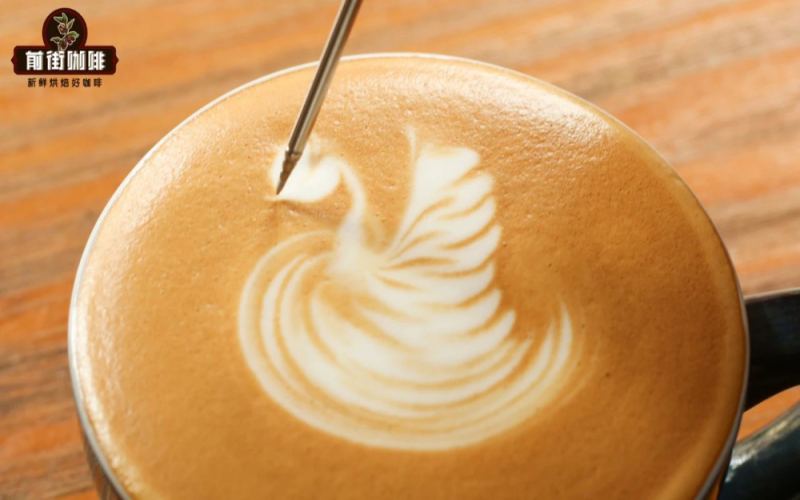
Latte Milk Foam Steaming Tutorial with Illustrations | What Are the Requirements for Milk When Making Latte Art? What Techniques Should Coffee Beginners Pay Attention to When Steaming Milk Foam for Latte Art?
To make latte art look good, choosing the right milk is very important! Front Street Coffee's daily in-store milk coffee offerings all use full-fat fresh milk, because it is rich in protein, lactose, and milk fat. The protein in milk is what makes the milk foam stable. [more…]
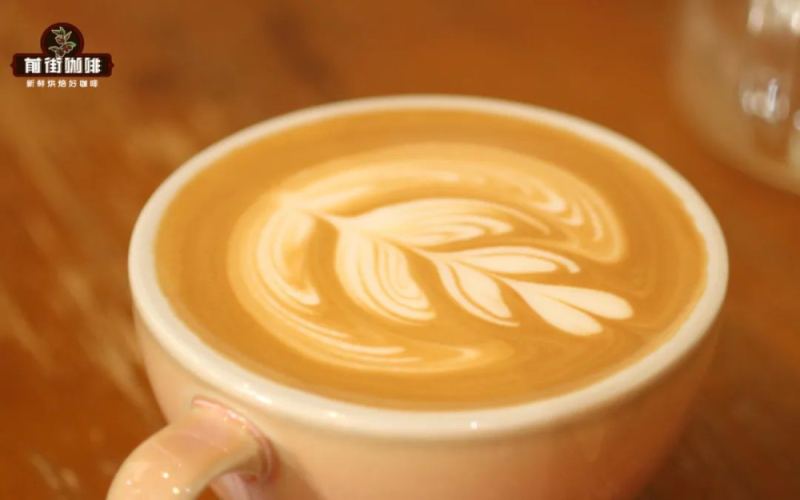
Coffee Basics | What is the standard way to make a Coffee Latte? What is the espresso-to-milk ratio and the thickness of the milk foam for a latte? What are the key points for making latte art?
For more specialty coffee knowledge, please follow our WeChat official account: Front Street Coffee (FrontStreet Coffee). To make beautiful latte art, choosing the right milk is very important! Front Street Coffee (FrontStreet Coffee) uses this for its daily milk coffee offerings: [more…]

Coffee Equipment | Is the AeroPress a toy or a tool? What is the principle behind AeroPress coffee extraction? How do you use an AeroPress to make black coffee?
Without any hints, Front Street Coffee believes that it would be hard for anyone to imagine that this syringe-like tool is actually used to make coffee. That's right, it is the very popular little coffee "toy" in the coffee world—the AeroPress. The reason Front Street Coffee calls it a "toy" is not because it cannot reliably make [more…]
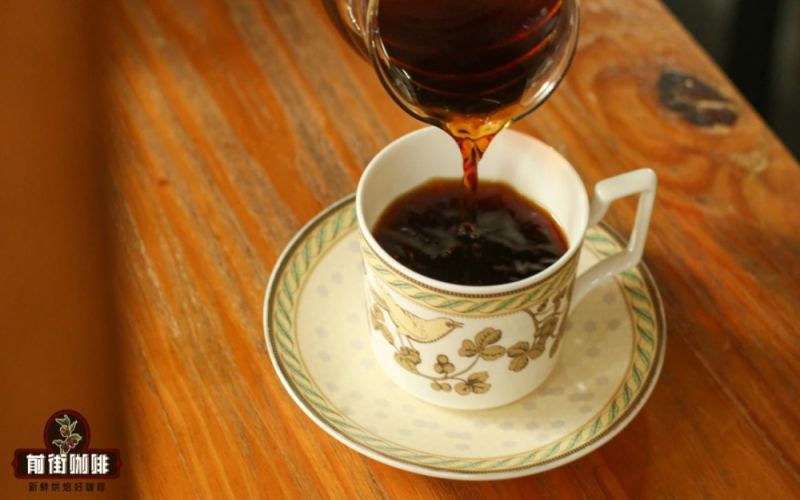
Indonesian Hand-Brewed Single-Origin Bean Recommendations | What Is the Origin of Mandheling? An Introduction to the Flavor, Taste Characteristics, Quality, and Price of Indonesian Specialty Coffee Golden Mandheling
The Origin of Mandheling Coffee We can find that many named single-origin coffees generally take their names from the growing region, place name, variety, or the name of the green bean processor, but the naming of "Mandheling" is rather special, and it begins with a story full of misunderstanding. During World War II in the last century, the Japanese army [more…]
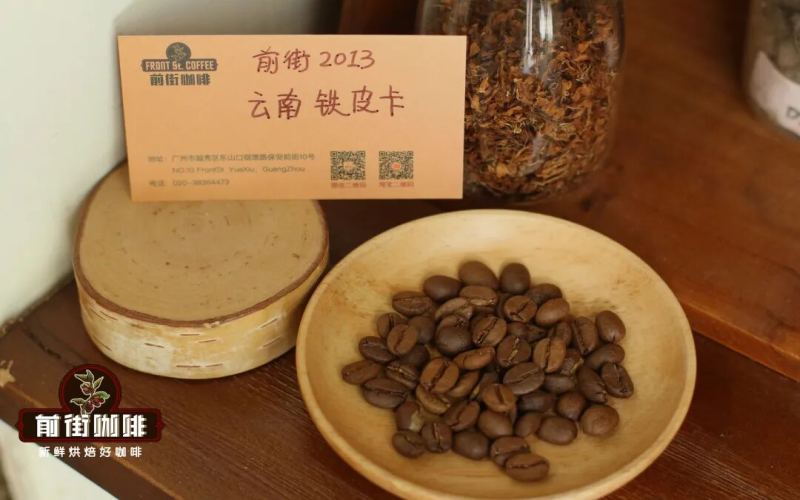
Yunnan Small-Bean Coffee Beans: Catimor and Typica | Is the Catimor variety Arabica or Robusta? What flavor characteristics does Yunnan Catimor coffee have?
Yunnan coffee beans have stood out in recent years in green coffee competitions, frequently appearing in the public eye. And like a dark horse, they have gradually emerged in the specialty coffee market. Today, Front Street will share with you the development of Yunnan coffee in recent years. To understand the history of Yunnan coffee cultivation, you should know that Yunnan's [more…]
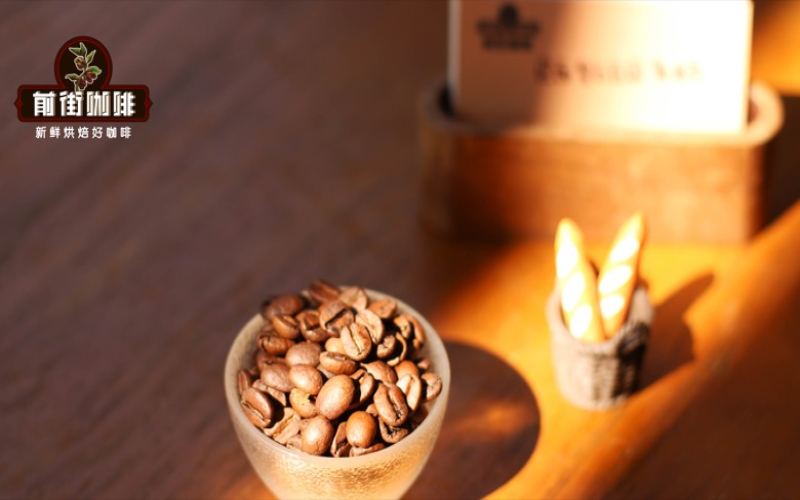
The Mellow Sweetness of Brazilian Coffee Beans: Why Medium-Dark Roasts Are So Easy to Drink
If there is one coffee flavor profile that is especially well suited to understanding what "easy-drinking" really means, Brazilian coffee beans are usually the first to come to mind. Their character is not flashy; it leans more toward warm notes like nuts, cocoa, caramel, and roasted hazelnuts. After a medium-dark roast, the acidity is softened further by the roast, while the sweetness and body become more pronounced, making it drink [more…]

How to Choose Commercial Beans for a Coffee Shop? Black Cocoa Blend vs. Commercial Blend Comparison
Opening a coffee shop—beans are a very important part of the cost structure. Choose well, and your output stays consistent and customers are satisfied; choose poorly, and either costs spiral out of control or your reputation takes a hit. Front Street Coffee has two common commercial beans: Dark Cocoa Blend and Commercial Blend. Both focus on value for money, but their positioning is slightly different. Today we put them side by side [more…]

A year-on-year increase of 13%! Indian coffee exports have surged but are still affected by the Red Sea crisis.
India is the earliest country in Asia to grow coffee, and its output ranks sixth in the world. Recently, the price of coffee has continued to rise. The reason for the rise in price is that Vietnam has suffered from heat waves and droughts, affecting [more…]
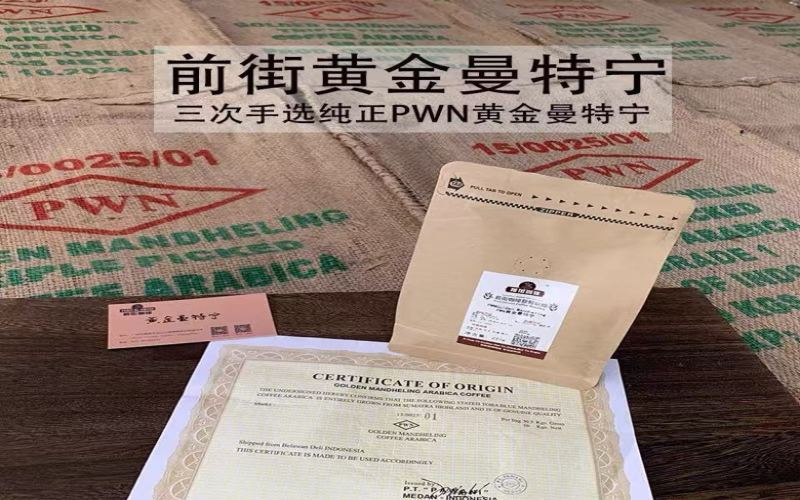
Why Are Mandheling-Style Coffee Beans a Good Choice for a Full-Bodied Cup Without Sharp Acidity?
The Mandheling style is often placed on the "thick, steady, low-acid" side. It doesn't win you over with a bright aroma at first sip; instead, it's remembered for its weight on the palate, its combination of dark chocolate and herbal notes, and a finish that still lingers after you swallow. For many who are used to drinking black coffee, the appeal of this style lies in this: it doesn't need [more…]
How to Store Dark Roast Coffee Beans: Preserving Caramel Sweetness and Full-Bodied Depth
The flavor of dark-roasted coffee beans is built on the sweet-bitter balance brought about by caramelization and the Maillard reaction, and this part of the flavor is relatively overt, and also more dependent on proper storage. The darker the roast, the more porous the bean body, the more easily aromatic compounds escape, and the faster the oils are exposed to the air. Mastering a few key storage points can keep a [more…]