







Search Results for: over time
Pour-over Coffee Brewing Extraction Time | Pour-over Coffee Steps, Ratios, and Pouring Techniques
For more specialty coffee knowledge, please follow our WeChat official account: Front Street Coffee (FrontStreet Coffee). Pour-over coffee has become deeply loved by enthusiasts with the development of the third wave of specialty coffee. Many enthusiasts enjoy brewing pour-over coffee at home. Is pour-over coffee difficult? Actually, to [more…]
Over-extracted Coffee | Why Does Brewed Coffee Taste Bitter? How Can Coffee Beginners Avoid Over-Extraction When Making Pour-Over Coffee?
Many friends just starting out always face the trouble of over-extraction! So-called "over-extraction" refers to excessive extraction. In a coffee bean, the substances that can be dissolved out by water make up about 30% of the total. Although there is only this much, we cannot dissolve everything out. Because inside, besides [more…]
Brewing Time | How Long Does It Take to Make a Pour-Over Coffee? Does a Longer Coffee Extraction Time Make Pour-Over Coffee Taste Better?
Many people, when preparing instant noodles, strictly follow the "scientific instant noodle method," using a stopwatch to steep the noodles in 100°C boiling water for exactly 3 minutes, all to achieve the best possible texture. Similarly, when brewing coffee, we also time it precisely, with the same goal: to consistently brew a delicious cup of coffee. [more…]

Basic Knowledge for Pour-Over Coffee Beginners | Is Blooming Essential in Pour-Over Coffee? What Is the Purpose of Blooming Coffee Grounds by Pouring Water? How Do You Adjust the Coffee-to-Water Ratio in Pour-Over Coffee?
Front Street Coffee often encounters many pour-over beginners who ask a question: Why does pour-over coffee need blooming? The most indispensable step in pour-over coffee is the blooming stage. The purpose of blooming is to allow the coffee to release gases and ensure even extraction, and it also clearly reveals whether the beans being brewed are fresh. Front Street Coffee focuses on fresh [more…]
Brewing Time | The Impact of Pour-Over Coffee Brewing Time on Extraction Flavor: When Does Brewing Time Start Counting?
There are many important parameters in coffee brewing. If you want to enjoy a delicious cup of coffee, you need to precisely control the brewing parameters and follow them as closely as possible during brewing, so that you can have a high probability of getting a tasty cup of coffee. Among these, brewing time is crucial for pour-over coffee. Regarding the coffee dose, [more…]
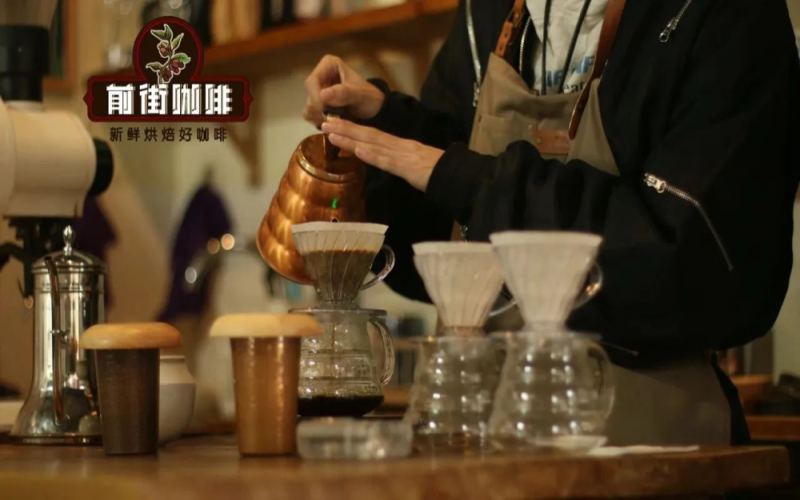
Pour-over coffee brewing ratio | Is the espresso coffee-to-water ratio different from pour-over? What details should be noted for pour-over coffee blooming?
Pour-over coffee is a brewing method that places great emphasis on technique and coffee expertise. Factors such as the amount of coffee beans used for pour-over, the coffee grind size, the coffee-to-water ratio and time, and the brewing technique all affect the flavor extracted in pour-over coffee. So how can you brew a perfect-tasting pot of pour-over coffee? In the rest of this article, Front Street [more…]
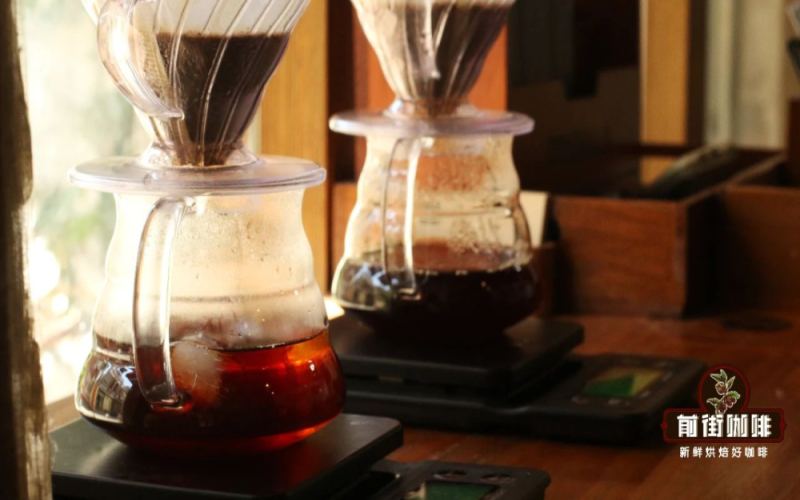
Yirgacheffe Washed Gudingding Pour-Over Parameters Sharing | What Are the Differences in Pour-Over Brewing Water Temperature, Pouring Technique, and Extraction Time Between Dark Roast and Light Roast Coffee Beans?
For more specialty coffee knowledge, please follow: Front Street Coffee (Frontsteet Coffee). The most charming thing about pour-over coffee is its adjustability. Many customers who often come to Front Street for coffee also try making pour-over at home, and they always say that pour-over coffee is too difficult. [more…]
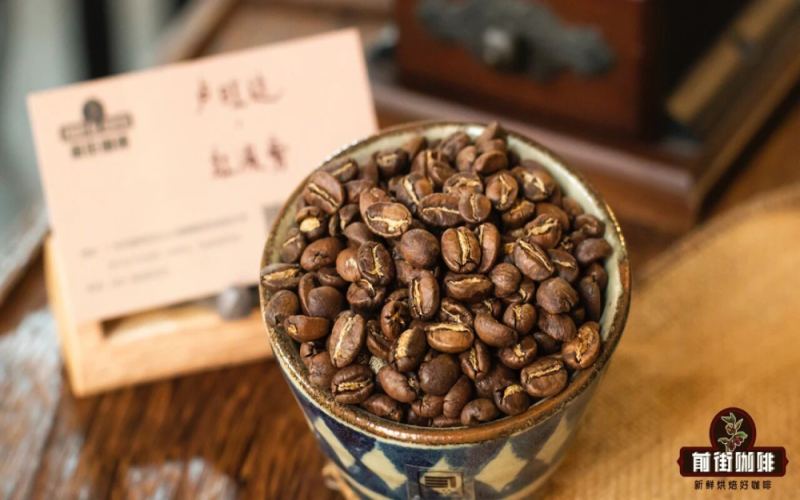
Pour-over Coffee Brewing Essentials | Is pour-over coffee difficult for beginners? What are some recommendations for tasty and affordable single-origin coffee beans suitable for pour-over?
Pour-over coffee is a type of drip brewing, where a coffee dripper paired with filter paper or another filtering medium traps the coffee grounds, ultimately yielding a clean, clear cup of coffee. Pour-over typically uses single-origin coffee beans, but with so many varieties on the market, how do we quickly pick the one that suits us? The simplest way [more…]
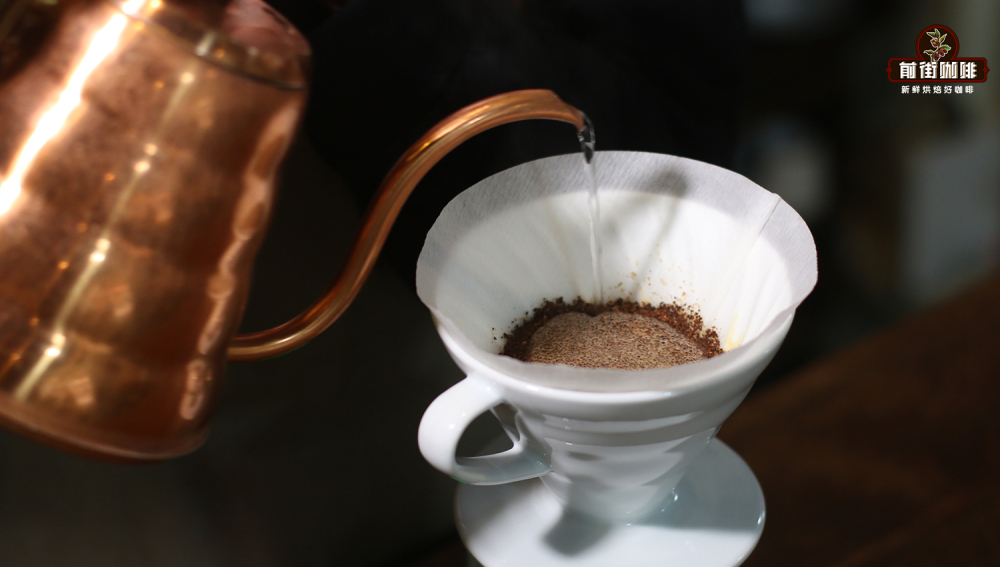
Pour-over Coffee Brewing Techniques and Tips Tutorial | How Much Coffee Powder for a Single Serving of Pour-over Coffee? Sharing the Pour-over Recipe and Parameters for Colombia Finca La Divisa Sidra
For more specialty coffee knowledge, please follow: Front Street Coffee (FrontStreet Coffee). Every day at Front Street Coffee, we encounter customers asking about pour-over coffee, perhaps about what pouring technique should be used for pour-over coffee? Or [more…]
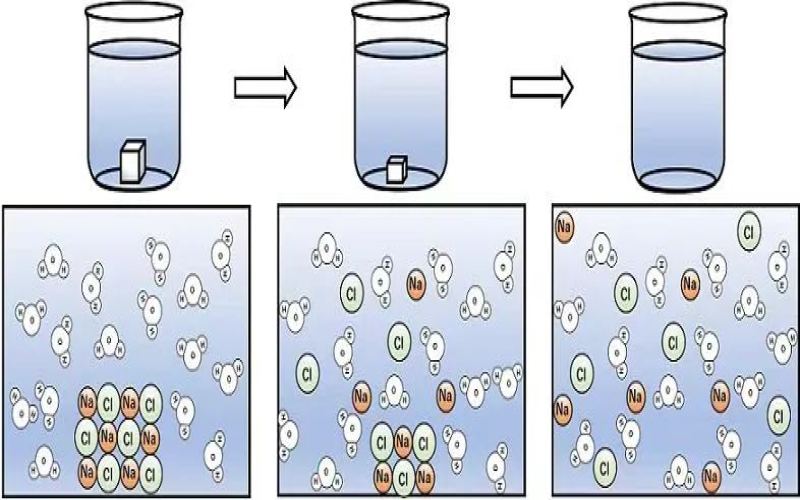
Pour-Over Coffee Brewing Temperature | What Is the Best Water Temperature for Brewing Pour-Over Coffee? Does Brewing Water Temperature Have a Big Impact on Coffee Flavor and Mouthfeel?
For pour-over coffee, most people tend to use higher water temperatures for extraction, because high temperatures not only improve extraction efficiency but, more importantly, bring out a rich, sweet-and-sour aroma and flavor. Basically, the water temperature used for pour-over coffee is rarely below 80°C. So, if you brew coffee below this temperature, is there any [more…]
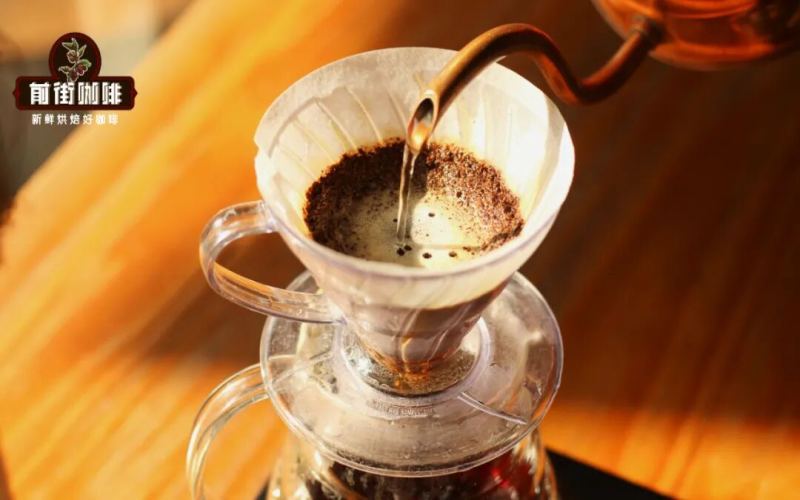
Pour-Over Coffee Brewing Methods | Does Multi-Stage Pouring Make Pour-Over Coffee Taste Better? How to Do Staged Pouring When Making Pour-Over Coffee?
In yesterday's post, Front Street mentioned that one of the advantages of pour-over coffee is its high level of controllability. During the brewing process, we can adjust the pouring method based on the actual situation, so that the coffee's flavor does not stray from being delicious. This statement is not unfounded; many techniques can help us do [more…]
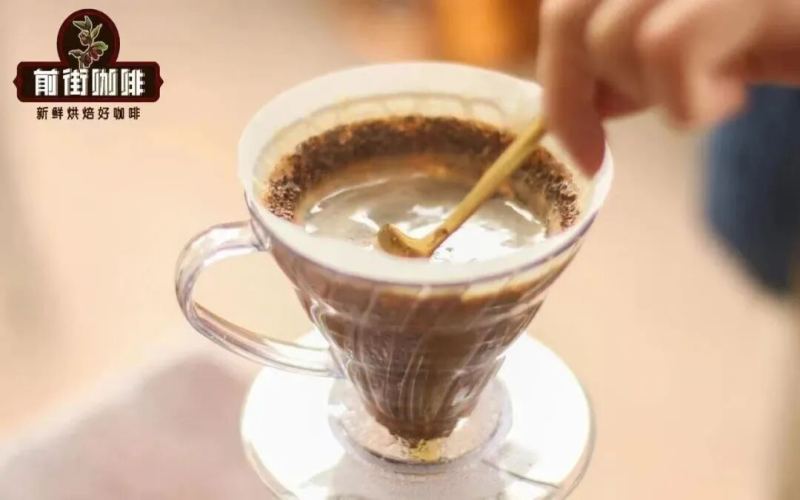
Iced Pour-Over Coffee | Can the Finest Grind and Highest Water Temperature Produce a High-Sweetness Iced Pour-Over? How to Make Iced Pour-Over Coffee with Kenyan Cherry Tomatoes
Regarding the making of iced pour-over, Front Street Coffee has already shared many different brewing methods. However, for beginners, it is still somewhat difficult to master most of these methods. This is because most iced pour-over methods require the use of ice cubes to achieve a rapid cooling effect, and we also need to make it by reducing the amount of water. [more…]
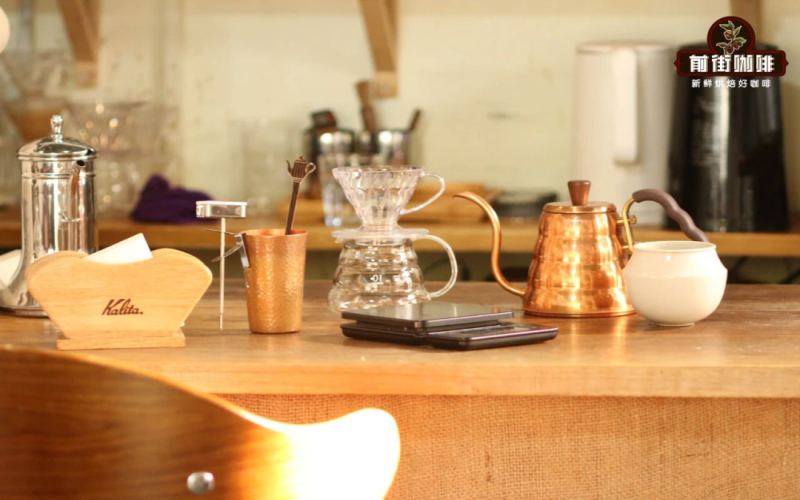
Pour-Over Coffee Basics for Beginners | What Pour-Over Coffee Equipment Do Coffee Beginners Need to Prepare? What Roles Do the Coffee Pot, Coffee Grinder, Powder Sifting Net, and Coffee Dripper Play?
With the rise of the third wave of specialty coffee, more and more people are paying attention to coffee, including how to make a cup of coffee. Front Street Coffee believes that if you want to make coffee at home, the simplest option is pour-over coffee, since the equipment you buy isn't as bulky as an espresso machine and [more…]
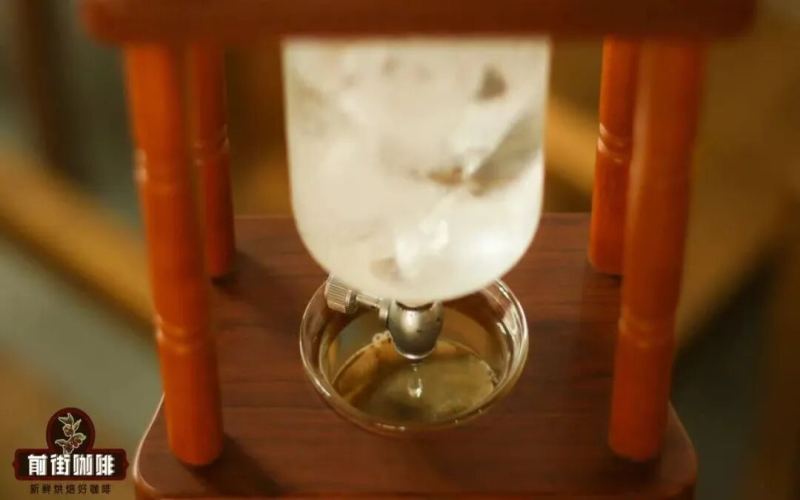
Black Coffee | Why is cold drip coffee more expensive than Americano and pour-over coffee? How is cold drip coffee made? Is making a cup of cold drip coffee very time-consuming?
Black coffee generally refers to pure coffee with nothing added except water. Americano, pour-over, cold brew, and others are all members of the black coffee family. Because they have no milk, cream, sugar, or any other ingredients that could affect the coffee's flavor, the taste of the coffee can be presented more purely. Then I believe it is not hard to see that iced [more…]
Coffee Brewing Time | Why Do You Need to Time Your Pour-Over Coffee? What Factors Affect the Extraction Time When Brewing Coffee?
When brewing the vast majority of coffees, we always casually press the timer function that comes with the scale to start counting time—this is something that seasoned baristas have emphasized since the very beginning. But for some friends, this behavior is incomprehensible, because they believe that recording time has no effect on the coffee. [more…]
Pour-over Coffee Brewing Details | How to Brew Single-Origin Beans Once Ground? Is Blooming Necessary for Pour-over? An Introduction to Pour-over Coffee Pouring Techniques and Extraction Parameters
After patiently listening to the barista's explanation and painstakingly choosing a bag of coffee beans to take home, you also "follow the same pattern" according to the brewing suggestions, only to find that the coffee you brew is vastly different from what you drank in the shop. You think it over and over, but still can't figure out where the problem lies... This is very likely caused by overlooking a certain detail. [more…]
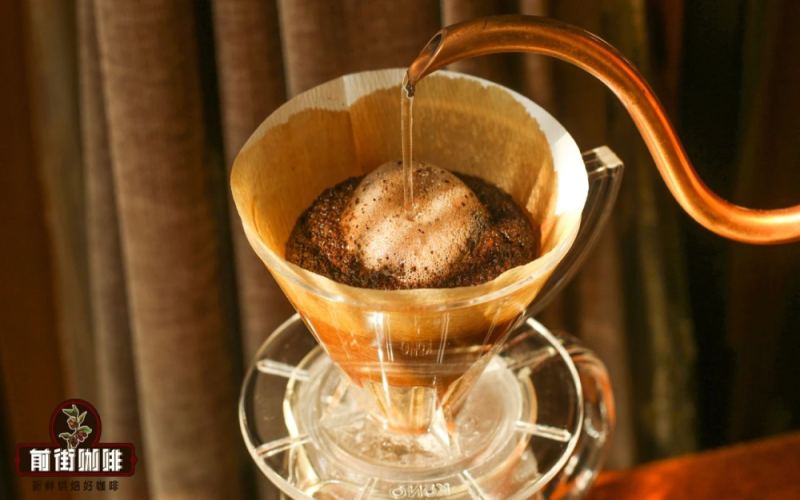
Pour-over Coffee Brewing Techniques | How Important Is Blooming to Pour-over Coffee? How Much Water and How Long for Coffee Blooming? How to Judge the Blooming Process?
Blooming is an important step in brewing coffee, and there's a popular saying that "you can tell if a coffee will taste good just by looking at its bloom." So when people learn to brew coffee, they intentionally or unintentionally "perfect" a flawless "coffee burger." But if you understand the logic behind blooming, you'll discover that blooming is actually [more…]
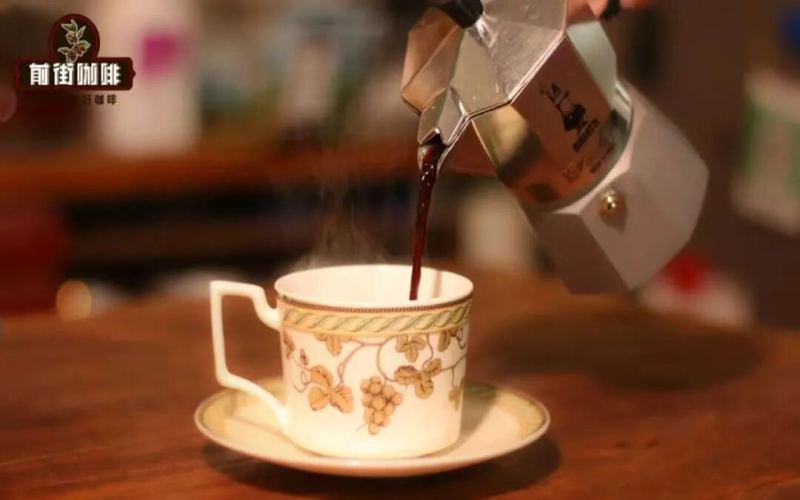
Moka Pot Coffee | Why does coffee brewed with a moka pot taste burnt and bitter? How can you avoid over-extraction in moka pot coffee?
Front Street Coffee has found that many friends are troubled by the problem of Moka pot coffee often being over-extracted. Every time Front Street Coffee shares a tweet related to the Moka pot, friends leave comments like: "How can I avoid over-extraction in Moka pot coffee?" or "Why is the extracted coffee so bitter?" Indeed, compared to its [more…]
French Press Coffee | What Is the Difference Between a French Press and Pour-Over Coffee? Which Is More Suitable for Coffee Beginners: a Pour-Over Coffee Maker or a French Press?
The difference between a French press and pour-over coffee, put simply and bluntly, is the difference between immersion and filtration. The French press is an immersion-style extraction, while pour-over is a drip-filter extraction. Below, Front Street compares these two coffee brewing methods. The taste difference between French press coffee and pour-over coffee: pour-over coffee is now the most commonly [more…]
Pour-over Coffee Tutorial and Equipment Recommendations | How Can Coffee Beginners Learn the Three-Pour Technique for Pour-over Coffee? What Is the Coffee-to-Water Ratio and Water Temperature for Pour-over Coffee?
Nowadays, more and more people are beginning to enjoy the pleasure of pour-over coffee, but are some steps unfamiliar, or are some key points still difficult to master? In this article, Front Street Coffee (FrontStreet Coffee) will share some tips about pour-over coffee~ Pour-over coffee is a type that requires the use of [more…]